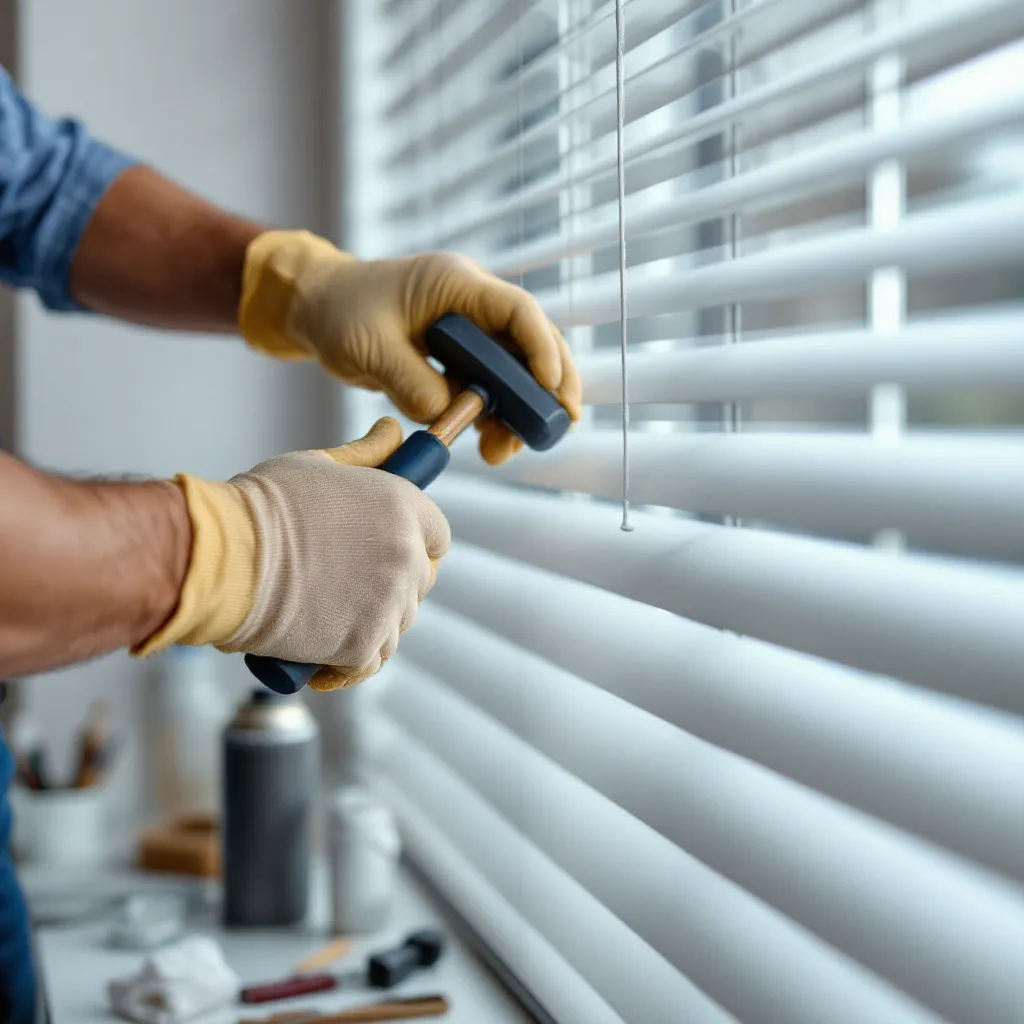

Aluminum Blinds Slat Replacement Service In Simi Valley California
April 22, 2026
Aluminum Blinds For Small Windows In Simi Valley California
April 22, 2026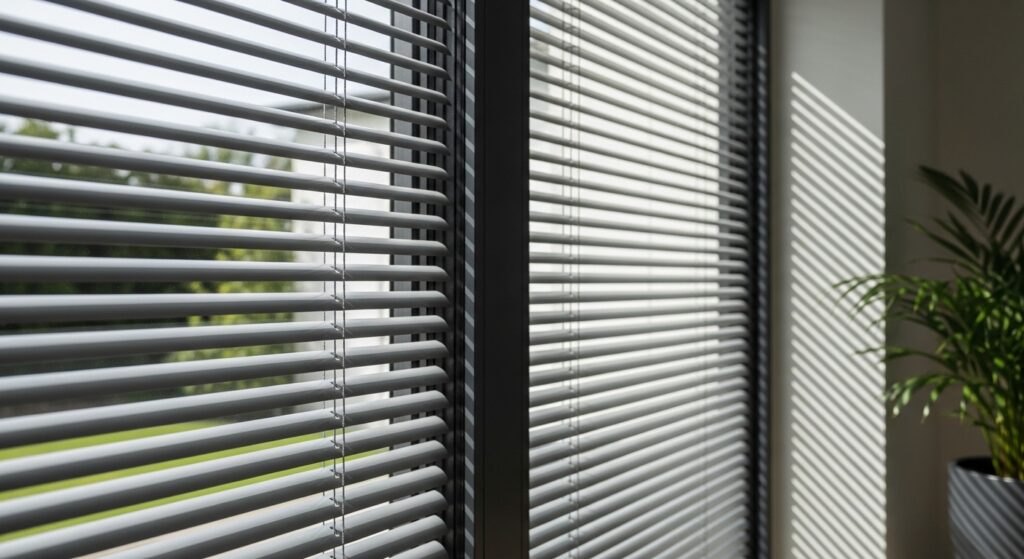
Sliding patio doors are the heartbeat of many Simi Valley homes, opening living rooms to backyard barbecues, framing views of sunlit hills, and inviting evening breezes into open-plan spaces. Managing that broad expanse of glass is a daily decision: you want generous daylight when you’re cooking or working from home, shade and privacy in late afternoon, and a clear passage for family and friends moving between indoors and out. Aluminum blinds, configured thoughtfully for patio doors, deliver that flexibility with crisp lines and dependable operation. Whether you prefer a sleek horizontal setup across a wide span or a vertical orientation that stacks neatly aside the traffic path, today’s options coordinate beautifully with existing windows, and they pair naturally with complementary aluminum blinds elsewhere in the home.
Simi Valley’s light is powerful, particularly on west-facing patios that catch the late-day sun. That’s where aluminum shines—literally and figuratively. The material resists warping, handles temperature swings without complaint, and keeps its profile trim, which matters when you want the door to slide freely. The key is matching the system to your door and your household rhythm. Families who host frequently in Wood Ranch or Indian Hills often prefer a configuration that clears the handle side completely, while townhomes near Alamo Street might benefit from a compact stack that doesn’t crowd neighboring furnishings. With smart planning, you can have both the openness you love and the privacy you need.
Choosing Orientation: Horizontal or Vertical for a Sliding Door
Homeowners often ask which orientation works best. Vertical aluminum blinds are a natural fit because they mirror the door’s motion and stack tightly to one side, preserving easy access. The slats rotate to control glare during midday and close for privacy at night. On the other hand, a horizontally oriented solution—such as two or three blinds mounted side by side across a broad header—can create a unified look with adjacent windows. The decision comes down to door usage, furniture placement, and your preference for how light moves in the room. I’ll help you visualize both, considering which side the panel slides to, how far the stack should clear, and whether asymmetry would complement your layout.
With vertical configurations, track quality is paramount. Smooth, quiet carriers keep the slats gliding rather than clicking, and precise alignment prevents the slight sway that can distract during breezy evenings. For horizontal setups, headrail rigidity and even cord routing ensure the bottom rails lift and rest at the same height, important for a polished look across a wide span. Whatever you choose, the heart of good performance is a carefully mounted, well-supported system that respects the architecture of your opening.
Light Control Across Long Afternoons
Simi Valley afternoons can be intense, and large panes magnify that effect. Aluminum slats rotate with micro-precision, giving you nuanced control at each hour. If you work at the dining table, a slight tilt shields your screen from glare without making the room feel closed. As the sun dips, another small adjustment maintains comfort while preserving the view of the backyard. For movie night, a full close ensures privacy and tames reflections on the TV. The ability to tune light so precisely becomes second nature, and the room stays adaptable from brunch to bedtime.
For particularly bright exposures, matte or satin slat finishes keep reflections soft. I also pay attention to stack placement. On doors that slide left, the stack often belongs on the right to clear traffic. When furniture anchors one side, we might reverse the plan to balance circulation. These practical choices are what make a system feel custom—not only measured to fit but also tailored to your daily patterns.
Durability and Daily Life
Patio doors are active zones. Kids race out with sports gear, guests drift back and forth with drinks, and dogs make frequent patrols. Aluminum blinds stand up to this movement because the slats won’t swell with humidity or sag with heat. A light tap won’t deform the surface, and if a true bend occurs, the affected slat can be replaced without disassembling the entire unit. Tracks and headrails, when leveled and anchored properly, hold alignment season after season. I select carriers and controls rated for frequent use, so the system remains steady and quiet even on your busiest weekends.
Another aspect is clearance. Low-profile headrails and brackets keep the path open and prevent interference with door handles. For vertical systems, I verify that the leading edge of the stack clears the handle hardware completely. For horizontal solutions, I’ll confirm that bottom rails sit high enough when raised to allow smooth passage without head bumps or snagged hats—little details that matter more than you expect.
Style and Coordination With the Rest of the Home
Patio-door blinds don’t live in isolation; they share sightlines with kitchen windows, family-room nooks, and sometimes even a loft. That’s why I pay close attention to finish and scale. If your nearby windows feature one-inch slats with a satin sheen, a patio-door solution that echoes that surface will look intentional. For more modern interiors near the Valley’s newer developments, a slightly wider slat in a calm matte can add presence without heaviness. The goal is a dialogue between openings: related but not duplicated if the architecture asks for a different rhythm.
Color selection embraces the atmosphere you want to create. Soft grays and warm whites keep the room airy even when the blinds are closed, while deeper metallics ground large, bright spaces. Because Simi Valley’s light sweeps from cool to warm over the day, I evaluate samples in your actual conditions. Watching how a finish behaves at 10 a.m. and again at 4 p.m. leads to satisfying choices you’ll appreciate long after installation.
Inside vs. Outside Mount on Patio Doors
Mounting determines both look and function. An inside mount within a deep frame offers a sleek, architectural presentation, with slats tucking neatly out of the way. However, many sliding doors favor an outside mount above the opening, which provides generous stack clearance and protects the glass from direct contact. For vertical orientations, a sturdy valance conceals the track; for horizontal sets, a continuous header creates visual unity across multiple panels. I check for structural support, verify that fasteners suit your wall type, and shim with care so everything hangs true.
Weatherstripping and airflow also come into play. On evenings when you invite the breeze indoors, properly weighted slats reduce chatter. Slight adjustments to ladder tension or carrier spacing tame movement without harming responsiveness. These are the kinds of quiet calibrations that turn a good system into a great one.
Care, Cleaning, and Smooth Operation
Once in place, aluminum blinds are straightforward to care for. A weekly pass with a soft duster keeps grit off pivot points, important in windy seasons when dust can sneak through screen doors. For deeper cleaning, a barely damp cloth followed by a dry wipe prevents residue. If your household includes active pets, raising a horizontal set a few inches during peak playtime or drawing vertical slats fully aside during backyard sprints protects the edges from incidental contact. And when the party’s over, a gentle, full rotation of the slats resets alignment beautifully.
As with any high-traffic opening, components benefit from periodic checks. I recommend a quick seasonal review—confirm that brackets stay tight, verify wand or cord action is even, and listen for any new sounds in the track. Small adjustments keep the entire system feeling composed and ready for the next gathering.
Integrating With Adjacent Windows
Many Simi Valley homes include a wall of glass: a slider flanked by windows or a bank of clerestories above. In those layouts, continuity matters. I often pair a vertical patio-door solution with horizontal one-inch slats on the side windows, matching color and sheen so the ensemble reads as one. Alternatively, I’ll use multiple horizontal blinds across the door span to create a consistent band that runs the entire wall. When done well, the effect is calm and architectural, with each piece serving its purpose without calling attention to itself.
If you’re upgrading in stages, the patio door is a strong first move. Because it’s the largest opening, dialing in its performance and look sets the tone for nearby windows. Later, as you add or refresh other sets, we’ll carry the same finish family for a cohesive story that still respects the quirks of each opening.
From Consultation to Perfect Fit
Every home tells a different story. During consultation, I’ll ask about traffic flow, how often you open the door, and where sun hits hardest. We’ll test sample slats right on the glass to see how they handle reflection and color shift throughout the day. Measurements include clearances for hardware, valance depth, and stack width, so your chosen configuration feels effortless in daily life. Installation day is tidy and precise, with careful leveling, hardware checks, and multiple run-throughs of tilt and draw before I call it done.
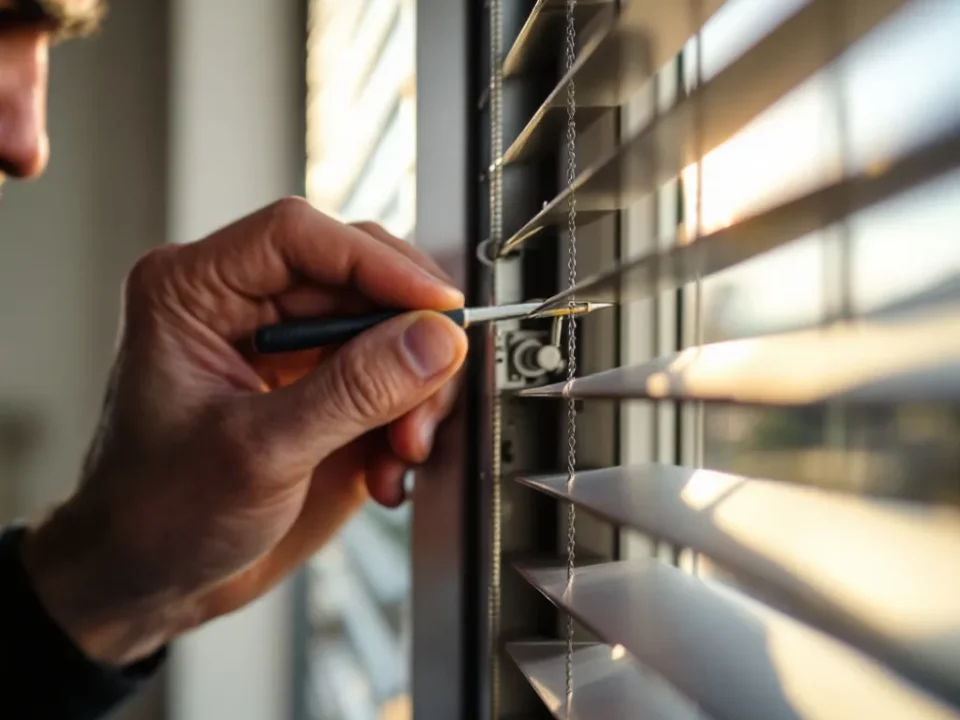
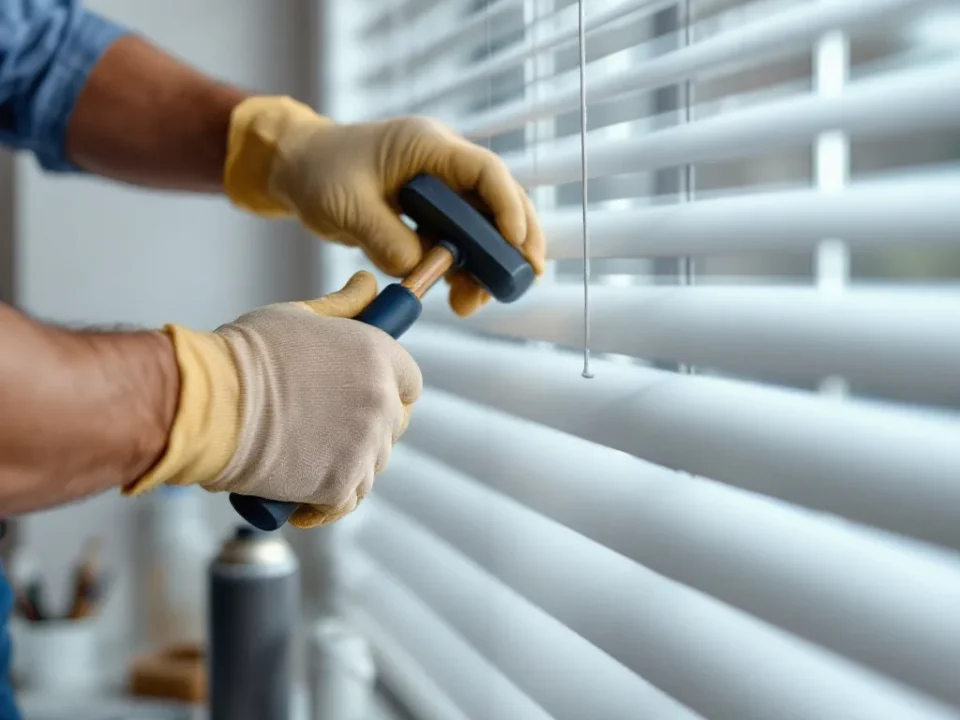
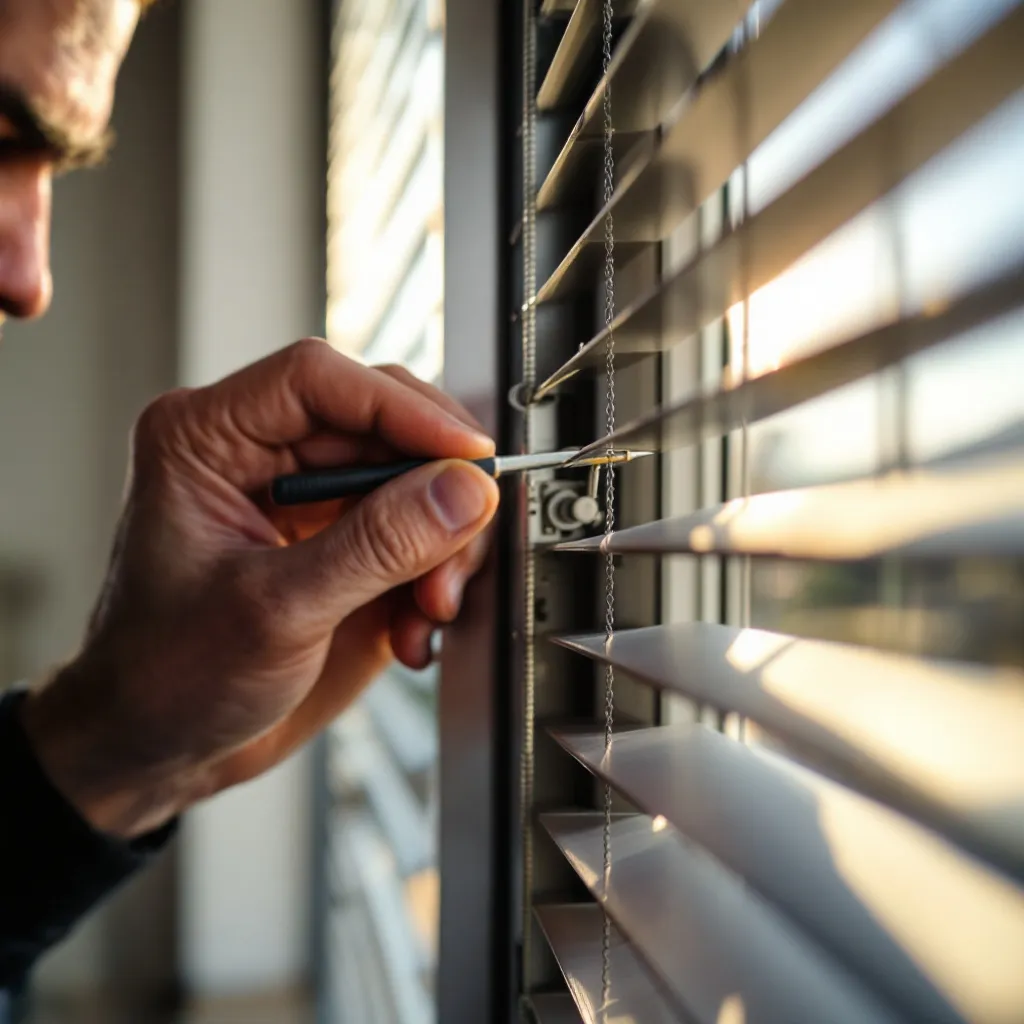
Down the road, serviceability matters. Aluminum blinds are refresh-friendly: an occasional slat swap after a bump, a carrier change if you notice drag, or an alignment tweak after a home project. Keeping your patio-door solution in top form is part of the value—this is a system built to live with you, not demand constant attention.
Frequently Asked Questions
Do aluminum blinds work well for very wide sliding doors? Yes. With the right headrail or track, aluminum solutions handle wide spans reliably. We’ll choose components rated for the width and usage your household requires.
Will vertical slats get in the way of people using the door? Not when planned correctly. We position the stack away from the traffic path and verify it clears hardware fully, so movement is natural and unobstructed.
How do I reduce glare without darkening the room? Matte or satin finishes help, and precise tilt control lets you cut harsh angles while keeping daylight. During consultation, we’ll test angles that match your routine.
Can I coordinate my patio-door blinds with existing window blinds? Absolutely. We’ll match color and sheen and adjust slat width as needed so the whole space reads cohesively, even if orientations differ.
What if a slat bends or a carrier sticks later on? Aluminum systems are serviceable. A single slat or carrier can be replaced without removing the entire unit, keeping downtime minimal.
Do aluminum blinds rattle in the breeze? Proper weighting and alignment substantially reduce chatter. If your door area is breezy, we’ll calibrate tension and spacing to keep movement composed.
Open Your Patio Door to Better Light Control
If you’re ready to bring clarity and comfort to that big expanse of glass, let’s design a solution that feels custom to your life. I’ll help you choose the orientation, finish, and controls that make everyday routines smoother—from work-from-home afternoons to weekend gatherings. And when you want the look to carry across the home, we can coordinate with matching aluminum blinds for nearby windows. Reach out to schedule a friendly, no-pressure consultation, and let’s turn your sliding door into a flexible, beautifully managed source of light.
Read More:
Aluminum Blinds For Small Windows In Simi Valley California
Aluminum Blinds Slat Replacement Service In Simi Valley California