
Common Vertical Blinds Issues and Repairs in Simi Valley California
May 18, 2026
Aluminum Blinds Maintenance and Care in Simi Valley California
May 25, 2026
What “Average Cost” Really Means for Aluminum Blinds in Simi Valley
When neighbors in Simi Valley ask about the average cost to install aluminum blinds, what they are really seeking is clarity. They want to know what drives the investment, how long the project takes, and which decisions meaningfully shape the final outcome. As a local who has walked through tract homes off Cochran Street, hillside properties near the pass, and sun-soaked condos closer to the 118, I can tell you that the word “average” masks a lot of nuance. The same pair of hands may hang blinds in a pristine new build before lunch and then wrestle with an out-of-square 1980s bedroom window after, and those site realities influence the whole experience from selection through install. If you begin by understanding the variables, you can plan with confidence and choose aluminum blinds that feel custom-tailored to your home and routine.
In Simi Valley, the angle of the afternoon sun is no small factor. Western exposures can be intense, especially in late summer when the hills glow and temperatures linger. That light level, plus privacy expectations on cul-de-sacs and along busier corridors, often point homeowners toward slat widths and finishes that balance glare control with a clean, modern line. Beyond the look, the way those choices interact with your windows—frame depth, molding style, and whether you have drywall returns—subtly shapes the installation plan. You will notice the difference most when raising, lowering, and tilting day after day; the right dimensioning and mounting height make an ordinary window feel refined.
How Window Size, Shape, and Frame Conditions Influence Your Project
Let’s start with the obvious: a large living room slider or a set of three side-by-side windows inspires a different approach than a compact bath window. The measurement method varies by opening, and even more so by the frame’s condition. In older Simi Valley homes, slight settling can leave a frame a bit racked or bowed. A seasoned installer accounts for those variances in the deduction taken for inside mounts and in the hardware chosen for stability. That attention prevents grinding slats, snagged cords, or light leaks at the sides. On picture windows with generous drywall returns, a sleek inside mount can disappear into the architecture, while shallow frames or decorative casings might push you toward a tidy outside mount that preserves full function.
Arched or trapezoid transoms occasionally appear in custom builds around Simi. While many homeowners prefer uniformity and will cap those with a stationary treatment, others want continuity of metal slats across all visible openings. In those cases, creative valance work and careful bracket placement can achieve a cohesive effect. The point is less about complexity and more about the installer’s planning—accurate templates, calm pacing, and a clear strategy for hardware alignment so the finished lines look straight even when the house isn’t.
Material Quality, Finish, and Options That Add Real-World Value
Aluminum blinds are not all created equal. The thickness of the slat material, the integrity of the paint or anodized finish, and the precision of the headrail components determine how the blinds feel and sound in use. A premium finish resists scratching when a curious pet noses the window, and a well-engineered tilt mechanism delivers smooth motion without chatter. Coatings that shrug off UV and heat will keep color truer, longer—a real consideration here where mid-day glare is common. Many Simi Valley families choose cordless for child and pet safety, and some add motorization in high or hard-to-reach windows. Those enhancements don’t just change the way you lift the slats; they influence the planning, from power access to bracket choices, and they elevate the perceived quality of the room.
Even within aluminum, you can lean minimalist or dress the window slightly. A slim, squared valance yields a clean, architectural look, while a contoured profile softens the transition between wall and headrail. The color palette also matters; homeowners often pair soft whites or warm grays with stucco exteriors and quartz-heavy interiors, and anodized metallics can echo hardware finishes in kitchens and baths. These decisions are aesthetic on the surface but practical in the long run because finishes that match your permanent materials age gracefully and help your blinds blend rather than compete.
Access, Scheduling, and the Realities of Installation Day
Project timing in Simi Valley is often influenced by school schedules, commuting patterns, and the occasional Santa Ana wind event that deposits a fine layer of dust over everything. An installer who understands that rhythm can coordinate an in-home measure when light is consistent in each room, and then plan the install when the house is calm. Multi-story homes require safe ladder access, so pre-clearing furniture zones helps. Expect a thoughtful walkthrough on arrival, a verify-and-mark step for each opening, precise bracket installs, and then the fine-tuning of the blinds themselves—leveling, tension adjustments, and a final smooth raise-and-tilt test. That last bit matters just as much as the first screw, because any micro-adjustment to the headrail or tilt wand shows up in daily use.
In older tract homes, you may see mismatched drywall textures or patchwork paint buried behind existing treatments. A careful installer mitigates those surprises with touch-up techniques that stay within the blind’s coverage area, preserving a clean look once the new blinds are up. Communication is key here: it’s helpful to know if you are painting or remodeling soon, because sequencing blinds after a final coat prevents unnecessary rework and protects your new finish from jobsite dust.
Inside Mount Versus Outside Mount: Practical Impacts You Can Feel
Inside mounts highlight the window’s architecture and keep lines crisp, but they demand square, sufficiently deep openings. If your frames are shallow or out-of-true, an outside mount can hide those quirks and reclaim perfect function. The difference shows up in light control too. An inside mount that’s snug to the return blocks stray beams more effectively; an outside mount with a wise overlap softens light bleed in bedrooms without resorting to blackout fabrics. During the in-home measure, these pros and cons are laid out plainly, often with a quick demonstration of where the valance will sit and how the slats will clear handles or cranks.
Where privacy is a priority—front-facing rooms on busier streets or neighbor-facing second stories—tilt angles and slat widths become fine instruments. Wider slats can widen the view when open yet close up efficiently at dusk. Narrower slats create a gentler light pattern and can feel more composed in compact rooms. There is no universal best; there is only the right interplay between your windows, your habits, and your home’s architectural personality.
The “Simi Factor”: Sun, Dust, and Microclimates
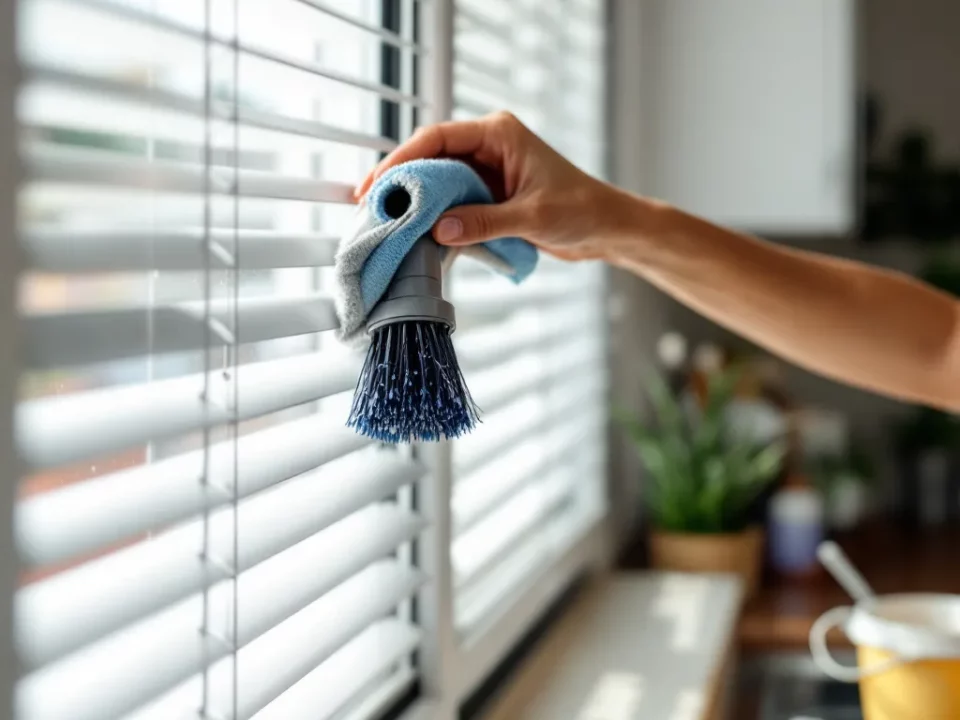
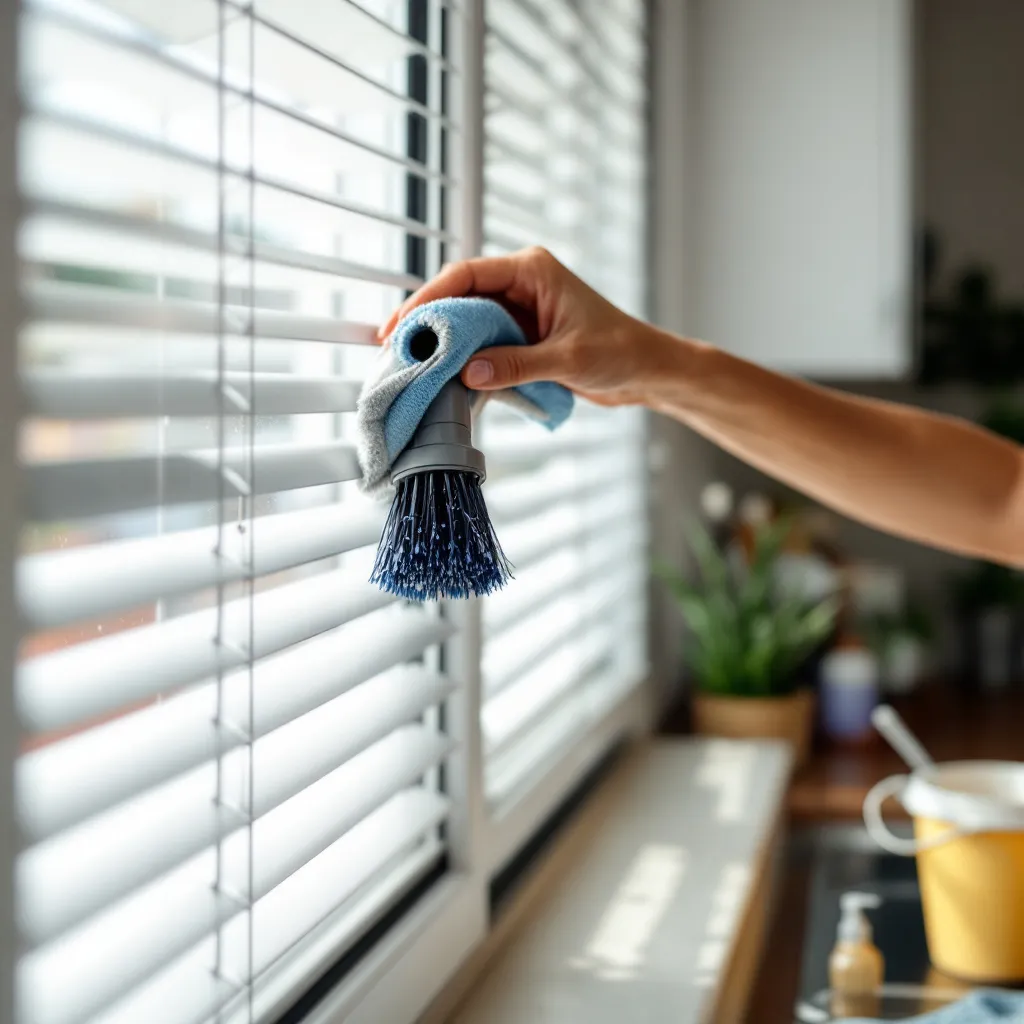
Simi Valley’s climate shapes window treatment choices more than many realize. Homes on the valley’s rim catch more direct afternoon sun, while lower neighborhoods may benefit from consistent morning light and calmer evenings. Aluminum excels at shrugging off heat; the slats do not sag under sun load the way some materials can, and finishes designed for UV resistance maintain their color. That said, dust is a fact of life here, especially after windy spells. Fortunately, aluminum is simple to wipe down with a microfiber cloth, and a gentle tilt-and-dust routine keeps things sharp without drama. Plan for that maintenance rhythm as part of your overall investment; ease of care translates directly into how fresh your blinds look three, five, or ten years in.
Humidity is typically low, but kitchens and baths still present moisture and residue challenges. Aluminum’s moisture tolerance is a strong advantage here. With proper ventilation and a quick wipe when needed, you avoid warping or swelling. If steam is routine—say, in a tight primary bath—finish selection becomes vital, with tougher coatings that clean easily and resist corrosion.
Local Aesthetics: Making Blinds Part of the Architecture
Our housing stock spans ranch, Mediterranean-inspired stucco, and clean-lined modern infill. Aluminum blinds adapt well across those styles. In a Spanish-influenced home with arches and warm tile, a soft white or almond slat can keep the palette serene while respecting the home’s curves. In a contemporary space with matte black hardware and crisp edges, an anodized or cool gray slat tightens the language of the room. Designers sometimes match the headrail tone to window trim, allowing the slats to disappear visually when tilted open. The net effect is cohesion; your eyes rest on the view, not the blinds.
Noise and tactility matter, too. Quality headrails reduce rattle when windows are open and the breeze moves through. The tactile experience of the tilt wand or lift rail is part of daily life. Smooth action, quiet motion, and a satisfying click into level are the hallmarks of a well-specified product and a well-executed install.
Motorization and Safety Considerations
Modern aluminum blinds can integrate seamlessly with cordless lift systems and discreet motors. For tall, stairwell windows or over kitchen sinks, powered lift removes strain and keeps lines uncluttered. If you already use a smart hub for lighting or climate, consider blinds that speak the same language. Cable routing, battery placement, and control access are planned during measure, ensuring that remotes and wall switches land where they feel natural. Families with small children or curious pets will particularly appreciate cordless and concealed controls; beyond convenience, it’s peace of mind.
If you’re upgrading several rooms over time, it may help to establish a baseline finish and control style now so additions later feel consistent. That approach also allows you to phase work around other projects—flooring, paint, or furniture delivery—without compromising the final fit and finish.
Where Professional Expertise Makes the Difference
The most visible part of aluminum blinds is the slat, but the beating heart of the system is the headrail and its guts. An installer fluent in local framing quirks knows how to shim brackets for invisible alignment, how to pre-drill into stubborn studs or masonry, and how to protect fresh paint from abrasion during placement. Those micro-skills separate a good result from a great one. They also drive the longevity of your blinds. Cords run truer, tilt gears last longer, and the whole assembly stays square and quiet. That is why homeowners often prefer an in-home consult where options are tested in the actual light of their rooms and details are documented with care.
By mid-project, a thoughtful pro may suggest a minor adjustment—shifting a mount by a fraction or swapping a control side—to avoid a future clash with a door swing or a lamp. These are not upsells; they are refinements rooted in lived-in experience of Simi Valley homes and how people move through them.
Planning, Lead Times, and Expectations
From the first call to the final tilt test, a smooth project follows a clear arc: discovery, measure, selection, fabrication or order, then installation. Lead times depend on finish choice and season, with busy periods around spring refreshes and late-year holiday prep. Communicating deadlines—guests arriving, a photo shoot, or a home office makeover—lets your installer align scheduling and set expectations. The best teams pad the calendar wisely, then deliver early when the stars align.
On installation day, rooms are prepped and pathways cleared. A neat, methodical process unfolds: brackets placed and leveled, headrails seated with a satisfying click, valances tuned to sit airtight, and slats tested for smooth raise and precise tilt. The walk-through at the end matters: you should feel confident operating everything and know the simple maintenance rhythm that will keep your blinds looking new.
Mid-Project Decisions That Shape Satisfaction
At some point in the process, you may revisit a finish or control choice. Perhaps a sample in the living room reads warmer than it did in the showroom, or the guest room wants a gentler light even at noon. This is where having options within a trusted line of aluminum blinds helps; you can pivot gracefully without starting over. That flexibility keeps the project on track and preserves the cohesive look across rooms while honoring each space’s needs. It’s not indecision—it’s good design responding to real conditions.
For corner windows or bay configurations, alignment between adjacent headrails becomes the design feature you never noticed—until it’s wrong. A tuned install maintains sightlines and ensures the slats track in parallel, so when you open one window fully, the neighbor feels connected rather than chaotic. Again, this is the marriage of precise measurement and careful execution.
Longevity, Maintenance, and the Value of Getting It Right
Think of aluminum blinds as hardworking mechanical objects that also broadcast style. Their lifespan—which is to say, how long they look and act like new—comes down to three things: the quality of the components, the conditions they live in, and how well they were installed. Regular, light dusting prevents grit from migrating into moving parts. A gentle clean after windy weeks avoids micro-scratches. Properly set brackets keep headrails from minutely twisting under use, which means fewer adjustments in the years ahead. Every decision you make before installation either simplifies or complicates that long-term care, so it’s worth choosing wisely at the outset.
Homeowners sometimes underestimate how much joy comes from the quiet click of a level slat and the soft sweep of light across a floor. When those sensations greet you every morning, you remember why you took the time to plan, measure, and execute with care. The true measure of “average cost” is not a line on paper; it is the daily pleasure and practicality you experience.
Common Simi Valley Scenarios and How Pros Handle Them
Consider a hillside family room with a long, low bank of windows facing west. Here, glare control matters more than privacy. A slightly wider slat in a cool, low-sheen finish handles sun with grace. In a second-story bedroom that perches above a neighbor’s yard, privacy rises in priority. A snug inside mount with precise deductions reins in light leak and produces a comfortable dusk. In compact kitchens, sink-adjacent windows demand blinds that lift easily with cleanable finishes; aluminum shines in that environment. Across these scenarios, the installer’s local fluency—where light enters, how wind moves dust, what the seasons bring—creates solutions that feel tailored.
In HOA communities with consistent exterior aesthetics, outside mounts may be preferred to align valance lines across similar model homes. Compliance is part of the craft, and pros communicate early to ensure your blinds enhance curb appeal while respecting guidelines. For ADUs and garage conversions, mounting space is often tight, and careful hardware choices keep the utility vibe crisp and intentional rather than improvised.
Warranty, Serviceability, and Peace of Mind
The best aluminum blinds ship with solid manufacturer warranties, and local installers back their workmanship. That coverage should feel like a safety net you rarely need. If a tilt wand loosens or a valance clip fatigues over years of use, responsive service restores that crisp, day-one feel. Choosing components widely supported by replacement parts makes long-term ownership painless. It’s a quiet kind of value—less a headline feature, more a promise that the simple pleasures of filtered light and smooth operation will endure.
Finally, think about how your blinds will interact with the rest of your home improvements. When floors are replaced or windows upgraded, a well-kept set of aluminum blinds can be reinstalled cleanly. Selecting finishes that coordinate with permanent elements means those blinds feel native even as styles evolve around them.
FAQ
Do aluminum blinds make sense for Simi Valley’s sun and heat?
Yes. Aluminum slats resist sagging and hold their shape under heat, and quality finishes stand up to UV. With thoughtful color and sheen choices, they manage glare without making rooms feel dark. In practice, that means comfortable afternoons and crisp evenings, especially on west-facing exposures.
What is the difference between inside and outside mount for light control?
Inside mounts sit within the frame and create a sleek profile with less side light bleed if the opening is square and deep enough. Outside mounts overlap the trim or wall, which can further reduce bleed in bedrooms and help hide out-of-true frames. The best choice depends on your windows and privacy goals.
Are cordless and motorized options worth considering?
For many homes, absolutely. Cordless systems improve safety and streamline the look, while motorization adds convenience for tall or hard-to-reach windows. If you already use smart controls for lighting or climate, integrated blinds can become part of your daily routines with minimal fuss.
How do local conditions like dust and wind affect maintenance?
Simi Valley’s breezes can carry fine dust. A quick microfiber dusting on a regular schedule keeps slats clean and tilt gears smooth. Aluminum is forgiving—no swelling or warping—and most marks wipe away easily with a gentle cleaner. Plan small, steady care rather than occasional heavy scrubbing.
Will aluminum blinds fit my home’s style?
From ranch to Mediterranean and newer modern builds, aluminum blinds adapt beautifully. Choose warmer neutrals for traditional spaces and cooler tones or anodized finishes for contemporary rooms. The right valance profile completes the look, either blending into trim or adding a subtle architectural accent.
How long does installation typically take once the blinds arrive?
For a standard set of windows, installation often completes in a single visit. The exact timing depends on access, window count, and any on-site surprises. A clear plan formed during measurement keeps the day efficient and calm, with time at the end for adjustments and operation tips.
What if my windows are not perfectly square?
That’s common in established neighborhoods. Skilled installers measure at multiple points, specify the right deductions, and use shims and bracket strategies to achieve a level, aligned finish. In some cases, an outside mount is the smarter path to both beauty and function.
Can aluminum blinds help with privacy without making rooms feel closed-in?
Yes. Properly chosen slat widths and finishes let you admit soft daylight while blocking direct sightlines. The ability to fine-tune tilt means you can enjoy views when you want them and privacy when you need it, all without resorting to heavy fabrics.
Ready to Refresh Your Simi Valley Windows?
If you are weighing options and want a calm, expert walkthrough of your home’s light, privacy, and style needs, reach out to a local team that knows these neighborhoods room by room. From precise measurements to a tidy, respectful install day, the right partner turns a question about averages into a result that feels exceptional. Explore finishes, test tilt and lift in your own light, and see how well-chosen aluminum blinds can transform daily living. When you are ready, schedule a visit and enjoy the confidence that comes with smart planning and skilled hands.