
Custom Shutters Maintenance And Care For Simi Valley California Homes
June 3, 2026
Energy Savings Of Custom Shutters For Simi Valley California Homes
June 11, 2026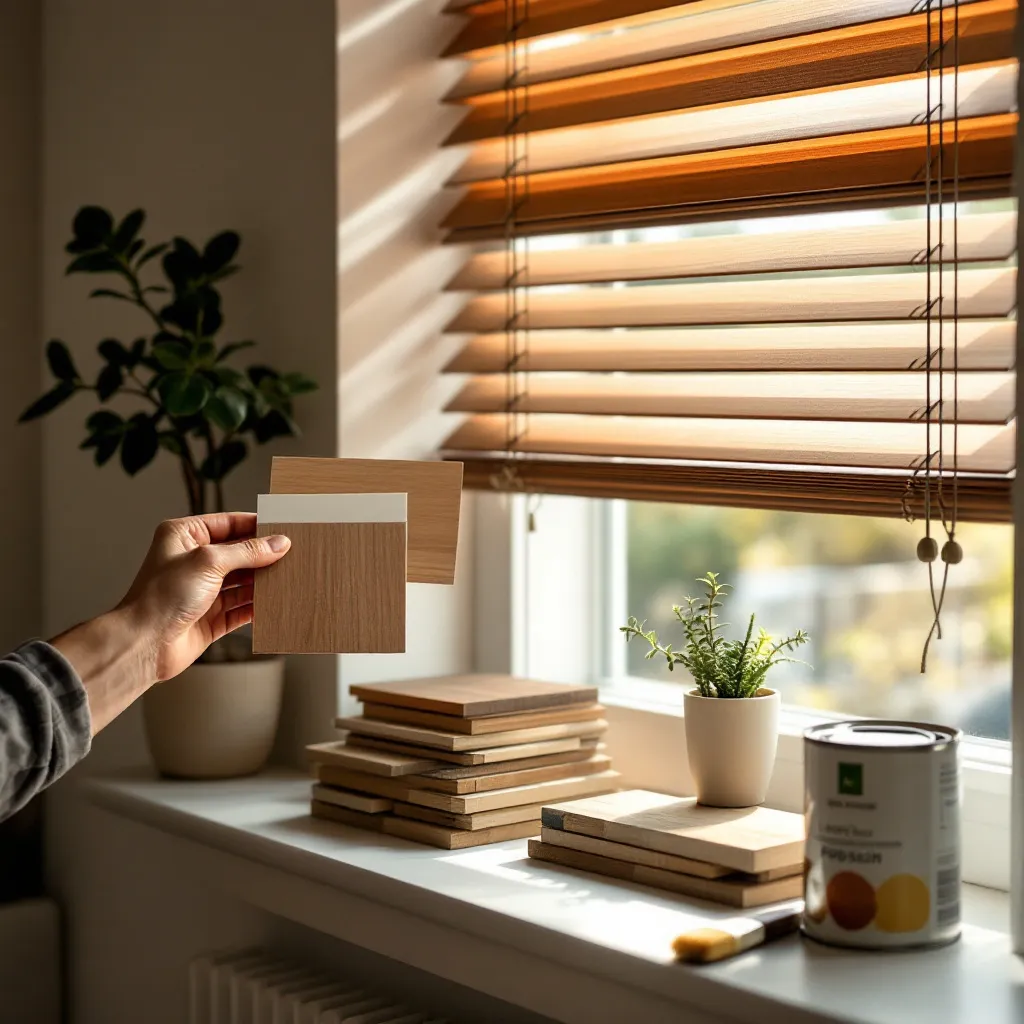
As a Simi Valley window treatment specialist I often get asked about sustainability when customers consider new coverings, and many times the conversation turns to Wood Blinds. Homeowners want attractive windows that keep homes comfortable under our Mediterranean climate while also making environmentally conscious choices. In this piece I’ll walk through the environmental impacts of wood blinds, explain sourcing and lifecycle considerations specific to Simi Valley, and offer practical, locally minded guidance for choosing and caring for them.
Wood Blinds: Materials, Sourcing, and Local Relevance
When we talk about the environmental footprint of wood blinds, the most important factors are the source of the timber and the methods used to manufacture the product. Locally, many residents are surprised to learn how much of a difference responsibly harvested lumber makes. Sustainably managed forests and certified timber reduce deforestation and preserve biodiversity. The embodied energy in natural wood tends to be lower than many synthetic materials, and when wood is sourced from well-managed forests it can be a renewable resource. In the context of Simi Valley and Ventura County, selecting wood that has been certified or comes from suppliers with transparent sourcing practices helps ensure that your window treatments support long-term ecosystem health.
Durability, Lifespan, and Carbon Footprint
Durability is crucial to environmental performance. A well-made wood blind that lasts for decades has a much smaller annual carbon footprint than a cheaper product that needs replacement frequently. Wood’s natural strength makes it resistant to warping in the dry heat we experience here, provided the blinds are properly finished and installed. Longer lifespan means less material waste and fewer manufacturing cycles over time. Additionally, when wood is reclaimed or repurposed at the end of its service, the carbon stored in the timber remains out of the atmosphere longer, which is an environmental plus.
Finishes, Indoor Air Quality, and Maintenance
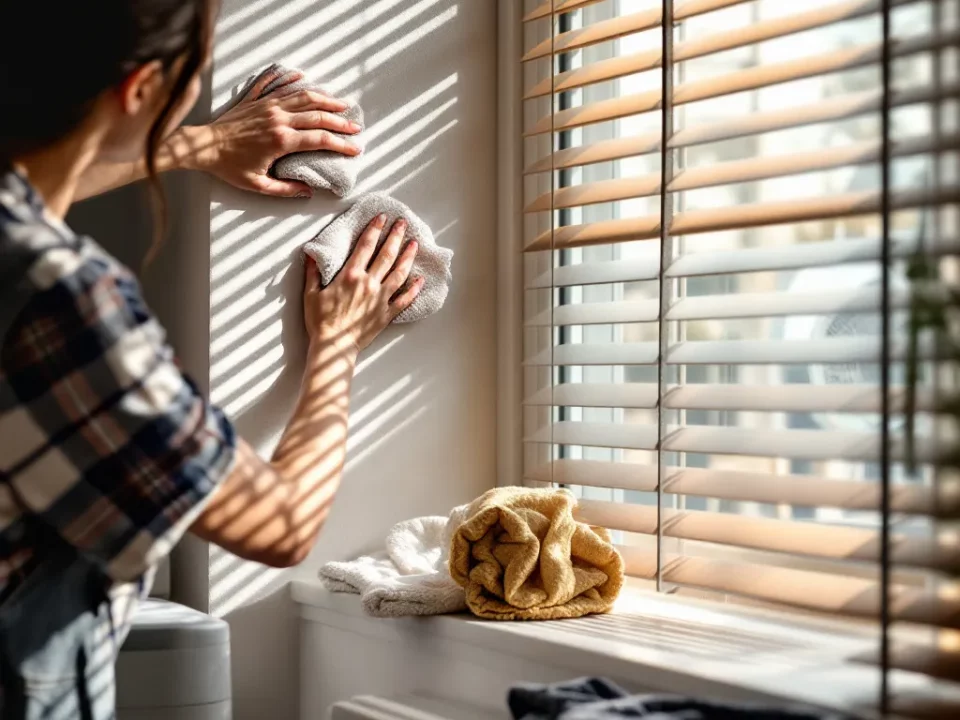
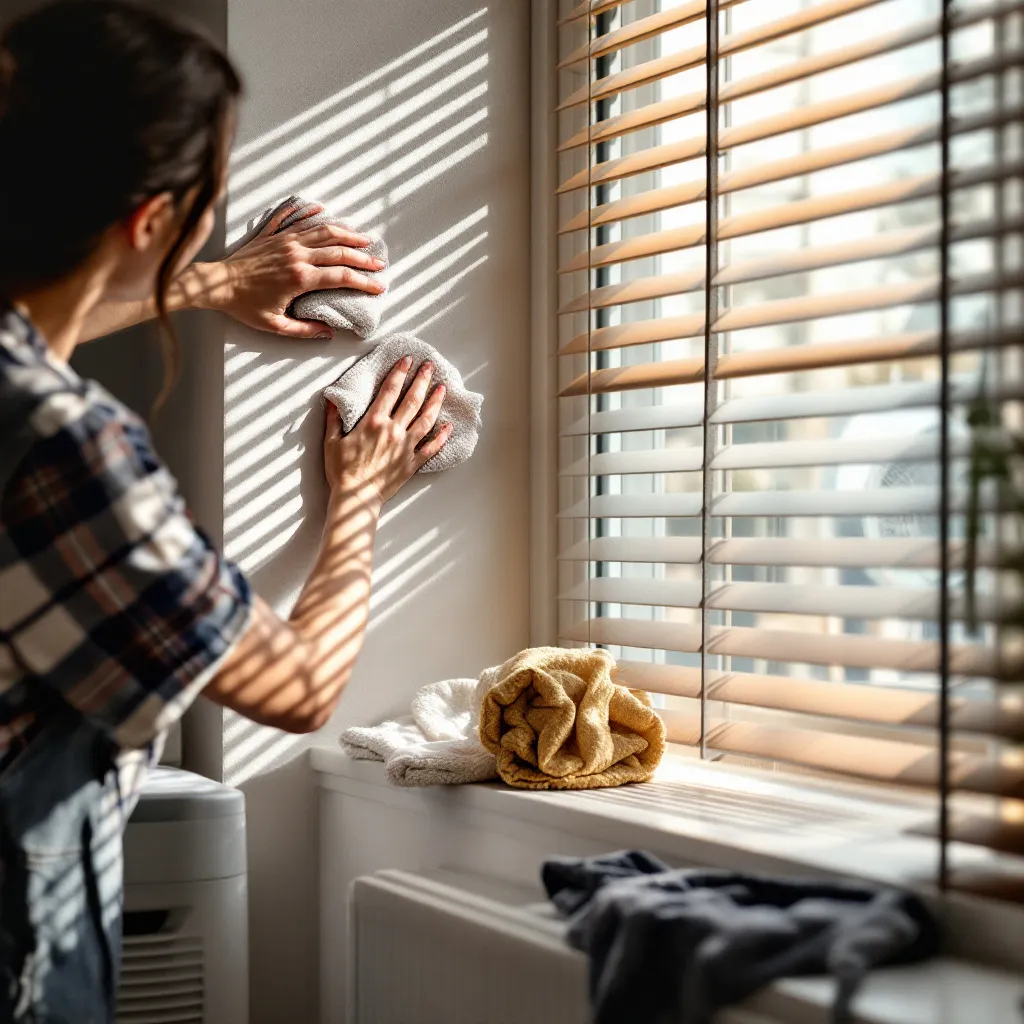
Another environmental and health consideration is the type of finishes and stains used on wood blinds. Low-VOC or water-based finishes improve indoor air quality and are preferable for homes with children, pets, or allergy concerns. Regular, gentle maintenance—dusting, occasional light cleaning, and keeping blinds out of prolonged direct moisture exposure—keeps finishes intact and extends useful life. In Simi Valley’s dry climate, proper care is relatively straightforward, and a well-maintained set of wood blinds can provide years of service while minimizing chemical off-gassing and the need for replacement.
Energy Efficiency and Climate Comfort
Wood blinds play a part in passive energy management by blocking strong late-afternoon sun in the warmer months and providing a degree of insulation in cooler weather. While they are not the sole solution for energy conservation, pairing wood blinds with other measures—like weatherstripping, insulated windows, or cellular shades—can improve overall home efficiency. In practical terms for Simi Valley homeowners, shading that reduces heat gain in summer reduces air conditioning demand and associated greenhouse gas emissions, so the choice of window treatment contributes indirectly to a household’s environmental profile.
Disposal, Recycling, and Responsible Choices
When wood blinds reach the end of their life, disposal and recycling options matter. Solid wood slats without heavy synthetic coatings are easier to repurpose or recycle than composite products. Avoiding blinds that mix complex plastics or non-recyclable laminates will make end-of-life management simpler. Donating gently used blinds or finding local woodworkers who can repurpose slats are practical, lower-impact disposal routes. As a local business, we encourage clients to consider the full lifecycle of their window coverings before buying—starting with material choice through to responsible disposal.
For many homeowners balancing aesthetics and sustainability, there’s a practical middle ground. Choosing quality wood, selecting low-VOC finishes, committing to routine maintenance, and supporting suppliers who are transparent about sourcing will collectively reduce environmental impact. If you’re evaluating options and value a traditional look with good lifecycle potential, don’t overlook the benefits of selecting the right product from the start and ensuring it’s installed to perform well in our local climate.
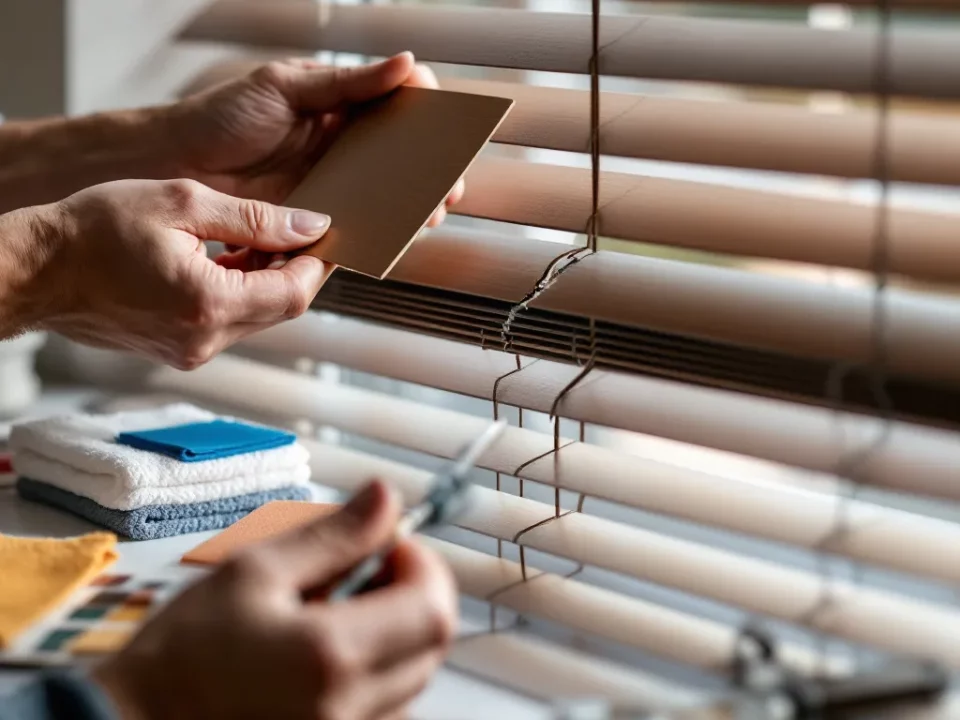
Midway through a renovation or replacement project I often recommend clients consider the specific performance of their chosen style; if the warmth and texture of wood are important, we can show samples and installation methods that enhance longevity and reduce waste. For customers who want to see real examples and material options I point them to trusted suppliers and product lines we work with regularly, including the classic selection of Wood Blinds that balance beauty with responsible manufacturing.
Common Concerns and Trade-offs
There are trade-offs to consider: solid wood blinds are heavier and sometimes require sturdier headrails, and certain species need better finishes to resist sunlight. Composite or faux-wood alternatives may offer moisture resistance and cost advantages, but they usually rely on plastics and can have higher embodied energy depending on manufacturing. Evaluating these trade-offs in the context of expected lifespan, maintenance, and end-of-life options will give a clearer picture of overall environmental impact than looking at material alone.
FAQ
Q: Are Wood Blinds a sustainable choice for Simi Valley homes? A: Wood blinds can be sustainable when the timber is sourced responsibly, finishes are low-VOC, and the product is maintained for a long service life. Local climate and proper installation also influence sustainability.
Q: How do wood blinds affect indoor air quality? A: The finish and adhesives used on blinds are the main variables. Choosing low-VOC stains and paints and airing out new blinds before full closure can minimize indoor air quality concerns.
Q: Can wood blinds be recycled or repurposed? A: Yes—solid wood slats are often repurposed for craft projects or reclaimed wood uses. Recycling depends on local facilities; donating gently used blinds is a common, low-waste option.
Q: How do wood blinds perform in our Simi Valley climate? A: With the right finish and correct installation, wood blinds perform well in our dry Mediterranean climate. They offer good light control and can help with seasonal comfort when used alongside other energy-saving measures.
If you’re ready to explore sustainably minded window treatments, we’re happy to help you weigh options, view samples, and plan an installation that prioritizes lifespan and local environmental considerations. For visual examples and product details that often match the sustainability standards we discuss, consider our selection of Wood Blinds, and reach out to schedule a consultation tailored to your home.
The Window Blind Connection
535 Hawks Bill Place, Simi Valley, CA 93065
Phone: +1 818-416-5534