

Aluminum Blinds Maintenance and Care in Simi Valley California
May 25, 2026
Essential Wood Blinds Maintenance for Simi Valley California Homes
June 3, 2026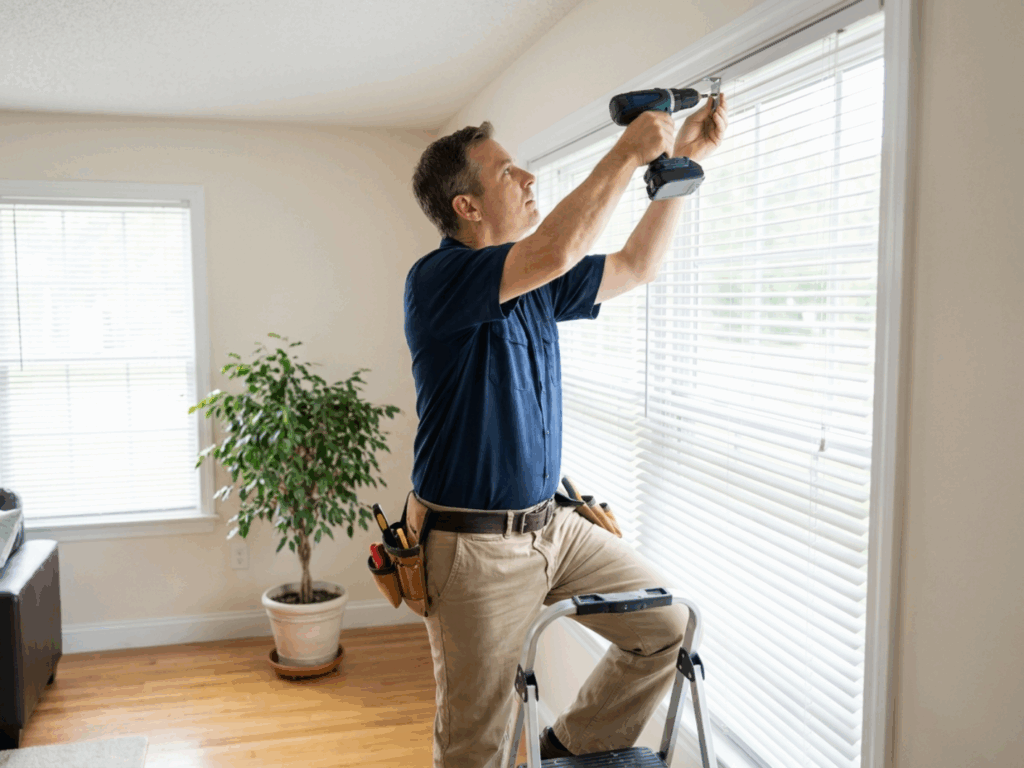
Choosing Between Aluminum and Vinyl in Simi Valley’s Light
Ask ten Simi Valley homeowners whether aluminum or vinyl blinds are better and you will hear a thoughtful mix of answers, each colored by window size, sun exposure, and how a room is used. That is as it should be; the decision lives at the intersection of performance and personality. Our climate brings bright afternoons, cool evenings, and the occasional wind that carries a fine layer of dust. In that environment, window treatments need to filter light gracefully, hold their shape, and clean up quickly. From tract homes near campus to hillside builds with wide views, I have seen both materials succeed—but they succeed differently. If you start by weighing what you feel and hear every day—the tilt motion, the hush when you raise the blinds, the pattern of light across the floor—you will land on a choice that fits. For many, well-specified aluminum blinds set the standard, but vinyl remains a valid contender in very specific contexts.
The conversation begins with heat and sun. Aluminum’s natural stiffness resists sagging when the sun bears down, keeping slats level and crisp. Vinyl, being softer, can relax over time on the hottest exposures, especially in wider spans. In moderate light, that softness reads as quiet and unassuming; in high heat, it can struggle to keep lines straight. Consider also the lived-in soundtrack of your home. Aluminum, when paired with a quality headrail and precise install, operates with a subtle, satisfying click and minimal rattle. Vinyl is inherently quieter on contact but can develop a slight flexing sound if slats rub during lift. These distinctions are small in the showroom and unmistakable by month three in your own rooms.
Durability and Shape Retention Over the Years
Durability is not only about the day a product is installed; it is about year three when the morning sun still hits the same way and the guest room blinds still lift level without coaxing. Aluminum’s edge is its memory—it wants to return to true. A slat that experiences a small bump can often be nudged back with calm hands. Vinyl, by contrast, can warp or cup when heated repeatedly, and once that shape changes, it is difficult to reclaim the original line. In Simi Valley’s brighter rooms, aluminum maintains a tidy façade longer, while vinyl asks you to be a little gentler about proximity to heat and direct sun.
Hardware matters in this story. Strong headrails and sturdy brackets keep either material honest. An installer who understands the micro-flex of each material will tighten or shim accordingly so that slats track in smooth parallel and the bottom rail parks perfectly each time you raise it. Those mechanical virtues are what you feel at 7 a.m. when you tilt to welcome the day and everything just works.
Light Control, Privacy, and the Pattern on Your Floors
Both materials tilt to control light, but the character of the light can differ. Aluminum’s rigid slats close with a crisp, predictable overlap, creating a clean block when you want privacy and a narrow, even beam when you want sparkle. Vinyl’s softer edges can diffuse light gently, which some homeowners love in bedrooms or dens, but that softness can also allow a touch more glow at the seams when full privacy is desired. If you face the street or a neighbor’s second story, you may appreciate the assurance that aluminum offers when slats are fully closed. In inward-facing rooms where a tender light is welcome, vinyl can read as cozy and forgiving.
Glare control matters in home offices and living rooms where screens compete with sun. Aluminum tends to be the more decisive partner here—one quick tilt and the glare is handled. Vinyl can do this too, but you may find yourself fine-tuning more often to land on that perfect angle. The difference is subtle, but you feel it when you are racing a deadline or settling in for a quiet afternoon stream of a game.
Cleaning, Care, and the Realities of Dust
Cleaning in Simi Valley follows a simple rhythm: dust, then occasionally wipe. Aluminum is the friend who shrugs off dust and looks fresh after a minute with a microfiber cloth. It handles the aftermath of Santa Ana winds with grace and does not absorb residue from a steamy bath or a busy kitchen. Vinyl is low-maintenance, too, but it can hold onto static and collect dust a bit more readily, which means you may clean a touch more often to keep that matte, even tone. When grease or fingerprints do appear, both materials respond to a damp, soapy cloth, but you will want to be a tad gentler with vinyl to avoid stretching a slat as you wipe.
Long-term, aluminum’s harder finish wears its years a little more elegantly in high-touch spaces. Vinyl remains a good choice in rooms that see gentler use or where you prefer the slightly softer look. The right care routine makes either material a sound partner; the difference is in how forgiving each is when routine slides during a busy season.
Noise, Tactility, and Daily Feel
Open and close a set of blinds ten thousand times, and the small things become the big things. Aluminum, put simply, feels engineered. Tilt is linearly smooth, lift is straightforward, and the stop at level has that subtle, mechanical rightness. Vinyl feels softer in hand and can be whisper-quiet on first install, but any slight misalignment in brackets or cords tends to present as a faint squeak or friction over time. The choice becomes about what you want your hands and ears to experience each day—decisive and crisp or soft and subdued. Many Simi homeowners prefer the confident feel of aluminum in busy spaces and save vinyl for rooms where a gentle presence is the goal.
If you value cordless operation, both materials support it, though aluminum headrails often pack sturdier springs and guides. For motorization, aluminum tends to pair beautifully with compact, long-lived motors that lift without strain, especially on taller or wider windows. Vinyl can be motorized, but attention to weight and span keeps performance consistent.
Style, Finish, and How Each Material Talks to Your Architecture
We live among stucco, stone, and clean-lined remodels, often with black or bronze hardware and soft, neutral walls. Aluminum’s finish options slide easily into that palette. Matte whites and grays play well with quartz counters and porcelain tile, while anodized metallics echo appliance handles and door levers for a subtle, modern cohesion. Vinyl offers an inviting, muted sheen that suits cozy bedrooms and dens, with warm whites and creams that feel relaxed. The question is not which palette is broader, but which palette is truer to the rooms you inhabit most. When blinds visually recede, the view outside and the furnishings inside take the lead.
Consider also the silhouette. Aluminum’s slimmer, crisper slat reads minimal and architectural. Vinyl, slightly thicker by nature, reads gentler. On a north-facing family room where light is even, vinyl’s calm presence can be charming. On a south or west façade where light is bolder, aluminum’s discipline keeps the scene composed. Many homeowners mix materials across a house, but if you prefer uniformity, aluminum’s versatility across lighting conditions gives it a quiet advantage.
Heat, Humidity, and the Science of Staying True
Simi Valley’s heat peaks seasonally, and inside temperatures rise near glass even in well-insulated homes. Aluminum’s coefficient of expansion is low enough that you will not see meaningful shape change during the day. Vinyl expands more in heat, which can make a tight inside mount less forgiving; slats may touch at the edges and create minor drag. In bathrooms and kitchens where humidity spikes, aluminum again holds steady. Vinyl is moisture-tolerant, too, but in a steamy primary bath, the combined effect of heat and humidity can accelerate a subtle softening of shape over time. None of this is catastrophic—these are fine points you feel in operation, not failures—but they are real and worth weighing.
For families who throw open windows in the evening, airflow across slats creates motion and, sometimes, a faint rattle. A well-built aluminum system minimizes this, as tolerances are tighter and headrails sturdier. Vinyl’s softer edges may flutter quietly. If nighttime serenity is a priority, test both in the actual room and listen.
Environmental Considerations and Lifecycle
Responsibility is part of the modern homeowner’s brief. Aluminum is readily recyclable, and many lines use a proportion of recycled content without sacrificing strength. Vinyl can be recycled in certain streams, but programs are less common, and formulations vary. From a durability standpoint, aluminum’s longer service life in high-sun rooms often means fewer replacements across the years. The greenest product is often the one you do not have to replace, and the one that works so well you choose to maintain it rather than swap it out.
Care routines influence sustainability, too. Because aluminum shrugs off dust and residue with minimal effort, you are less likely to reach for harsher cleaners. Simple, gentle methods keep indoor air fresher and your blinds happier.
Installation Nuance: Brackets, Deductions, and Alignment
A precise installation makes either material sing. Aluminum’s rigidity rewards small, exact deductions for inside mounts; light-blocking improves and motion quiets. Vinyl benefits from an installer who anticipates expansion and leaves a touch more breathing room. Bracket choice and headrail design vary by line, but experienced hands know how to achieve parallel slat travel and a dead-level bottom rail. These are details you will not see but will absolutely feel. On bay or corner windows, alignment between adjacent blinds becomes a design statement; aluminum’s predictability makes that alignment easier to maintain across seasons.
For tall windows, especially in stairwells or great rooms, motors simplify daily life. Aluminum’s lighter weight per stiffness helps motors run effortlessly over time. With vinyl, selecting shorter spans or splitting wide openings can keep things running smoothly.
When Aluminum Clearly Wins—and When Vinyl Makes Sense
In Simi Valley’s brightest rooms—west-facing living areas, home offices with screen work, kitchens where heat and steam mingle—aluminum tends to be the better long-term partner. It holds its lines, controls glare decisively, and cleans with a light touch. It pairs beautifully with modern finishes and, when motorized, behaves like part of the home’s quiet infrastructure. Vinyl, however, makes sense in spaces that crave softness and see gentler use: guest rooms, north-facing dens, or nurseries where a calm, diffuse light is preferred and high heat is not a daily factor. It can be a cost-conscious way to finish secondary spaces while reserving aluminum for the workhorse rooms.
Some homeowners mix intentionally: aluminum in the living core and vinyl in a few restful corners. If you choose that route, match color and valance style so the house reads cohesive. Operation methods—cordless here, motorized there—can vary by need as long as the visual language holds steady.
Testing in Your Own Light and Making the Call
There is no substitute for seeing samples in your rooms at the times you actually use them. Hold an aluminum slat and a vinyl slat at the window at 4 p.m. when the Simi sun is most assertive, and you will feel the difference. Tilt them slowly and watch the pattern on your floors, then listen to the quiet when you tap the bottom rail. These are the everyday truths no brochure can convey. If you already feel drawn to disciplined lines and effortless cleaning, explore the range of quality aluminum blinds available; if you crave a gentle, diffused presence and your rooms run cool, vinyl might be right for a few spaces.
Either way, lean on local expertise. An installer who has measured corners in Wood Ranch and nurseries near the town center will know how your frames read, where dust settles, and what finishes age gracefully in our light. They will also plan bracket placements that respect your trim and align headrails so the whole house feels intentionally built.
Myths, Misconceptions, and the Real Story
One common myth says aluminum is noisy. In truth, quality headrails and tight tolerances produce a quiet system that moves with a refined hush. Another says vinyl always warps; that overstates the case. In moderate-light rooms with thoughtful spans, vinyl holds shape admirably. The reality is that both materials have contexts where they excel. Let use-case, exposure, and your sensory preferences lead the way, and you will not go wrong. The only real mistake is choosing purely by a photo without testing in your own light.
A second misconception is that once you pick a material, you are locked into a single look. Both materials offer a spectrum of colors and valance profiles. Aluminum’s palette leans modern without being severe, and vinyl’s leans relaxed without looking dated. You can achieve continuity across the home with either by staying consistent in tone and trim alignment.
FAQ
Which material handles Simi Valley’s afternoon sun best?
Aluminum holds its lines under heat and bright light, delivering decisive glare control and a crisp close for privacy. Vinyl can perform well in moderate exposures but may soften in the hottest windows over time. Test both at your sunniest window to see the difference in your setting.
What about cleaning—does one require more effort?
Both are easy. Aluminum tends to need slightly less attention because dust wipes away quickly and finishes are tough. Vinyl can attract a touch more dust and benefits from gentler wiping to avoid stretching slats. In kitchens and baths, aluminum’s finish has a small edge for long-term clarity.
Is noise really an issue with aluminum blinds?
Not with a quality system and proper install. Modern headrails and precise brackets minimize movement and rattle. What you hear is usually a soft click and the whisper of slats settling into place—nothing intrusive, even when windows are open on a breezy evening.
Can both materials be cordless or motorized?
Yes. Cordless works well with either when paired with good components. Motorization is especially graceful with aluminum, which stays true over wide spans and puts less strain on compact motors. With vinyl, keeping spans modest preserves smooth performance.
Will either material discolor over time?
Quality coatings on aluminum resist UV and stay true with basic care. Vinyl also holds color well in moderate light. Prolonged, intense sun plus heat can age vinyl faster, so placement matters. Regular dusting and gentle cleaning protect both finishes.
Is it reasonable to mix materials in one home?
Yes, many homeowners do. Keep colors and valance styles consistent so rooms flow visually, and assign each material where it excels. Aluminum for high-sun, high-use spaces; vinyl for cool, quiet corners where a softer presence shines.
How important is installation to this choice?
Critical. A precise install elevates any material. With aluminum, tight tolerances reward accuracy; with vinyl, awareness of expansion keeps motion smooth. Experienced local installers bring the judgment that turns a good product into a great daily experience.
Ready to See and Feel the Difference?
The best choice is the one that delights you every day in your actual rooms. Hold samples to the window, tilt them in real Simi light, and listen to the quiet of a well-made system. If disciplined lines, lasting shape, and easy care speak to you, explore the breadth of modern aluminum blinds and schedule a friendly in-home consultation. With local insight guiding selection and installation, your windows will look and live exactly as you imagined.