

Average Aluminum Blinds Installation Cost in Simi Valley California
May 18, 2026
Aluminum Blinds Vs Vinyl Which Is Better in Simi Valley California
May 25, 2026
Everyday Care for Aluminum Blinds in Simi Valley Homes
In Simi Valley, home life moves with the sun. Morning light drifts softly through east-facing windows, afternoons grow bright, and some evenings bring a gentle breeze carrying a trace of the hillside. Aluminum blinds thrive in this rhythm, but like anything used daily, they reward a little attention. The good news is that care is simple and fast when done consistently. Whether you are in a ranch near Sycamore or a two-story tucked along Cochran, a few steady habits will keep your blinds operating quietly and looking freshly installed. Start with the essentials: an occasional lift-and-tilt to prevent set-in dust, and a quick dusting pass during your normal house routine. If you are just choosing treatments for the first time, know that quality aluminum blinds ask little of you, and they give a lot back in clean lines and controlled light.
The simplest routine takes less than a minute per window. Close the slats, hold the bottom rail gently for support, and sweep with a dry microfiber cloth from center to edges. Then tilt the slats in the opposite direction and repeat. If you prefer, a soft brush vacuum attachment set on low power will do the job without tugging cords or ladder strings. By touching the blinds briefly once a week or every other week—especially after a windy day—you prevent grit from migrating into tilt mechanisms and keep the finish crisp.
Dealing With Dust, Pollen, and the Santa Ana Effect
We know the routine: a particularly lively Santa Ana wind leaves a subtle film across surfaces, windows included. Aluminum slats handle that just fine, but timing your dusting matters. Let the air settle before cleaning; if you try to wipe while dust is still moving, you can redeposit particles and create light streaks. When calm returns, a gentle dust followed by a slightly damp microfiber pass restores the surface. Always wring out your cloth thoroughly—excess water isn’t helpful and can leave drip marks where slats overlap.
Pollen season adds a different layer—a faint yellow-green haze that can cling. For that, a mild solution of water with a drop of gentle dish soap applied to a cloth works wonders. Avoid spraying cleaner directly onto the blinds; misting can push moisture into the headrail where it is not needed. Instead, dampen the cloth, wipe with light pressure, then immediately follow with a dry cloth to remove residual moisture. This two-step prevents streaking and keeps tilt components content.
Kitchen and Bath Realities: Grease, Steam, and Spots
Aluminum blinds shine in kitchens and baths because they do not swell or warp, but they do see more residue. Near a cooktop, a thin film can slowly build. Tackle it before it thickens. A microfiber cloth lightly moistened with warm water and a tiny dab of gentle soap breaks down the film without scratching the finish. Work in the direction of the slat to minimize pressure on ladder strings. In bathrooms, steam carries minerals from water vapor that may leave faint spots. A quick wipe after a steamy shower—think of it like squeegeeing glass—keeps surfaces clear and bright. Good ventilation is your ally: crack a window, run the fan, and the blinds will dry quickly.
For stubborn spots, patience beats force. Let the damp cloth rest on the area for a few seconds so the residue softens, then wipe. If a mark persists, try a clean cloth. What you want to avoid are abrasive pads, harsh solvents, or aggressive scrubbing that could mar the protective coating. The goal is clarity without drama—motors and tilt gears do their best work when the surroundings are calm.
Correcting Minor Bends and Keeping Slats True
Life happens. A pet jumps onto a sill, someone closes a window too quickly, or a toy bumps the bottom rail. One of aluminum’s virtues is resilience. Minor bends in a slat can often be coaxed back. Support the slat on both sides of the bend with your fingers, then gently ease the metal toward flat using light, even pressure. Work in tiny increments and stop the moment the line improves; over-correcting can create a waviness that reflects light unevenly. If a slat is deeply creased, it is kinder to the eye to replace it rather than to chase perfection. Many lines offer replacement slats, and a local pro can swap them discreetly.
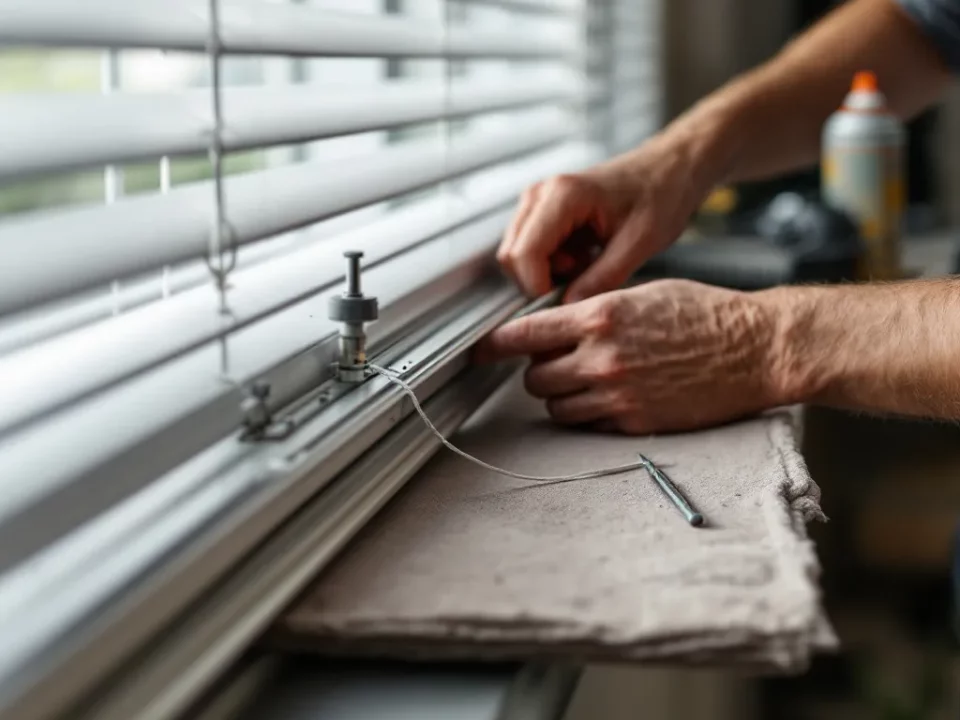
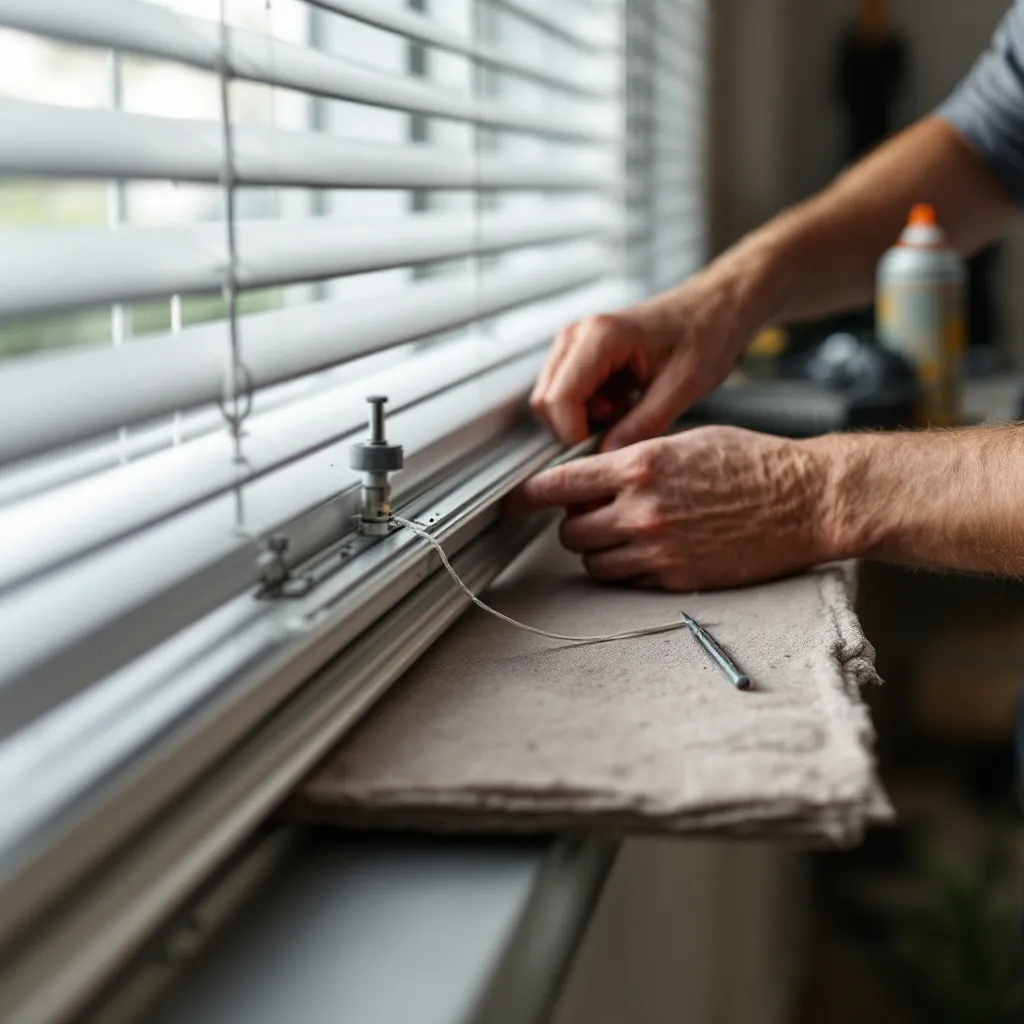
Keeping things true starts with the headrail and bracket alignment. If the blinds were installed level and the brackets are secure, the lift and tilt will stay smooth. Should you ever notice a persistent lean, inspect the mounting screws to ensure they have not loosened from frequent use or vibration. Tightening a quarter-turn often resolves the issue, restoring that day-one symmetry.
Corded, Cordless, and Motorized: Operation Habits That Extend Life
Operate your blinds as they were designed to be used, and they will reward you with years of easy motion. For standard lift cords, always tilt the slats open before raising; this reduces friction and keeps ladder strings from wearing prematurely. Raise and lower in a steady motion rather than quick jerks, and guide the bottom rail so it parks level. For cordless systems, raise by placing your hands near the middle of the bottom rail and lift evenly. If you find you need more force than usual, stop and check for an obstruction or a slightly skewed slat.
Motorized lifts are a joy, particularly in tall windows or stairwells. Keep batteries fresh or, if hardwired, ensure your power supply is stable. If operation starts to feel labored, do not force it; motors may be signaling a simple need—fresh batteries, a recalibration, or a minor alignment touch. Most systems have straightforward reset procedures, and a quick consult with a local technician can restore smooth motion in minutes.
Finish Care: Painted and Anodized Surfaces
Modern aluminum blinds come in robust finishes. Painted surfaces appreciate gentle care: dust, then wipe with a barely damp cloth as needed. Anodized finishes—those subtle metallics that pair beautifully with contemporary hardware—are similarly simple to maintain but can show fingerprints more readily if touched often. Wipe in long, light strokes rather than tight circles to keep the sheen uniform. Avoid silicone-based polishes and oil sprays; they promise shine but can leave films that attract dust and complicate later cleaning.
Sun exposure in Simi Valley is intense at times, but quality coatings are formulated to hold color. If you ever notice a dull patch where a curtain or plant rubbed, clean first; residue often mimics fading. True finish wear is rare and usually points to years of joyful use. Caring consistently prevents nearly all cosmetic concerns.
Seasonal Deep Cleaning Without the Hassle
Think of deep cleaning as a light reset rather than a big event. Choose a calm morning. Lower the blinds fully and close the slats flat toward you. Dust thoroughly, then flip the tilt and repeat. If the blinds need more love, support the bottom rail and gently lift to expose the sill and headrail area; removing grit there prevents it from raining back down later. For a more thorough wash, some homeowners like to remove the blinds from the brackets. If you do, lay them on a clean towel, wipe each slat with a damp cloth, and dry right away. Rehang carefully, ensuring the headrail clips seat fully and the valance returns to a snug, aligned position.
Because aluminum resists moisture, a measured wash is safe, but keep water out of the headrail and tilt mechanisms. Your goal is a quiet refresh, not a soaking. Once back in place, cycle the tilt and lift a few times; you will hear and feel the difference, that satisfying hush that says the system is clean and content.
Troubleshooting: Tilt, Lift, and Alignment
If a tilt wand turns but the slats resist, stop and check for a slat that has hopped a ladder string. Gently guide it back into alignment with your fingertips, then test again. A slight misalignment can cascade through the stack, so work from the trouble spot outward. For lift systems that feel uneven, lower the blinds fully, then raise them smoothly, guiding the bottom rail level with both hands. This simple reset often evens cord tension. If problems persist, a quick professional visit can recalibrate cords or swap a tired component.
Valances and end caps also deserve a look now and then. These light pieces contribute to the finished look and keep dust from sneaking into the headrail. If a clip loosens, it is usually a matter of reseating or, if brittle from age, replacing the tiny part. Keeping a small envelope of spare clips in a drawer turns a minor hiccup into a two-minute fix.
Child and Pet Safety in Daily Use
Many Simi Valley households choose cordless controls as a baseline. If yours are corded, place cleats high and wrap cords neatly when blinds are open. Teach children to tilt rather than tug and to raise with a slow, even motion. Pets are curious by nature; lifting blinds an inch above a favored sill can discourage nosing and reduce contact with slats. Aluminum’s resilience helps, but the real win is shaping habits that keep every family member safe and the blinds pristine.
For rooms where little hands explore constantly—playrooms, shared bedrooms—consider upgrading to cordless or even motorized controls during your next refresh. Unified controls across rooms simplify life and reduce the chance of misuse, and the look is wonderfully streamlined.
When to Call a Pro and When to DIY
Most routine care is easily DIY. Call a pro when you notice persistent tilt resistance, frayed ladder strings, a headrail that will not seat securely, or slats that show patterned dents across a section. These signs suggest a component has reached the end of its service life or needs a precise adjustment. A professional can often rehabilitate the system on-site in short order, returning that smooth, near-silent motion you enjoyed on day one.
If you are contemplating an aesthetic refresh while maintaining what works, explore compatible lines of aluminum blinds so finishes and components blend across rooms. Continuity is the unsung hero of a tidy house; it makes maintenance feel intuitive because every window operates and cleans the same way.
Storage, Painting, and Remodel Etiquette
Occasionally, blinds need to come down for painting or remodeling. Label each set by room and orientation (“primary bedroom, left window”) to make reinstallation painless. Wrap headrails and valances in clean paper or towels to prevent scuffs, and store flat where nothing heavy will rest on the slats. After painting, ensure trim and walls are fully cured before rehanging; soft paint can stick to valance returns or mark when brackets are tightened. A careful reinstall, followed by a gentle clean, restores that perfect, finished look.
During larger projects, ask trades to cover windows with breathable material rather than plastic that traps moisture. Aluminum does not mind humidity, but trapped vapor combined with dust makes cleanup messier than it needs to be. A little planning keeps your blinds out of harm’s way.
FAQ
How often should I clean aluminum blinds in Simi Valley?
Light dusting weekly or every other week is ideal, with a more attentive wipe after windy periods. A seasonal deep clean will keep mechanisms smooth and finishes bright. Short, regular sessions prevent buildup and make care nearly effortless.
What is the safest way to remove kitchen grease from slats?
Use a microfiber cloth dampened with warm water and a drop of mild dish soap. Wipe with light pressure along the slat direction, then dry immediately with a clean cloth. Avoid abrasive pads and heavy solvents; they are unnecessary and can dull the finish.
Can I fix a bent aluminum slat myself?
Minor bends can often be eased back by supporting the slat and applying gentle, even pressure. Stop as soon as the line improves. Deep creases are better replaced. Local pros can swap individual slats so the repair is invisible.
Do cordless systems require special maintenance?
Not beyond ordinary care. Lift evenly at the center of the bottom rail and avoid rapid jerks. If operation ever feels stiff, check for an obstruction or a slightly misaligned slat. Most issues resolve with a simple reset or small alignment touch.
Will aluminum blinds fade in Simi Valley’s sun?
Quality finishes are formulated to resist UV. Regular dusting and gentle cleaning keep color true. If a spot looks dull, clean first; residue often mimics fading. True finish wear is uncommon and typically appears only after many years of service.
Is it OK to use a vacuum on my blinds?
Yes, with a soft brush attachment and low suction. Support the bottom rail, tilt slats closed in each direction, and move slowly to avoid tugging ladders or cords. Many homeowners alternate between vacuuming and dry dusting depending on the week.
When should I call a professional for service?
Call when tilt becomes persistently stiff, cords or ladders show fraying, or the headrail will not sit level despite careful operation. These signs suggest a part needs attention. Quick professional service restores that quiet, easy motion you rely on daily.
Are aluminum blinds a good choice for bathrooms?
Absolutely. Aluminum does not swell or warp in humidity, and smooth finishes wipe clean. Pair with good ventilation and a simple wipe after steamy showers, and the blinds will stay crisp and trouble-free for years.
Bring Back the Quiet, Crisp Look You Love
Your windows set the tone of every day. If your blinds could use a reset, or if you are ready to upgrade a few rooms so care is even easier, consider how well-made aluminum blinds complement Simi Valley’s light and lifestyle. Schedule a friendly visit, learn simple habits tailored to your home, and enjoy the satisfaction that comes from smooth tilt, level lines, and a finish that looks new long after installation.