

Wood Blinds Benefits For Simi Valley California Homes And Offices
September 11, 2026
Why Custom Shutters Are Worth It in Simi Valley California
September 11, 2026
As someone who has lived and worked in Simi Valley for years, I often get asked about the environmental footprint of home products, especially window coverings. When residents ask about Wood Blinds, they want honest, practical answers about sustainability, durability, and how choices made in our Mediterranean climate affect local conservation efforts. In this article I’ll walk you through the real impacts, considerations for responsible purchases, and how to make choices that align with both style and stewardship.
Environmental Benefits of Wood Blinds
Wood blinds can be a renewable option when the timber is responsibly sourced. They offer natural insulation that helps moderate indoor temperatures, reducing reliance on heating and cooling systems—an important factor in Simi Valley where hot summers and cool winters create seasonal energy demands. Properly finished wood reflects a commitment to longevity: the longer a window covering lasts, the lower the lifecycle environmental cost compared with disposable alternatives.
Sourcing, Certifications, and What They Mean Locally
Not all wood is created equal. Certifications like FSC (Forest Stewardship Council) indicate that the timber was harvested with forest health and community impact in mind. In practice, choosing certified products supports forestry practices that matter to our region: maintaining biodiversity, protecting watersheds, and preventing unsustainable logging. Locally, that means manufacturers and retailers who prioritize certified materials help reduce the pressure on distant forests and encourage transparent supply chains.
Manufacturing and Transportation Considerations
The environmental cost of any blind includes manufacturing energy and transportation. For Simi Valley homeowners, selecting products manufactured closer to California or using companies that optimize shipping can cut emissions. Some suppliers reduce waste through efficient cutting patterns and by reclaiming sawdust or offcuts for other uses. Asking suppliers about their manufacturing processes gives you insight into the full footprint beyond the raw material.
Longevity, Maintenance, and Indoor Air Quality
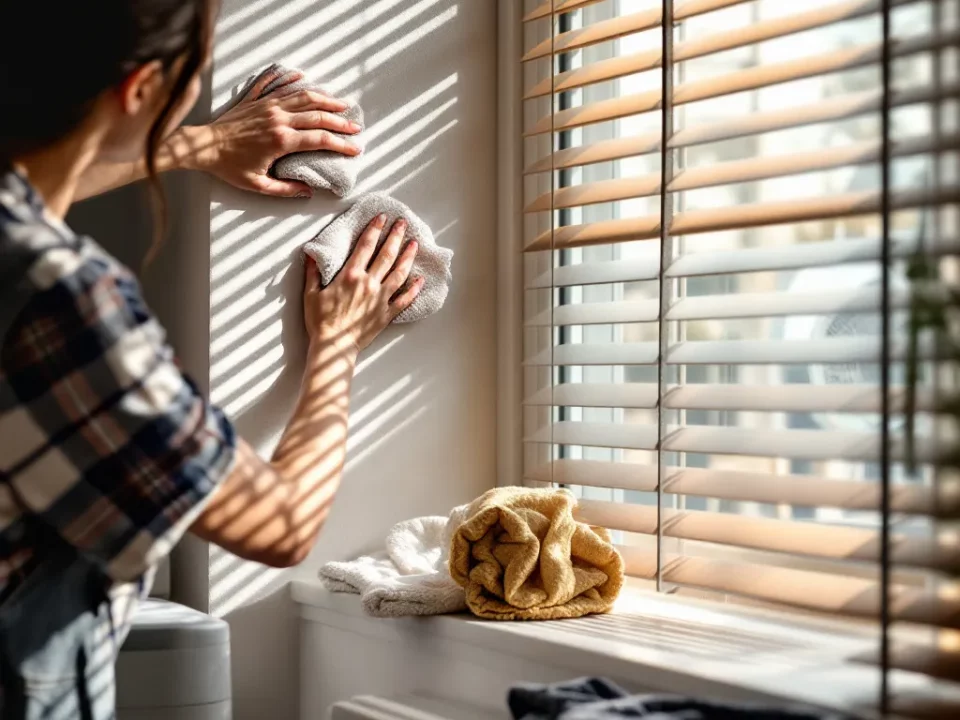
One of the sustainability advantages of wood is reparability. Scratches and wear can often be refinished rather than replaced. Regular maintenance—dusting and occasional re-coating—extends life and reduces waste. Regarding indoor air quality, look for low-VOC finishes and stains; these minimize off-gassing and are better for sensitive households. In a valley that occasionally experiences poor air quality from wildfire smoke, minimizing indoor pollutants from furnishings is a practical priority.
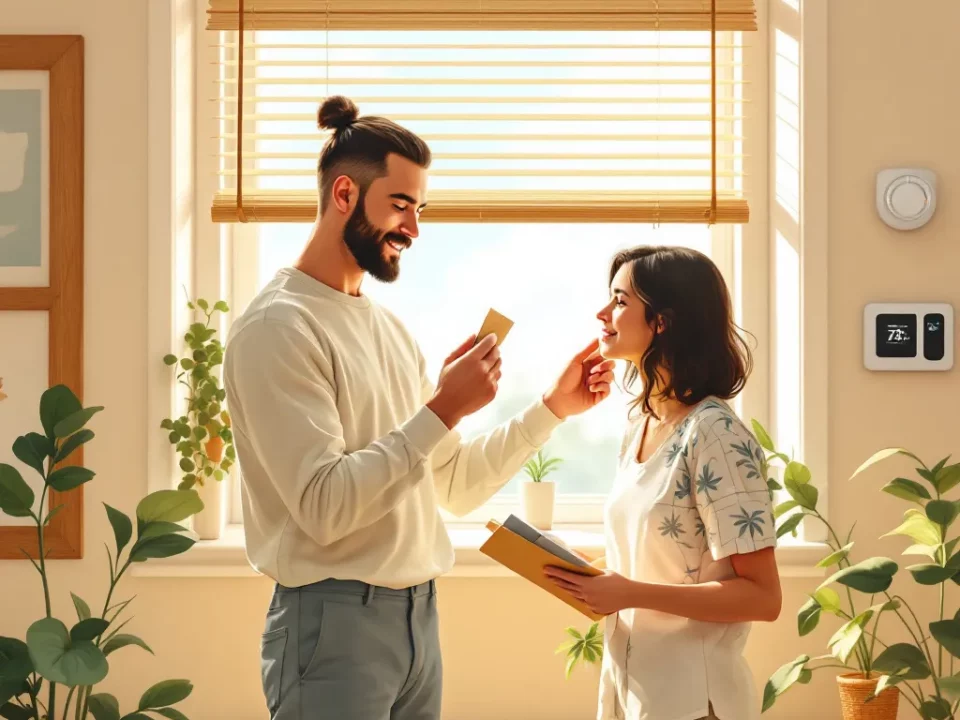
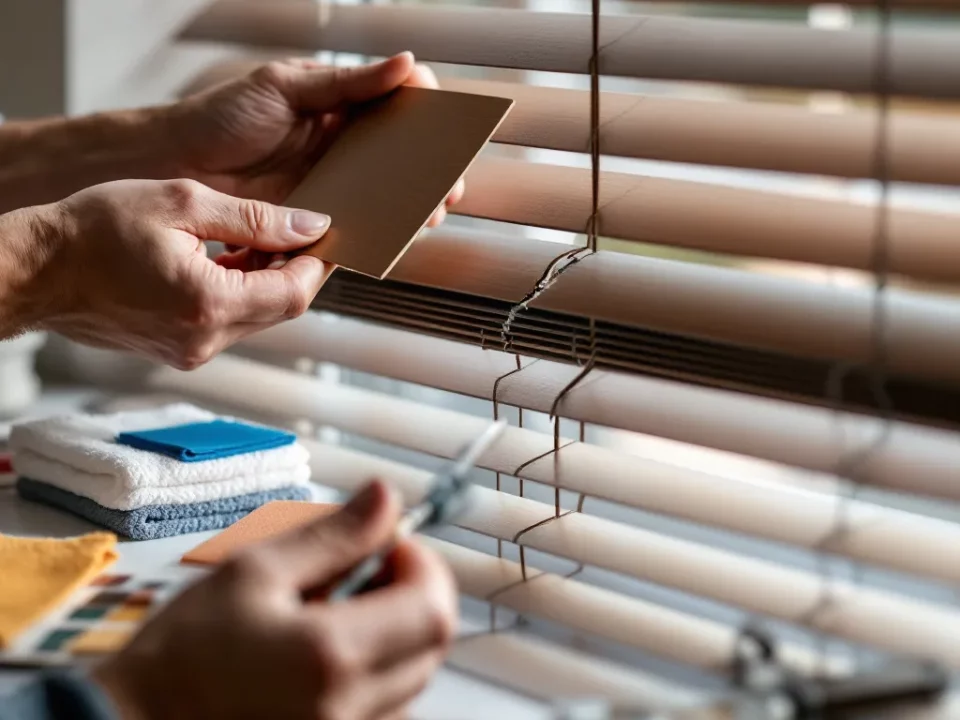
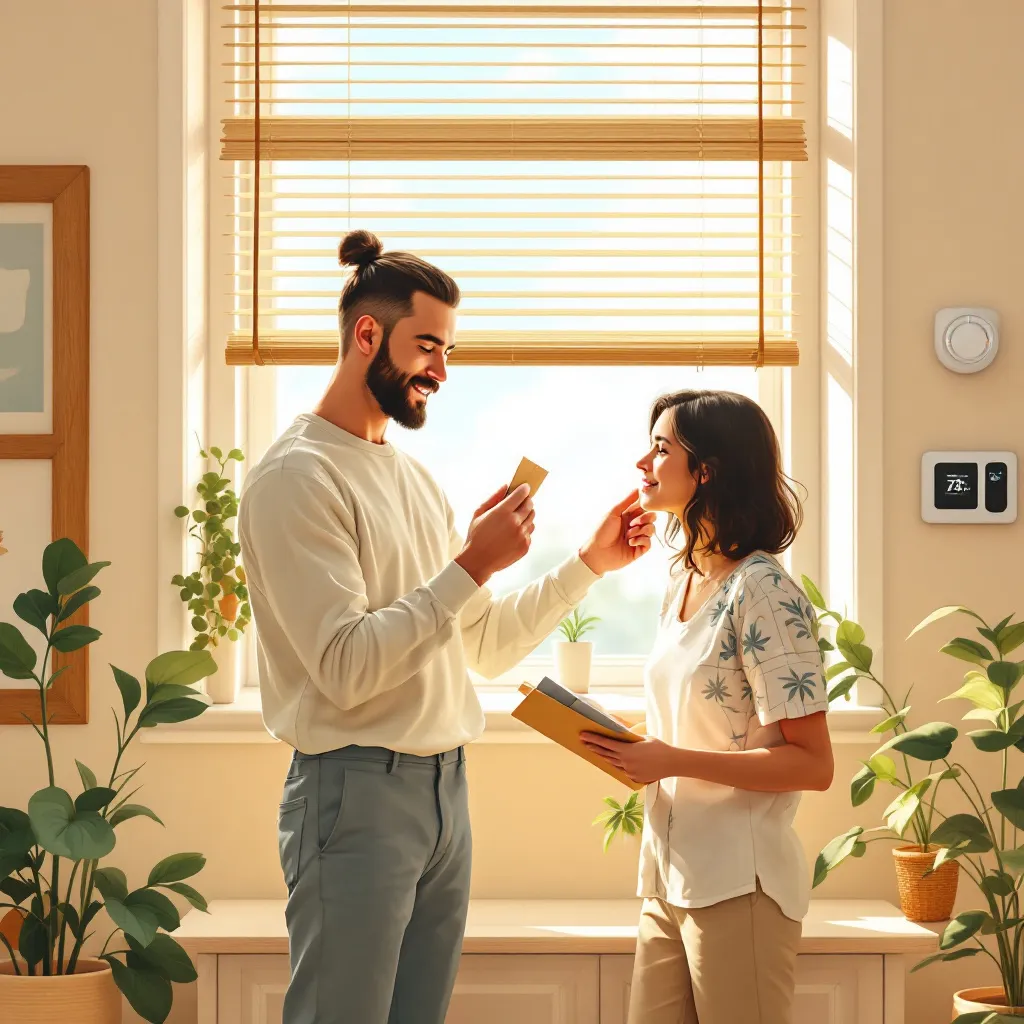
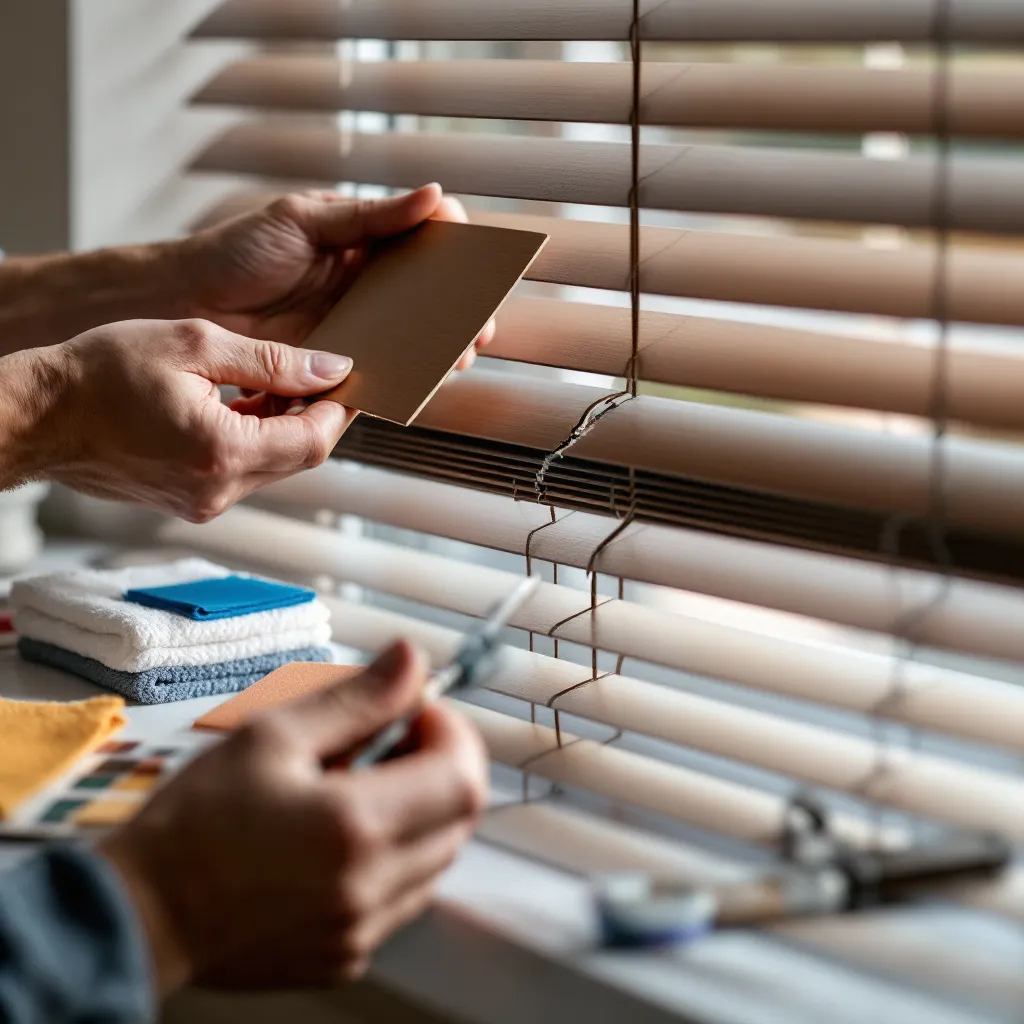
When homeowners ask me to show samples, I usually demonstrate both aesthetic and environmental points by comparing finishes, core density, and edge sealing. I also point to durable mounting hardware: a well-installed blind that functions smoothly for years avoids premature disposal.
End-of-Life: Disposal and Recycling
End-of-life choices matter. Solid wood components are more likely to be repurposed or recycled than composites coated with plastic. In many cases, wooden slats can be upcycled into craft projects or small home improvements. When recycling facilities won’t accept treated or composite materials, responsible disposal becomes harder. That’s why I encourage selecting untreated or minimally treated wood when practical, and confirming end-of-life options before purchase.
Design Choices That Reduce Environmental Impact
Design decisions—like choosing wider slats that allow more natural light control or selecting hardware that supports easy repair—can influence overall sustainability. Light-colored finishes can reflect heat, helping lower cooling loads in warmer months. Pairing interior shades with insulated window treatments can further improve thermal performance, which benefits both energy bills and carbon footprint over the life of the product.
I also recommend customers consider the full-window system. Sometimes combining shades and blinds or adding side channels dramatically improves performance, meaning fewer replacements and a smaller long-term footprint.
Practical Local Experience: What Simi Valley Homeowners Prefer
In Simi Valley, people tend to prefer durable materials that withstand sun exposure. Properly sealed wood can resist fading and maintain integrity for years. For those who want the look of natural wood but need higher moisture resistance in specific rooms, there are engineered options—though it’s worth balancing engineered materials’ recyclability against their performance benefits.
Frequently Asked Questions
Q: Are Wood Blinds environmentally friendly? A: Wood blinds can be environmentally friendly when made from responsibly sourced timber and finished with low-VOC products. Longevity and repairability also contribute to a lower lifecycle impact.
Q: How do wood blinds hold up in the Simi Valley climate? A: With proper sealing and maintenance, wood blinds perform well in our Mediterranean climate. Avoid placing untreated wood in areas with high humidity or direct, prolonged sun without UV protection.
Q: Can wood blinds be recycled? A: Solid wood components are easier to recycle or repurpose. Composites or heavily treated pieces may be harder to recycle, so check materials before buying.
Q: Should I choose solid wood or engineered wood? A: Solid wood offers classic appearance and easier repair; engineered wood may resist warping better in varied conditions. Consider the room, sun exposure, and your preference for long-term repairability.
Next Steps for Your Home
If you’re evaluating options for your windows, I encourage an in-person look at samples and finishes so you can weigh beauty against environmental impact. For many homeowners here, the balance comes down to responsible sourcing, low-VOC finishes, and installation that supports longevity. To see real examples and material options, visit our selection of Wood Blinds and compare finishes under natural light—this one step clarifies how a choice will age in your home.
Ready to move forward? I’m happy to advise on matching materials to your home’s orientation, the local microclimate, and your long-term sustainability goals. For tailored recommendations and to view installations, stop by or call—our team can help you select Wood Blinds that balance style with environmental responsibility.
The Window Blind Connection
535 Hawks Bill Place, Simi Valley, CA 93065
Phone: +1 818-416-5534