
Energy And Style Benefits Of Wood Blinds In Simi Valley California
August 17, 2026
Reliable Vertical Blinds Repair Services in Simi Valley California
August 24, 2026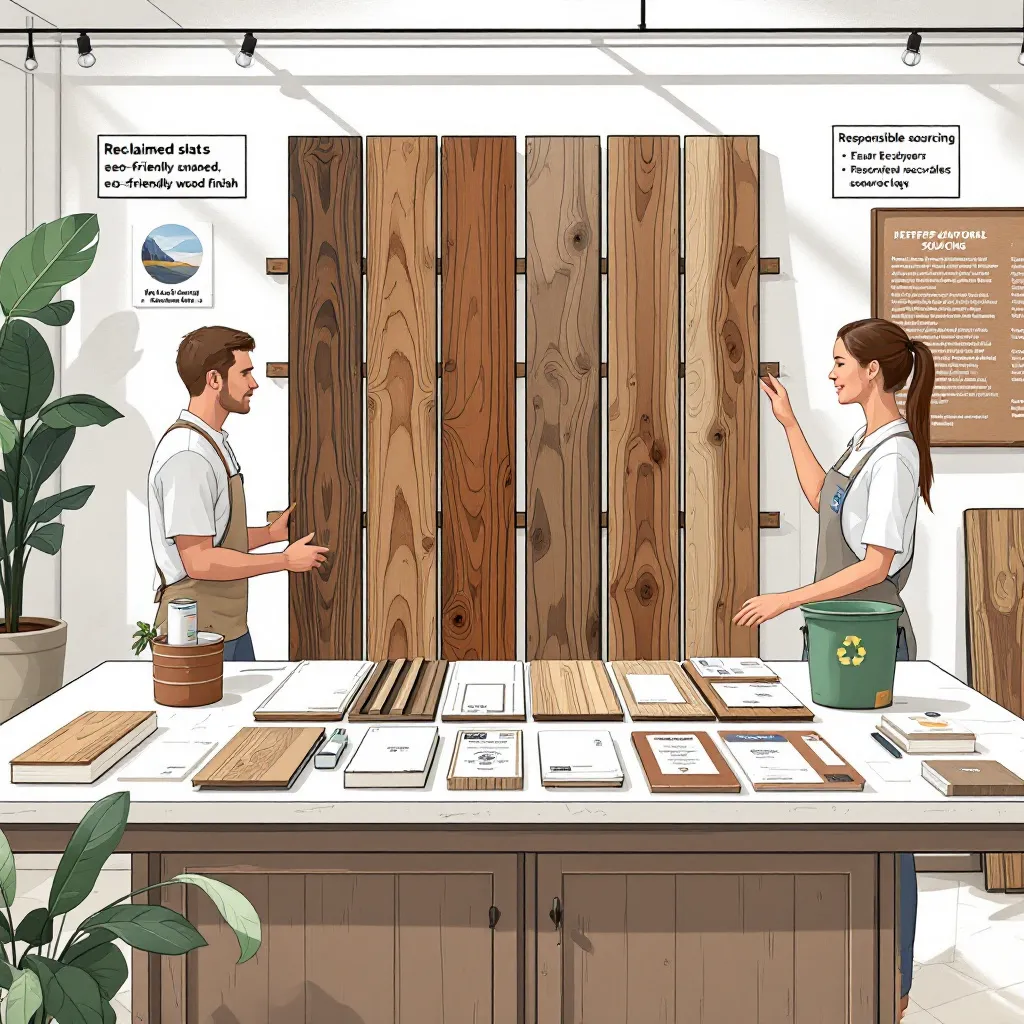
As a window treatment specialist who has spent years fitting homes across Simi Valley, I often get asked how different options stack up environmentally. One of the most common, and surprisingly nuanced, choices is Wood Blinds. They carry a reputation for warmth and longevity, but their true environmental impact depends on sourcing, finish, and how they are used in a local climate like ours.
Wood Blinds and Sustainability in Simi Valley
When we look at sustainability, the first question is where the wood comes from. Locally, homeowners appreciate products that minimize long-haul transport; sustainably harvested or reclaimed wood significantly reduces the lifecycle footprint compared with exotic imports. In the context of Simi Valley, choosing locally milled or certified wood helps protect forests while supporting regional businesses. Certifications such as FSC (Forest Stewardship Council) indicate responsible forestry practices, though the finishing and glue systems used in manufacturing also matter. A responsibly sourced wooden slat is only part of the story if high-VOC finishes are applied afterward.
Energy Performance and Indoor Comfort
Wood Blinds do more than offer visual appeal — they play a role in passive energy management. In our Mediterranean climate, the right wood blinds can reduce solar heat gain in summer and add a modest layer of insulation in winter. The thickness of slats, the fit in the window frame, and how the blinds are operated during peak sun hours all influence energy use. In practice, pairing wooden slatted shades with reflective exterior solutions or thermal window films provides a balanced approach, but for many Simi Valley homeowners, well-fitted wood blinds are a practical, attractive first step toward lowering cooling loads and increasing comfort.
Durability, Maintenance, and End-of-Life Considerations
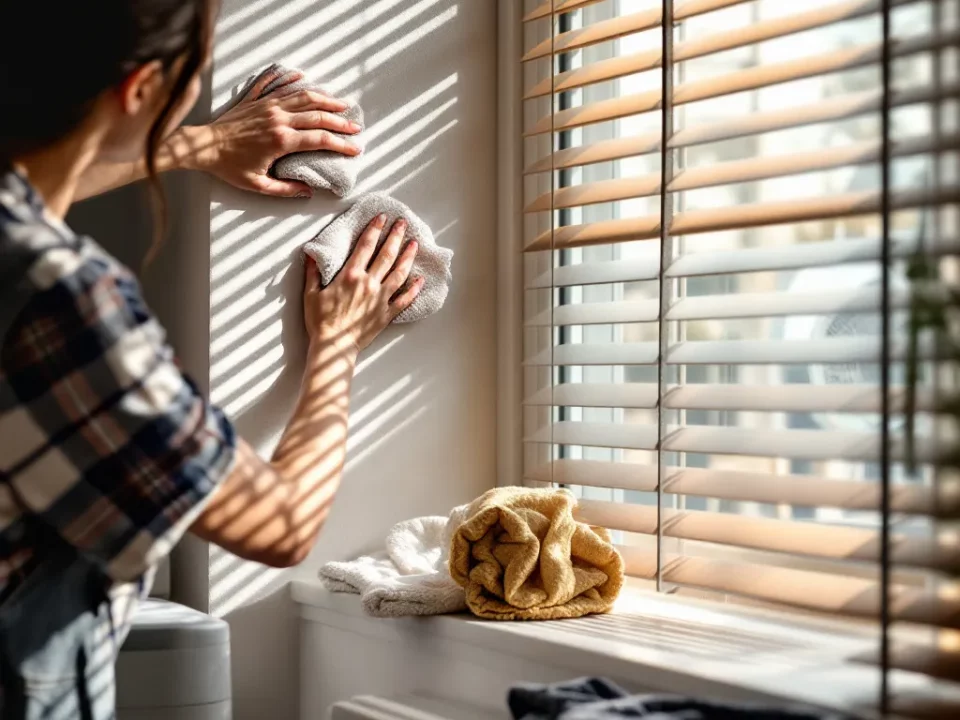
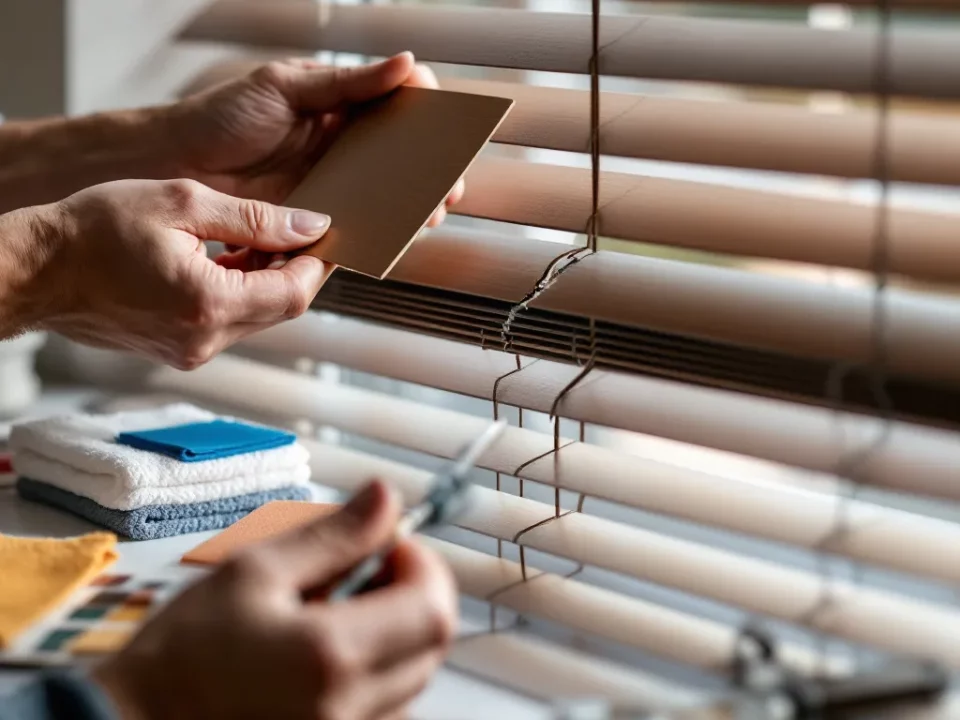
One of the strengths of wood as a material is durability. Properly maintained wood blinds can last decades, which spreads the environmental cost of production over a long service life. Maintenance is straightforward: gentle dusting and occasional reconditioning of finishes can keep slats looking and performing well. At end-of-life, solid wood blinds have an advantage over many composites because they can sometimes be refinished or repurposed. If disposal is necessary, untreated wood components decompose more benignly than plastics, and some local recycling centers accept wooden fittings. Considering repairability when you buy is an important environmental choice.
What to Look For When Choosing Wood Blinds
Selecting the right product means balancing aesthetics, performance, and environmental credentials. Look for clear labeling about the wood source, low-VOC or water-based finishes, and manufacturers that offer transparent lifecycle information. Avoid blinds with heavy plastic parts where possible, and favor metal or sustainably sourced wood components. For homeowners who want to match style with responsibility, we often recommend products with simple, durable cords and finishes that allow periodic touch-ups rather than full replacement. If you prefer a pre-finished option, verify the coating is low in volatile organic compounds to protect indoor air quality.
For local shoppers seeking vetted options, our showroom highlights a selection of responsibly made choices — including models that use reclaimed wood or sustainably harvested slats. Comparing options in person helps you evaluate texture, slat thickness, and the quality of the finish before making a long-term investment. If you’d like, we can demonstrate how light and heat interact with different slat sizes throughout the day, so you can make a more informed, eco-conscious decision.
Installation, Fit, and Behavioral Factors
Environmental impact is not solely the product’s responsibility — how it is installed and used matters. Tight fits around the window frame reduce light and air leakage, improving thermal performance. Simple behavioral adjustments, like lowering blinds during hot afternoons or opening them on cooler nights, can dramatically reduce reliance on mechanical cooling. I often coach clients on seasonal strategies that extend the benefits of wood blinds: small changes in daily routines paired with thoughtful window treatments can add up to meaningful energy savings across a year.
Frequently Asked Questions about Wood Blinds
Q: Are wood blinds environmentally friendly?
A: They can be. Environmentally friendly outcomes depend on responsible sourcing, low-VOC finishes, and long service life. Choosing certified or reclaimed wood improves the overall footprint.
Q: How do wood blinds affect energy use in Simi Valley?
A: Properly fitted wood blinds reduce solar heat gain in summer and add insulation in cooler months. Their impact is greater when combined with smart use — lowering them during peak sun and opening at night for ventilation.
Q: Can wood blinds be repaired or recycled?
A: Many solid wood blinds can be repaired, refinished, or repurposed. Recycling options depend on local facilities; untreated wood is more likely to be composted or accepted by certain recycling programs.
Q: Should I prioritize solid wood or faux wood?
A: Solid wood offers natural warmth and often a longer lifespan, while faux wood can be more moisture-resistant. From an environmental perspective, solid wood from sustainable sources typically has a lower long-term footprint than plastic-based alternatives.
If you’re ready to explore practical, eco-conscious window treatments, I invite you to visit our showroom or schedule an in-home consultation. We showcase durable, responsibly sourced Wood Blinds and help you select options that match Simi Valley’s climate and your sustainability goals. Together we’ll plan a solution that enhances comfort, reduces energy use, and fits your home’s character.
The Window Blind Connection
535 Hawks Bill Place, Simi Valley, CA 93065
Phone: +1 818-416-5534