
Wood Blinds Maintenance For Simi Valley California Homes
December 15, 2025
Trending Wood Blinds Styles For Simi Valley California Homes
December 15, 2025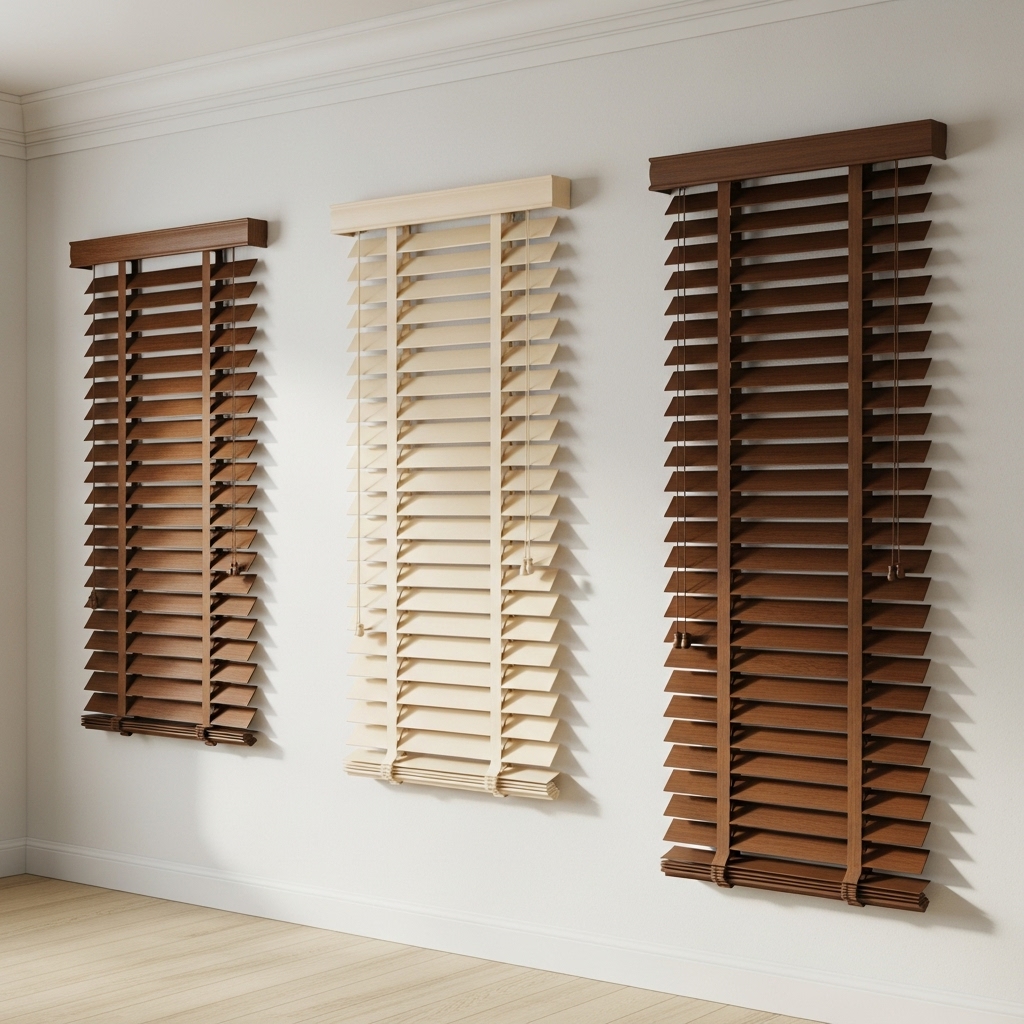
Choosing window treatments is part art, part craft, and very much about how you want light to feel in your home from morning to night. In Simi Valley, where golden afternoons spill across foothills and evening breezes cool patios at dusk, custom wood blinds offer a uniquely flexible canvas. They can be quiet or bold, modern or classic, and precisely tuned to the rhythm of your rooms. If you are exploring possibilities, it helps to understand the full range of options—from slat width and finish to lift systems and decorative details—so you can shape a design that feels native to your architecture and lifestyle. This guide will walk you through those choices and show you how wood blinds can anchor your spaces with warmth and control.
What makes customization so powerful is that it unfolds across layers. Start with the big picture: how wide should each slat be in relation to your windows, and what overall tone or color supports your palette? Then move to details: do you prefer the tailored crispness of a narrow valance or the presence of a deeper cornice? Would ladder tapes echo your flooring or cabinetry, or do you want the clean look of hidden route holes for enhanced privacy? By building from the fundamentals to the finishing touches, you end up with a solution that behaves beautifully and looks intentional from every angle.
Slat Width and the Character of Light
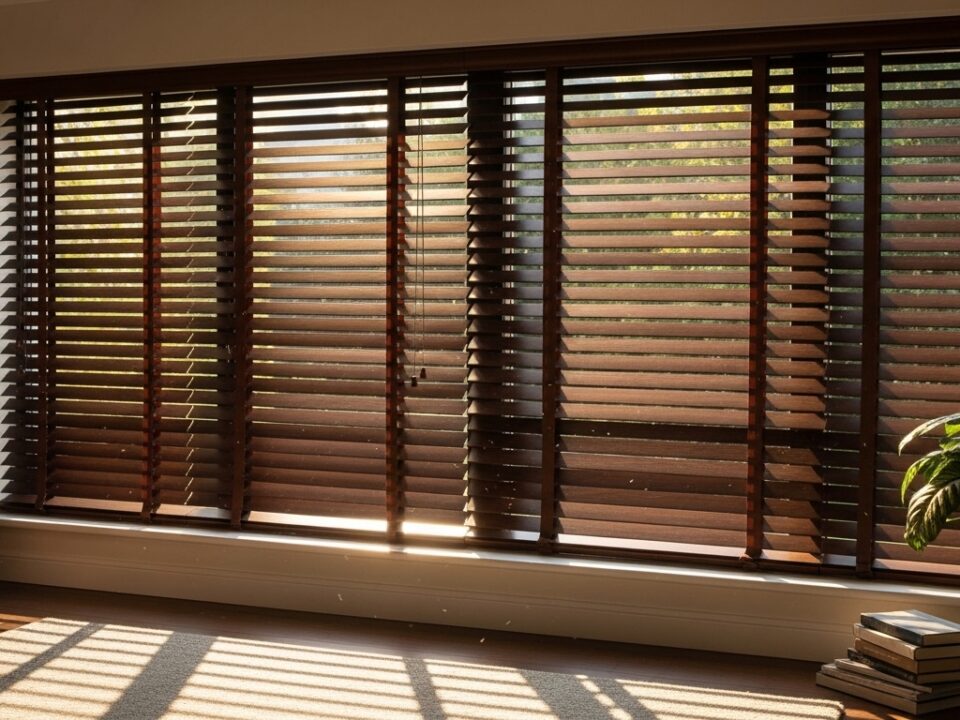
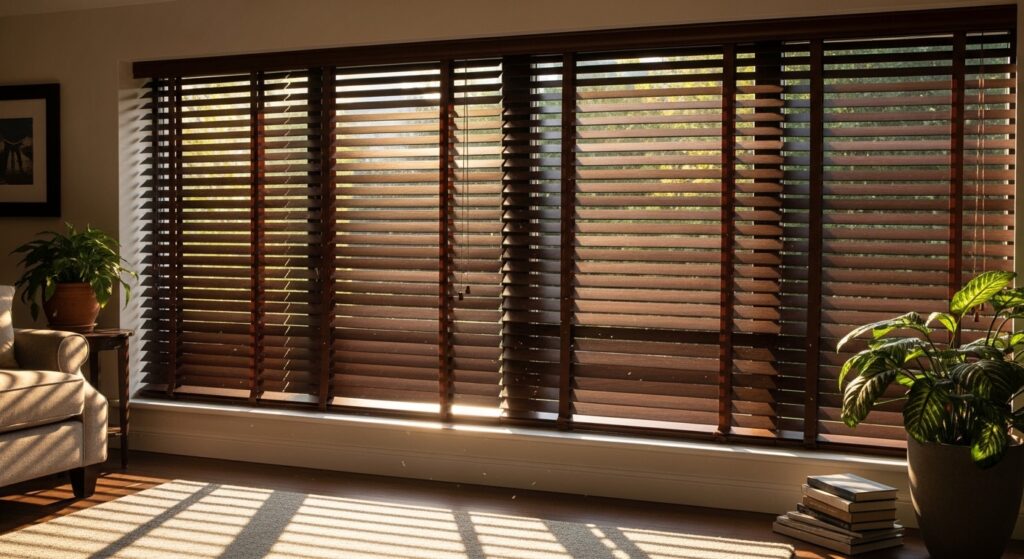
Slat width is the first decision that alters the mood of a room. Narrower slats cast a more delicate pattern and lend a traditional feel, which can be a lovely complement to homes with detailed millwork or colonial elements. Wider slats simplify the scene, reduce visual lines across outdoor views, and shape a modern, calm presence. In bright Simi Valley rooms, wider slats often help you manage glare with fewer adjustments. In cozier spaces, a slightly narrower slat can bring texture that feels welcoming without overwhelming the architecture.
Think about your sightlines. If you often look from the kitchen toward the family room and out to a patio, a wider slat can help your eye travel farther without interruption. In bedrooms, consider how early light behaves. A format that closes snugly with minimal light peeking through makes mornings gentle and restful. These are small choices that pay big dividends when you live with them every day.
Wood Species, Grain, and Finish
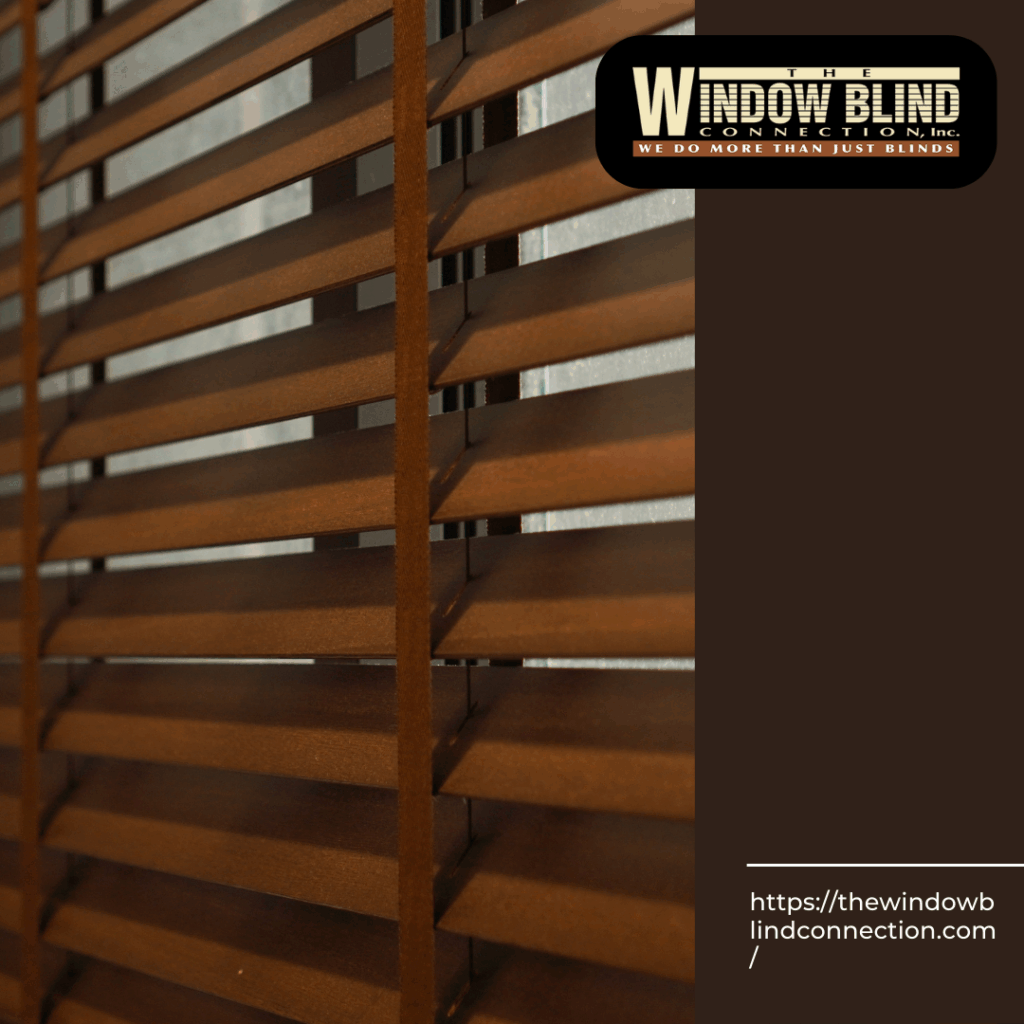
Not all woods read the same. Fine, straight-grain species deliver an even, tailored presentation that suits contemporary remodels, while more pronounced grain can add a note of rustic warmth that works beautifully in ranch and Spanish-style homes common across Simi Valley. Stained finishes reveal depth and complexity, catching sunlight differently over the course of a day. Painted finishes, from soft whites to moody charcoals, offer a clean, architectural counterpoint that can brighten rooms or ground them depending on your palette.
Finish sheen subtly changes both look and maintenance. Matte and satin finishes tend to hide micro-marks and are forgiving in high-use spaces. Semi-gloss introduces a reflective quality that can be elegant, especially in formal dining rooms with evening light. UV-resilient coatings are important locally; they help your blinds maintain color integrity even in rooms that bathe in west-facing sun.
Mounting Style: Inside or Outside
Inside mounts sit within the window frame and highlight trim, creating a built-in feel. They are a favorite when casings are square and deep enough to accept the headrail. Outside mounts hover over the opening, extending presence and, in some cases, making a small window feel more generous. In older homes where frames are slightly out of square due to gentle settling, an outside mount can deliver crisp lines and conceal irregularities. The aesthetic difference is subtle but meaningful, and it is worth holding samples up to your window to see what your eye prefers.
Lift Systems and Everyday Convenience
How a blind moves is as important as how it looks. Corded systems remain classic and intuitive, but many homeowners in Simi Valley now choose cordless for its clean silhouette and child-safe operation. A gentle lift from the center of the bottom rail glides the blind up; an easy pull lowers it in a controlled way. Motor assistance, a growing favorite for tall windows and stairwells, lets you tilt or lift with a remote or app. If your home includes a media room or a two-story great room, you will appreciate the quiet, precise control and the lack of visual distraction.
For households that rely on routines—lowering blinds as the sun swings west, opening them to wake the house in the morning—automation can fold these actions into daily schedules. The key is to pair technology with thoughtful design so the system fades into the background and simply works.
Privacy, Light Gaps, and Specialty Features
Custom options exist to tighten privacy and tweak the way light moves. Routeless slats reduce pinholes of light where cords typically pass, delivering a smoother wash of shade when blinds are closed. Decorative ladder tapes add style while concealing rout holes in a different way, and they let you bring color or pattern into the composition. If your street-facing rooms call for privacy during the day, a combination of wider slats and routeless construction can produce a serene, glare-free interior without making rooms feel closed.
For arch-topped windows, angled clerestories, or bay windows, custom templating ensures the headrail and valance align perfectly with the architecture. True specialty shapes in wood are less common than in soft shades, but you can often echo the geometry of an arch with a clean outside mount that follows the line of the casing, preserving the character of the window while giving you modern control of light.
Valances, Cornices, and the Art of Finish
Valances frame the top of a blind and can be as subtle or as pronounced as you like. A slim, straight valance reads modern and crisp. A deeper, molded profile introduces a touch of formality. In rooms with higher ceilings, a slightly taller valance can anchor the window visually so the blind does not appear to float. Returns—the small side pieces that wrap toward the wall—matter more than people expect; when they sit flush and tight, the whole installation feels tailored.
Cornices extend the idea further, creating a box-like architectural element that can echo cabinetry or crown molding. They are a handsome way to conceal headrails across banks of windows in open living areas. Paired with the natural texture of wood blinds, a well-proportioned cornice adds depth without clutter.
Color Strategy Across Open-Concept Homes
Many Simi Valley floor plans open rooms to one another, which means you see multiple windows together. Consider whether you want a single unifying finish across the main sightline or a subtle gradient. For example, medium, warmly stained blinds can ground a family room while a painted soft white in the adjacent kitchen bounces light and keeps the cooking area bright. Bedrooms might adopt a quieter, deeper tone to encourage rest. The through-line is intentionality: pick a logic for your color choices and repeat it with care.
Pairing With Other Window Treatments
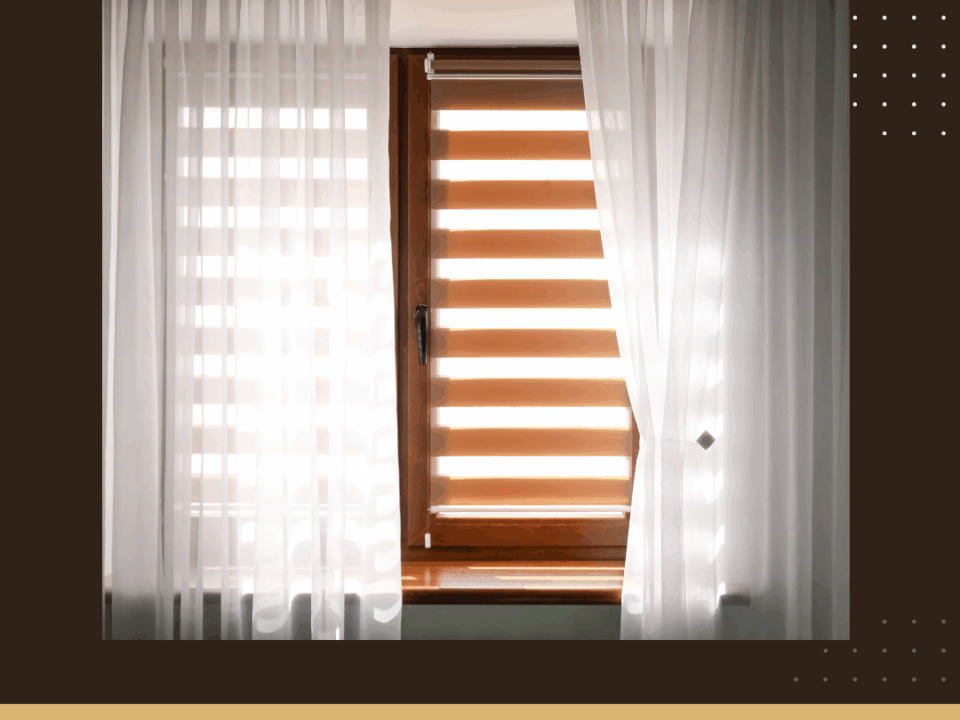
Layering wood blinds with drapery or roman shades adds softness and extra control. Stationary panels in a complementary fabric can frame a window and elevate the composition, while also reducing how often you need to adjust the blind for glare. In rooms where acoustics matter—like media spaces—layers can subtly dampen sound and create an inviting hush in the evenings.
Rooms by Rooms: Tailoring Options to Use
In living rooms with expansive views, wider slats and a low-sheen stain maintain connection to the outdoors while softening glare. In dining rooms where ambiance is key, a slightly deeper finish pulls the space together after sunset. Home offices call for crisp control of screen glare, which suggests precise tilting and a finish that avoids reflective hotspots. For children’s rooms, cordless operation keeps things safe and tidy, and a durable painted finish stands up to daily life.
Measurement and the Difference Custom Makes
Precision measurement sets custom apart from off-the-shelf. Openings are rarely perfectly square; measuring width and height at multiple points, as well as noting depth and any obstructions, guides ordering and ensures smooth installation. The result is a blind that fits like it was built with the window, revealing clean margins and straight lines that your eye recognizes immediately, even if you cannot say why.
Care and Longevity
Customization is an investment in daily enjoyment. Maintain it with gentle dusting and occasional spot cleaning, paying a little extra attention to west-facing windows that collect more sun and dust. Cordless and motorized systems appreciate steady, balanced operation; if anything feels off, a quick adjustment keeps the mechanism performing like new.
Local Aesthetics and Architectural Harmony
Simi Valley architecture draws from Spanish, ranch, and contemporary influences. Natural stains with visible grain can echo the wood tones in beams and floors common to these styles, while crisp painted finishes pair effortlessly with white trim and modern furnishings. The idea is to let your blinds become part of the architecture, not just an accessory. When done well, they contribute to the feeling that your home is cohesive and thoughtfully composed.
Bringing It All Together
Custom options are there to serve your routines and preferences. Start with the windows you use the most and the rooms where light is hardest to manage. Build a palette of finishes that connects spaces, and choose lift systems that match your daily habits. The sum of these decisions is a home that responds gracefully to Simi Valley’s sun and seasons, one tilt at a time.
FAQ
Which slat width should I choose?
Base it on the scale of your windows and the mood you want. Wider slats simplify views and cut glare quickly; narrower slats add texture and a traditional feel. Hold samples to your windows and step back to see what your eye prefers.
Are cordless or motorized systems worth it?
In many homes, yes. Cordless tidies the look and enhances safety, while motor assistance is a game-changer for tall or hard-to-reach windows. Choose the system that fits how you live each day.
Can I mix stained and painted finishes in one home?
Absolutely. Use a clear strategy—perhaps stained in living areas to add warmth and painted in kitchens and baths for brightness. The key is repeating choices with intention so rooms feel connected.
How do ladder tapes and routeless slats differ?
Both reduce the appearance of route holes. Ladder tapes accomplish this with a decorative fabric that also adds style; routeless slats remove the holes, creating a cleaner field of light control. Your design preference will guide the choice.
Will wood blinds work for arched or angled windows?
True custom shapes are limited in wood compared to soft shades, but thoughtful outside mounts and precise templating can respect the architecture while giving you modern control of light.
How do I keep finishes looking new?
Gentle, regular dusting and quick attention to smudges are enough for most homes. In sunny rooms, tilt slats to diffuse direct rays during peak hours to preserve color integrity.
When you are ready to explore finishes, textures, and controls that feel made for your rooms, a local consultation will translate ideas into a plan that fits your home and your routine. From precise measuring to a meticulous installation, you can expect a result that looks custom because it truly is. Start the conversation and discover how beautifully crafted wood blinds can transform the way your home handles light, privacy, and style every day.