

Seasonal Care for Custom Shutters in Simi Valley California
December 15, 2025
Custom Wood Blinds Options In Simi Valley California
December 15, 2025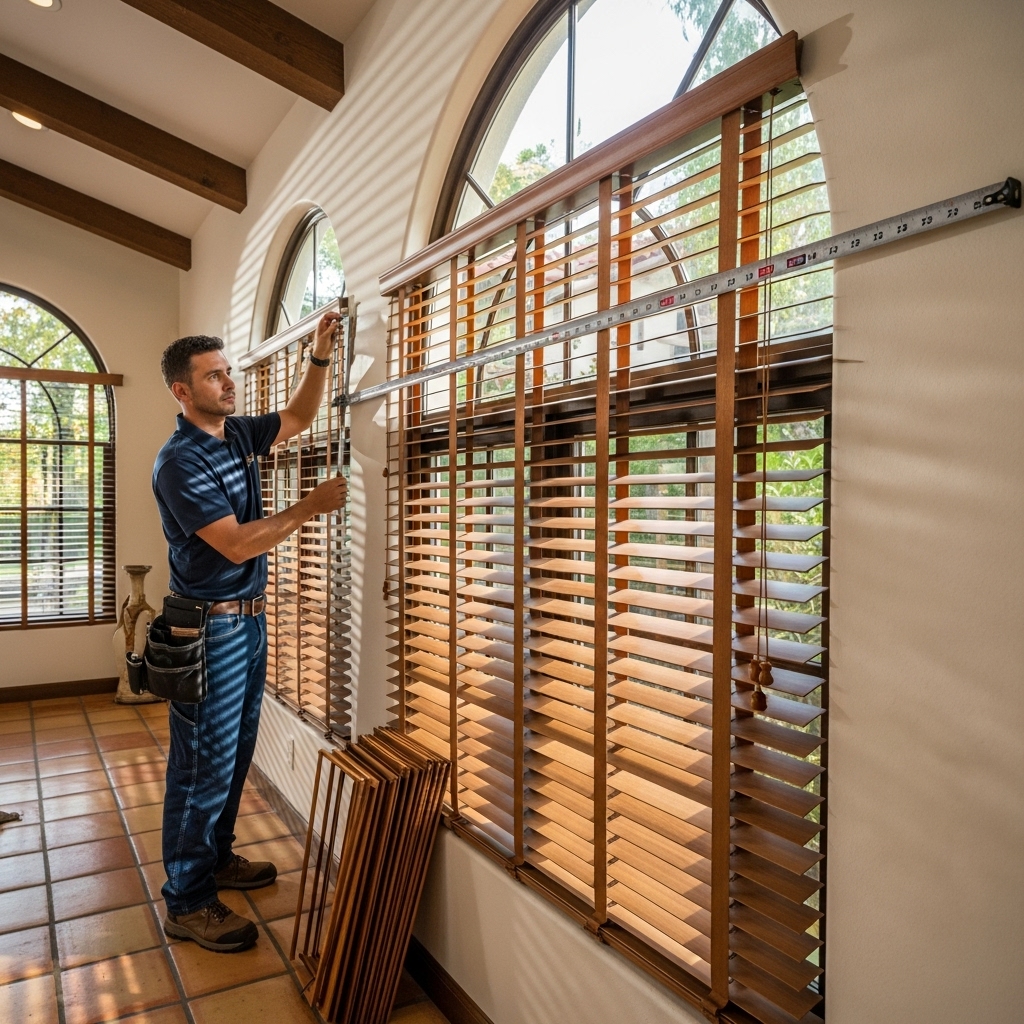
If you have been weighing the decision to install new window treatments in Simi Valley, you have likely wondered how to think about the investment without getting lost in an endless maze of figures. The truth is, the total outlay for installing wood blinds is shaped by a cluster of very local factors, from the sun exposure on your particular street to the size and age of your home’s windows and the level of customization you choose. As a longtime local who has seen thousands of homes across neighborhoods like Wood Ranch, Big Sky, and the foothill cul-de-sacs evolve in style and function, I can walk you through the variables that matter. Before we dive into the details, it helps to ground ourselves in what you gain with wood blinds, why Simi Valley’s climate and lifestyle make them an excellent fit, and how to plan your project for a smooth, confidence‑building experience.
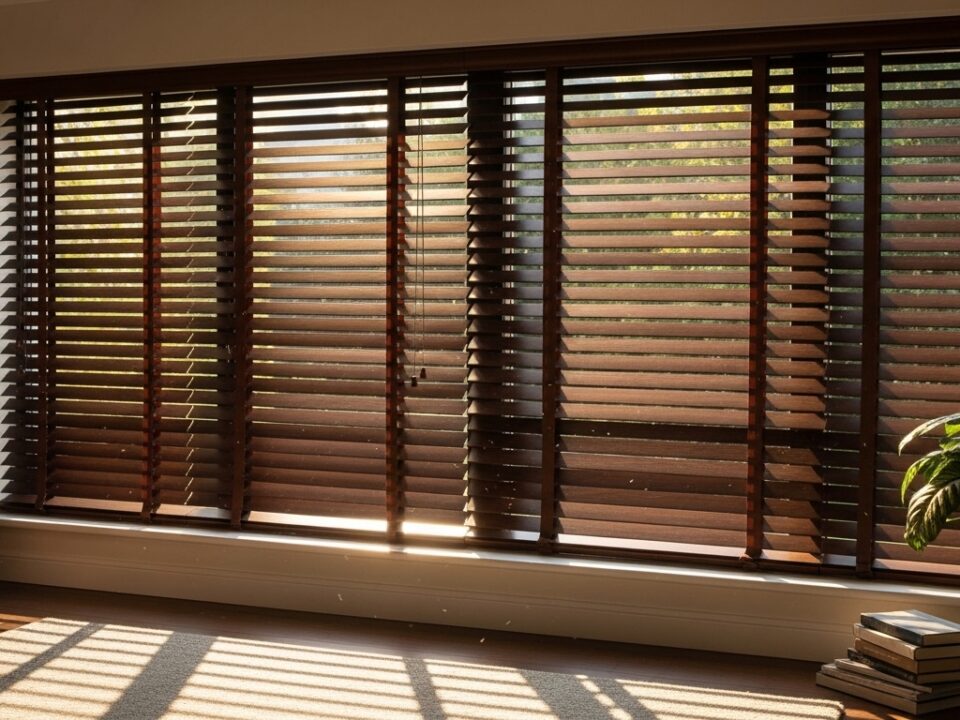
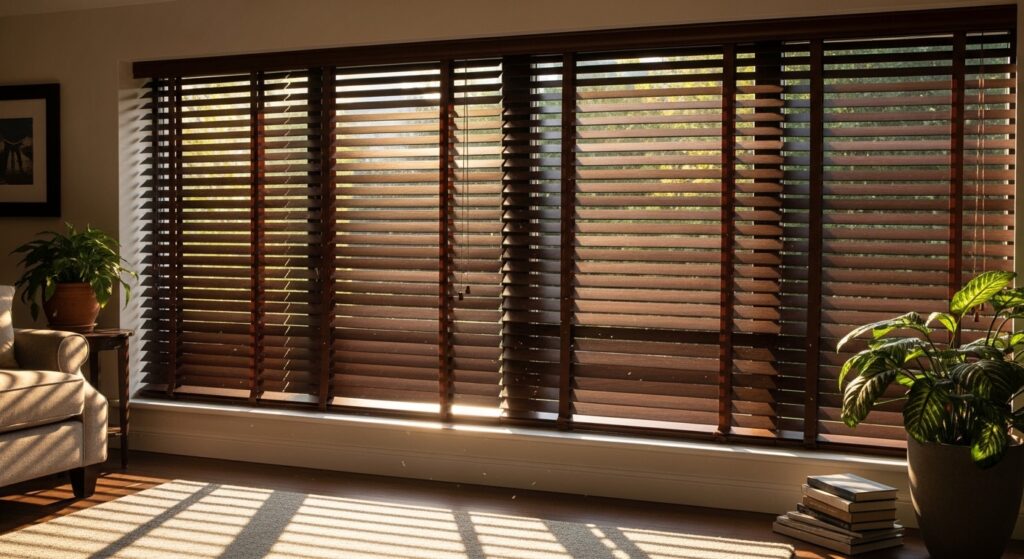
Think of a well-installed set of wood blinds as architectural punctuation. They frame views toward the mountains, soften the afternoon light that rolls across the valley, and give you fine-grained control over privacy without shutting your rooms off from the sky. Because Simi Valley sits in a warm, semi-arid pocket, many homes contend with bright, reliable sunshine for most of the year. That means thoughtful light control is not just a nice-to-have—it is central to how comfortable your spaces feel at noon in August and at sunset in December. Properly selected and installed wood blinds help you make minute adjustments to glare, heat, and privacy while retaining the natural texture that pairs so well with Spanish-influenced architecture, ranch homes, and contemporary remodels alike.
Why Simi Valley’s Climate Shapes Your Installation Choices
Sunlight in the valley is abundant and direct, especially on west- and south-facing elevations. That intensity does not change the craftsmanship required to install wood blinds, but it does inform the features you might prioritize. Slat width, finish sheen, and color depth can all influence how reflective your blinds feel under strong light. Wider slats can cut glare more quickly while creating fewer lines across your view, which many homeowners find calmer and more refined. Lower-sheen finishes reduce reflective hotspots on bright days. Rich, mid-tone stains often do a beautiful job of diffusing light without appearing heavy.
Local wind patterns and dust can also nudge your decision-making. On gusty days when the air is dry, dust can accumulate faster on horizontal surfaces, blinds included. That does not add to installation labor directly, but it does make cordless lifting systems and clean-lined valances both attractive and practical. The fewer places dust can settle, the easier your long-term upkeep will be, and the more timeless the result tends to look inside our Simi floor plans with high ceilings and open sightlines.
Window Size, Shape, and Condition: The Quiet Drivers
From the street, most Simi Valley homes present conventional window shapes. Up close, the variety becomes clear: tall sliders overlooking patios, compact transoms tucked above entry sidelights, arched eyebrow windows in stairwells, and bay windows carved into living rooms. Each shape and size slightly changes the path your installer takes. Taller windows call for different ladders and mounting strategies than shallow transoms. Bay windows invite careful templating to keep returns tight and symmetrical. Older windows may need a touch of carpentry cleanup in the recess to ensure brackets anchor securely and valances sit level.
Mounting style is another subtle but important factor. An inside mount, which tucks the blind inside the window frame, emphasizes architecture and preserves trim lines. It often requires precise measurements and a square, unobstructed opening. An outside mount, which places the blind over the opening, can be a smart solution if your frame is out of square or you want to visually expand the window. Neither is inherently more complex; what matters is selecting the mounting style that harmonizes with your window’s condition and your design goals.
Material and Construction Choices That Influence the Process
Within the world of wood blinds, you will encounter species differences, slat widths, finishes, edge detailing, and lift systems. Each contributes to the finished look and feel of your windows. Hardwoods with consistent grain tend to lie flatter and move less with small shifts in humidity, helpful in spots like kitchens where steam might occasionally rise. Slat widths commonly range from narrower profiles that echo a traditional look to wider formats that read more contemporary and deliver strong light control with fewer lines. The thicker the slat, the more deliberate the installation, as spacing and alignment become visually prominent.
Finish choice matters for performance as well as aesthetics. In bright Simi rooms, UV-resistant finishes help maintain color integrity. If you prefer painted blinds in crisp whites or soft grays, experienced installers will take extra care with handling to protect the finish from micro-scratches as brackets and valances are set. Decorative elements like valance returns, cornice accents, and ladder tapes add personalization; they also introduce small steps during installation to ensure everything sits flush and symmetrical.
Lift Systems, Safety, and Everyday Use
One of the quiet revolutions in window treatments is the shift toward cordless and motor-assisted lift systems. In homes with children or pets, cordless is not just an aesthetic decision; it is a functional one that removes hanging cords and gives your windows a cleaner silhouette. Cordless mechanisms are integrated at the factory and require careful alignment during installation so the blind raises and lowers evenly. Motor assistance, when chosen, folds smart home convenience into your daily routines, letting you tilt or lift blinds with a remote or app, especially helpful on hard-to-reach windows above stair landings. While these features do not change the visual beauty of wood blinds, they influence scheduling and fine-tuning during installation.
Measurement, Templating, and the Craft of a Seamless Fit
The best installations begin well before a bracket meets a wall. Accurate measurement in three dimensions—width, height, and depth at multiple points—uncovers out-of-square openings, uneven sills, and casing anomalies common in older Simi Valley homes that have settled gently over decades. A seasoned installer accounts for these realities during templating, ensuring that the headrail centers properly, the slats clear any tilt hardware on the window, and the valance returns hug the wall without gaps. Precision here pays dividends in everyday operation, eliminating drag, reducing light leaks at the edges, and keeping lines crisp when blinds are raised completely.
Planning Your Project Timeline
From initial consultation through final walkthrough, a well-managed project moves in a clear arc. First, you explore styles and finishes in the context of your rooms, considering sunlight, privacy needs, and the way your furnishings absorb or reflect light. Next comes measurement and order placement, followed by fabrication time at the manufacturer. Actual installation typically happens in a focused window, with each room prepped in sequence. Rooms with furniture close to the windows or delicate accessories may take a bit more time to protect thoroughly. Good installers walk through your home beforehand, mapping routes for ladders and gear to minimize disruption.
On installation day, most homeowners are surprised by how calm the process can be when the preparation is thorough. Installers set up carefully, mount hardware with stud-appropriate fasteners, level and secure headrails, set valances, and then cycle blinds through their motions to fine-tune cords, tilt wands, or cordless springs. At the end, a quality check looks at even reveals, quiet operation, and consistent alignment across multiple windows in the same room so that the eye moves smoothly from one opening to the next.
Design Cohesion: Making Each Room Feel Intentional
Because many Simi Valley homes have open-concept living areas, the view from the kitchen to the family room and out to the patio often encompasses several windows at once. Choosing a cohesive stain or paint across that sightline creates a sense of calm. If you favor variation, make it deliberate: perhaps deeper, moodier tones in the den where you watch movies and lighter, reflective finishes near the breakfast nook where the morning sun arrives. Ladder tapes offer a design lever here, letting you echo cabinet colors or flooring tones with a slim ribbon of fabric that punctuates the slats.
Bedrooms benefit from privacy slats and tight closure to minimize early morning light, while home offices tend to shine with wider slats that deliver softer, glare-free daylight on screens. Small touches—matching tassels, low-profile valances, and crisp returns—accumulate into an elevated, custom result. The most successful installations are the ones that feel native to the house, as though your home was designed around the window treatments rather than the other way around.
Mid-Project Considerations and Fine-Tuning
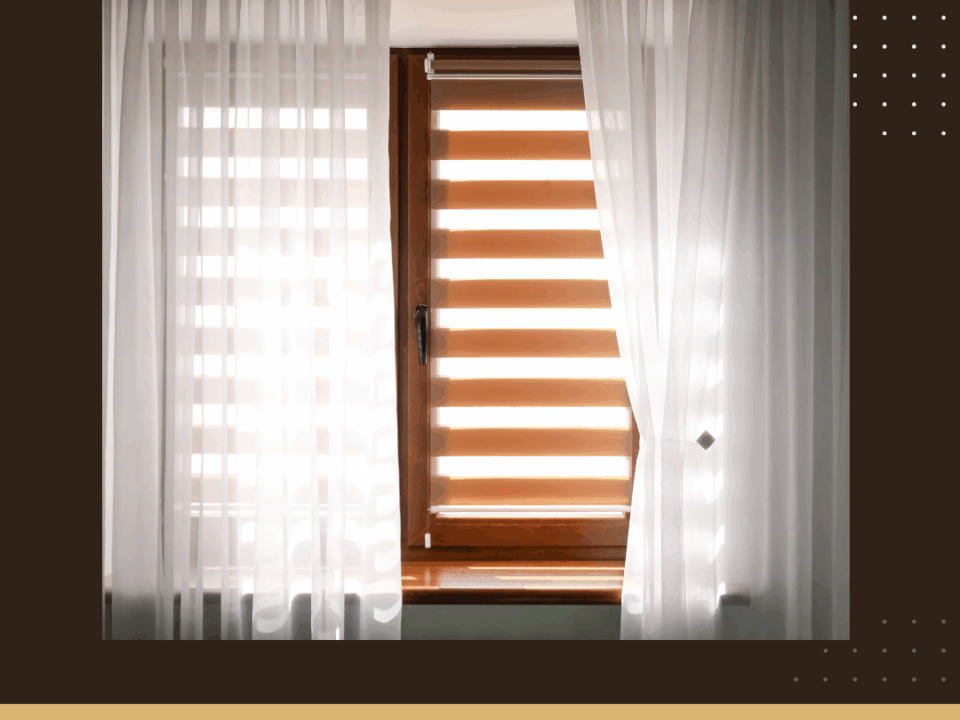
Midway through a multi-room installation, it is smart to pause, stand back, and study alignment from several vantage points. Shadows change over the day in Simi Valley, and what appears perfect at 9 a.m. can look different at 3 p.m. when the sun arcs west. This is an ideal moment to confirm that returns are flush, valances read level across long banks of windows, and that the tilt action feels even from one room to the next. It is also the perfect time to revisit any specialty locations—stairwells, high clerestories, or slider doors—to ensure the operation feels natural in day-to-day life. As your project takes shape, you may also find yourself envisioning how a future layer—like soft drapery—could pair beautifully with the texture of wood blinds to deepen the room’s character.
Care, Longevity, and Protecting Your Investment
Once your blinds are in place, light maintenance goes a long way. In our dry season, a soft microfiber pass across the slats keeps dust from settling. During springtime when breezes can carry pollen, another quick dusting prevents buildup. If you choose painted finishes, a lightly damp cloth followed by a dry wipe will help lift smudges without dulling the sheen. In kitchens and baths where moisture shows up, steady ventilation and routine care maintain the wood’s integrity. With thoughtful upkeep, you can expect your blinds to age gracefully, developing a gentle patina that feels right at home in a valley known for its sun-warmed days.
How to Communicate Your Priorities
Clarity pays off when you describe what you need from your window treatments. If privacy is your top concern on a street-facing room, say so; if protecting hardwood floors from UV is your focus in a south-facing living room, that matters too. Share whether you prefer a strong architectural statement or a quieter, integrated look. Photos of the room at different times of day help your consultant understand how sunlight moves through the space. These details shape recommendations on slat width, finish, and mounting style that align with your lifestyle rather than a generic template.
Local Nuances: Working in Simi Valley Homes
Homes here span decades of construction styles. Some have deep, beautifully milled casings perfect for inside mounts; others have shallow returns that call for sleek, outside-mounted solutions. Tract homes on the valley floor sometimes reveal framing variances that require careful bracket placement to make sure the hardware bites securely. Foothill properties may have dramatic picture windows that invite layered treatments. Experienced local installers read these cues quickly, saving time on installation day and delivering a more tailored result.
Scheduling and Access
A smooth installation respects your household rhythm. Communicate any constraints around school runs, nap times, pets, or work-from-home calls. Clear access to windows, a staging area for tools, and parking near the entry all shorten the day. Good teams protect floors, mind baseboards, and leave rooms tidy. If tall ladders are needed, they will chart pathways that minimize contact with walls and art, using blankets and bumpers where necessary.
What You Can Expect During the Final Walkthrough
When everything is installed, you should feel confident operating every blind. Your installer will demonstrate tilting, lifting, and any motorized controls, and will review basic care. They should also confirm that headrails sit flush, valances are secure, and light gaps are minimized to your satisfaction. This is the moment to ask for any small adjustments. A millimeter here or a slight reveal there can make a visible difference across a bank of windows, and fine-tuning is part of a meticulous finish.
Looking Ahead: Adaptability and Resale Appeal
Well-chosen wood blinds in a classic finish can raise the perceived quality of a home without calling attention to themselves. Should you later repaint, re-floor, or re-stage for sale, neutral, well-fitted blinds anchor rooms and let other elements change around them. Because they are a permanent-looking improvement, buyers often read them as a signal that the home has been cared for with intention.
FAQ
Are wood blinds a good idea for sunny, west-facing rooms?
Yes. With the right slat width and finish, wood blinds tame glare while maintaining a view. Wider slats reduce visual clutter and block more direct light with a single tilt, which is especially helpful as the sun sets over the valley.
Can wood blinds work in kitchens and bathrooms?
They can, provided you prioritize ventilation and choose durable finishes. In spaces where moisture is present, an experienced installer will help you select placements and features that protect the wood and maintain easy operation.
How long does installation usually take?
Project length varies with the number of windows, their sizes, and whether specialty locations are involved. The best indicator is the pre-install assessment, which outlines a realistic schedule and sequencing by room.
What is the difference between inside and outside mounts?
Inside mounts sit within the window frame for a tailored look that highlights trim, while outside mounts cover the opening and can create the impression of a larger window. The condition of your frames and your design goals will guide this choice.
Will ladder tapes help or hinder light control?
Ladder tapes are primarily a design feature, but they can subtly reduce micro light leaks through cord punch holes. Many homeowners choose them to echo colors elsewhere in the room while keeping function intact.
Do I need to be home during installation?
It helps to be available at the start for a walkthrough and at the end for the final review. In between, many installers can work independently if access and instructions are clear.
How should I clean wood blinds without damaging them?
Use a soft microfiber cloth for routine dusting, and for smudges, a lightly damp cloth followed by a dry pass. Avoid harsh cleaners that can dull finishes.
When you are ready to elevate the way your home looks and lives day to day, let a local specialist help you shape a plan that fits your rooms and routine. From precise measuring to a tidy, professional finish, you will feel the difference thoughtful attention brings. If you would like personal guidance, reach out to schedule a friendly consultation and explore the textures, colors, and controls that will make your home shine with the timeless character of wood blinds. You will be surprised how a single, well-executed change can transform how you move through your home.