

Custom Shutters Care and Maintenance in Simi Valley California
October 19, 2026
When to Inspect Custom Shutters in Simi Valley California Homes
October 19, 2026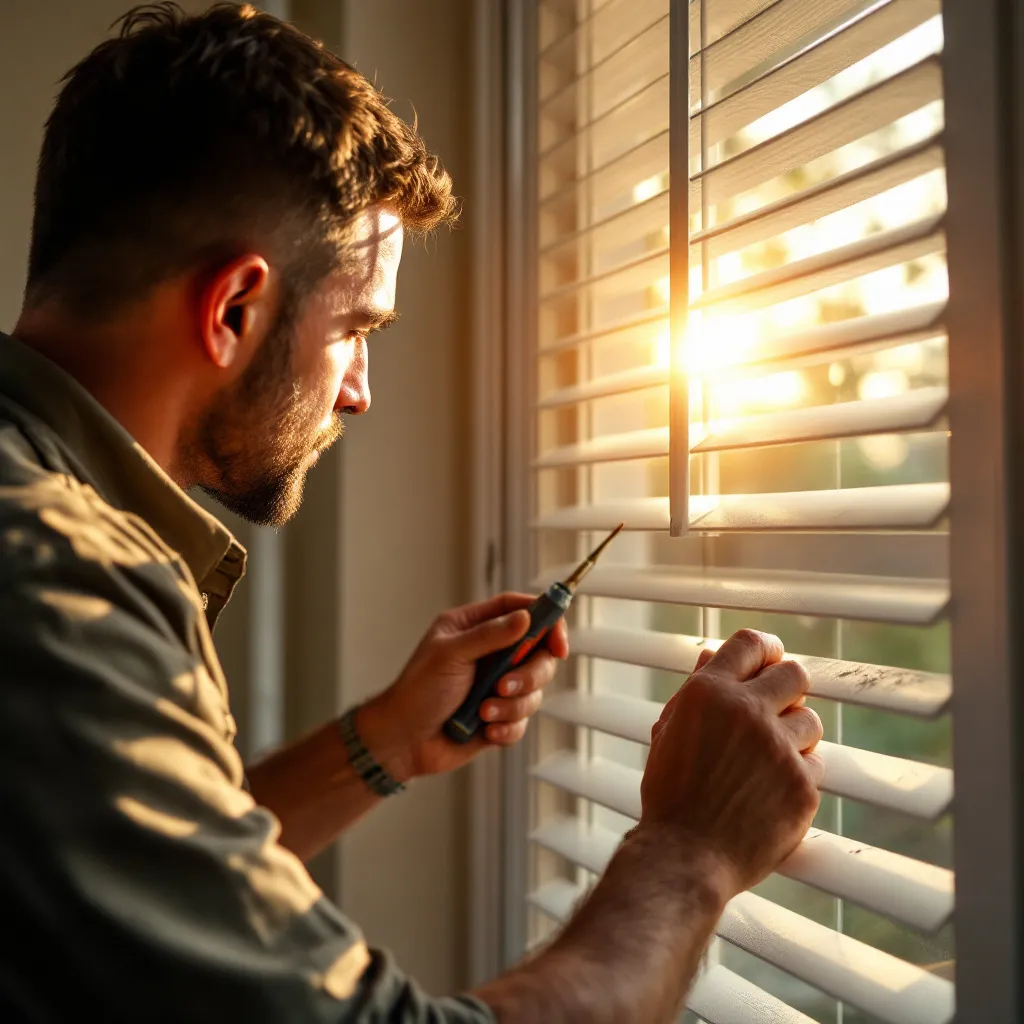
As a Simi Valley window treatment specialist, I see homeowners every week asking about their Custom Shutters—what goes wrong, what’s worth repairing, and how the local climate affects performance. In this article I’ll walk you through the typical problems we encounter in Simi Valley, CA, explain why they happen, and share practical fixes so you can keep your shutters looking great and functioning smoothly for years.
Custom Shutters: Common Issues and Causes
The most common troubles start with the elements. Southern California’s sun, seasonal humidity swings, and occasional heavy rain events take a toll. Real wood shutters can warp or crack when exposed to direct sun and heat, while faux wood may discolor over time. Hardware issues—loose hinges, stripped screws, and binding tilt rods—often show up after years of daily use. Pets and kids accelerate wear: chewed edges, chipped paint, and bent louvers are regular items on our repair list. Understanding the root cause helps prioritize repair versus replacement.
Warping, Cracks, and Material Wear
Warping is usually a slow process. In Simi Valley, a shutter installed on a south-facing window can get hot and expand, then contract when it cools. Repeated cycles eventually lead to warped panels or uneven louvers. Cracks happen when materials dry out or when sun exposure degrades protective coatings. For minor warping, realignment and tightening of frames often restore function. For extensive cracks or structural failure, replacement of the damaged panels or the entire shutter may be necessary. Proper finishing and UV-resistant paint can significantly extend lifespan.
Hardware, Hinges, and Operation Problems
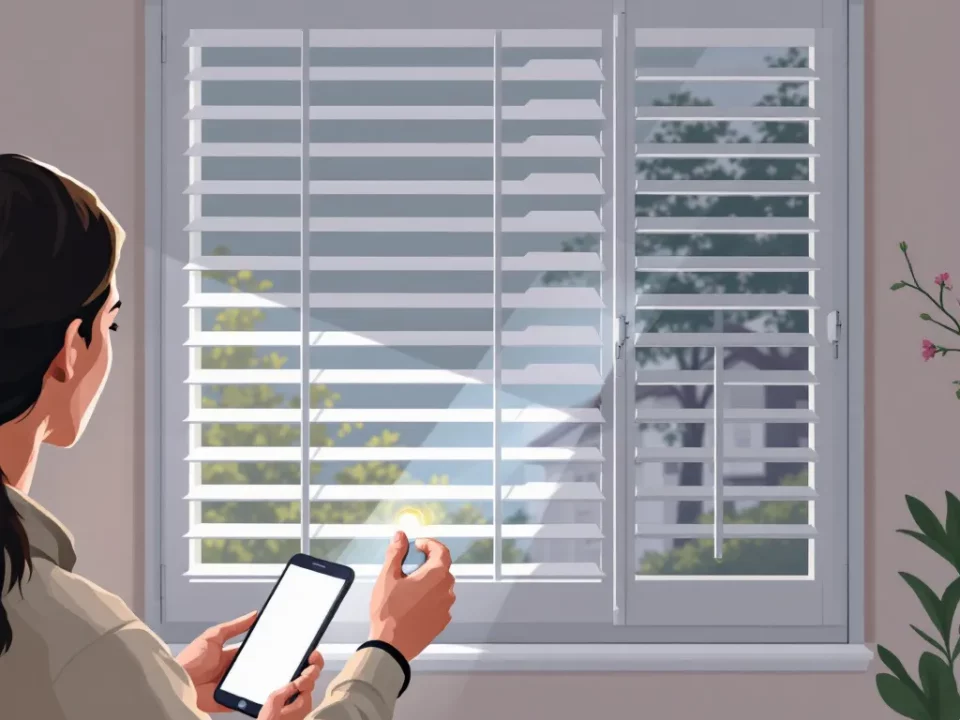
Loose or squeaky hinges, misaligned rails, and stuck tilt mechanisms make shutters frustrating to use. Simple fixes include lubrication of moving parts, tightening or replacing screws, and adjusting hinge placements to re-balance panels. Over time, metal fasteners can corrode in humid conditions; swapping them for stainless steel alternatives prevents recurring issues. If a tilt rod is binding, disassembling the center tilt mechanism to clear debris and re-securing the louvers often restores smooth operation without resorting to full replacements.
Finish, Paint, and Discoloration
Finish problems are both cosmetic and protective. Faded or peeling paint exposes the substrate to moisture and sun, accelerating deterioration. In Simi Valley’s bright sun, lighter finishes may yellow while darker stains can fade unevenly. Refinishing a shutter involves careful sanding, priming, and using UV-resistant topcoats suited for the shutter material. For small chips and localized peeling, spot repairs are effective; widespread finish failure usually calls for a professional refinishing job or a replacement that includes a lasting protective finish.
Cleaning, Dust, and Allergens
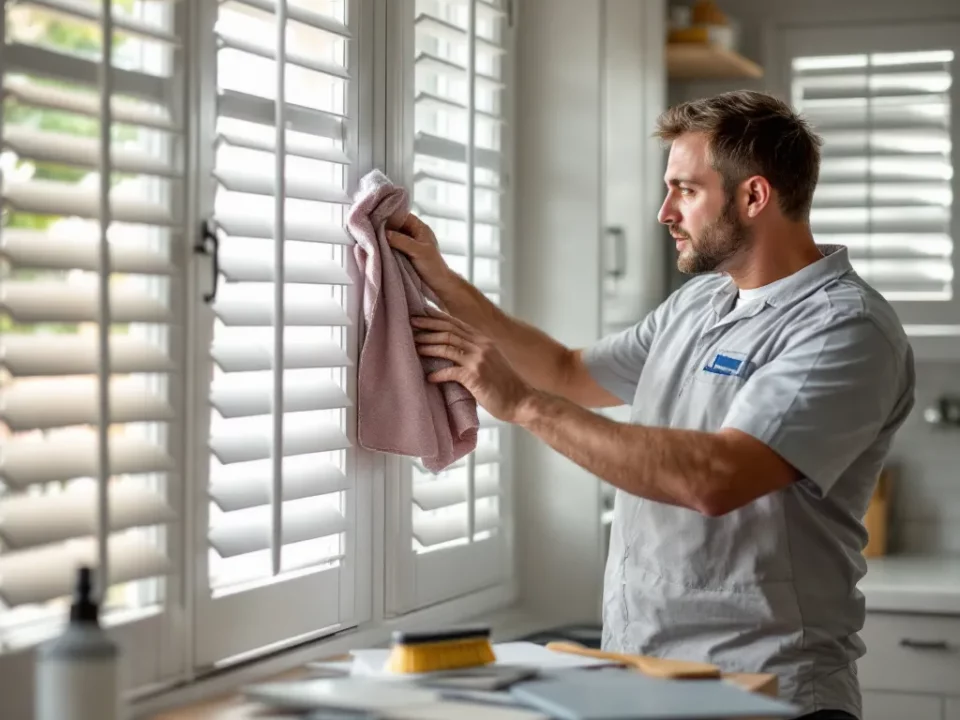
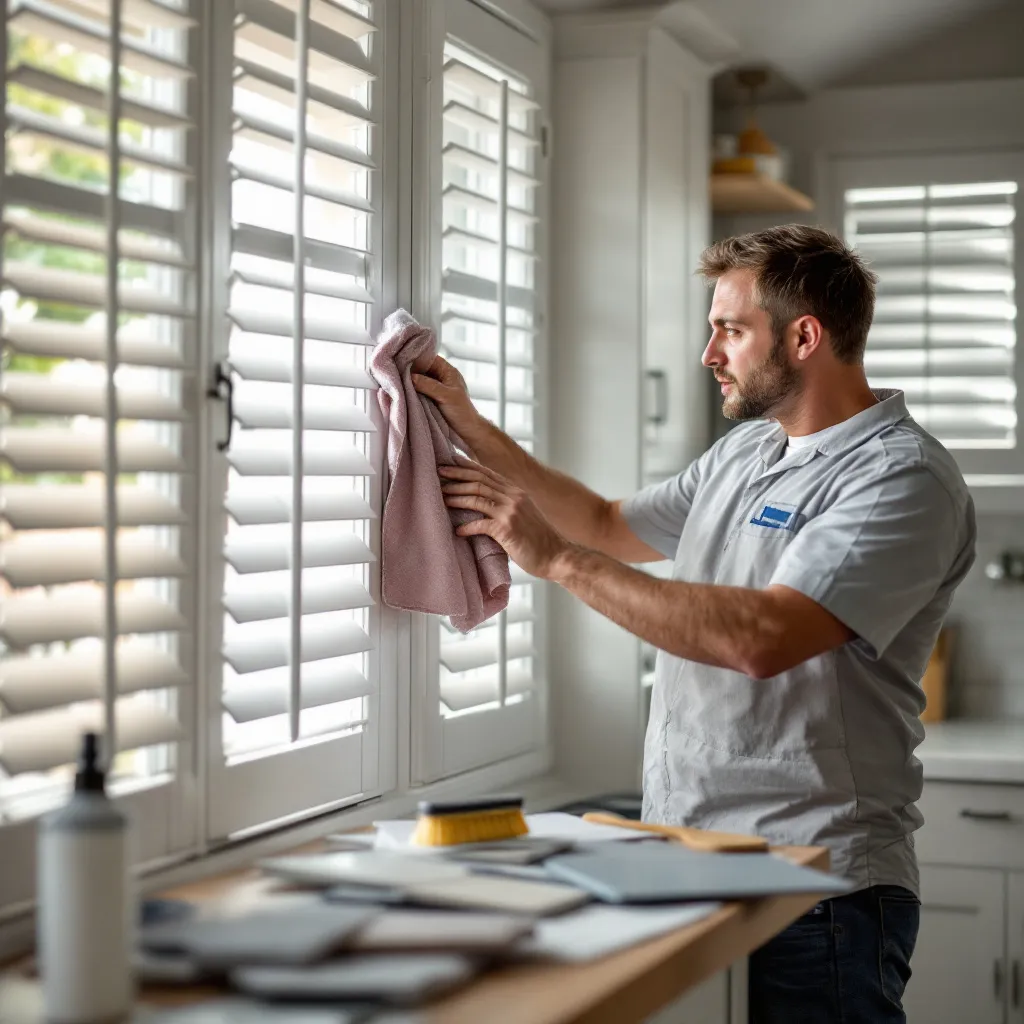
Dust and allergens collect in shutter louvers and frames, and while not a mechanical problem, they degrade appearance and can stress moving parts when allowed to build up. Regular gentle cleaning with a soft cloth and a mild cleaner keeps shutters functioning and looking fresh. For plantation-style installations with deep louvers, periodic professional cleaning prevents residue from working into hinges and tilt hardware, which can lead to stiffness and additional wear.
When to Repair and When to Replace
Deciding whether to repair or replace depends on age, extent of damage, and your long-term goals. If the frame is sound and issues are limited to hardware or a handful of louvers, repairs are cost-effective and fast. If multiple panels show rot, extensive warping, or the finish has failed across the entire set, replacement may be the sensible route. For homeowners who value energy performance, new shutters with improved insulation properties can be a meaningful upgrade that also refreshes interior style.
Mid-Article Recommendation and Local Guidance
For Simi Valley residents, selecting materials that handle sun and occasional humidity is key. Faux wood and composite shutters resist warping and are easier to maintain, while high-quality real wood with proper finishes offers a timeless look. If you’re considering an upgrade or need guided repairs, our showroom and service options include accurate assessments and tailored solutions—if you want a direct starting point, consider our range of Custom Shutters designed for California climates.
Frequently Asked Questions
Q: How often should I clean my shutters? A: Light dusting every couple of weeks and a deeper clean seasonally is usually sufficient in Simi Valley. More frequent cleaning is recommended if you have pets or high pollen.
Q: Can warped shutters be fixed? A: Minor warps and misalignments can often be corrected by adjusting frames and re-hanging panels. Severe warping that compromises the structure typically requires panel replacement or a full replacement.
Q: Are faux wood shutters a better choice for our climate? A: Faux wood or composite shutters handle heat and moisture better than natural wood, so they’re an excellent low-maintenance option for many Simi Valley homes.
Q: What maintenance extends shutter life? A: Regular cleaning, prompt hardware attention, and refinishing exposed wood every few years keep shutters performing well. Promptly addressing chips or cracks prevents moisture intrusion and bigger problems.
Ready for a Local Shutter Checkup?
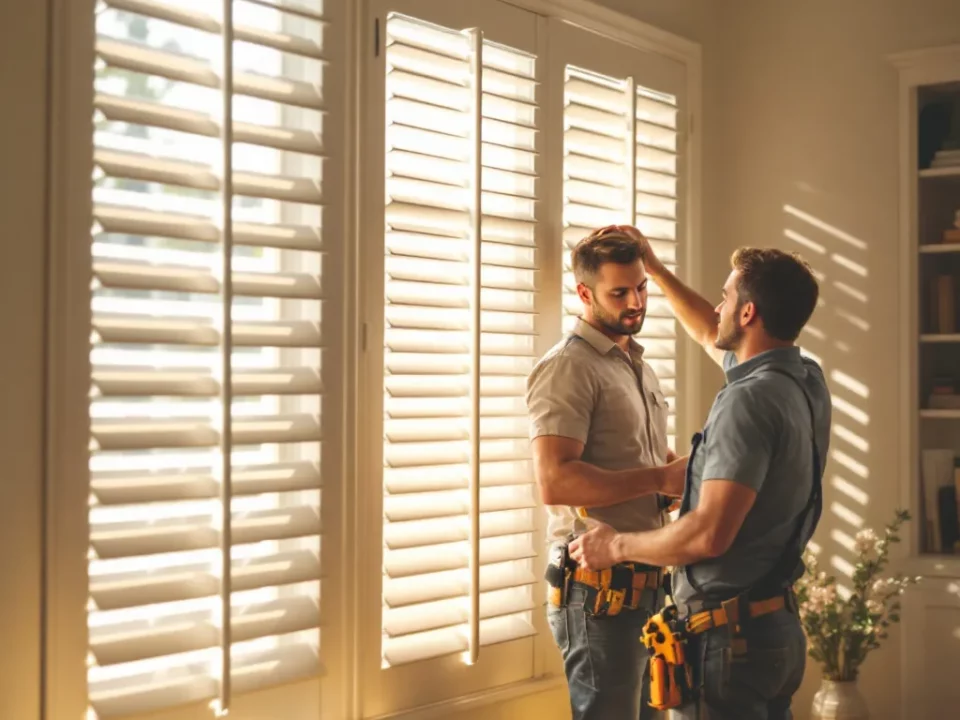
If your home needs attention, our team provides hands-on inspections and repairs with a local perspective. We install and service Custom Shutters that suit Simi Valley’s light and weather patterns, and we’ll advise whether a repair or a full replacement will serve you best. Reach out to arrange an in-home assessment and keep your shutters protecting and enhancing your living spaces.
The Window Blind Connection
535 Hawks Bill Place, Simi Valley, CA 93065
Phone: +1 818-416-5534