

Troubleshooting Common Aluminum Blinds Issues in Simi Valley California
August 10, 2026
Wood Blinds Maintenance Strategies for Simi Valley California Homes
August 10, 2026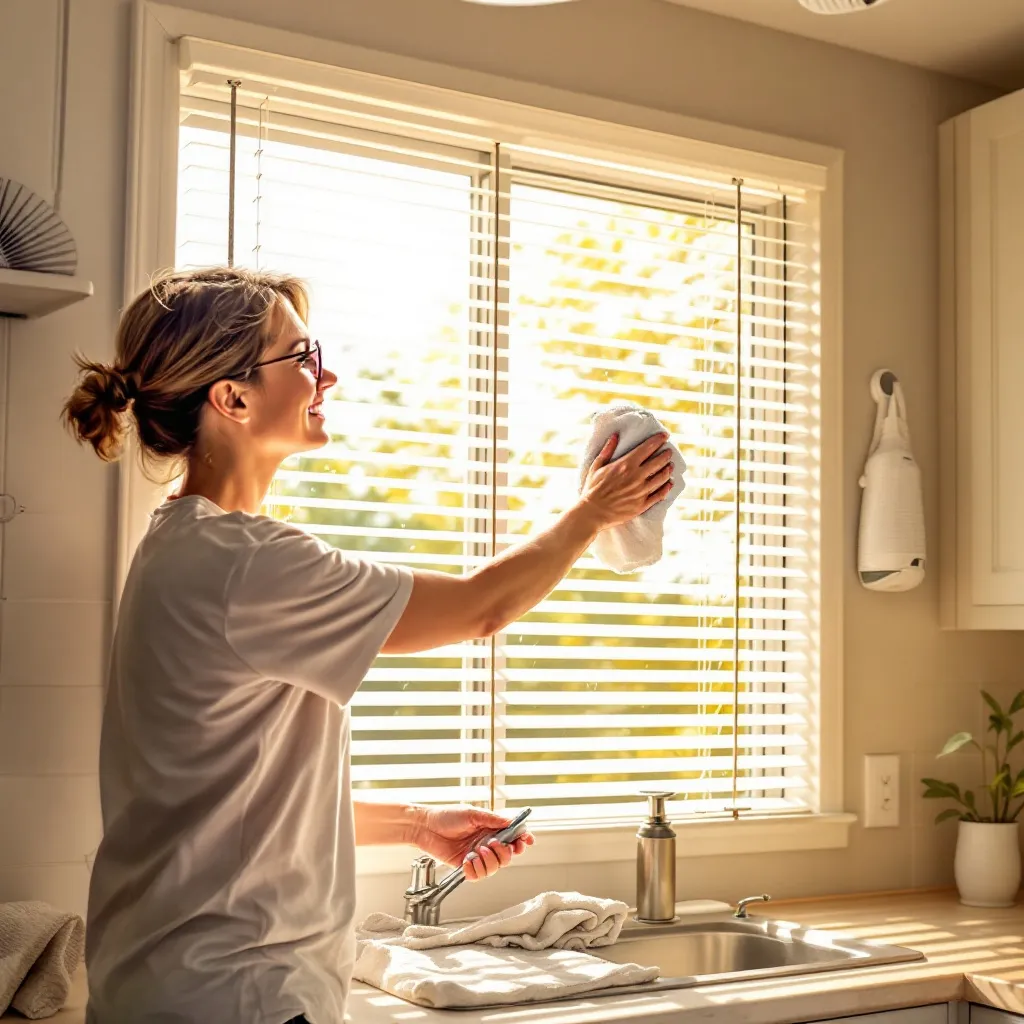
As someone who has installed and cared for window coverings across Simi Valley for many years, I know firsthand how the coastal sun and occasional inland humidity can affect window treatments. If you own Aluminum Blinds in your home, a little seasonal attention preserves appearance and function. For practical, reliable products we recommend, consider Aluminum Blinds designed for California climates — they’re lightweight, reflective, and built to last when maintained properly.
Aluminum Blinds: Why They Suit Simi Valley Homes
Aluminum blinds are a popular choice here for good reasons. They reflect heat, resist warping from humidity shifts, and are available in finishes that stand up well to direct sunlight. In Simi Valley where afternoon sun through west-facing windows can be intense, the metal slats help reduce glare and protect interior furnishings. They are also easy to operate and fit a range of window sizes, from standard bedrooms to large patio doors that frame our scenic hills.
Seasonal Cleaning and Gentle Maintenance
Seasonal cleaning is the cornerstone of long-term care. Start each spring and again in late fall: close the slats and dust from top to bottom with a microfiber cloth or a static duster to remove loose particles. For deeper cleaning, open slats fully and wipe them with a damp cloth and a mild detergent diluted in warm water, then dry each slat to avoid water spots. Avoid abrasive pads or harsh chemicals—the finish on quality blinds is thin, and aggressive cleaners can dull or pit the surface. If you have pets or heavy pollen in your neighborhood, a light vacuum with a brush attachment can help remove trapped dust before a damp wipe down.
Protecting Finish and Preventing Corrosion
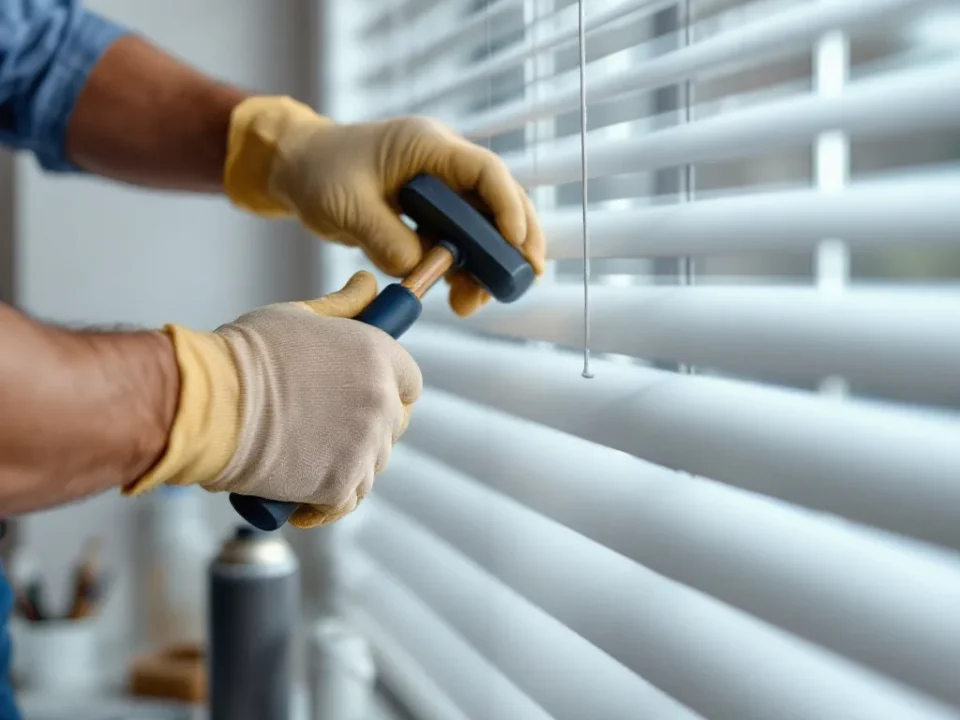
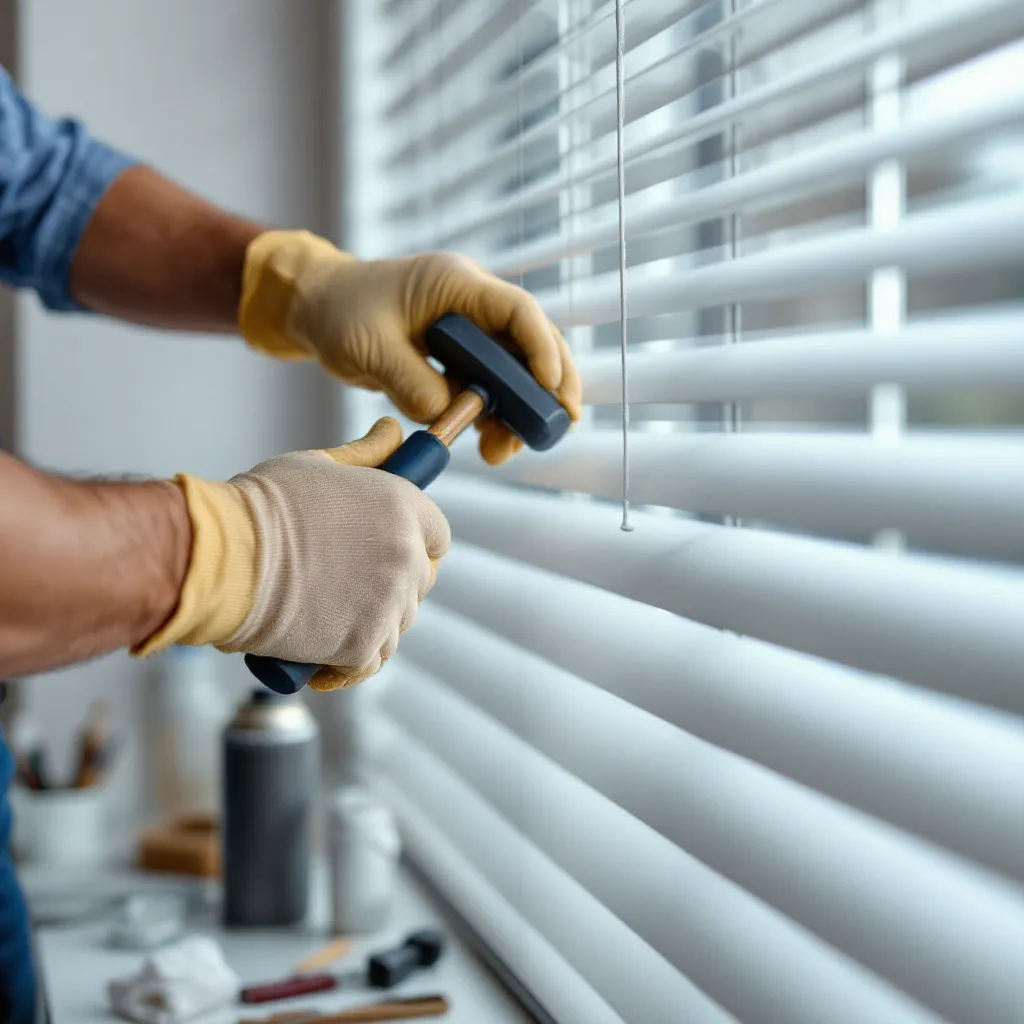
Although most aluminum blinds resist rust, prolonged exposure to coastal air or household cleaners with harsh salts can compromise finishes. After cleaning, ensure blinds are fully dry and operate them to check for stiffness or uneven movement. Lubrication of headrails is rarely needed with modern blinds, but if slats begin to stick, a dry silicone spray applied sparingly to moving parts can help—spray onto a cloth first rather than directly on the blinds to avoid overspray. For long-term protection, rotate slat direction periodically so one side isn’t continuously sun-exposed, reducing uneven fading over time.
Small Repairs and When to Call a Pro
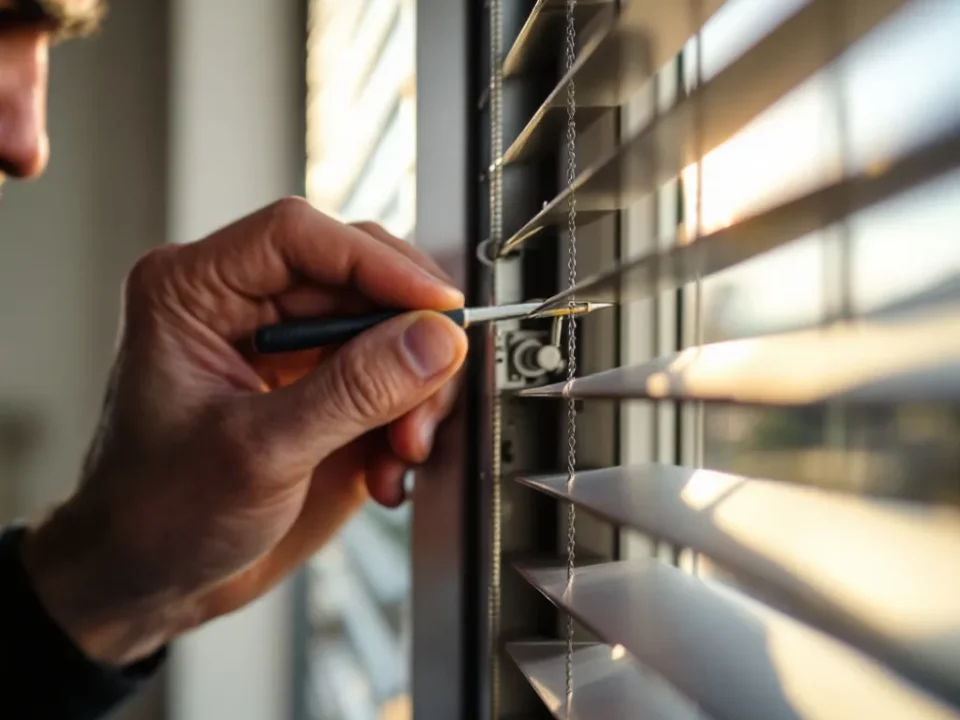
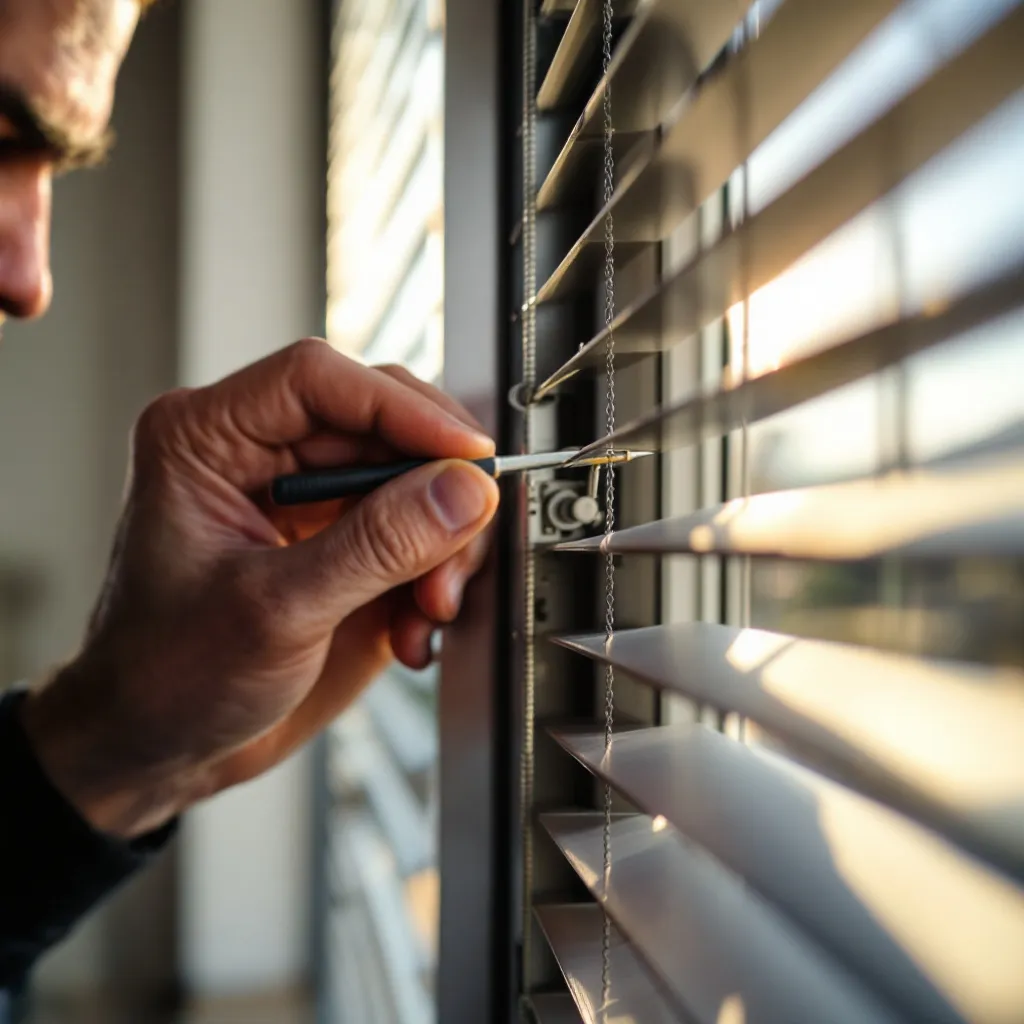
Minor issues are often simple: untangling cords, re-centering slats, or replacing a single broken clip can usually be handled without removing the entire blind. Keep spare slat clips and tilt mechanisms if you can, and inspect cords and ladders for fraying—these are safety points as well as functional items. When slats are bent across a wide area, or the headrail is damaged by impact, replacement of sections or the whole unit is usually more cost-effective. If you’d prefer professional support, we provide on-site assessments and can match replacements so colors and operation remain consistent with original installations.
For homeowners interested in product options while planning a maintenance schedule, our local team offers samples and demonstrations. The right material and finish for a south or west-facing window can make seasonal maintenance easier and lengthen the period between deep cleanings. We feature durable Aluminum Blinds that pair well with energy-conscious homes, helping moderate interior temperatures while keeping a clean, modern look.
Energy and Light Management Throughout the Year
Simple changes in how you use your blinds seasonally will improve comfort and lower wear. In summer, close slats during the hottest part of the day to reflect heat away; in winter, open slats to allow sunlight to warm rooms. Tilt slats slightly to direct light upward and reduce direct glare on screens and artwork. Proper operation also reduces the need for replacing blinds damaged by overheating or prolonged sun exposure. When combined with insulation strategies like cellular shades or heavy curtains during the coolest months, aluminum blinds contribute to a more efficient home year-round.
FAQ
Q: How often should I deep-clean my aluminum blinds?
A: For most Simi Valley homes, a deep clean twice a year—spring and fall—is sufficient. Dusting monthly helps prevent buildup and makes seasonal cleanings easier.
Q: Can aluminum blinds be repaired if slats are dented?
A: Small dents can sometimes be smoothed by gently pressing them back into shape, but widespread damage usually means replacing the affected slats or the entire blind for even appearance and proper operation.
Q: Are aluminum blinds safe around kids and pets?
A: Yes, when installed with safety features like cordless options or cord cleats. Check cords regularly for wear and keep them secured out of reach; consider cordless or motorized control for high-traffic or child-occupied rooms.
Q: Will aluminum blinds fade in the California sun?
A: Most quality aluminum blinds have UV-resistant finishes, but all materials will show some fading over years. Rotating slat exposure and choosing durable finishes will slow the process.
If your home needs advice or an in-home consultation, we’re here to help with personalized recommendations and installation. For Simi Valley residents looking to upgrade or maintain window treatments, consider our durable options and local expertise—especially our trusted Aluminum Blinds. Whether it’s seasonal care tips or a full replacement, I’ll walk through the best choices for your light, privacy, and maintenance preferences.
The Window Blind Connection
535 Hawks Bill Place, Simi Valley, CA 93065
Phone: +1 818-416-5534