
Plantation Wood Blinds for Wide Windows in Simi Valley California
January 16, 2026
Aluminum Window Blinds for Sale in Simi Valley California
January 16, 2026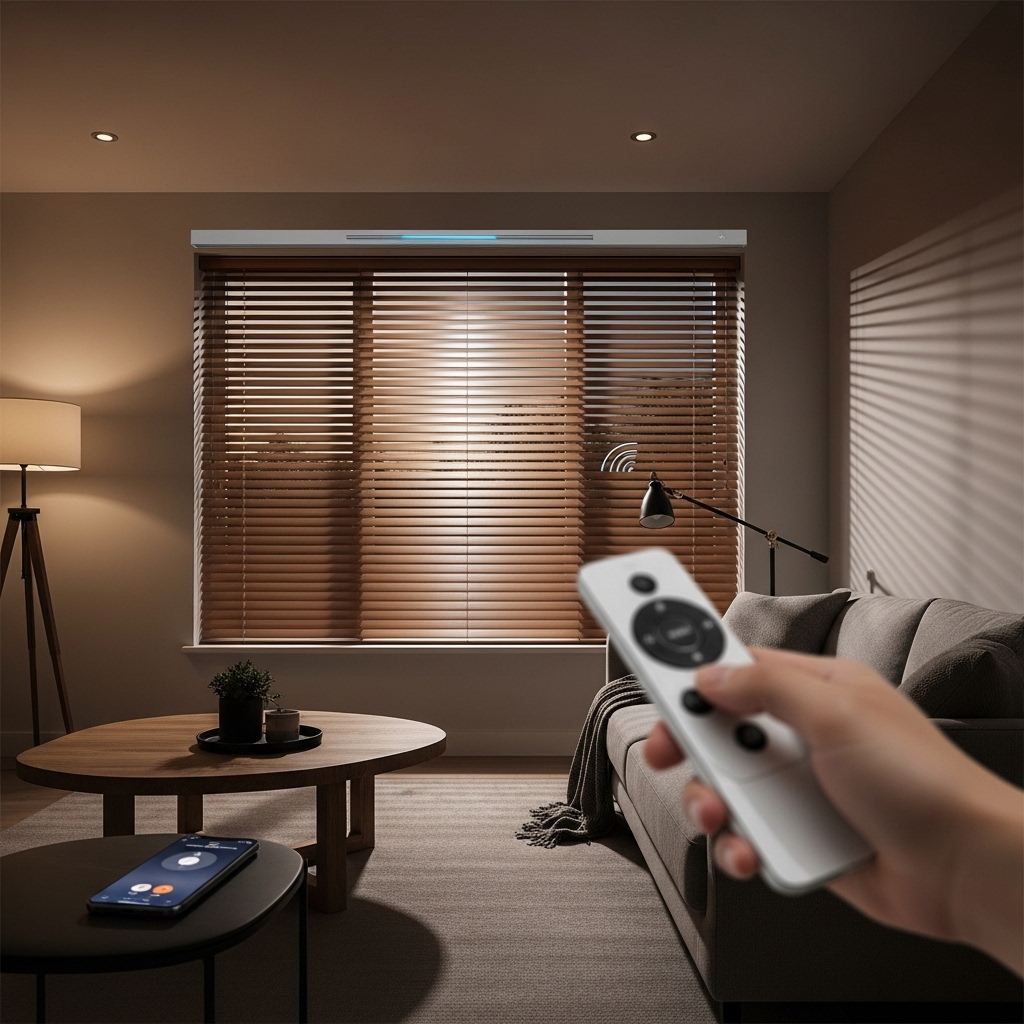
Smart homes are as much about comfort as they are about technology, and in Simi Valley that comfort starts with light. Motorized wood blinds give you the classic warmth of natural materials with a layer of intelligent control that fits the way we live along the 118 corridor. Mornings can be bright and clear; afternoons, especially on west-facing elevations, demand more finesse. Automating tilt and lift where appropriate transforms how rooms feel with almost no effort. As a local consultant, I help homeowners pair the timeless appeal of wood with discreet motors and controls that feel natural to use. If you are just beginning to explore, a quick look at today’s best wood blinds will help you visualize styles and finishes that motorize beautifully.
Why motorized wood blinds make sense locally
Our valley’s light is vivid, and the daily arc of sun across hills and rooftops is predictable but intense. With motorization, you can angle slats up in the afternoon to protect floors and furniture from UV, then open them slightly at sundown to keep rooms luminous without glare. Early risers in Santa Susana often schedule gentle morning tilts that brighten breakfast nooks, while families near Big Sky set afternoon scenes that temper heat in open living areas. The technology is simple, and when you watch it run, it feels like your home is breathing with the daylight.
Beyond convenience, there is consistency. Manual adjustments vary from day to day. Automated scenes repeat the exact settings that worked yesterday, which is especially helpful for wide windows where a uniform tilt across multiple panels keeps the room feeling composed. Consistency is comfort, and motorized blinds deliver it quietly.
How the systems work
Motorized wood blinds typically focus on tilt, with optional lift available in selected configurations. Tilt motors are compact and tuck neatly into the headrail. Power can come from long-lasting batteries, a plug-in supply, or wired low-voltage connections. In existing homes, battery power is popular because it installs cleanly with minimal disruption. In new builds or major remodels, prewiring for a low-voltage supply yields a sleek, maintenance-light setup.
Control options range from handheld remotes to wall-mounted keypads and mobile apps. Many systems integrate with voice assistants and smart home hubs, allowing you to create scenes like “Morning,” “Work,” and “Evening.” Schedules can follow time-of-day or sunrise/sunset, adjusting automatically as seasons change. For south-facing rooms, midafternoon scenes that angle slats upward are particularly effective at cutting glare while keeping spaces bright.
Design first, technology second
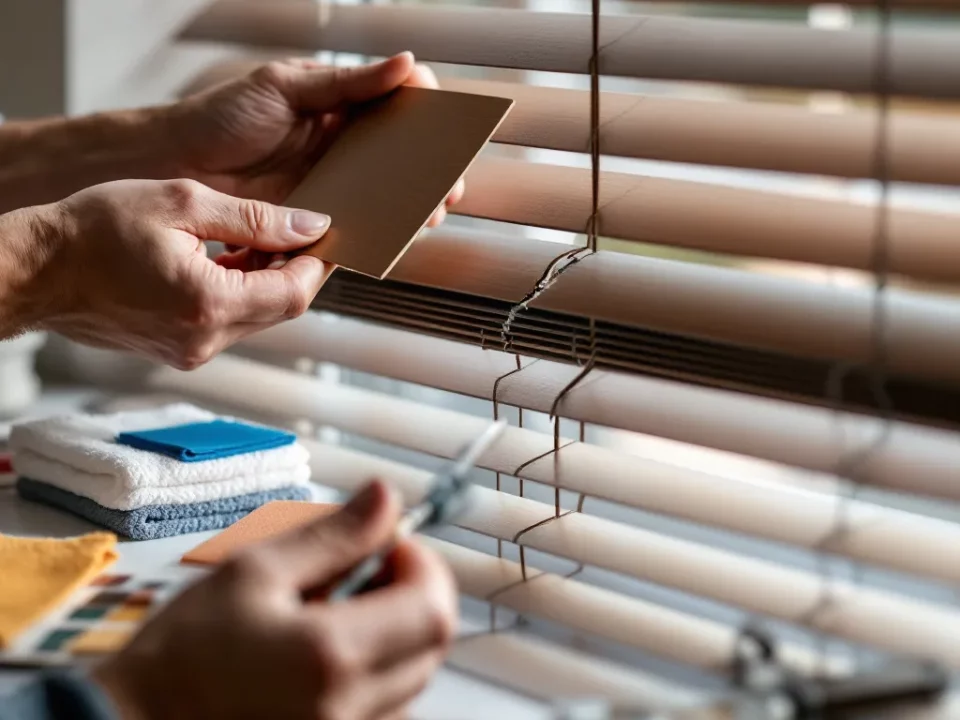
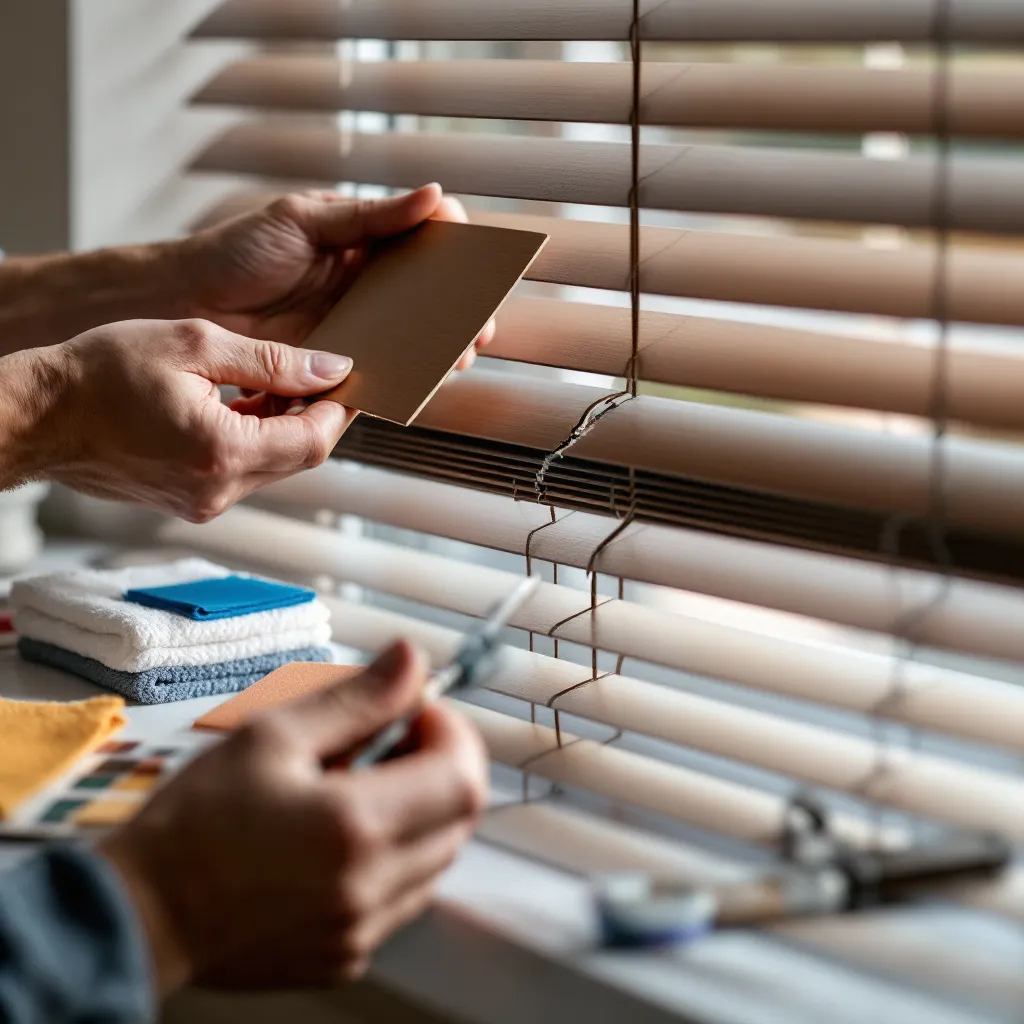
The best motorized projects begin with the same design fundamentals as any great blind: slat width, finish, and proportion. Wood species and finishes should be chosen for stability and colorfastness under strong light. Once you love how the blinds look, we layer in the motor and controls that suit your home. I bring full-size samples to your windows because that is the only way to see how slats interact with your architecture and your view.
Wider, plantation-style slats are a favorite in Simi Valley’s open-plan spaces, offering generous view-through when tilted open. In cozier rooms, a moderate slat preserves a traditional feel. Either way, the motorization remains discreet. When set properly, the blinds glide into position and stop with precision, maintaining even reveal lines across multiple panels.
Battery vs. wired power
Battery-powered systems are ideal for retrofits and for windows where running cable would be intrusive. Advances in motor efficiency mean batteries last a long time under normal use, and simple recharge or replacement routines keep maintenance easy. Wired low-voltage power is excellent for new construction or when walls are open during renovation. It removes battery maintenance and supports whole-home integrations where many windows move in concert. A hybrid approach—wired in main living areas and battery in secondary rooms—often brings the best balance of simplicity and performance.
Whichever path you choose, planning power access at the consultation stage ensures the finished look stays clean. Concealed channels, neat wire management, and color-matched hardware protect the design integrity of your windows.
Smart integration and scenes
Motorized tilt shines when paired with simple scenes. A “Work” scene in a home office might angle slats to minimize monitor glare. A “Cool Afternoon” scene could lower heat gain in a west-facing family room by tilting slats upward across all panels. “Evening” might reopen them slightly to reconnect you with views while preserving privacy. Voice control is helpful when your hands are full, but most homeowners rely on automatic schedules after the first week because the home simply remembers what feels best.
Geo-fencing and sunrise/sunset scheduling add extra intelligence. Your blinds can respond to where you are and the time of year, keeping the home comfortable without constant attention. The essence of good smart-home design is to set it and trust it, and motorized wood blinds do that effortlessly.
Safety and accessibility
Cordless motorized operation eliminates dangling cords, delivering a clean look and peace of mind for families with children and pets. For accessibility, wall controls placed at an ergonomic height or voice commands make daily use comfortable for everyone. In tall installations over stair landings or built-ins, motorization turns what would be a ladder task into a button press, preserving both safety and the integrity of your walls and trim.
Noise is minimal with quality systems. You will hear a soft hum during movement, then silence. Precise stop points ensure slats align evenly across a wall of windows, a detail that gives a room its composed, finished feel.
Wide windows, multiple panels, and clean alignment
Large Simi Valley windows are often best handled with multiple panels on a single headrail. Motorization allows those panels to tilt in unison or in zones, depending on how you want to use the room. In a family area, you might open the center panel to keep views active while angling the flanking panels to control glare on seating areas. Scheduling those behaviors creates an elegant daily rhythm without manual tweaking.
Careful measurement is crucial. Depth, squareness, and potential obstructions like handles or sensors all inform whether inside or outside mount is best. A seasoned installer plans bracket and support placement to keep lines straight and the valance tight, even on very wide spans.
Finish durability under bright conditions
Because our light is strong, finishes must be chosen for UV resilience and easy maintenance. Painted whites brighten rooms and pair naturally with contemporary trim. Warm stains add depth and feel grounded in spaces with wood floors and natural textures. In either case, a subtle sheen controls glare while keeping surfaces easy to dust. On motorized installations, consistent finish quality across panels is important so the whole wall reads as one unified element when scenes run.
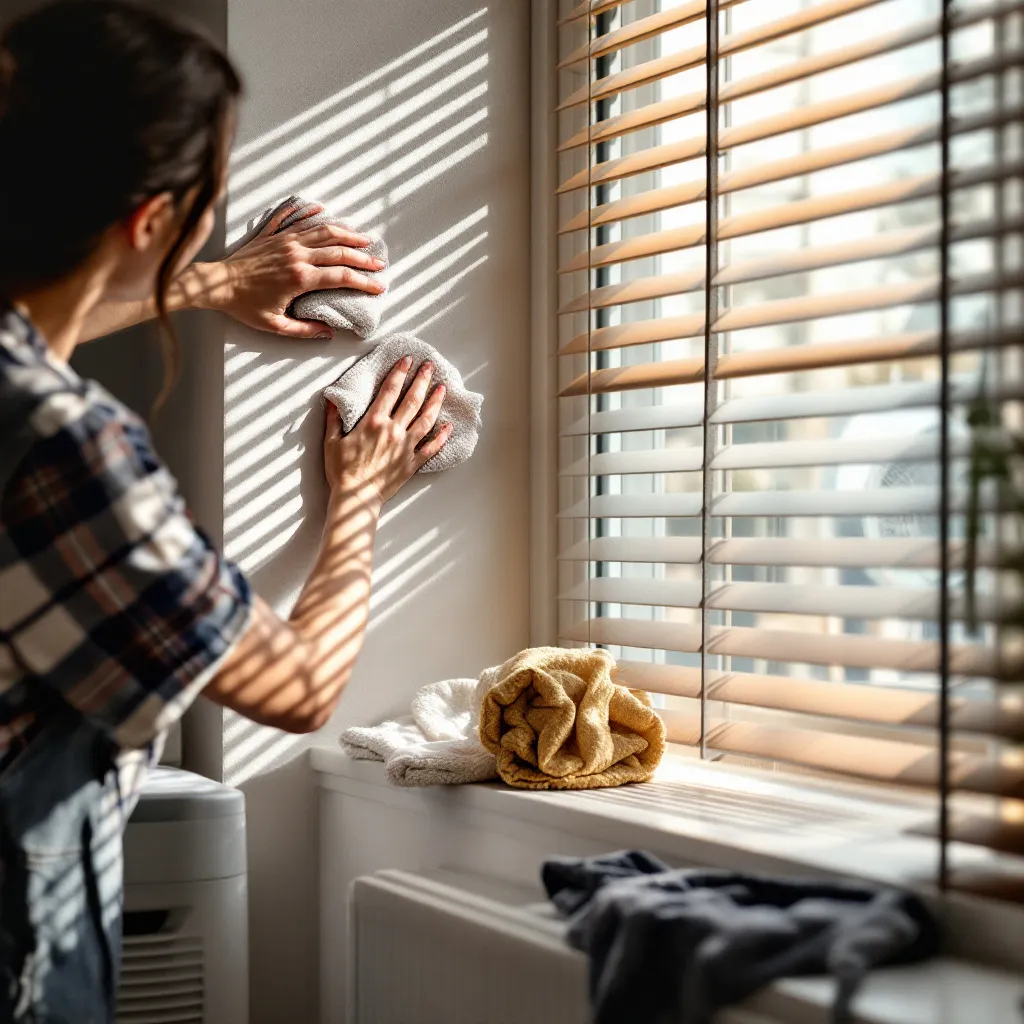
Maintenance is simple: dust slats regularly, and give bottom rails a quick wipe as needed. Motors themselves are largely maintenance-free, and with proper installation, you should expect smooth, consistent operation day in and day out.
Privacy and view management with a tap
One of the quiet pleasures of motorized blinds is the ability to change mood instantly. For a morning yoga session, a gentle tilt creates privacy while filling the room with soft light. During dinner, a subtle shift upward shields the table from low sun without disconnecting you from the backyard. After sunset, a tighter close keeps interiors private and restful. These micro-adjustments are the difference between window treatments you tolerate and ones you love.
Routeless options improve nighttime privacy, while decorative tapes can introduce a tailored accent or hide ladders for a cleaner look. With motorization, these design choices still function seamlessly, preserving the look you want with the convenience you expect.
What to expect during consultation and installation
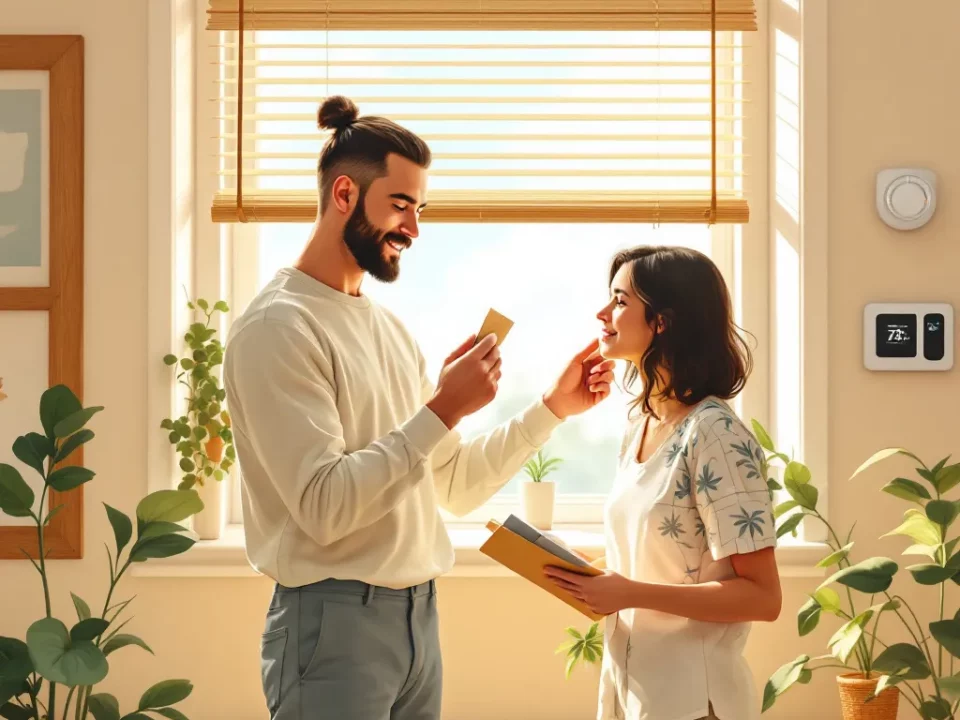
The process begins with conversation and measurement. We look at each room’s light, your daily patterns, and any hard-to-reach windows that would benefit most from automation. I bring working samples so you can feel the motor response and hear the sound level. We compare finishes in the actual window and confirm slat width, headrail configuration, and power strategy. Thoughtful planning is what makes installation day uneventful and satisfying.
On the day of installation, the team protects floors, manages dust, and moves efficiently through the home. Motors are paired with remotes or your preferred control app, stop points are calibrated, and scenes are programmed. You will learn how to make quick adjustments and how to update schedules as seasons change. The aim is that after we leave, the system feels intuitive, not technical.
Mid-project check-ins and fine-tuning
Between order and install, we may touch base to confirm any open decisions—finish tweaks, power access, or integration with a smart hub. If a room’s lighting profile changes due to new furniture or paint, we can adjust the plan. These small check-ins ensure the final system matches the way you truly live, not just the way you imagined it during the first meeting. If you want additional inspiration, reviewing a gallery of motorization-friendly wood blinds can reinforce your slat and finish choices before production.
Frequently asked questions
Do motorized wood blinds work during power outages?
Battery-powered blinds continue to operate normally during outages, and even wired systems often retain memory for scene positions once power returns. For critical rooms, a battery or hybrid approach keeps daily function uninterrupted.
How long do batteries last in typical use?
Battery life depends on window size and frequency of movement, but modern motors are efficient and designed for long intervals between charges or replacements. Your installer will recommend a power strategy based on your home’s usage patterns.
Can motorized blinds integrate with my smart home platform?
Yes. Most systems integrate with popular voice assistants and hubs, allowing scenes, schedules, and voice commands. During consultation, we will confirm compatibility and plan the simplest, most reliable setup for your devices.
Are motorized blinds loud?
Quality motors produce a soft, brief hum during movement and are otherwise silent. Proper installation, including secure brackets and accurate calibration, keeps operation smooth and quiet.
Is maintenance different from manual blinds?
Maintenance is similar. Dust slats regularly and wipe rails as needed. Motors require little to no routine upkeep. If service is ever needed, local support can diagnose and adjust settings quickly.
Can I motorize only certain windows?
Absolutely. Many homeowners motorize a few key locations—tall windows, hard-to-reach spots, or rooms where light changes frequently—and keep others manual. The blended approach balances convenience, simplicity, and aesthetics.
If you are ready to bring intelligent light control and the natural warmth of wood together in your home, schedule a friendly in-home visit with a local specialist who understands our climate, architecture, and smart-home ecosystems. We will confirm finishes, slat width, power strategy, and the scenes that match your routines, then deliver a clean, precise installation. When the time feels right, start the conversation and explore elegant, motorization-ready wood blinds to make every day in your Simi Valley home more comfortable and beautifully lit.