

Average Wood Blinds Installation Cost in Simi Valley California
December 17, 2025
Custom Shutters vs Wooden Plantation Shutters in Simi Valley California
December 23, 2025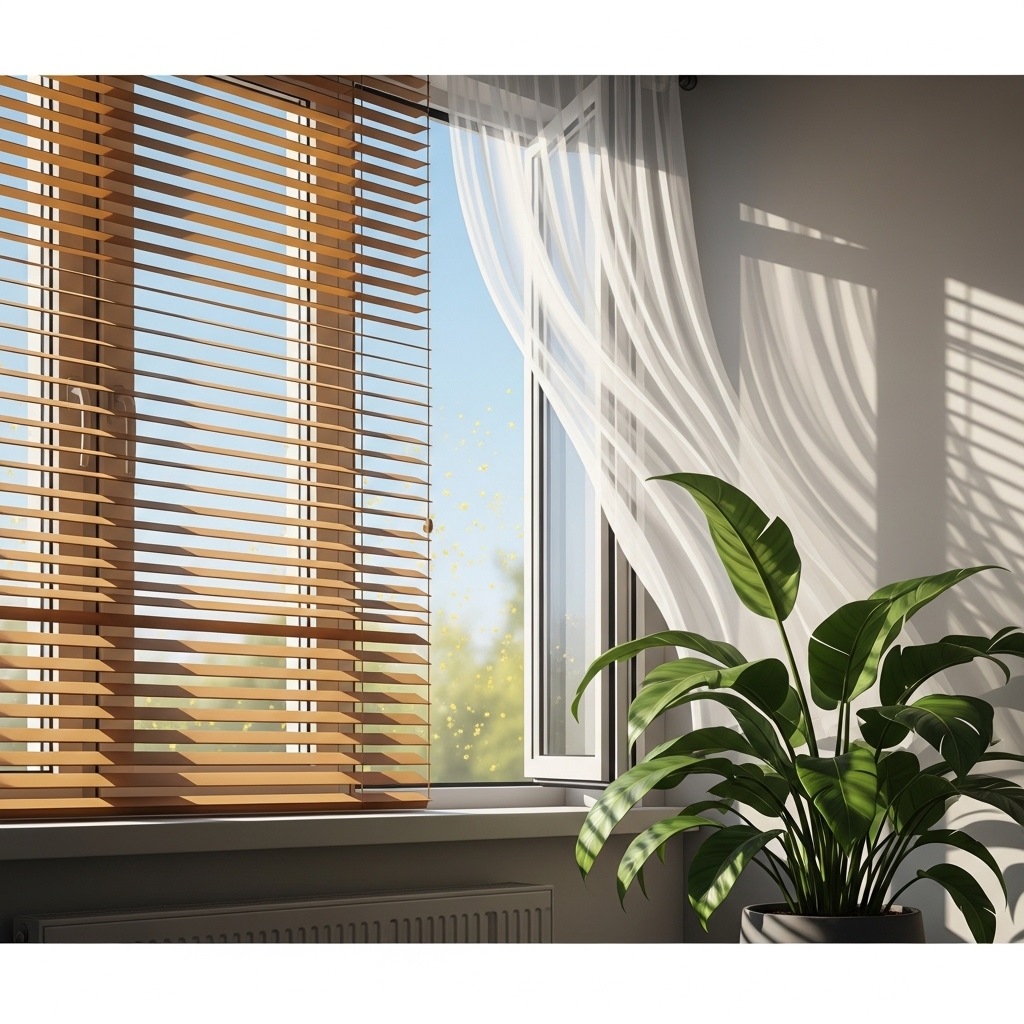
Living in Simi Valley means our homes experience gentle winters, bright, dry summers, and the occasional gusty spell that carries dust from the hills into our neighborhoods. That rhythm is as much a part of daily life as the evening glow on the ridgelines, and it informs how we care for our homes, especially our window treatments. If you want your wood blinds to look warm and refined through every season, the key is to match your routine to the seasons themselves. With a few timely adjustments—more dusting in windy months, smarter shading in summer, and moisture awareness when storms blow through—you can protect the finish, preserve smooth operation, and keep rooms comfortable without constant fuss.
Spring: Pollen, Breezes, and Fresh Starts
When spring lights up Simi Valley, windows fly open and fresh air flows through. Along with that welcome breeze comes pollen that settles lightly on every surface, including slats and headrails. Spring is the moment to reestablish your baseline. Begin with a careful dusting using a soft microfiber cloth, slats closed first, then reversed. This two-pass approach lifts pollen and grit rather than rubbing it into the finish. Take an extra minute to dust the headrail and tilt mechanism; the first windy week can deposit more in those channels than you’d expect.
As the days lengthen, morning sun can arrive at sharper angles than you remember from winter. Adjust your slats to bounce light onto the ceiling rather than invite it straight onto furniture or floors. That gentle redirection reduces UV on your blinds and keeps temperatures from spiking in the room. If spring showers roll in, let the steam and humidity clear before fully lowering blinds in bathrooms or kitchens. It’s a small timing tweak that prevents moisture from softening the finish.
Summer: Sun Management and Heat Control
In summer, Simi Valley’s sunshine is relentless. This is where your slat angles and routine shading become a daily practice. During the hottest hours, keep slats mostly closed and tilted to reflect light outward. When you’re away, set a consistent angle that protects the finish while still allowing gentle illumination. Consider pairing wood blinds with a sheer drape pulled across during peak hours. That fabric layer filters the harshest rays before they reach the wood, guarding against fading and heat-related stress on joints and ladders.
Operationally, summer is the time to listen for subtle changes. Heat can make components expand slightly, and dust moving in from afternoon winds finds its way into gears and cord paths. If a tilt wand feels a little rough or the cord pulls unevenly, pause and do a quick headrail clean with a soft brush. A small burst from a hand blower can clear pockets of grit that aren’t visible. These quick corrections keep mechanisms supple through the hottest stretch.
Fall: Santa Ana Awareness and Finishing Touches
Autumn carries a kind of beauty that’s particular to our area: cooler nights, clear skies, and occasionally those Santa Ana winds that roll down the canyon with warm, dry force. This is when dusting matters most. Increase frequency to every few days in rooms facing the wind, and keep your strokes gentle to avoid pushing fine grit into the finish. If you’re doing a deeper clean, test any wood-safe conditioner in a hidden spot before applying it to a broader area. The goal is to maintain luster without leaving a tacky residue that will attract the very dust you’re trying to keep away.
In the fall, I also like to check mounting brackets and confirm that blinds are still hanging level. Wind vibration and summer heat can nudge hardware over time. Gently snugging loose screws and making sure the headrail sits square in its brackets protects the lift system and prevents cords from tracking unevenly.
Winter: Gentle Moisture and Quiet Maintenance
Winters here are mild, but when a storm moves across the valley, we experience short bursts of humidity. This is a good season to emphasize ventilation in bathrooms and kitchens. Run exhaust fans during showers or steamy cooking sessions, and wait until moisture dissipates before closing blinds tight. If a slat does get a little damp, blot, don’t rub. The finish is more vulnerable when warm and moist at the same time, and a light touch preserves it beautifully.
Winter’s softer sun also gives you a chance to observe your blinds without the pressure of intense heat. Lower them fully and take a slow, attentive look. Are there dulled areas on a west-facing set from summer exposure? Are the cords showing signs of fray where they pass through the headrail? This is the season to note those little flags and plan for spring attention, whether that’s a slat replacement or a quick service call.
Monthly Routines That Anchor the Year
The seasons set the big moves, but a monthly cadence keeps everything aligned. Once a month, give each set a full pass: dust with slats flat, then reversed; wipe gently with a barely damp microfiber if needed; and follow immediately with a dry section. After cleaning, run the full range of motion—raise, lower, tilt—while listening for anything that sounds off. Feel for consistent resistance in the cords, and watch for any slat that hesitates or rides high. These small tests are like checking a car’s tire pressure before a road trip.
During that monthly session, inspect the finish in natural light. A soft, even glow means your routine is working. If you notice early signs of wear, consider increasing shading during the hottest weeks or introducing a sheer layer for the next long summer stretch. The sooner you respond to what you see, the less you’ll need to fix later.
Room-by-Room Nuance
No two rooms behave the same. A south-facing kitchen with an active stovetop demands different care than a calm, north-facing bedroom. In kitchens, grease is the quiet adversary. Regular, light cleaning after heavy cooking helps avoid the kind of build-up that clings to dust and challenges the finish. In bathrooms, the fan is your best friend. Run it long enough that mirrors clear before you adjust blinds. In quiet rooms, your focus can stay on gentle dusting and smart shading.
For homes with pets or young children, adjust your habits slightly. Consider raising blinds an inch higher than the sill to create a space for pets to peek out without pressing on the lowest slats. Secure cords with safety cleats and keep loops short or breakaway-equipped. Smooth daily interactions are part of seasonal care; after all, the way blinds are used shapes how they age.
Mid-Year Tune-Up and Product Considerations
Midway through the year—often around early summer—pop the valance off and take a look at the headrail. Check that brackets are snug and that ladders haven’t shifted. Dust moves in mysterious ways, and a quick brush or air burst can keep tilt gears and cord paths clean. If you’ve been thinking about upgrades or matching treatments across rooms, this is also a natural moment to review options. Modern selections of wood blinds come with finishes engineered for higher UV resistance and slat widths that influence both style and ease of cleaning. Aligning product choices with your window exposures simplifies seasonal maintenance.
For windows that get hammered by afternoon sun, a lighter stain can hide minor dust and wear better than a deep, glossy finish. In rooms where you prefer a dramatic tone, commit to more frequent dusting and shading during the hottest hours. Thoughtful pairing of finish and orientation ensures your blinds age gracefully, with care routines that fit your lifestyle instead of working against it.
Cleaning Technique Details That Matter
Technique is everything when you’re trying to avoid micro-scratches that dull a finish. Let the cloth do the work, not your elbow. Glide with the grain, and keep pressure light. If you hit a spot that won’t budge, don’t bear down. Dampen a clean section of the cloth slightly, dab the area, and immediately dry it. Repetition beats force, and patience keeps the surface looking rich and even.
When it’s time to address the headrail, remove the valance carefully and set it on a soft towel. Work methodically from one end to the other, clearing channels and inspecting the gear for grit. Resist the urge to lubricate unless you’re dealing with metal-on-metal points that are clearly dry. Most of the time, cleanliness restores smooth function without the need for additional products.
Signs It’s Time for Service
Seasonal care is designed to keep you out of trouble, but some signs deserve a closer look. If you notice cords fraying, ladders loosening, or slats taking a set that doesn’t relax with shading, it’s time to call for a repair. Similarly, if a tilt wand clicks or catches no matter how clean the headrail is, a small part may have worn. Addressing these issues early is quicker and preserves the overall look of the set.
Replacement enters the conversation when damage is widespread or when the finish has faded significantly on multiple slats facing the same exposure. At that point, changing out the set can simplify your life and refresh the entire room. The good news is that well-maintained blinds in Simi Valley routinely deliver years of service, even in sunlit rooms, when you follow a seasonal rhythm.
FAQs
How often should I clean wood blinds during windy seasons?
Increase light dusting to every few days when Santa Ana winds kick up or during high pollen weeks in spring. Gentle, frequent passes are safer and more effective than infrequent heavy cleaning.
What is the safest way to remove sticky spots?
Use a microfiber cloth barely dampened with clean water, dab the spot, and follow immediately with a dry section. If needed, a manufacturer-approved, wood-safe cleaner used sparingly can help. Avoid spraying directly on the slats.
How can I protect against summer fading?
Angle slats to reflect light, add a sheer layer during peak sun, and consider finishes with strong UV resistance. Consistency during the hottest hours matters more than intensity.
Are wood blinds suitable for bathrooms?
Yes, if the space is well ventilated and the blinds have moisture-resistant finishes. Run the fan during and after showers, and avoid lowering blinds into heavy steam.
What should I do if the tilt wand feels rough?
Remove the valance and gently brush or blow out dust from the tilt mechanism and headrail. Most roughness is grit-related. If the problem persists, a small part may need replacement.
When you’re ready to align your home’s rhythm with smart, seasonal care—or to explore updated finishes designed for our climate—take a closer look at today’s wood blinds, then connect with a local specialist who can tailor the plan to your Simi Valley windows and the way you live.