
Custom Shutters vs Wooden Plantation Shutters in Simi Valley California
December 23, 2025
Energy Efficient Aluminum Blinds Benefits in Simi Valley California
January 5, 2026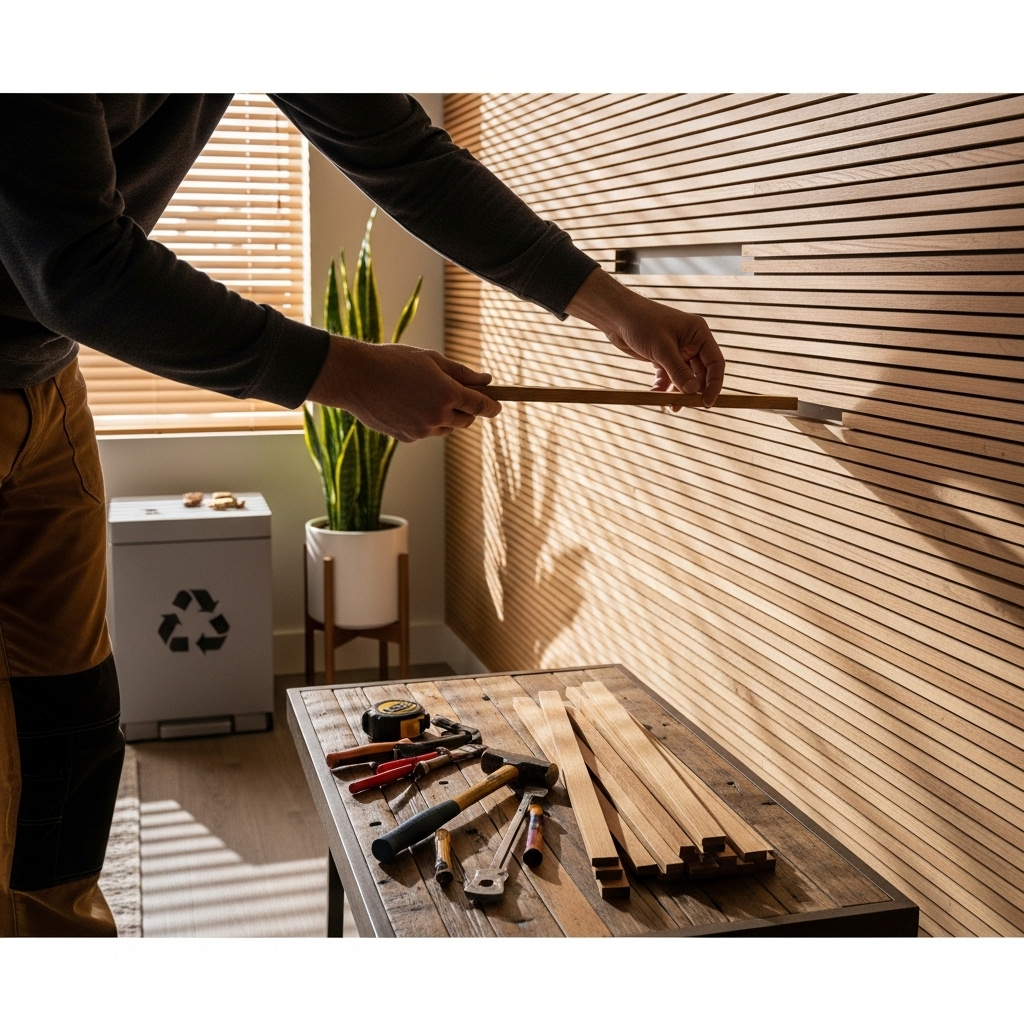
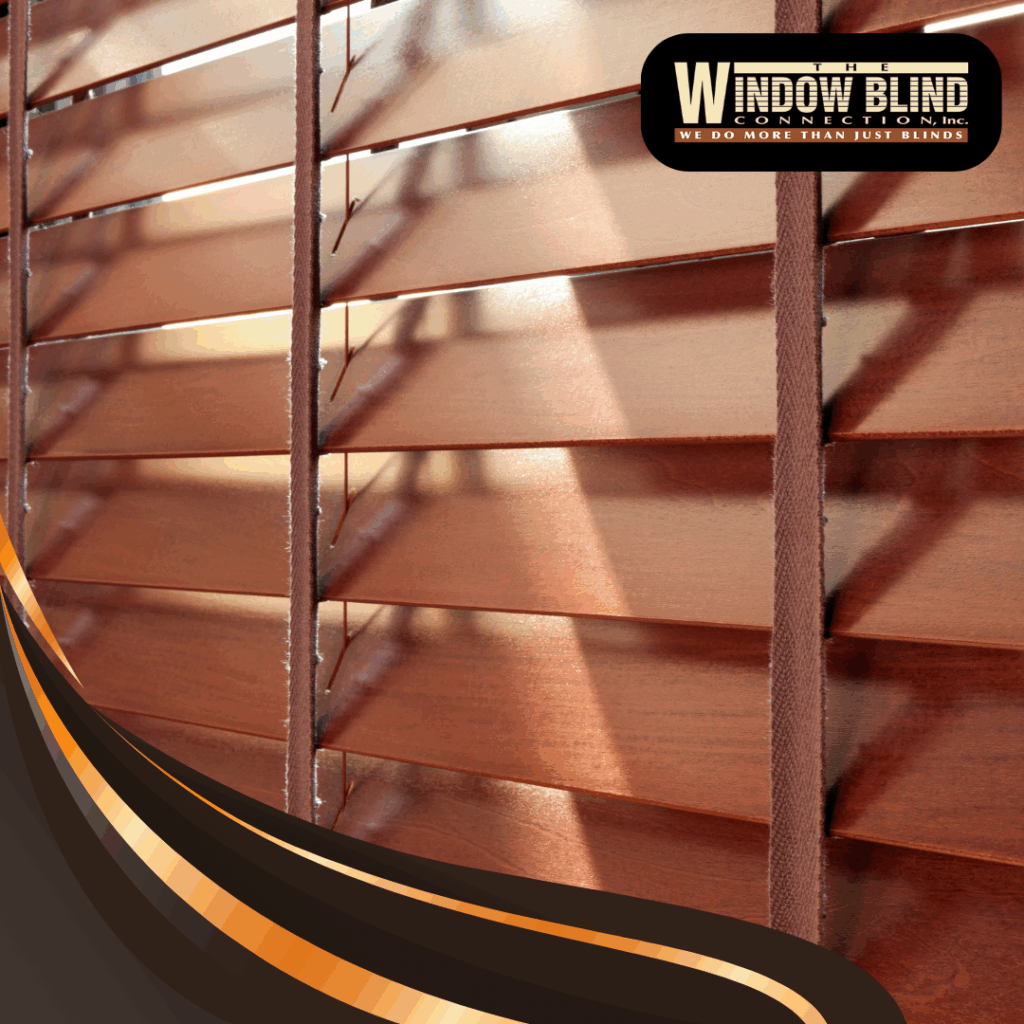
Ask ten Simi Valley homeowners why they chose wood blinds and you’ll hear a common refrain: warmth, texture, and a timeless look that suits everything from a ranch house near the old town to a modern build tucked against the hills. But there’s another angle worth exploring, especially as more of us pay attention to how our homes interact with the environment. Thoughtful choices about materials, maintenance, and end-of-life handling can make your wood blinds a responsible, long-lived component of a comfortable home rather than a short-term decorative fix. When we look closely at sourcing, durability, indoor air quality, energy performance, and disposal, a fuller picture emerges—one that shows how wood blinds, chosen and cared for wisely, can align with both style and stewardship in Simi Valley.
Sourcing and the Story Behind the Slats
The environmental journey of a blind begins long before it meets your window. Wood species, harvesting practices, and finishing methods shape the footprint of the final product. Many reputable manufacturers use responsibly sourced woods and transparent supply chains to ensure that the material comes from forests managed for long-term health. While certifications and labels vary, the key takeaway for homeowners is to ask the right questions: where the wood originates, how it’s processed, and what finishes are applied. A well-made blind that prioritizes sustainable sourcing forms the foundation of a more responsible home.
In Simi Valley, where the sun is bright and the air is dry, the durability of the chosen species matters. Harder woods and finishes designed for UV resistance last longer under our conditions, which means fewer replacements and a lower overall environmental impact. Longevity is a sustainability superpower; the longer something performs well, the less you consume over time. Pairing the right material with our local climate is a simple decision with outsized benefits.
Durability as a Form of Sustainability
It’s tempting to think of environmental impact as only about how something was made, but how long it lasts is equally important. High-quality wood blinds can serve a Simi Valley home for a decade or more when properly maintained. Routine care—gentle dusting, smart shading, and occasional hardware checks—doesn’t just preserve appearance; it prevents the slow degradation that leads to premature replacement. Every year you extend a product’s life is a year you avoid the raw materials, transportation, and energy that go into manufacturing a new one.
Durability also touches the repairability of a product. Wood blinds are remarkably serviceable. Individual slats can be replaced, ladders re-strung, and cords swapped when they show wear. This modularity means problems don’t have to cascade into full replacements. Support local repair expertise when you can; it keeps materials in use and invests in the kind of knowledge that sustains a community’s built environment.
Energy Performance in a Sunny Valley
Our climate gives us a practical reason to care about energy performance: on a scorching August afternoon, the right window treatment can ease the burden on your air conditioning without plunging your rooms into darkness. Wood is a natural insulator. Properly angled slats reflect and diffuse heat while allowing daylight to filter in. That combination reduces heat gain and keeps interior temperatures more stable. In winter, even mild as ours tends to be, lowered blinds create a small insulating layer that helps retain warmth during cool nights.
What’s remarkable is how much control you have without touching a thermostat. By tilting slats to bounce light toward the ceiling during peak hours, you soften glare and reduce direct UV on floors and furniture. In rooms that take the full force of afternoon sun—think west-facing living rooms or kitchens—pairing wood blinds with lightweight drapery adds another layer of protection. The compounding effect is real: lower cooling demand equals fewer emissions upstream, which is part of your home’s environmental story.
Indoor Air Quality and Finishes
Indoor air quality has become a central conversation in healthy home design. Finishes used on wood blinds vary, and many modern options are formulated to minimize off-gassing. When you’re shopping or evaluating existing blinds, consider the finish as a functional layer that interacts with your daily life. A well-cured, low-odor finish that resists UV and dust adhesion translates to easier cleaning and less need for strong chemical products down the line.
Maintenance plays directly into this. A consistent routine of dry dusting with a microfiber cloth keeps surfaces clean without resorting to aggressive cleaners. If a deeper clean is necessary, a lightly dampened cloth followed by a dry pass is usually sufficient. The fewer substances you introduce into your home, the better your indoor air remains. In this way, the finish and your habits are partners in keeping the air fresh.
Water and Wood: Smart Practices for Kitchens and Baths
Wood and water don’t mix casually, but with attention, they can coexist. In kitchens and bathrooms, prioritize ventilation. Run fans during steamy moments and let moisture dissipate before lowering blinds tight. If a slat picks up a droplet, blot it rather than rubbing. These habits sound small because they are, and that’s exactly the point—big environmental wins often accumulate from many small, consistent choices.
It’s also worth matching materials to conditions. In spaces with constant humidity, composites may reduce risk, while in living areas and bedrooms, wood shines with warmth and texture. Being strategic room by room avoids premature replacements and aligns performance with expectation, which is as sustainable as it is sensible.
Repair, Refurbish, and Reuse
One of the most environmentally friendly steps you can take is to repair rather than replace. A frayed cord, a tired ladder, or even a handful of dented slats can be addressed individually. Local technicians can often restore smooth operation and renew appearance without discarding the entire assembly. If a set truly reaches the end of its useful life in your home, consider reuse before disposal. Cleaned slats can be repurposed for small household projects, and intact sets may find new life in a garage, workshop, or a less prominent window where aesthetic perfection isn’t critical.
Refurbishment is another path. Reconditioning the finish on an otherwise solid set can bridge years of additional use. The environmental logic is straightforward: every year you add to the lifespan of a product avoids the impacts of manufacturing and transporting a replacement. It’s the same principle that makes mending a favorite jacket worthwhile and satisfying.
End-of-Life and Responsible Disposal
Eventually, all materials reach a point where continued use no longer makes sense. When that day comes for your blinds, disassemble thoughtfully. Separate metal headrails, plastic components, cords, and wood slats. The metal may be recyclable through local programs, while wood can sometimes be directed to green waste or reclaimed depending on finish and local guidelines. Check with municipal resources for the most current options. Taking time to sort parts reduces landfill volume and gives each material its best chance at a useful second life.
For homeowners keen on minimizing waste, plan ahead. Keep records of the product line and finish so you can match parts during repairs. Store a few spare slats in a closet. These simple steps have an outsized effect when a minor mishap occurs, allowing a quick fix rather than a full replacement.
Aesthetics, Light, and the Human Element
The environmental conversation sometimes forgets the most immediate impact of a home decision: how it feels to live with every day. Wood blinds touch the quality of light in a room. With careful angling, you shape the way sunlight lands on surfaces, softening glare and adding dimension. When you love the way a space looks and feels, you tend to take better care of it. That emotional connection extends the life of your blinds and encourages you to maintain them with gentle, low-impact methods. In that sense, aesthetics are part of sustainability—they inspire stewardship.
In Simi Valley, the rhythm of light changes subtly with the seasons. Early summer mornings pour brightness through east-facing windows; late autumn afternoons throw warm beams across living room floors. Becoming a careful observer, and adjusting your blinds to suit those moments, brings comfort and conservation together. It’s a small, everyday practice that adds up.
Choosing Products for Our Climate
When selecting new window treatments, look for designs that are inherently suited to our sun and air. Finishes that resist UV degradation, slat widths that balance privacy with easy cleaning, and hardware designed for smooth operation in dusty conditions all contribute to a long service life. The best products are the ones that need less from you to stay beautiful. That’s a quiet form of environmental responsibility: choosing once, choosing well, and letting the product do much of the work by design.
Exploring current offerings of wood blinds is a practical way to understand these differences. Handle samples, compare finishes under sunlight, and think about the window’s exposure in your specific rooms. Aligning the product to the microclimate of each window is the simplest way to reduce future waste and effort.
Care Routines That Save Resources
Maintenance isn’t only about aesthetics; it’s also about resource conservation. Regular dusting means fewer deep cleans with water or cleaners. Smart shading reduces the need for heavy cooling. Mindful handling prevents accidental damage that would require replacement parts. This is the cumulative math of stewardship: small, consistent choices compound into real environmental impact over time.
Consider setting a seasonal reminder. In spring, focus on pollen removal and gear checks after breezy weeks. In summer, emphasize sun management. In fall, increase dusting frequency during Santa Ana events. In winter, pay attention to moisture. These subtle shifts keep your blinds performing without consuming more than necessary.
Community and Local Expertise
One of the strengths of Simi Valley is the way our community shares what works—from the best trailheads to the smart way to manage a windy week. Lean on local expertise when you’re making decisions about materials or repairs. Professionals who work in our microclimate understand the interplay of sun, dust, and daily life, and they can recommend solutions that prioritize longevity and low maintenance. That knowledge prevents missteps and avoids the environmental cost of replacing the wrong product too soon.
FAQs
Are wood blinds an environmentally responsible choice for Simi Valley?
They can be, especially when sourced responsibly and matched to our climate. Durability, repairability, and energy performance all contribute to a lower overall footprint compared to short-lived alternatives.
How do wood blinds help with energy efficiency?
Wood provides natural insulation. Properly angled slats reduce heat gain in summer and help retain warmth on cool nights. Combined with strategic shading, this can lower the demand on your HVAC system.
Do finishes impact indoor air quality?
Yes. Modern finishes are often formulated for low odor and durability, which helps reduce the need for strong cleaners. Regular dry dusting further supports healthy indoor air.
Is it better to repair or replace damaged blinds?
When possible, repair. Replacing cords, ladders, or individual slats keeps materials in use and avoids the environmental costs of manufacturing and transport. Replacement makes sense when damage is widespread or finishes are extensively degraded.
What should I do with blinds I no longer need?
Disassemble them responsibly. Recycle metal components where possible, consider reuse for intact sets, and direct wood to appropriate waste streams based on local guidelines. Planning ahead—like keeping spare slats—simplifies these decisions.
If you want your home to feel both beautiful and responsible, start with the everyday choices that matter. Explore the latest wood blinds designed for longevity and comfort in our sunny valley, then partner with a local specialist to align product, placement, and care with the way you truly live.