

Custom Wood Blinds Tailored for Simi Valley California Homes
January 16, 2026
Motorized Wood Blinds for Smart Homes in Simi Valley California
January 16, 2026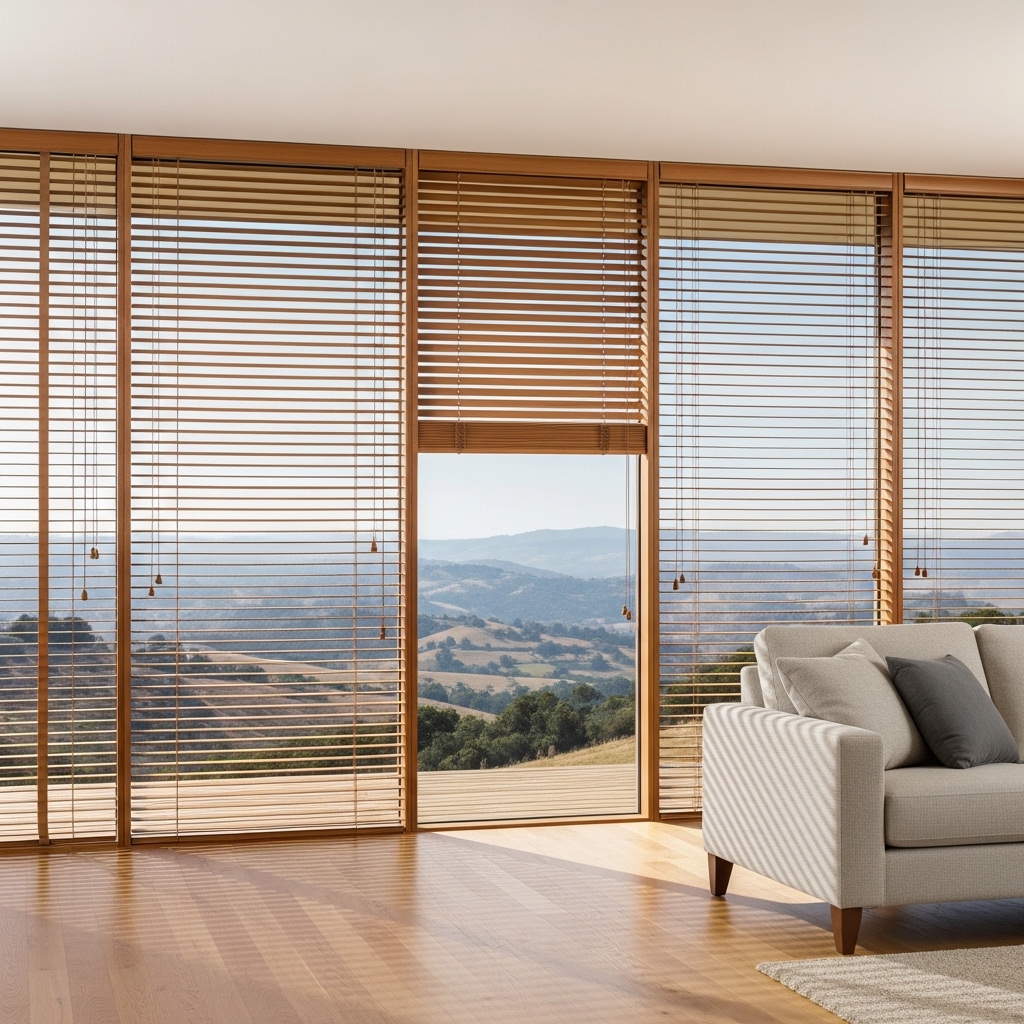
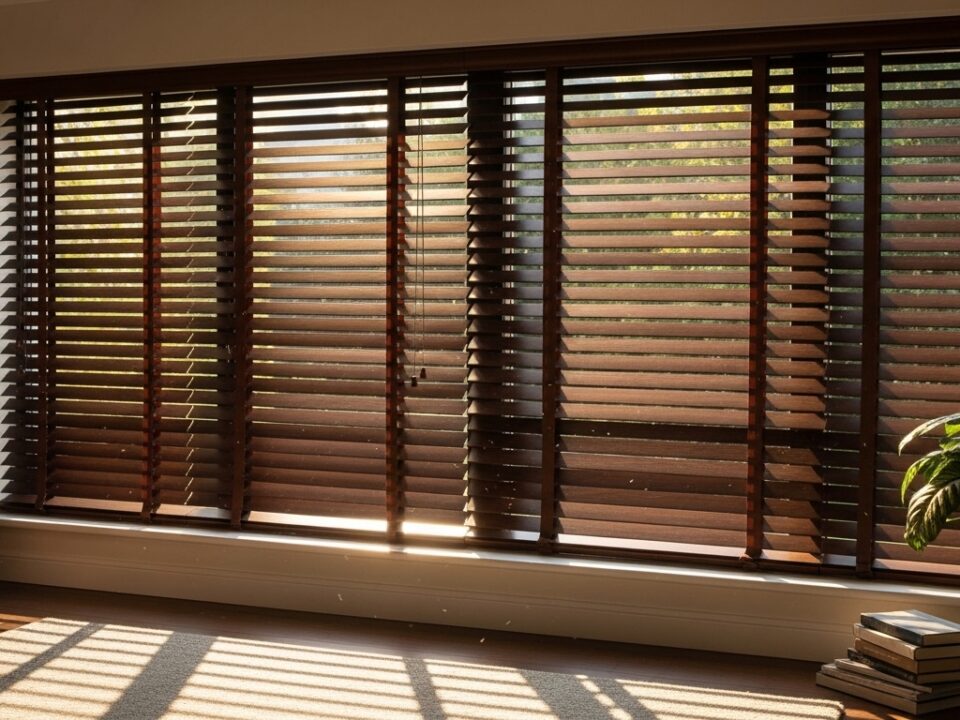
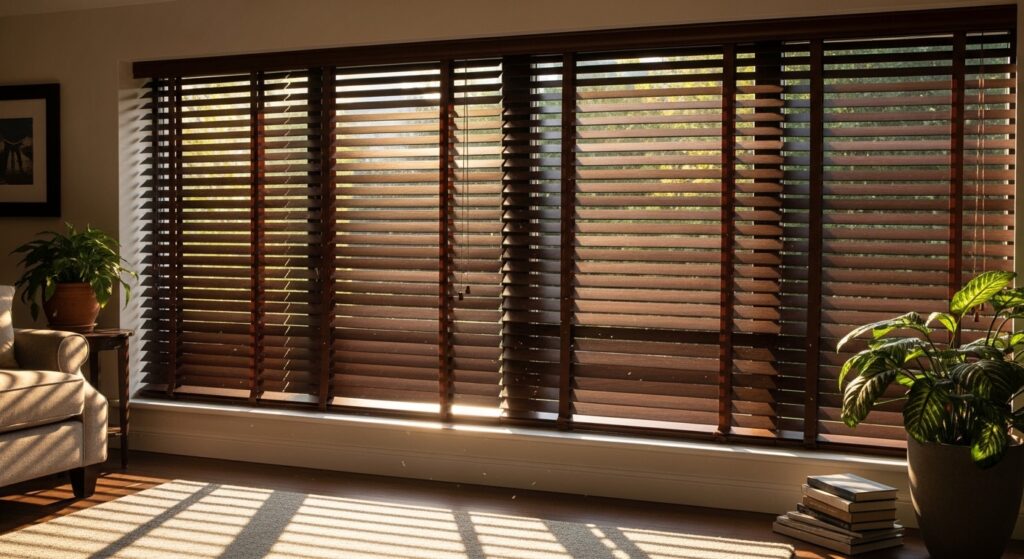
Wide windows are one of the joys of living in Simi Valley. They frame the Santa Susana ridgelines, bring in generous daylight, and create an expansive feeling in open-plan spaces from Big Sky to Wood Ranch. Plantation-style wood blinds—with their broader slats and clean sightlines—are a natural match for these openings. They deliver a bright, uncluttered look when tilted open and decisive light control when angled closed. Getting them right is all about proportion, support, and finish. As a local consultant, I focus on the details that maintain a smooth, elegant line across the span while making sure operation feels effortless every single day. If you are early in your research, it helps to browse examples of quality wood blinds to see how slat width, color, and headrail choices come together on larger windows.
Proportion is the foundation
Plantation-style slats, often wider than standard, create a calm rhythm across big panes of glass. On wide windows, that rhythm becomes architecture. Fewer horizontal lines mean broader view-through and a more serene look, especially important in living rooms where windows take center stage. The key is choosing a slat width that aligns with the height of your opening and the style of the room. Tall ceilings and generous casing tend to welcome wider slats, while more intimate spaces may call for a moderate width that still reads plantation without feeling oversized.
Proportion also affects how your eye perceives brightness. Wider slats allow a more open angle before direct glare enters, letting you harvest soft daylight while shielding floors and upholstery from the strongest rays. This balancing act is invaluable in Simi Valley, where afternoon sun can be assertive but we still crave that clear, California glow in our homes.
Support systems for smooth performance
Wide windows demand a support strategy that is both robust and discreet. A continuous valance that conceals multiple blinds on a single headrail is a favorite solution. It keeps the aesthetic uninterrupted while allowing independent operation of each section. Proper center supports prevent sagging and maintain even reveal lines across the full width. This is where experienced measurement matters. An installer who checks for slight bows, confirms depth, and plans bracket placement with precision can make a large opening look as crisp as a small one.
In corner-to-corner setups common in newer builds, deduction accuracy ensures inside mounts meet cleanly. For shallower frames or when hardware like window cranks encroaches on depth, a smartly executed outside mount with tailored returns creates a finished, intentional look. These decisions are specific to each home and window, which is why an on-site assessment is essential for plantation blinds on wider spans.
Finish choices that hold steady in bright light
Plantation wood blinds show a lot of surface area, and finishes become a major design element. Painted whites and soft neutrals make spaces feel expansive, complementing modern trim and light walls. Rich stains add warmth and a mellow tone that grounds large rooms. In our intense sun, finishes with UV resistance and an appropriate sheen are key. A subtle matte or satin keeps glare down on bright afternoons while still reflecting enough light to keep the room lively.
Samples tell the truth only in your light. I always recommend holding candidate finishes in the window at midday and again in the evening. What looks perfect in morning shade might read too stark in direct sun or too warm under lamps at night. Choose what looks natural across the full day, not just in a single moment.
Privacy, view, and route options
Plantation-style blinds excel at view management. With a gentle tilt, you can shield the lower half of a window while preserving views of treetops and sky. Routeless designs remove center holes to tighten closure at night and reduce pinpoint light. Decorative tapes can simplify the look by concealing ladders and adding a tailored vertical accent. In great rooms facing neighbors, these privacy upgrades are worth considering. In a hillside family room with no close sightlines, you might prioritize maximum view-through and a clean, uncluttered face.
Another advantage of wider slats is their calming effect on busy views. If your window faces a street or a bustling backyard, opening the slats just enough creates a visual filter that softens motion without making the room feel closed off. It is a simple, daily pleasure that plantation blinds deliver better than most treatments.
Weight, lift, and everyday operation
On big windows, the mechanics matter. Plantation blinds use broader slats, which can add weight if the span is long. Breaking the opening into two or three panels on one headrail is a practical way to keep lift effort comfortable. Cordless systems are a favorite for safety and clean lines, and they are engineered to handle typical panel widths when sized appropriately. Tilt mechanisms should feel smooth with minimal effort; quality components show their worth every time you adjust light during the day.
For very tall windows or installations over built-ins, motorized tilt is an elegant solution. You retain the classic look of wood with the convenience of quick adjustments from a remote or app. Automated schedules that angle slats for morning brightness and afternoon glare control can make large rooms feel balanced without constant fiddling.
Valances, returns, and the finished edge
Because plantation blinds cover substantial visual real estate, the finishing details matter. A proportioned valance that echoes your casing thickness makes the installation feel integrated. Returns should meet walls and molding with tight, clean lines. On outside mounts, straight reveals and careful height placement keep the window looking tall and orderly. Inside mounts benefit from precise deductions so the slats clear without rubbing and light gaps remain consistent.
Color-matching valances to slats is common, but in some designs, a slightly warmer or cooler tone can solve for adjacent cabinetry or flooring. The aim is cohesion when you step back, not a perfect match under a magnifying glass.
Layering plantation blinds with drapery
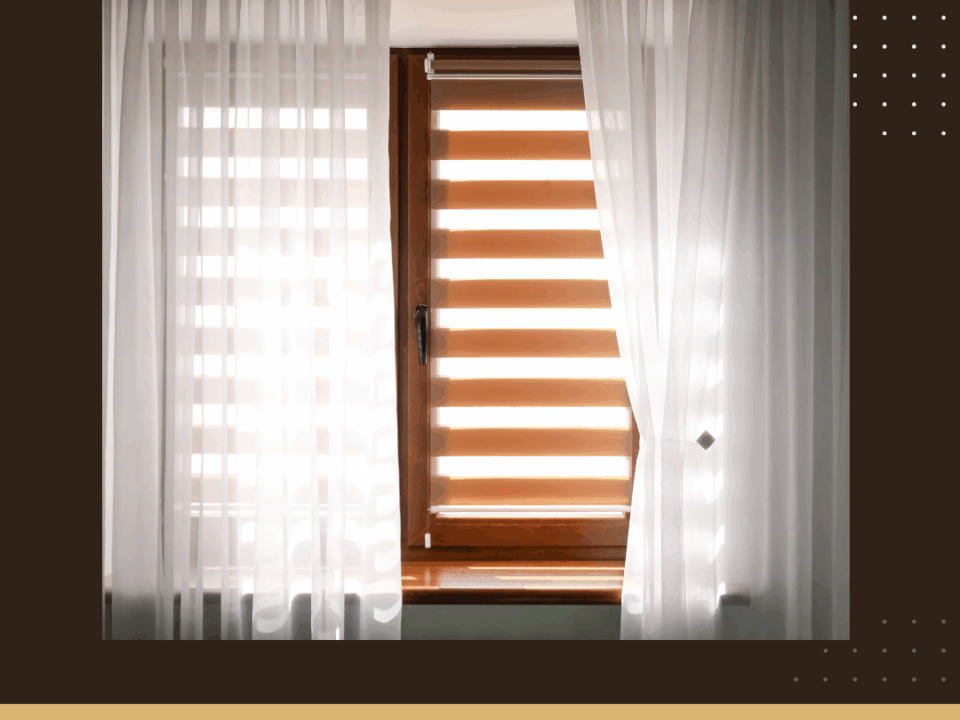
Layering is a tried-and-true approach for wide windows, especially in living and dining rooms where softness and acoustics matter. Plantation blinds handle the daily work—glare control, privacy at dusk, and UV protection—while side panels add polish and texture. Keeping slat width wide and valance profile lean helps panels hang naturally without bulking up the top of the window. In media rooms, a dark, matte finish on the blinds paired with lined drapery provides excellent control without forcing a full blackout.
For a light, coastal feel, white or cream blinds with airy linen panels read fresh and effortless. For a grounded, warm scheme, mid-tone stains with textured drapery bring depth and comfort to large spaces. Both looks thrive in Simi’s clear, bright light when chosen with the room’s orientation in mind.
Cleaning and care on big spans
Maintenance on plantation blinds is straightforward. Dusting slats with a microfiber duster keeps surfaces clean, and a lightly damp cloth on rails or end caps addresses smudges. On wider installations, choosing a finish that hides minor dust between cleanings is a practical way to keep the room looking fresh, especially during windy periods. Because the blinds are a prominent feature, consistent care preserves the crisp lines that make plantation style so appealing.
Designing for sliding doors and adjacent windows
Large living areas often pair wide picture windows with sliding doors. While traditional vertical treatments are common on doors, some homeowners prefer a consistent horizontal language. Plantation wood blinds work beautifully on the picture windows, and a coordinated solution—such as panel tracks or well-planned drapery—can complement them on the doors without visual conflict. The goal is to keep traffic flow easy while maintaining a unified look across the wall of glass.
When windows sit close to doors, repeating the blind’s finish and slat width supports visual cohesion. If the door treatment introduces fabric, select a cloth tone that echoes either the blind finish or the wall color to tie the composition together.
Local insights from real homes
In homes near the western edge of Simi Valley, bright afternoon sun can be intense. Wider slats angled up shield floors and furniture while preserving an open feeling and a glimpse of sky. In neighborhoods closer to the foothills, morning light is softer; a mid-tone stain in these spaces warms the glow without demanding attention. Across the valley, the consistent thread is proportion. When slat width and headrail configuration match the scale of the window, the entire wall looks designed rather than filled.
Clients often tell me their favorite discovery is how plantation blinds act like a light dimmer for daylight. It becomes instinctive to nudge the tilt a few degrees and watch the room transform. On wide windows, that effect feels especially powerful because the change spreads evenly across the whole expanse.
Mid-project review and confidence check
Before production begins, pause to look at finish samples at midday and again near sunset. Confirm the headrail configuration for the width and discuss bracket placement, especially if the window is near a beam or built-in where mounting points matter. Small confirmations now keep installation day smooth and the final look exact. If you want a visual refresher while you decide, a quick browse of plantation-ready wood blinds helps you compare slat widths and finishes with a fresh eye.
Frequently asked questions
Will plantation wood blinds sag on very wide windows?
With proper planning—multiple blinds on one headrail, accurate center supports, and precise measurement—sagging is avoided. The combination keeps weight distributed and lines straight, preserving both appearance and smooth operation.
Which slat width works best for large openings?
It depends on window height and room scale. Wider slats deliver the classic plantation look with excellent view-through, especially under tall ceilings. Moderate widths can be ideal in cozier rooms to maintain balance. Seeing options in your actual window makes the choice clear.
Are routeless options worth it for big spans?
Many homeowners appreciate routeless construction for tighter closure at night and fewer pinpoint light leaks. On wide windows facing neighbors or streets, the upgrade adds noticeable comfort and privacy.
Can I use plantation blinds on windows next to sliding doors?
Yes. They excel on adjacent picture windows. Pair them with a complementary door treatment—panel track or drapery—to maintain a unified look while ensuring easy passage through the door.
How do I keep large installations looking crisp over time?
Regular dusting, occasional spot cleaning on rails, and ensuring supports are correctly placed during installation keep lines true. Choosing quality woods and finishes built for bright light maintains color and smooth tilt.
Is motorization necessary for wide windows?
Not necessary, but useful in tall or hard-to-reach installations. Motorized tilt brings convenience and consistent light control, especially in rooms where you adjust settings frequently throughout the day.
If you are ready to bring proportion, comfort, and enduring style to your wide windows, schedule a friendly in-home consultation with a local specialist who understands our light and architecture. A short visit is often all it takes to confirm slat width, finish, and support placement for flawless results. When you are set to take the next step, explore refined options for wood blinds so your space looks and performs beautifully from the first sunny morning to the last glowing sunset.