

Vertical Blinds Maintenance Advice for Simi Valley California
May 18, 2026
Eco Friendly Vertical Blinds Choices in Simi Valley California
May 18, 2026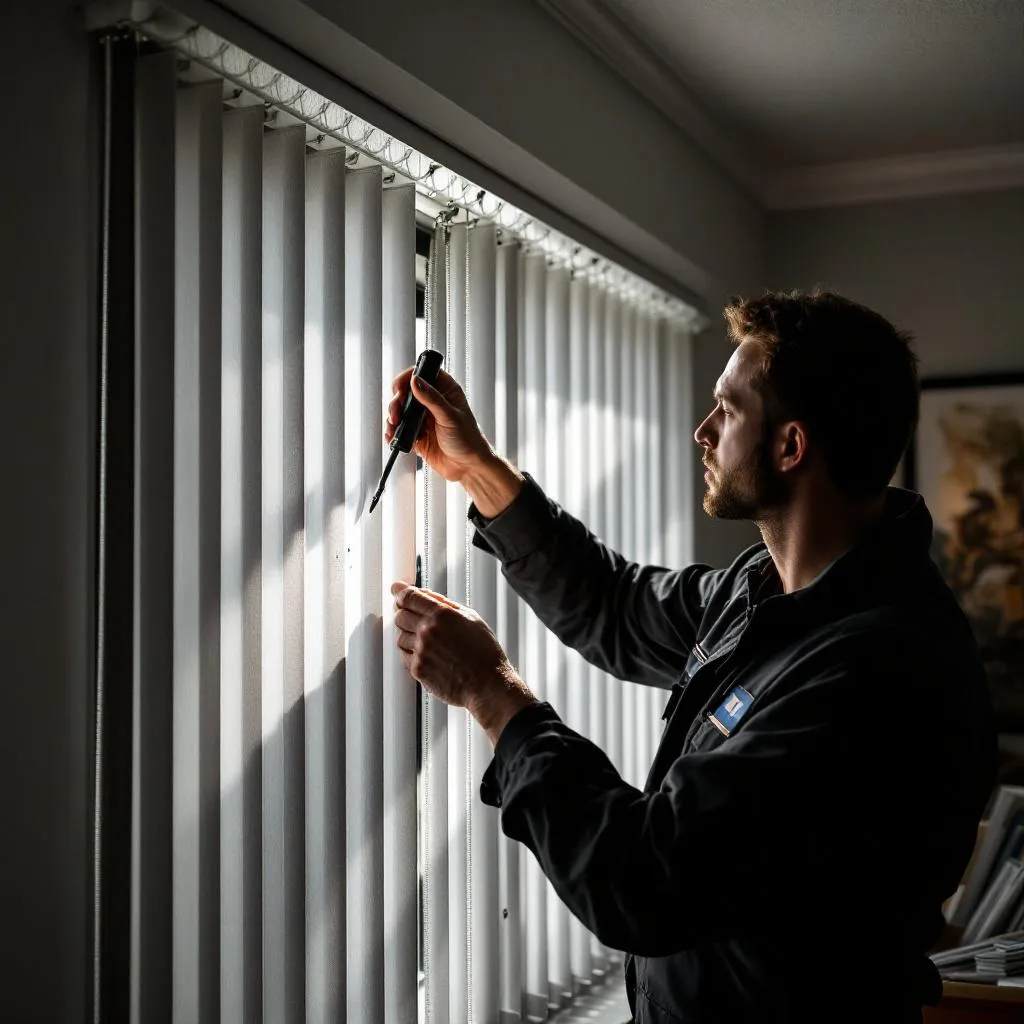
As a Houston-based wellness and hormone therapy clinician, I spend a lot of my time helping people create comfortable, functional environments at home and at work. Oddly enough, the quality of window coverings can influence sleep, light exposure, and feelings of calm — so when a client in Simi Valley mentioned trouble with her Vertical Blinds, I listened. In this article I walk you through practical, methodical steps to diagnose common vertical blind problems so you can restore comfort to your space and protect routines that matter for health.
There is a surprising overlap between environmental wellness and mechanical detail: a light that doesn’t tilt properly can wake someone prematurely, and a snagging track can be a daily irritant. I’ll draw on hands-on experience, plain-language mechanics, and a clinician’s respect for routine to help you identify whether an issue is a quick fix, a maintenance job, or something that needs a professional touch. The goal is clarity, not jargon, so you can make an informed choice about next steps.
Why Vertical Blinds Fail: materials, environment, and wear
Vertical blind systems are elegantly simple but sensitive to a few common stressors. Fabrics, PVC vanes, and aluminum slats each react differently to heat, humidity, and repeated handling. In coastal or arid climates, sun exposure can fade or warp vanes, while repeated opening and closing stresses the carrier heads and gears. If you’re dealing with misalignment, uneven hanging, or slats that won’t rotate, start by inspecting the top rail and the carriers. Look for cracked carriers, broken clips, or accumulation of dust and debris that can impede movement. These small failures often cause larger performance issues.
Common Vertical Blinds problems and what they mean
When something goes wrong, it usually falls into a few categories: rotation issues, tracking problems, or aesthetic wear. Rotation problems — where slats won’t tilt — often trace to the tilt mechanism in the headrail. If the wand or cord feels loose or spins freely without engaging, a stripped gear or disconnected linkage may be the culprit. Tracking issues, where slats bunch, snag, or won’t travel the length of the rail, point to damaged carriers, obstructions in the track, or misaligned rails. Aesthetic concerns like frayed fabric, fading, or broken slats are a combination of material lifespan and environmental exposure. Identifying which category the failure belongs to narrows your options for repair.
Diagnosing motion and tilt: step-by-step checks
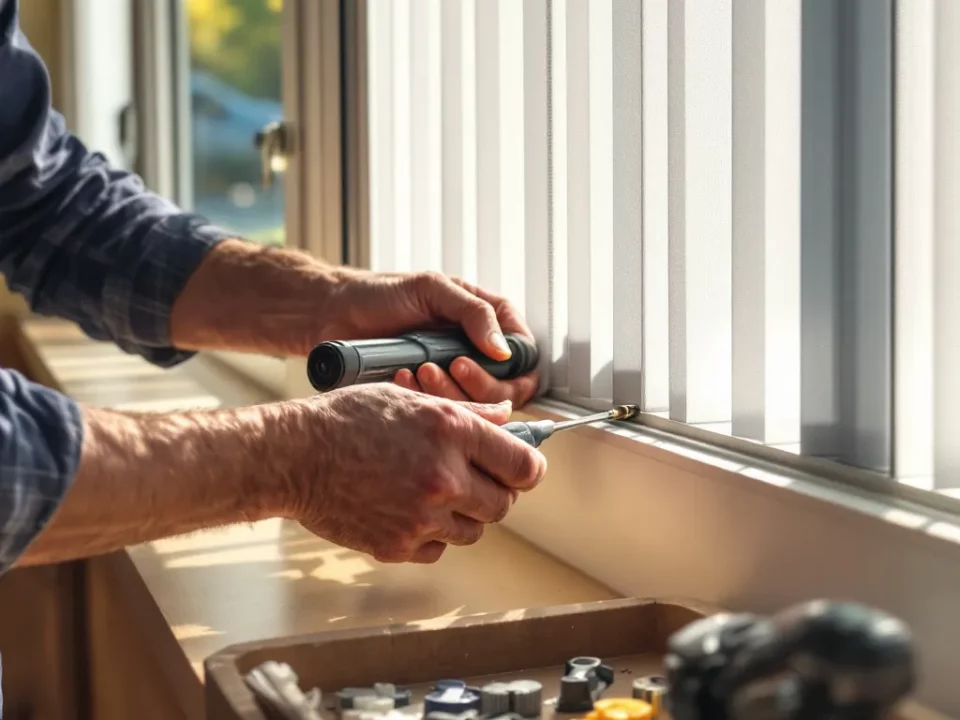
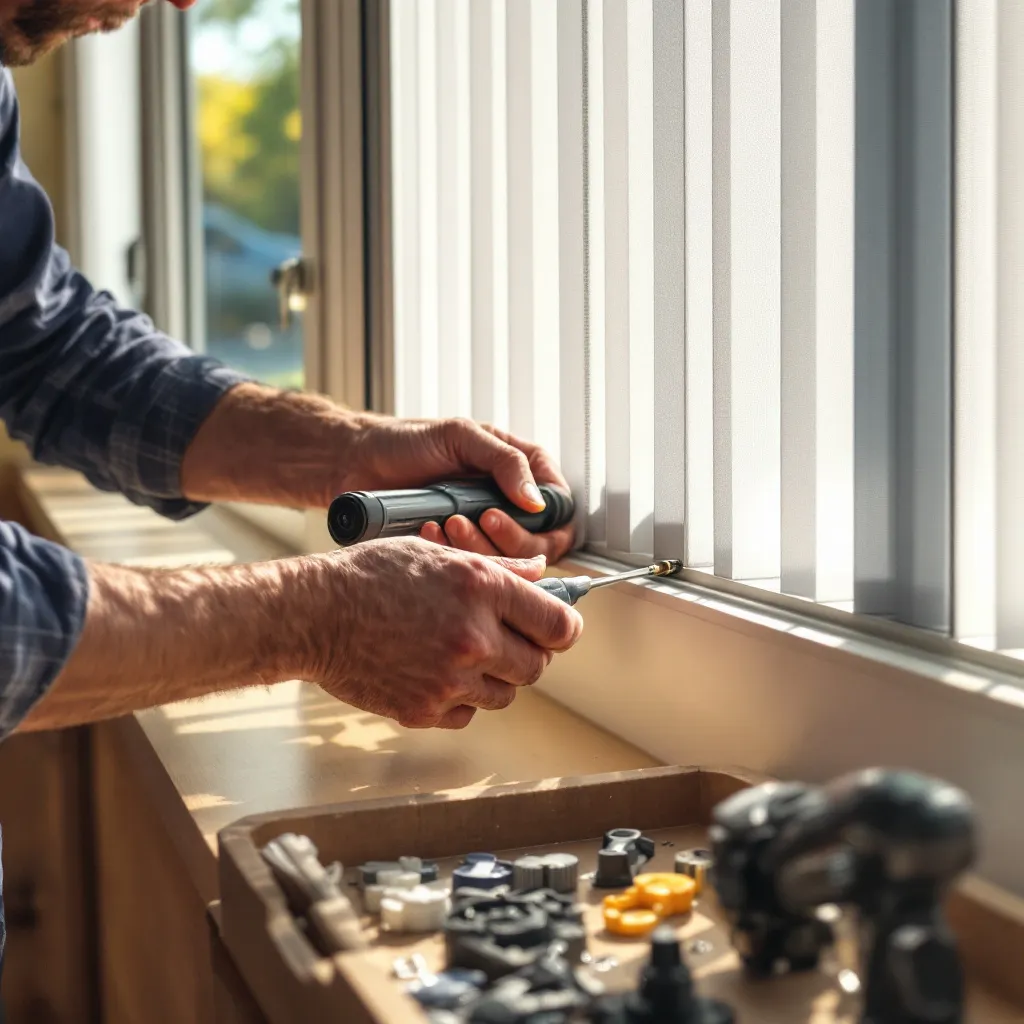
Start with a systematic inspection. Gently pull the vanes to one side and observe how they move. Do they glide smoothly or hang up? Next, test the tilt: operate the wand or cord and note if the slats respond in unison or if one section lags. Remove a single vane to check the clip and carrier; often the problem is a broken clip or a detached spring. If the rail itself feels loose, tighten the brackets and check for warping. For wooden or heavier slats, ensure the carriers are rated for the load — overloaded systems will fail prematurely. If the headrail is damaged or the internal tilt gear is visibly stripped, professional replacement of the headrail assembly is the safest course.
Maintenance practices that prevent most issues
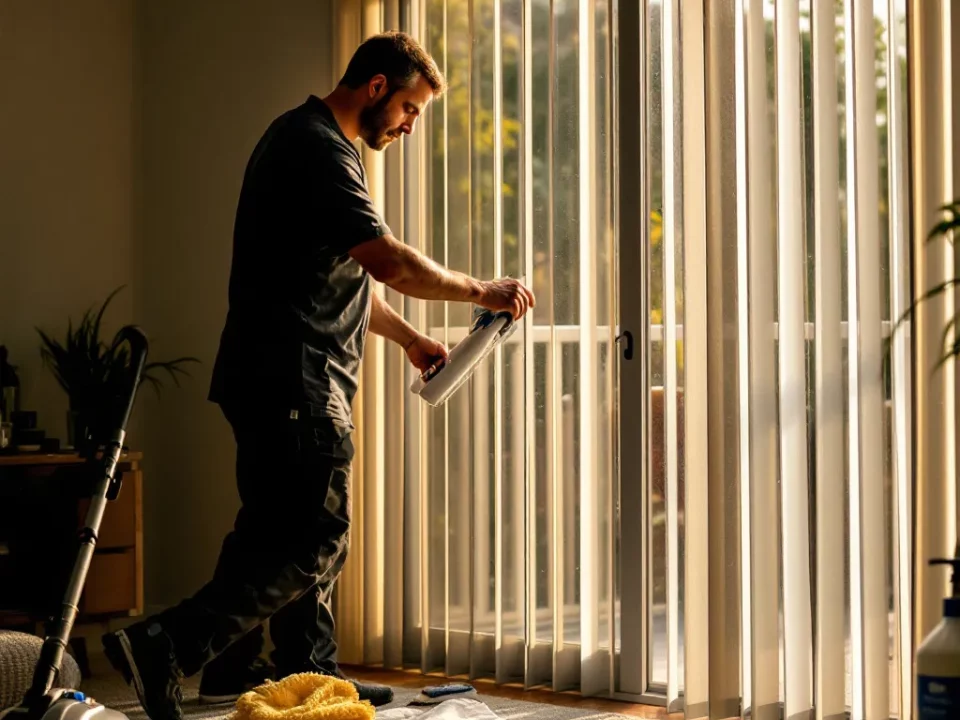
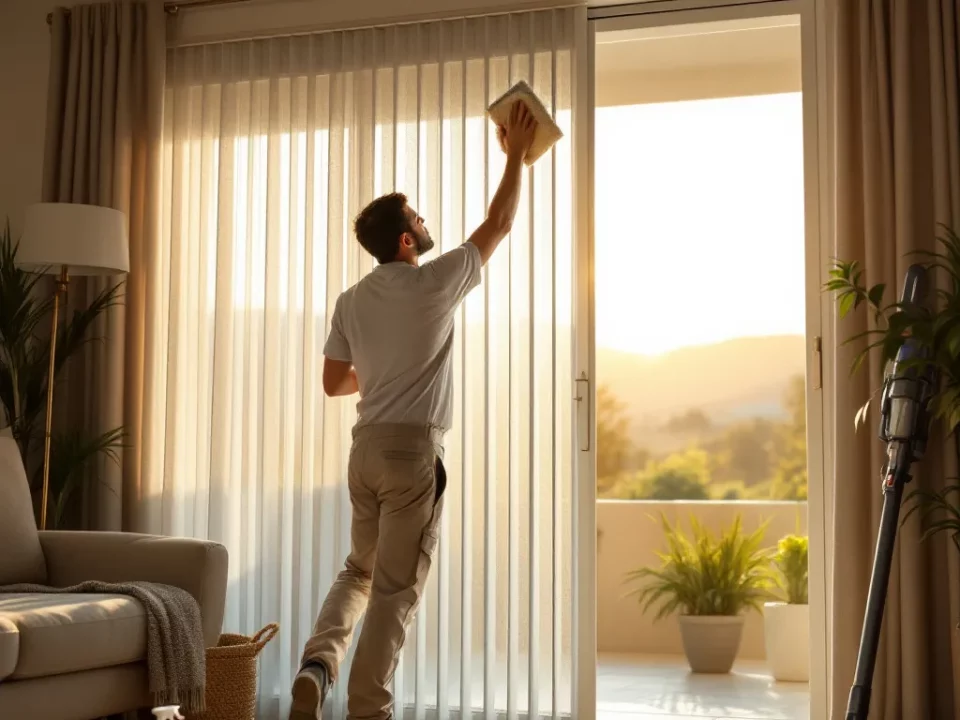
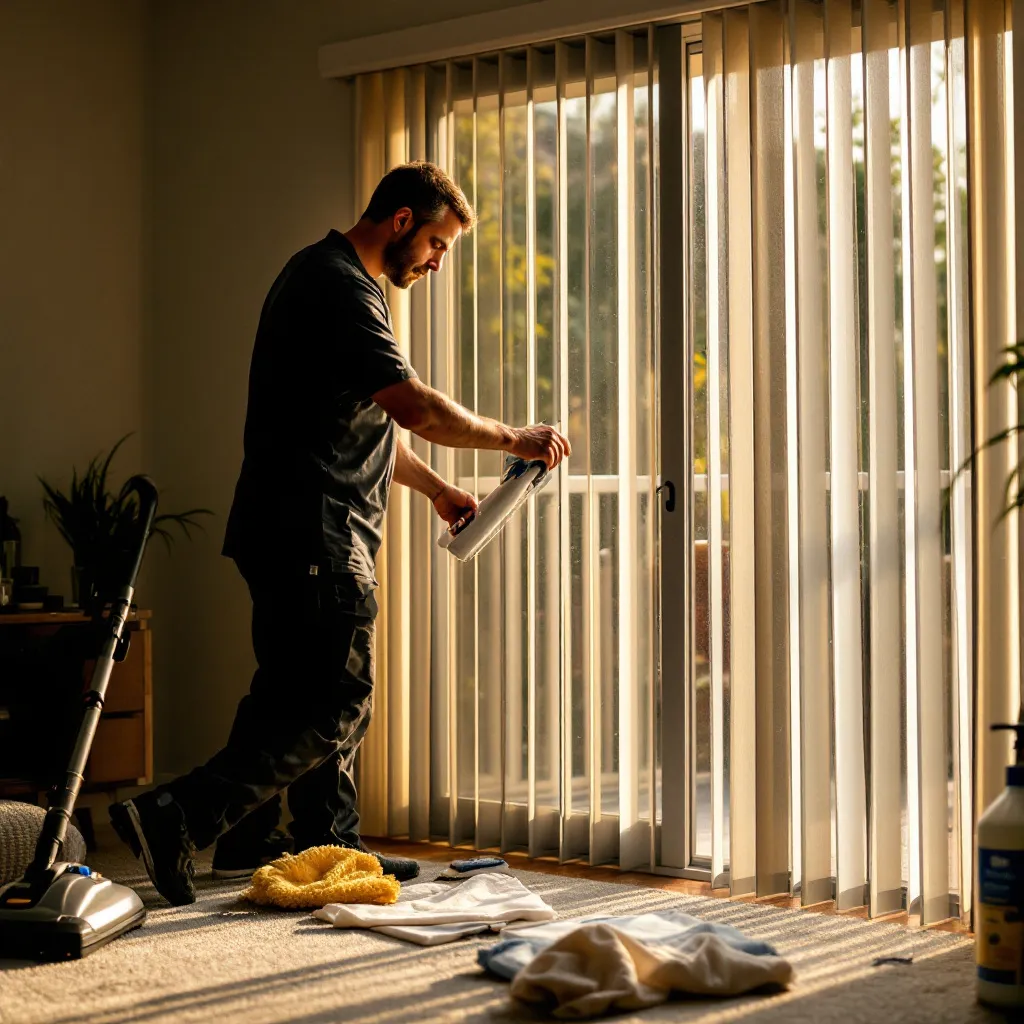
Simple maintenance goes a long way. Regular dusting prevents buildup that causes friction, and periodic lubrication of metal tracks with a silicone-based spray (applied sparingly and wiped clean) can reinstate smoother motion. For fabric vanes, gentle vacuuming on a low setting preserves fibers and reduces static. Inspect clips and carriers twice a year to catch small cracks before they spread. If you live in a place with strong sun, rotating vanes periodically can reduce uneven fading and extend the life of the materials. For anything beyond routine care, having a local repair shop assess the headrail and carriers can save you from repeated small failures.
Sometimes a replacement vane is all that’s needed; other times the headrail mechanism needs to be swapped out. If you’re uncertain, document the problem with a short video of the motion and check the manufacturer’s markings on the headrail for model and date — that information often guides the correct replacement parts.
When to call a professional
There are moments when DIY can be both effective and economical, but there are clear limits. If internal gears are stripped, wiring (for motorized systems) is involved, or the headrail is bent, calling a specialist preserves both function and safety. Professionals can diagnose whether retrofitting modern carriers, replacing the headrail, or upgrading to a motorized option is the best path forward. A trusted repair tech can also reconcile the aesthetic needs of a living space with functional improvements, ensuring daylight control supports sleep hygiene and daily rhythms.
FAQ
Q: Why do some slats won’t rotate when I operate the wand?
A: The most common causes are a stripped tilt gear, a disconnected tilt rod, or a broken carrier clip. Remove a single vane and inspect the carrier and tilt connection; if the tilt rod turns without engaging the carriers, the internal gear is likely worn and may require headrail service.
Q: My blinds bunch at one end. What should I check first?
A: Bunching usually indicates damaged carriers or obstructions in the track. Gently slide the vanes while watching the carriers; replace any cracked carriers and clear the track of debris. If the rail is bent, it will often require replacement to restore smooth travel.
Q: Can I replace individual vanes myself?
A: Yes. Replacing a single vane is typically straightforward: detach it from the carrier clip and attach the new vane to the same clip. Match the vane style and weight so the system remains balanced.
If you want a recommended product to consider while troubleshooting or planning an upgrade, many of my clients find the selection and durability of Vertical Blinds practical and easy to source. That said, match materials to your local climate and light priorities for the best long-term result.
When the issue feels beyond a quick fix, don’t let faulty window treatments disrupt sleep, privacy, or the calm of your home. If you prefer hands-off support, I can guide you through documenting the problem and choosing the right professional solution. For many people, a properly functioning window covering restores not just light control, but daily routines that support health.
For personalized support and next steps on diagnosing or replacing Vertical Blinds, reach out and I’ll help you determine whether a repair, replacement, or simple tune-up best supports your home environment and wellness goals.