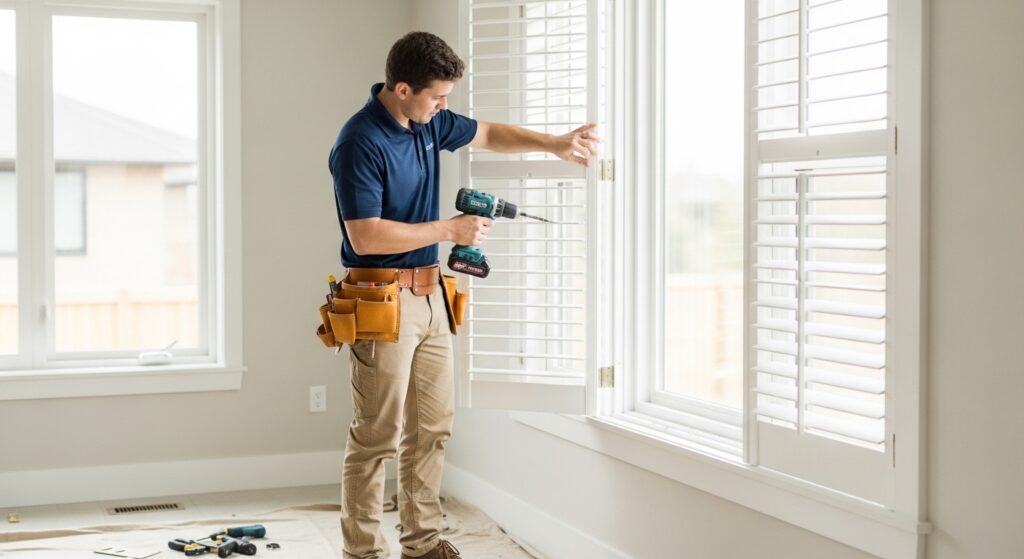


Custom Shutters Installation in Simi Valley California Expert Fit
January 12, 2026
Practical Care Guidelines to Keep Custom Shutters Looking Their Best in Simi Valley California Homes
January 15, 2026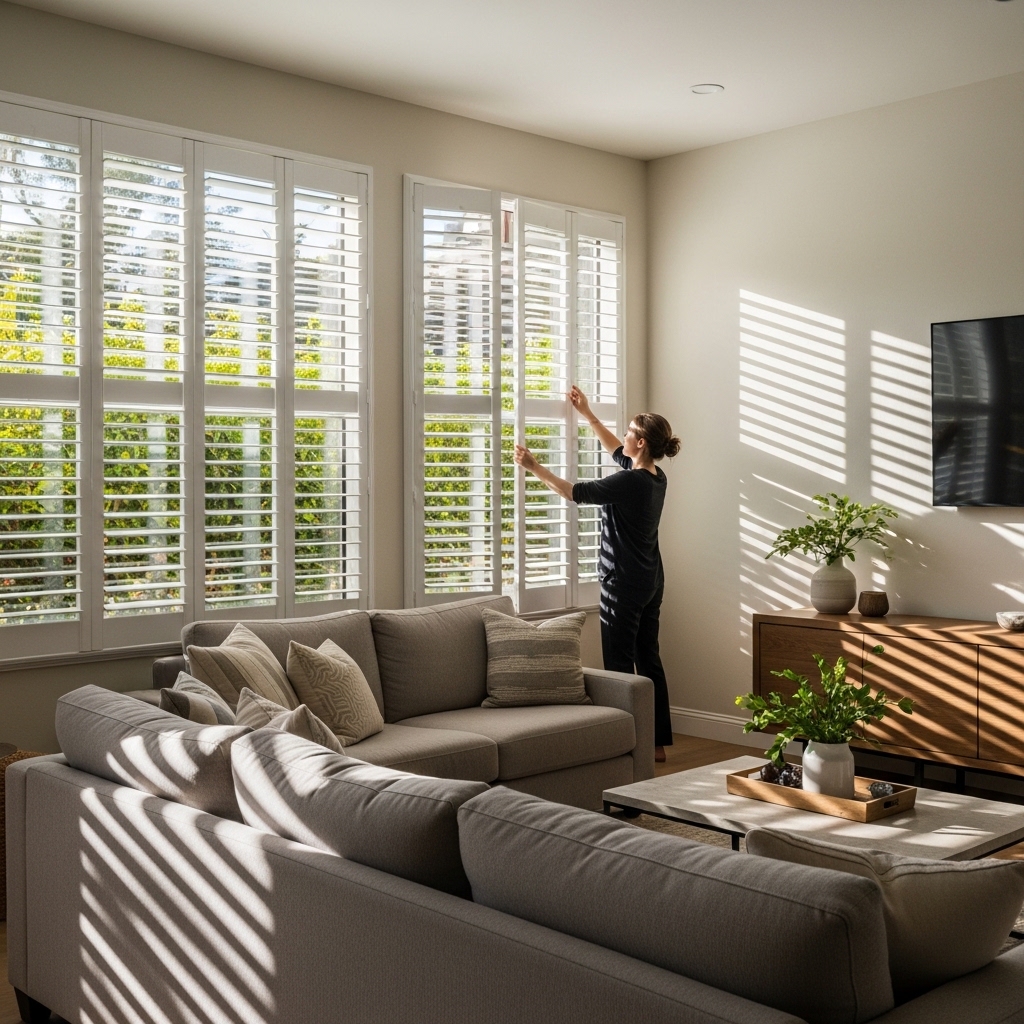
If you live in Simi Valley, you know the kind of sunshine we get. Summer days can edge toward triple digits, the air turns dry with those familiar Santa Ana winds, and homes across neighborhoods like Wood Ranch, Bridle Path, and Big Sky soak up heat from late morning through early evening. The question that inevitably comes up every spring is how to keep interiors comfortable without running the air conditioning nonstop. For many homeowners, the answer starts at the window. Thoughtfully selected and properly installed custom shutters can significantly lower cooling costs in Simi Valley by controlling solar heat gain, sealing drafts, and helping regulate indoor temperatures throughout the day.
I’ve worked with countless homes from the Texas Tract to the foothills near Santa Susana, and I can tell you that shutters play a larger role than just looks. They act as a thermal buffer, a light control system, and a privacy solution all in one. When you plan the design around your home’s orientation and real-world usage, you benefit from cooler rooms, reduced glare, and a more even temperature profile, even during the hottest afternoons. The key is aligning the details—materials, louver size, frame depth, and mounting approach—with our local climate and your daily habits.
Energy efficiency is rarely about one big change; it’s usually a series of small advantages that add up. When shutters fit correctly, close tightly, and are tuned to how the sun hits each window, they create a layer of still air between the panel and the glass. That pocket becomes an insulating barrier that slows heat transfer. Combine that with the ability to angle the louvers to reflect or diffuse sunlight, and you’ve got a simple, passive strategy to keep rooms cooler without sacrificing the daylight we cherish.
Why Shutters Make a Cooling Difference in Simi Valley
The science behind shutters is straightforward but powerful. Sunlight carries heat, and windows are the gateway. We manage that heat in three ways: by reflecting sunlight away before it enters, by absorbing and dispersing some of the radiant energy, and by creating a resistance to heat conduction and convection at the window. Shutters do all three. When louvers are angled properly, they reflect a portion of solar radiation away while still allowing indirect, softer light to brighten the room. The panels and frames, when closed, reduce air movement near the glass, slowing down the hot air that tends to pool and radiate inward.
In Simi Valley, west-facing windows are the usual culprits for overheating. Those late afternoon sunbeams carry a punch, especially in summer when the sun tracks higher and the radiant load intensifies. Shutters excel on these windows because you can close or tilt them before peak heat hits and still maintain usable light. South-facing windows are friendlier in winter and harsher in summer, so adjustable louvers become a tool you use like the thermostat—opened and angled in the morning, then tightened up as the day warms.
There’s also the matter of drafts and air leakage. Even newer dual-pane windows benefit from the added barrier that a well-fitted shutter provides. The tighter the fit, the more stable your indoor air feels, which helps your HVAC system run fewer, longer cycles—generally more efficient than short, frequent bursts.
Choosing Materials and Louver Sizes for Efficiency
Material selection is where many homeowners see the first big gains. Solid wood offers a classic look and good insulating value, especially when finished in light colors that reflect sunlight. Engineered or composite materials can be dimensionally stable under heat and resist warping, which matters when your windows see hours of direct sun across the long Simi Valley summer. For kitchens and bathrooms, moisture-resistant composites make sense, as they remain straight in fluctuating humidity while still giving you the thermal and light control benefits.
Louver size influences both aesthetics and performance. Larger louvers—think 3.5 inches or even 4.5 inches—can move more air when open and block more radiant heat when tilted closed. They also provide broader views to the outside when you angle them up to deflect sun while preserving scenery. Smaller louvers create a classic look and can be extremely effective on compact windows, but if lowering cooling costs is your top priority, the larger profiles tend to deliver strong results by allowing precise light management with fewer gaps between slats.
Color matters more than most people realize. Light finishes reflect heat better than darker ones, especially on west and south exposures. While you may love a rich espresso tone, consider using it in shaded rooms or on north-facing windows and reserve lighter palettes for the sunniest elevations. This is the kind of nuance that pays dividends every time there’s a heatwave.
Mounting, Frames, and Fit
Inside mounts are common for a clean, built-in look, and they can perform beautifully when the jambs are square and the reveal is consistent. In older Simi Valley homes where drywall has shifted slightly over time, an outside mount with a dedicated frame sometimes seals more effectively, minimizing light gaps and creating a deeper air pocket. The goal is simple: achieve an even, snug closure along all edges without binding.
Hinge selection and panel configuration also impact performance. Wider windows often benefit from two panels rather than four; fewer vertical stiles mean fewer pathways for light leak and less opportunity for warm air to creep around the edges. On tall windows, a split tilt rod or a hidden tilt system keeps the upper louvers independent from the lower set—so you can close the bottom tight for cooling while leaving the top slightly open for daylight and view.
The Role of Daylighting and Glare Control
We love our sunshine here, but glare is the enemy of comfort, and it often drives people to shut windows off completely, creating dark spaces that force artificial lighting. With shutters, you can angle louvers so that light bounces toward the ceiling, diffusing brightness without the heat load that direct rays bring. This helps offices and living rooms remain bright and usable through the afternoon without turning into hot spots. The result is fewer hours with lights on and less AC runtime, both of which lower energy use.
In media rooms and bedrooms, maintaining a cooler baseline throughout the day means your AC has less to overcome at bedtime. Shutters help by curbing heat gain when the sun is at its strongest, then allowing controlled ventilation and light later, after the peak has passed.
Daily Habits That Compound Savings
Even the most efficient shutters gain power when paired with smart daily habits. In the morning, open east-facing louvers just enough to welcome in that gentle light while keeping direct beams off floors and furniture. By midday, start closing or tightening the louvers on the south and west sides before rooms heat up. If you’re away for the afternoon, fully close panels on the hottest windows so the sun never reaches your interior surfaces. This preemptive approach can shave several degrees off interior temperatures by late afternoon, reducing the need to blast the AC when you walk in the door.
Automation and motorization options exist for some shutter styles, and while not necessary, they make it easier to stick to a routine. The more consistent you are with louver angles and panel closure, the more consistent your indoor comfort becomes.
For many homeowners, the decision to invest in custom shutters comes from experiencing that first scorching week of summer and realizing there’s a gentler way to keep the house livable. The middle of the season is when you notice the biggest difference—cooler hallways, less stuffy bedrooms, and a living room that stays pleasant even when the thermometer outside spikes.
Orientation-Specific Strategies in Simi Valley
East-facing windows greet the day with softer light that turns harsh quickly. Angle the louvers down in the morning to push light toward the ceiling and keep floors from heating up. By mid-morning, you may open them more fully as the sun climbs. South-facing windows earn the most attention in summer; here, a slightly upward louver angle blocks the high sun while letting you keep views and brightness. West-facing windows deserve your best defense. Close those panels an hour or two before peak heat, relying on ambient light from other sides of the house.
North-facing windows rarely drive temperature spikes, but they can produce persistent glow that causes eye strain. Subtle louver adjustments can keep glare off screens and work surfaces without shutting out the day.
Installation Quality Matters
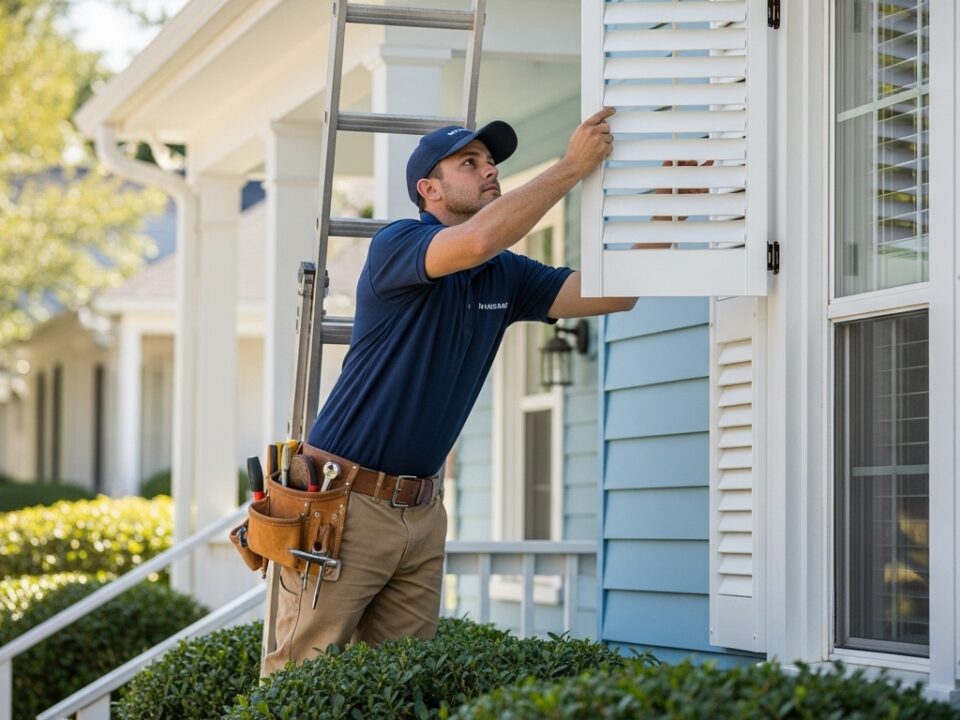
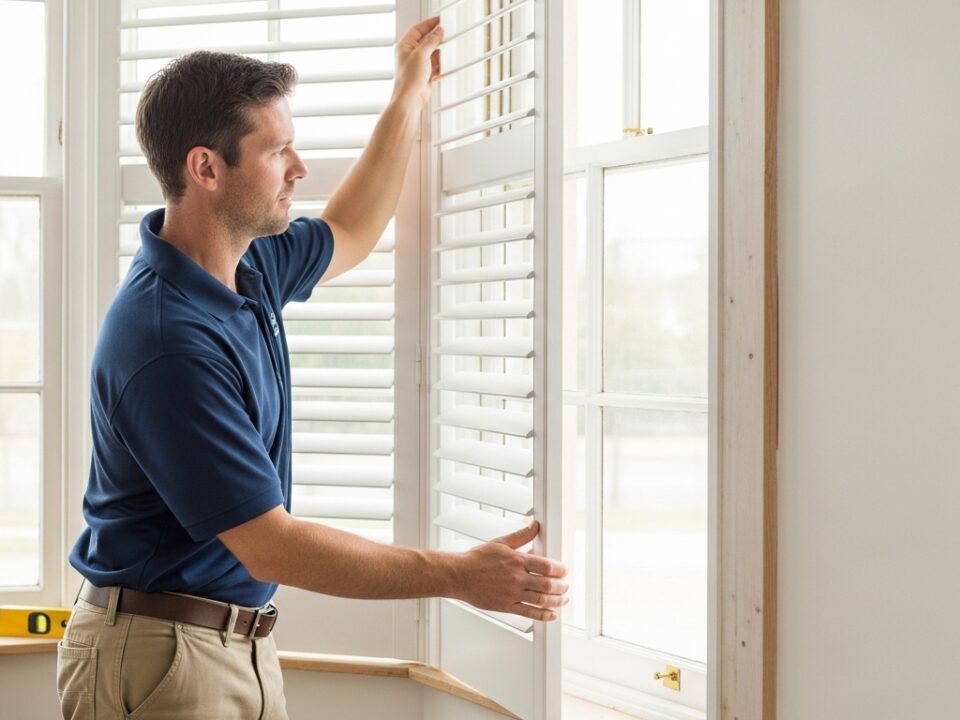
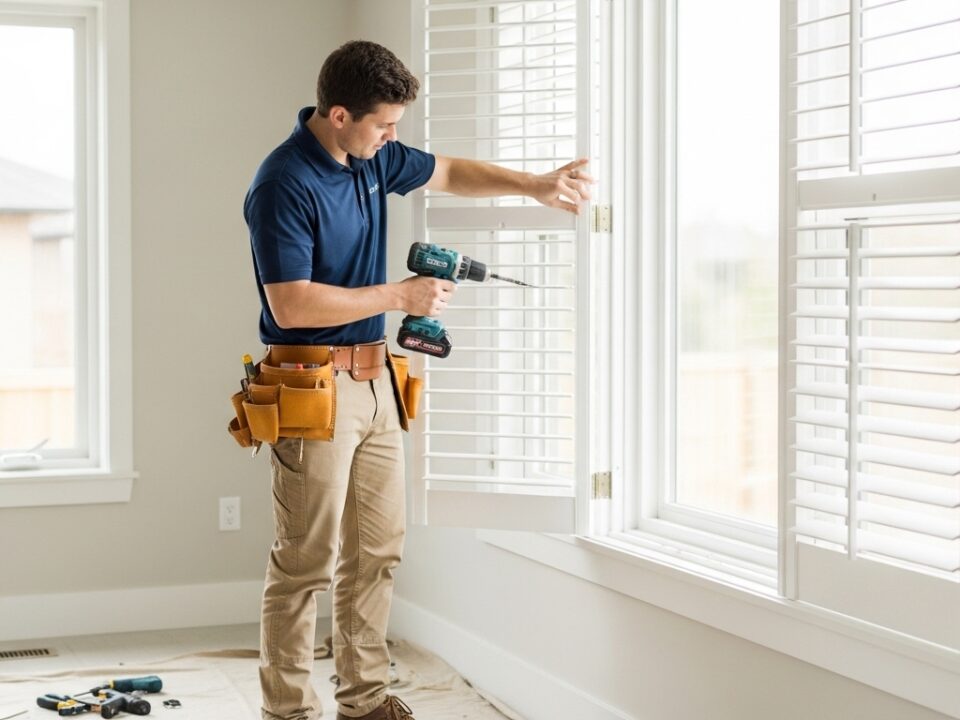
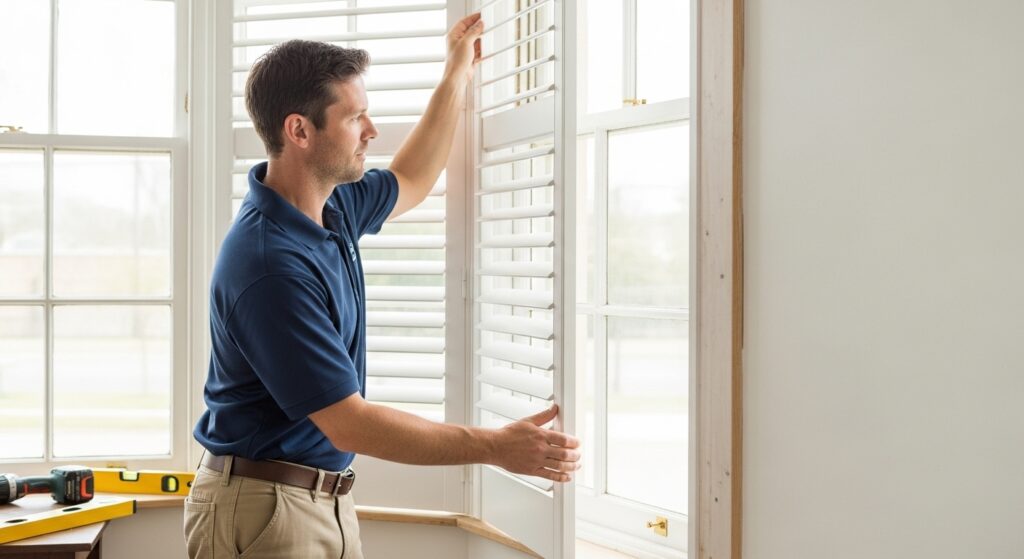
Precision installation is the quiet hero of energy savings. Tighter tolerances at the top and bottom rails reduce light bleed and thermal leakage. Proper squaring ensures louvers align and compress evenly against side stiles. Magnetic catches and mortised hinges pull panels into a consistent plane so they function as a single, cohesive barrier. If you’ve ever seen a shutter with mismatched reveals or a panel that doesn’t fully seat, you’ve seen energy slip away in the form of micro-gaps where hot air infiltrates.
Professional installers in Simi Valley also understand the nuances of our construction styles. Stucco returns, deeper sills, and bullnose corners all affect frame selection. The right frame profile can add the millimeters needed to clear handles, security sensors, or uneven drywall, ensuring a confident seal.
Design That Works With Your Aesthetic
Lowering cooling costs shouldn’t compromise the character of your home. Shutters are versatile: modern, shaker-style frames suit newer homes off Madera Road, while traditional plantation profiles enhance the charm of ranch homes near Tapo Canyon. You can pair shutters with drapery for layered insulation at night without losing the clean lines that make shutters so appealing during the day. Because they become part of the architecture, shutters hold their value aesthetically as well as functionally.
A Real-World Simi Valley Example
Consider a family home in the Big Sky area with large west-facing sliders and picture windows. Before shutters, the late-afternoon sun turned the living spaces into a sauna. After installing composite panels with 3.5-inch louvers and a bright, reflective finish, interior temperatures dropped several degrees in those rooms during peak hours. The homeowners developed a routine: louvers angled up by noon, panels closed by 2 pm, and opened again after sunset. They reported not only cooler spaces but also less glare, so the lights stayed off longer in the evening. Over time, they noticed their AC cycling less frequently and a general sense that the home was calmer and more balanced in temperature.
Pairing Shutters With Other Measures
Shutters are the keystone, but you can multiply their effect with a few complementary steps. Sealing gaps around window frames and ensuring weatherstripping is in good condition keeps the shutter’s air pocket stable. Using light-colored area rugs near windows can reduce heat absorbed by darker flooring. Thoughtful landscaping—like a shade tree on the southwest corner—further cuts radiant load before it reaches the glass. These small efforts reinforce the shutter’s role as your front line against heat.
Maintenance for Lasting Performance
Keeping shutters clean isn’t just about looks. Dust and debris can obstruct louver movement and prevent panels from closing tightly. A quick weekly dusting during the peak of the dusty season, especially when Santa Ana winds kick up, keeps everything gliding smoothly. Check hinges and magnets annually to ensure panels draw tight. If you notice light streaks around the edges, a minor adjustment can close the gap and restore performance.
Comfort You Can Feel
One of the most gratifying parts of using shutters to combat heat is the immediate, tactile difference. You’ll feel cooler air in the hallway when you walk in from the yard. You’ll notice upholstered furniture no longer bakes in the sun. And you’ll find that your home’s mood shifts from harsh brightness to a gentle, glowing daylight that feels calm and livable. These are the day-to-day improvements that keep you consistent with your louver habits and turn shutters into a natural part of your routine.
Frequently Asked Questions
How do custom shutters reduce cooling costs in Simi Valley?
Shutters lower cooling costs by blocking and reflecting solar heat before it penetrates interiors, creating an insulating air pocket at the window, and reducing drafts through a snug, well-fitted frame. Their adjustable louvers allow you to fine-tune daylight without importing the heat that typically comes with direct sun, which means your AC doesn’t have to work as hard during peak hours.
Which louver size is best for hot, sunny windows?
Larger louvers, such as 3.5 or 4.5 inches, excel on sunny exposures because they deflect more heat when closed and provide broader daylight when angled. They also reduce the number of gaps between slats. That said, the best size balances performance with the proportions of your window and room style.
Do wood or composite shutters perform better in heat?
Both can perform very well. Solid wood offers good insulation and a timeless look, while high-quality composites resist warping and hold up well under intense sun—an advantage for west and south exposures. The right choice often depends on room conditions, window size, and your design preferences.
Can shutters keep rooms cool without making them dark?
Yes. By angling louvers to bounce light toward the ceiling and away from floors and furniture, you maintain pleasant daylight while minimizing heat gain. This technique is especially effective on west-facing windows in the late afternoon.
How important is installation quality?
It’s critical. Even premium shutters underperform if reveals are uneven or if panels don’t close tightly. A precise fit ensures the insulating air pocket works, light gaps are minimized, and louvers operate smoothly. Local installers familiar with Simi Valley construction details can optimize performance and appearance.
Will shutters help if I already have dual-pane windows?
Absolutely. Dual-pane glass reduces heat transfer, and shutters add another layer of resistance and control. Together, they create a more stable indoor temperature profile and further reduce the need for air conditioning during hot spells.
Are there strategies for different window orientations?
Yes. Use softer angles on east windows in the morning, tighter closures on south and west windows during midday and afternoon, and lighter control on north windows to manage glare. The idea is to anticipate the sun’s path and position louvers before heat or glare builds.
Can shutters help during smoky or windy days?
They can. When winds kick up dust or smoke, keeping panels closed adds a layer of protection that keeps interiors cleaner and cooler, especially if you need to keep windows shut and rely on indoor air filtration.
How do I maintain the efficiency of my shutters?
Dust them regularly, especially during windy seasons, and check hinges, magnets, and tilt mechanisms annually. Light adjustments by a professional can restore a tight seal if you notice light bands around the edges or louvers that don’t sit evenly.
Ready to Keep Your Home Cooler?
If you’re looking to make your Simi Valley home more comfortable through the long, dry summer, consider upgrading your sun-facing windows with thoughtfully designed custom shutters. Let’s choose materials, louver sizes, and frame details that fit your rooms and your routine, then install them with the precision our climate demands. The result is a cooler home, gentler light, and a calmer space you can enjoy all season—without overworking your AC.