

Solving Custom Shutters Issues in Simi Valley California
December 15, 2025
Seasonal Care for Custom Shutters in Simi Valley California
December 15, 2025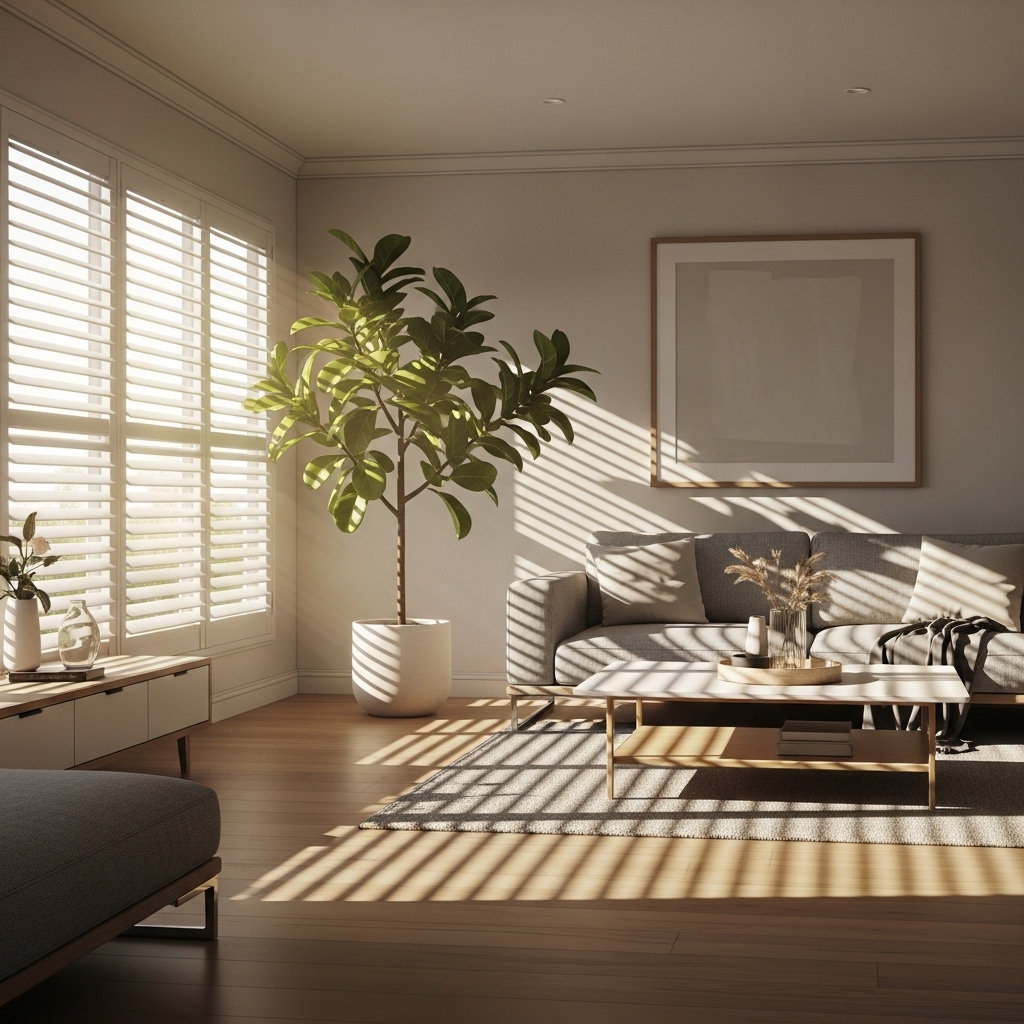
Ask a longtime Simi Valley homeowner why they love living here and you will hear a familiar list: bright skies for most of the year, cool evenings that drift down from the hills, and a pace that moves confidently between family life and the outdoors. Our windows are the frame for that experience, and the coverings we choose shape how we use energy, how we manage dust and sun, and even how we feel in the spaces where we spend our time. Thoughtfully selected custom shutters can be a surprisingly powerful part of a home’s environmental story, not only for their materials but for the way they change daily behavior. When you look at sustainability through the lens of Simi Valley’s specific climate, shutters become more than decor; they are tools for comfort, efficiency, and long-term stewardship.
The environmental impact of a building element is never just one thing. It is a combination of what it is made from, how long it lasts, how it performs, and what it asks of the systems around it. Shutters touch all four, and that breadth is why they are worth a closer look. In a place with high solar gain, cool nights, and periodic wind events, their ability to modulate light and temperature can reduce strain on HVAC, trim peak energy use, and protect interior finishes so that furniture, flooring, and paint last longer. If you value durability and low waste, those compounding effects are as important as the label on the box.
Material choices: wood, composite, and vinyl in context
Materials sit at the center of any sustainability conversation. Real wood has a strong story when sourced responsibly and finished with low-VOC products. Wood stores carbon and, when maintained, can last for decades. In Simi Valley, where humidity is generally low, wood performs well as long as you keep moisture in check in kitchens and baths. Composite and vinyl-faced shutters shine in high-humidity zones and are exceptionally durable in the face of daily splashes and steam. The environmental calculus for composite includes the stability that reduces replacement frequency, offsetting the embodied energy of manufacture.
There is also the question of recyclability and end-of-life. Solid wood has clear pathways for repair and eventual repurposing. Composites are more complex but are steadily improving in their recyclability profile. The most sustainable choice is often the one you do not need to replace. In that sense, the fit and finish that allow shutters to function without fuss become environmental attributes, not just conveniences.
Finishes, adhesives, and indoor air quality
People sometimes forget that clean indoor air is part of environmental impact. Low-VOC finishes and adhesives reduce off-gassing, which is especially important in bedrooms and nurseries. Simi Valley’s habit of opening the house to evening breezes is lovely, but we also experience wildfire smoke days when windows stay closed. During those times, the finishes inside matter more. Shutters that are finished with healthier products contribute to better air when the house is sealed, and their smooth, cleanable surfaces make it easier to keep dust and particulates from recirculating.
Another overlooked benefit is the way shutters tolerate frequent, light cleaning. Because the surfaces are rigid and accessible, you can remove dust without introducing heavy sprays or harsh cleaners. A microfiber cloth and water accomplish most tasks. Across months and years, that gentler approach means fewer chemicals used in the home, less packaging waste, and a more predictable indoor environment for sensitive family members.
Energy performance in a high-sun valley
Energy efficiency is where shutters most directly affect environmental impact. In Simi Valley’s strong afternoon sun, especially on west-facing windows, shutters create a controllable buffer between the glass and the room. By angling louvers to bounce light and limit direct solar gain, you can keep room temperatures more stable, reducing the number of times your air conditioner cycles on and the duration of each cycle. During cool evenings, open the louvers to allow air movement and capitalize on natural ventilation, then close them again in the morning to capture the night’s coolness.
This rhythm uses the building itself as a thermal partner. It is simple and satisfying once you feel how the room responds hour by hour. The savings show up not just on utility bills but in comfort that does not require constant adjustments at the thermostat. Over the course of a year, that gentle moderation adds up, especially in large rooms with generous windows that soak up sun.
Durability and the waste you do not create
There is a quiet environmental dividend to products that last: the waste you never make. Shutters that hold their shape and color reduce the demand for replacements and the transportation, packaging, and installation resources those replacements entail. In Simi Valley, where dry air can be kind to finishes but sunlight is relentless, durability starts with quality construction and continues with mindful use. Periodic cleaning to remove abrasive dust, angling louvers to distribute sun exposure, and avoiding harsh chemicals all extend the life of the finish. Fewer replacements mean fewer discarded materials and fewer manufacturing cycles.
Durability also supports the reuse economy. If you remodel and your shutters are still in strong shape, there are ways to rehome or repurpose panels, particularly standard-size components. The more frequently a product survives its first use with life left in it, the more viable these secondary paths become. Longevity is not just an individual benefit; it is a social one.
Local climate realities: dust, sun, and smoke
Simi Valley’s microclimates influence how shutters perform in environmental terms. Santa Ana winds bring fine dust that settles on every horizontal surface. Because louvers are horizontal by design, they gather more than vertical blinds or drapery panels. That might sound like a drawback until you consider what happens next. Louvers are rigid and simple to clean. Wipe them with a microfiber cloth and the dust is gone without sending particles back into the air as easily as a fabric surface might. On wildfire smoke days, when opening windows is off the table, every surface that does not trap odors and particulates becomes a small mercy.
Strong sun is our other constant. UV exposure can fade fabrics and heat rooms quickly. Shutters change the equation by allowing light to illuminate the space indirectly, preserving the brightness people love while muting the thermal load that drives energy use. That dual benefit—protecting interiors and reducing cooling demand—multiplies over seasons and years, and you can feel it in rooms that used to run hot by late afternoon.
Choosing responsibly without sacrificing style
One of the reasons I recommend well-crafted custom shutters is that responsible choices now come wrapped in beautiful design. FSC-certified wood, low-VOC finishes, and hardware built to last are not niche features anymore; they are hallmarks of quality. In Simi Valley homes that blend Spanish-inspired stucco with modern lines, shutters provide a consistent architectural language across rooms, which subtly reduces the impulse to replace window treatments to chase trends. The best sustainability is often found in classic choices that continue to please the eye as styles shift.
Color also plays a role. Light-colored finishes reflect more sun, keeping surfaces cooler and slowing the pace of UV aging. In bright rooms, a soft white or pale neutral can maintain a crisp look for years with minimal care. If you prefer a stained wood, ask about UV-resistant topcoats. Today’s finishes can dramatically extend the time before touch-ups are needed, reducing the environmental cost of frequent refinishing.
Installation quality and its hidden environmental cost
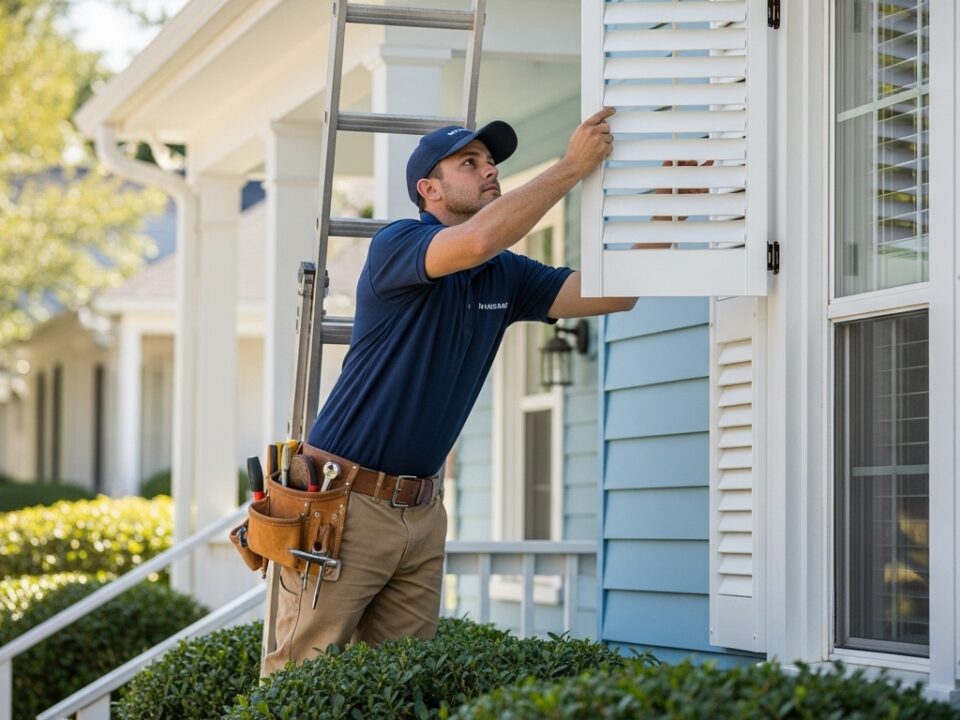
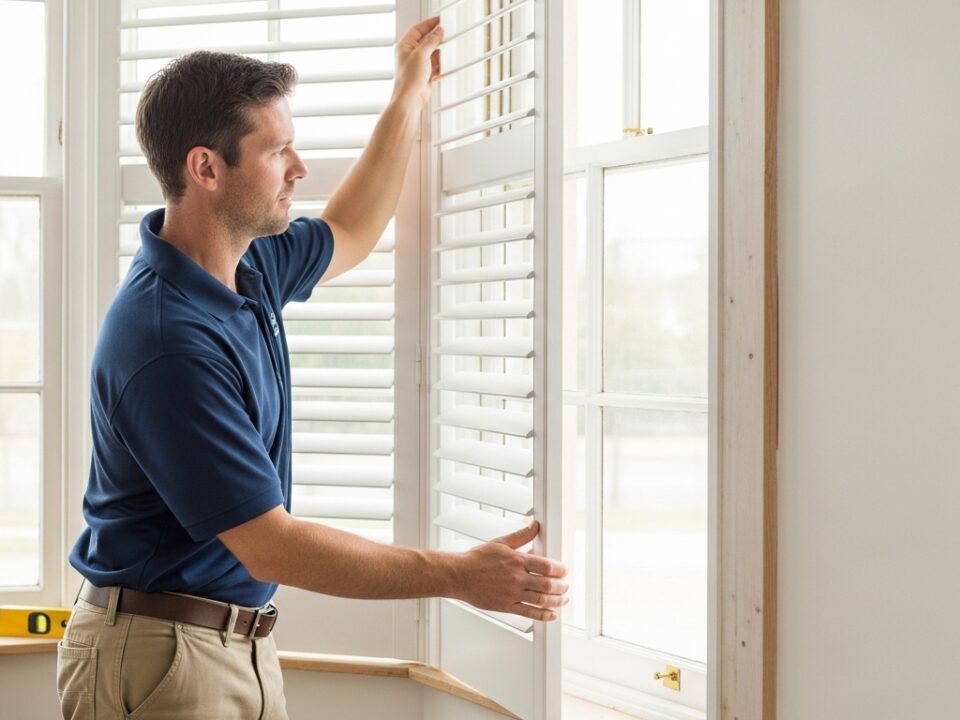
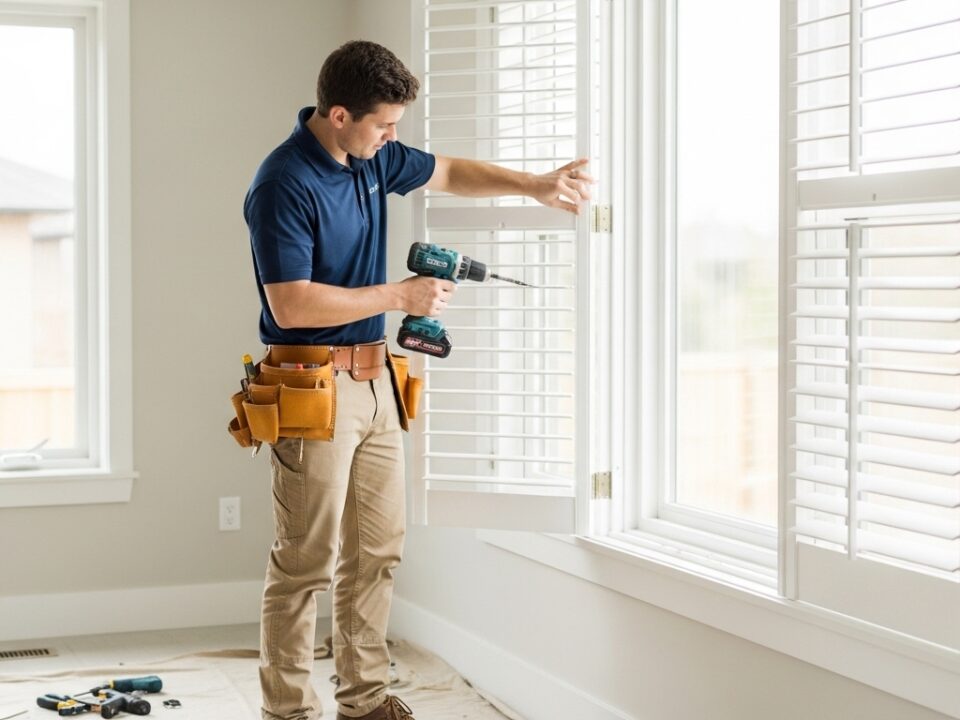
Poor installation creates an invisible tax on the environment by shortening product life. A panel hung slightly out of square will rub, finish will wear prematurely along contact points, and components will loosen and fail earlier than they should. Correcting these issues requires extra trips, more materials, and sometimes replacement panels that otherwise would have served for years. In contrast, precise installation that accounts for the home’s settling patterns and window geometry sets the shutters up for a long, efficient life. The environmental story of a product starts at the moment of fitting as much as it does at the factory.
In Simi Valley, older homes may have window frames that are not perfectly true, and newer homes can feature oversized openings that challenge hardware if not planned correctly. Skilled installers anticipate these realities, choosing the right panel configurations, hinges, and anchors so the shutters operate easily without pushing components to their limits. That foresight is sustainability in practice because it prevents early failures and the waste that follows.
Maintenance as a green practice
Routine care is the quiet hero of sustainability. A light dusting schedule during windy periods, immediate drying after cleaning in kitchens and baths, and periodic checks of hardware tension keep shutters performing with minimal intervention. These habits use little more than water, a reusable cloth, and attention. Over time, that approach means fewer bottles of cleaner, fewer service calls, and a product that remains fully functional long past the point when a neglected counterpart would be replaced.
Maintenance also intersects with human behavior in meaningful ways. When shutters are smooth to operate and look pristine, people use them more thoughtfully. They are more likely to angle louvers for comfort rather than reaching for the thermostat. Small choices accumulate; a half-degree less cooling needed in July or a heater that runs less frequently on a January morning is not dramatic in isolation, but across thousands of hours it is both felt and measurable.
Health, comfort, and the feel of home
Environmental impact includes how a space supports the people who live in it. Shutters that tame glare make rooms pleasant without sacrificing the natural light that keeps us grounded. Quiet hinges and steady louvers contribute to a sense of order. In a community that values both family time and time outdoors, that calm base layer is more than a luxury. It keeps rooms welcoming, encourages open windows when air quality allows, and makes the home feel like a partner in daily life rather than a system that needs constant nudging.
Consider also the ripple effect on the rest of the interior. Floors that do not fade prematurely, art that does not require relocation to dodge sun stripes, and fabrics that keep their color longer all represent resources saved. Choosing shutters that manage those exposures gracefully is a strategic way to protect what you already own.
Local sourcing and transportation
Transportation is part of a product’s footprint. Sourcing shutters from regional makers or distributors reduces the miles traveled and often improves support over the product’s life. In Simi Valley, the proximity to skilled trades and suppliers means you can plan, install, and maintain without routing shipments across the country. That practical advantage becomes an environmental one when it reduces fuel used in shipping and increases the likelihood of timely, precise service that extends the product’s lifespan.
Moreover, local expertise recognizes our climate’s quirks. Advice tailored to Simi Valley—like how to set louvers in afternoon light or how to respond after a wind event—helps homeowners get the most from their shutters with the least energy and material input. Sustainability is contextual; local knowledge is the context.
Budgeting for sustainability without numbers
While it is natural to think of sustainability in purely financial terms, the more powerful frame is value. A well-chosen product that lasts, functions smoothly, and reduces energy demand returns value daily in comfort and quietly through avoided waste. When you assess shutters on those terms, responsible choices feel less like an extra and more like common sense. The best part is that these choices are visible and tactile; you can see and feel the benefits every time you adjust the light in a room.
FAQ: environmental impact and shutters
Are wood shutters sustainable in Simi Valley? Yes, when sourced responsibly and finished with low-VOC products. Our generally dry climate is kind to wood, and with good maintenance, wood shutters can last decades, spreading their embodied energy over a long life.
Do shutters really improve energy efficiency? They help by reducing direct solar gain and allowing passive cooling through controlled ventilation. Adjusting louvers throughout the day minimizes temperature swings, which can reduce HVAC run time.
What about indoor air quality? Smooth, cleanable surfaces and low-VOC finishes support healthier air. During smoke days, shutters do not trap particulates like some textiles, and they are easy to wipe clean once conditions improve.
Which materials are best for bathrooms and kitchens? Composite or vinyl-faced shutters handle humidity and splashes well. Choose finishes that are durable and easy to clean to avoid harsh chemicals in routine maintenance.
How does installation affect sustainability? Proper installation prevents premature wear, reduces service needs, and extends product life. Misaligned panels waste materials and energy over time by creating avoidable repairs.
Is local sourcing important? Reducing transportation miles lowers the product’s footprint and typically improves service quality. Local expertise ensures the shutters are suited to Simi Valley’s specific conditions.
What maintenance routine supports sustainability? Regular light dusting, careful cleaning with water and mild products, and periodic hardware checks keep shutters efficient and long-lived, minimizing waste and chemical use.
Can shutters be reused if I remodel? Yes. Intact panels and standard components can often be repurposed or rehomed, especially when they have been maintained well, extending their useful life beyond a single installation.
If you are ready to align comfort, style, and responsibility, consider investing in thoughtfully made custom shutters. With the right materials, finishes, and local guidance, your windows can become engines of efficiency and beauty, helping your Simi Valley home tread lightly while living well every day.