
Wood Blinds Environmental Impact in Simi Valley California Homes
December 30, 2025
Custom Wood Shutters for Energy Savings in Simi Valley California
January 5, 2026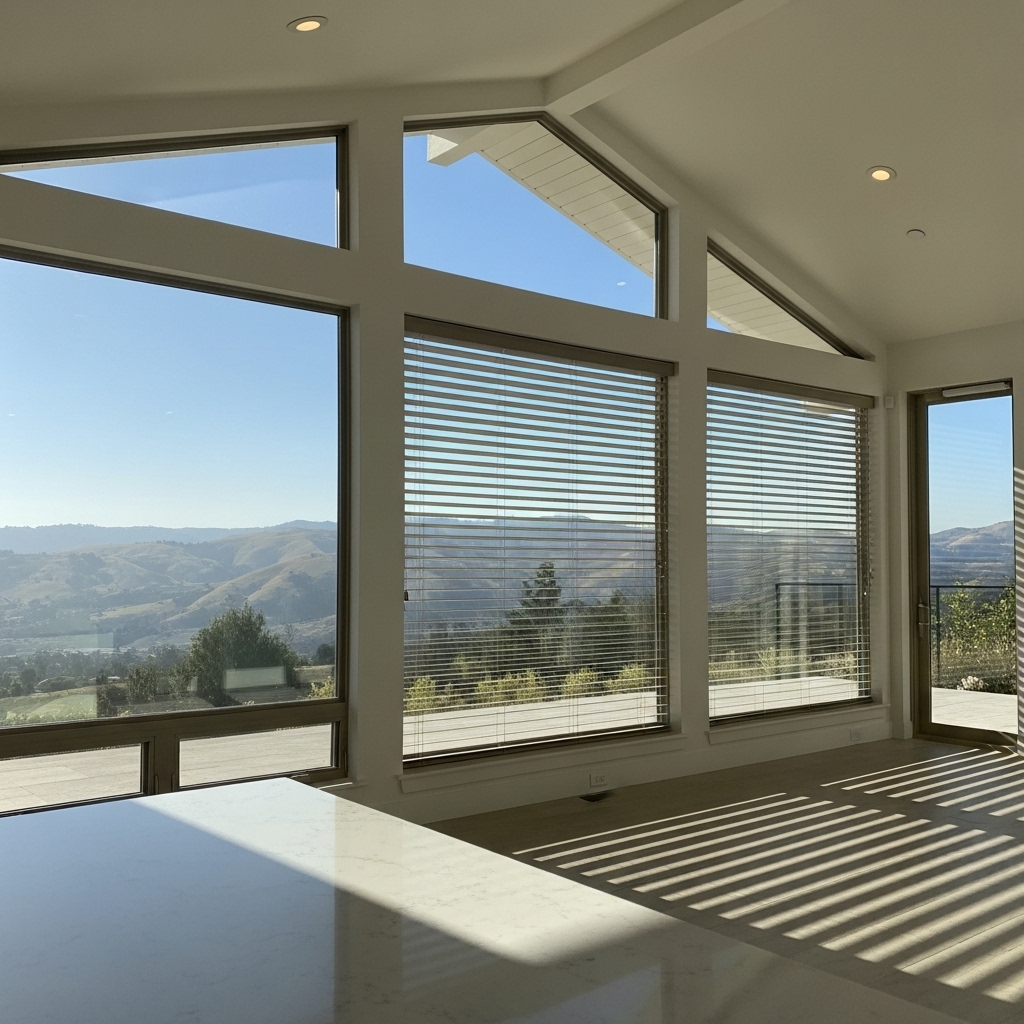
On bright Simi Valley mornings, the first thing many homeowners notice is how quickly the sun pours through their windows and warms the living room. Our hills capture heat, our afternoons are famously bright, and even during cooler months the light can feel intense when it bounces off stucco and hardscape. In this environment, window coverings are not just decoration; they are part of your home’s comfort system. Choosing the right option can reduce heat gain, protect furnishings, and create a softer, more livable interior without shutting the valley’s beautiful daylight out.
That is where well-chosen aluminum blinds prove their worth. As a local consultant who has measured windows from Wood Ranch to Madera Hills, I’ve seen how a thoughtfully specified aluminum blind can deliver noticeable energy savings alongside crisp, tailored style. The secret lies in the material’s reflectivity, the precision of modern slat mechanisms, and how we pair the product with the home’s orientation, glass type, and daily rhythms. When you harness those factors, you achieve a home that stays cooler on the hottest afternoons and cozier when evening breezes bring a chill.
Because so many Simi Valley homes were built with expansive panes facing west and south, controlling late-day sun is a recurring challenge. Traditional fabric treatments add softness, but they can trap heat against the glass. Aluminum, on the other hand, reflects a meaningful portion of solar radiation back toward the window, and when slats are tilted just right, it balances sun control with gently filtered illumination. The result is usable light without the harsh heat that typically rides in on Santa Ana days.
Why energy efficiency matters in Simi Valley
The story of energy efficiency here is tied to our microclimate. We sit inland enough to get warm, often very warm, but we still feel the marine layer in the mornings and the Valley’s well-known diurnal temperature swings. That means homes need to manage heat gain and loss in a dynamic way, not simply shut light out altogether. Aluminum blinds perform like adjustable exterior shades, except they live inside and respond instantly to changes in sun angle. By tilting slats to direct light toward the ceiling, you continue to brighten a room without heating surfaces that radiate warmth long after sunset.
Another reason efficiency matters is the way sunlight interacts with common finishes. Stone floors, quartz counters, and darker furniture absorb and re-emit heat. Over time, that makes AC work harder and shortens the comfort window in late afternoon. Slats with a soft, light-reflective finish act as a first line of defense, scattering the light rather than letting it land directly on heat-absorbing surfaces. That translates to a home that remains pleasant without resorting to closing shades completely and living in shadow.
How aluminum slats manage light and temperature
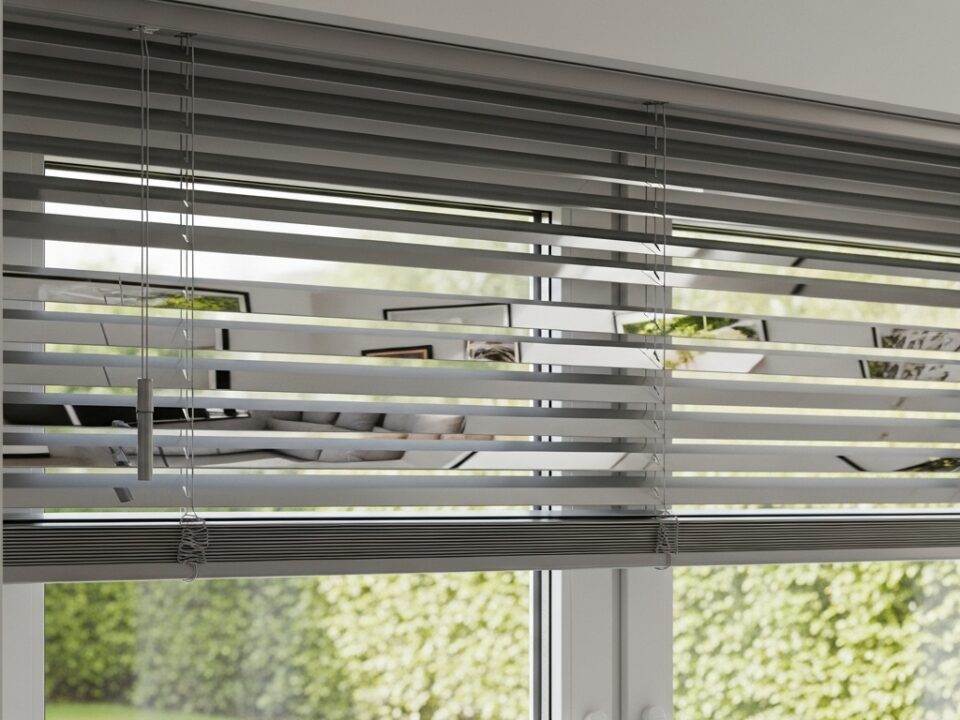
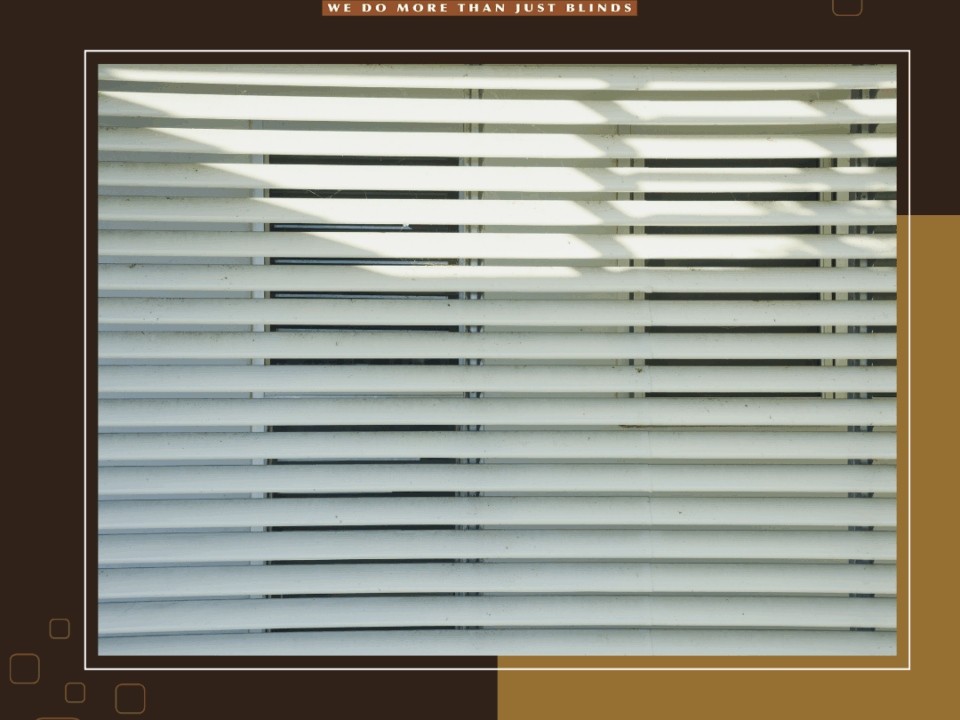
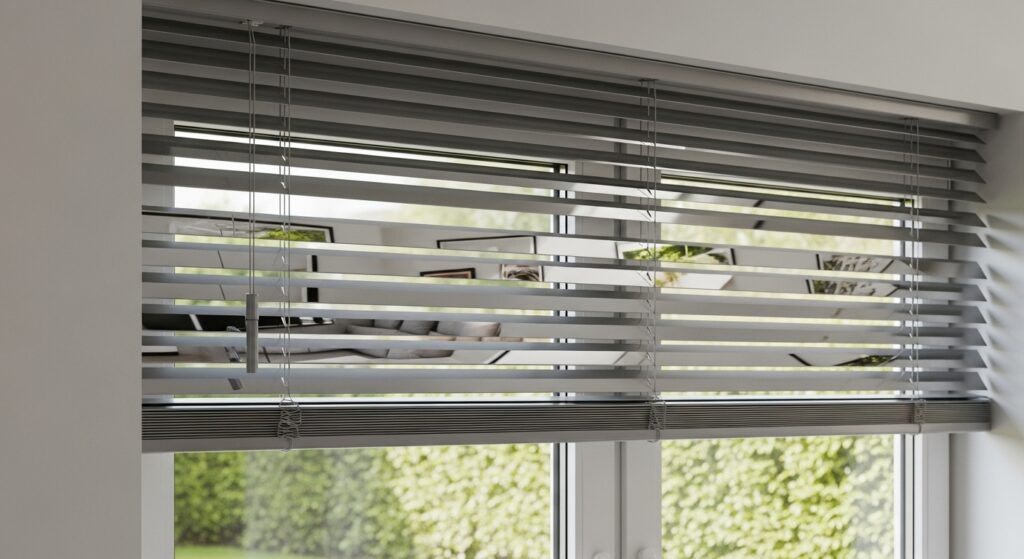
At a glance, a slatted blind looks simple, yet the aerodynamics and optics of those slats are what make the product effective. Tilt them slightly downward on a south-facing window at noon and you will shield occupants from glare while allowing a ribbon of sky-bright light to travel upward. On a west-facing slider around four o’clock, angle them so the leading edges block the low sun, and the room won’t accumulate heat as quickly. Because aluminum is thin and rigid, the slats hold precise angles, and that repeatable precision is a big reason homes feel more consistent temperature-wise across the day.
Unlike heavy drapery that creates a warm pocket near the glass, aluminum blinds encourage a minor convective flow. Air warms, rises behind the blind, and is replaced by cooler room air, which helps prevent hotspots from forming at seating height. This subtle air movement is not a fan-level draft; it is a gentle exchange that keeps temperatures more even, a boon in rooms with high ceilings common to many Simi floor plans built in the late 1990s and early 2000s.
Color, finish, and slat width for performance
Energy efficiency is not just about the material—color and sheen matter. Lighter finishes reflect more visible and near-infrared light, keeping surfaces cooler. A matte arctic or soft pearl can soften glare while bouncing excessive brightness away. Medium tones with a satin sheen strike a balance for rooms that need warmth in the morning but protection by afternoon. In Simi Valley kitchens where stainless and white dominate, a cool, light finish keeps the look cohesive and performance high. In dens or media spaces where you want richer tones, consider a slightly lighter window side coating to preserve reflectivity while maintaining the room’s palette.
Slat width plays a role too. One-inch slats are the classic aluminum look, providing tight stacking and fine-tuned control. Larger slats increase the view when open and can reduce the number of reflective surfaces, which some homeowners find gentler on the eyes. In energy terms, both are strong performers when properly adjusted, but narrower slats give more incremental control on those days when the sun sits at a tricky angle over the Simi Hills.
Pairing blinds with glass, frames, and orientation
Aluminum blinds complement, rather than replace, good windows. With dual-pane low-e glass, the combination works especially well. The coating reduces the most aggressive solar wavelengths, while the blind controls visible light and glare. In older homes off Cochran or near the Sinaloa Lake area where original windows may still be in place, the blind does more heavy lifting by cutting direct sun, improving comfort even before any window upgrades. When I measure, I look at frame depth, the angle of the sill, and whether the window sits flush or recessed. Deep frames allow the blind to nest closer to glass, improving reflective performance without obstructing crank handles or locks.
Orientation matters. South-facing windows benefit from a mid-tilt that sends light upward. West-facing openings need a steeper tilt late in the day, which is where cord or wand mechanisms with smooth, incremental control prove their value. East-facing bedrooms often want morning glow but not the full blast; a shallow tilt delivers a softer wake-up while keeping the space cool for later.
Daylighting without the heat
One of the joys of Simi Valley living is the golden quality of afternoon light, especially in fall. The challenge is capturing that beauty without warming the house. Aluminum blinds excel at what designers call daylight redirection. By tilting slats to reflect light toward the ceiling plane, you transform harsh rays into ambient glow. Walls, rather than floors and counters, become the primary receivers, and walls simply do not radiate heat the way horizontal surfaces do. The room reads bright to the eye while the thermostat remains steady.
For home offices, this control is essential. Glare on a screen is not just annoying—it reduces productivity and causes eye fatigue. With aluminum slats, you fine-tune the tilt until reflections vanish but the workspace remains naturally lit. As the sun moves while you are on a video call, a quick nudge of the wand restores the balance without dropping the room into cave darkness.
Layering for thermal and acoustic comfort
Many Simi Valley homeowners prefer a layered approach. A simple sheer drapery softens edges and provides sound absorption, while the aluminum blind underneath handles the hard work of reflection and angle control. This pairing particularly helps in neighborhoods near busier thoroughfares where road noise creeps in. The sheer absorbs some sound and diffuses the light that slips between slats, producing a calm, finished look. During heat waves, close the slats more fully at peak hours, then return to a day-lighting angle once the sun drops behind the ridgeline.
In bedrooms, an aluminum blind pairs nicely with a light blackout panel on a decorative rod. You get darkness when needed and efficient daily control otherwise. This dual system is nimble, looks tailored, and still respects the clean, uncluttered lines many of us appreciate in contemporary Simi remodels.
Durability and sustainability
Aluminum’s longevity is part of its energy story. Durable blinds stay in service for years, which means the home continues to benefit from their performance without frequent replacement. In our area, dust from dry seasons and occasional ash from distant wildfires can settle on everything. Aluminum slats wipe clean easily, maintaining reflectivity. Keeping surfaces bright matters because a dull, dusty blind reflects less and absorbs more heat. Quick, routine cleaning with a soft microfiber cloth keeps performance at its peak and prevents the need for harsh chemicals that do not belong near living spaces.
Sustainability also shows up in the way aluminum can be recycled at end of life. While window coverings are not often thought of as part of a long-term materials plan, a product that resists warping, holds its shape, and can eventually be reclaimed makes both ecological and financial sense in a community that values smart stewardship of resources.
Smart control and daily routines
Energy efficiency is not just a product choice, it is a habit. When blinds are convenient to adjust, people use them more effectively. Cordless lifts and smooth-tilt wands make it simple to react to changing conditions. In great rooms with tall windows, motorized tilt can be a game changer. Set a midday scene that angles slats for heat control, then shift to an evening scene that opens views to the rosy sky. Because the slats move in precise increments, you gain repeatability, something our changeable light often demands.
Well-chosen controls help in households with kids and pets. Cordless options reduce clutter and improve safety while keeping adjustment quick. The easier it is to tilt and raise, the more consistently you will use the blind to block heat when it matters and harvest warmth when it helps. Throughout the middle of the home, where open-concept spaces are common, a uniform control style lends visual calm and encourages the whole family to participate in keeping the home comfortable.
Real-world Simi Valley scenarios
Consider a two-story house near the 118 corridor with a bank of west-facing windows over the kitchen sink. In summer, the late light can make dinner prep uncomfortably warm. With aluminum slats in a light, matte finish, a modest afternoon tilt drops the radiant load noticeably while preserving a clear view between slats. The counters stay cooler, and the space remains inviting, not sweltering. Later, when the sun lowers further, a slight tweak preserves the glow without the glare.
Or imagine a single-level ranch in the Bridle Path area with broad south-facing sliders that open to a patio. The homeowners enjoy winter sun but dislike the heavy heat that arrives in July. Aluminum blinds let them collect gentle warmth in cooler months by opening the slats to angle light into the back of the room, then reverse the tilt come summer to keep the patio bright but the interior cool. The flexible, seasonally tuned approach creates comfort without sacrificing their love of natural light.
Common mistakes to avoid
The biggest misstep I see is choosing too dark a finish under the assumption that darker equals more shade. While dark slats block view more aggressively, they also absorb more heat, which can raise the temperature near the window and make the room feel warmer overall. Another mistake is mounting the blind too far from the glass when the frame depth would allow a closer fit. The closer the slats sit to the pane, the more effectively they intercept and redirect solar energy. Finally, inconsistent daily use undermines results. If the blind sits untouched at noon on a bright day, any product will underperform. A minute of adjustment pays for itself in comfort every afternoon.
Mid-installation shortcuts can also compromise performance. Skipping side returns or using a narrow headrail on a wide opening invites light leaks and reduces control along the edges, where heat can spill in. Proper templates, accurate measurements, and matched hardware all add up to a smoother, tighter system that handles our sun with finesse rather than brute force.
Midday performance tune-up
If you want a quick way to test the efficiency of your window treatment, try this on a clear day around two o’clock. Set the thermostat to a steady temperature and note the feel of the room. Tilt slats to reflect light upward and step away for ten minutes. You will sense the difference in radiant comfort before the HVAC cycles, especially if you have darker floors or leather furniture. The absence of glare is immediate, and the mellow light tells you the treatment is doing its work. This simple experiment is often all it takes for homeowners to commit to better habits and appreciate why aluminum is so effective in our climate.
As you refine your approach, consider activity patterns. If you cook late or prefer to read in a particular corner every afternoon, set the slats to favor that zone, then adjust the rest of the room for balance. Aluminum’s precise, repeatable tilt is the tool that makes these small optimizations practical without adding burdensome complexity to your day.
Where aluminum beats other options
Every window covering has strengths. Sheers excel at softness, roller shades at minimalism, and shutters at classic architecture. Aluminum blinds stand out for their ratio of control to footprint. They take up very little space at the head when raised, provide outstanding glare management when lowered, and offer instant, fine-grained adjustment as the sun moves across the sky. For energy-minded homeowners who want to enjoy Simi Valley’s natural light without the heat penalty, that blend of features is hard to beat.
Midday glare in home offices and great rooms is where aluminum shines brightest. By blending reflectivity with exact tilt control, these blinds carve out a comfortable bubble in the most challenging part of the day, reducing the need to close everything off. The space remains connected to the outdoors, a quality we cherish in a town with trailheads, mountain silhouettes, and bright skies most days of the year. And when you need a full view, a clean raise stacks the slats compactly and out of the way.
In the middle of the home improvement spectrum—neither the lightest sheer nor the most architectural shutter—aluminum blinds are often the Goldilocks choice for Simi Valley. Their performance is rooted in physics you can feel as you move about the room, especially in summer when west-facing glass can become a heat engine without careful control. Choosing a reflective finish and tending to daily tilt is a small change with a large impact, a practical step toward an energy-savvy home that still glows with natural light.
When you are ready to explore finishes and slat widths, remember that mid-tone walls and pale flooring love a slightly cooler blind color, while warm, earthy palettes pair well with soft champagne or pale taupe. If your goal is maximum performance, prioritize the lightest reflective finishes in high-heat zones and reserve richer tones for rooms that need more mood than muscle. In either case, the aluminum core is doing the hard work of steering sunlight so that comfort and efficiency rise together.
Some homeowners test a single room before outfitting the whole house. That is a smart approach. Install in a challenging, sun-exposed space and live with the blind for a few weeks across different weather. Note how much less you reach for the thermostat and how much more time you spend with the slats angled just so, letting the day in while keeping the heat out. That lived experience builds confidence to expand the solution, and the uniform look across rooms adds an ordered calm that many Simi Valley interiors appreciate.
How do aluminum blinds improve energy efficiency compared to fabric shades?
Aluminum blinds reflect a greater portion of solar radiation, especially when finished in lighter, low-sheen colors. Fabric shades can diffuse light but often absorb more heat, creating a warm pocket near the glass. With aluminum, fine tilt control redirects daylight toward ceilings and walls, reducing radiant load on horizontal surfaces that tend to warm a room. The result is similar ambient brightness at a lower temperature, particularly noticeable on west-facing windows.
Do lighter colors really keep rooms cooler?
Yes. Lighter, reflective finishes return more visible and near-infrared light back toward the window, limiting heat build-up on floors, counters, and furniture. In practice, a matte or satin light tone reduces glare while preserving brightness, which is ideal for Simi Valley’s intense afternoon sun. Darker tones have their place for moodier rooms, but they absorb more heat and are best kept to spaces with gentler exposures.
What slat width should I choose for the best balance of view and control?
One-inch slats remain the most versatile for energy control because they allow very precise tilt adjustments. Larger slats increase view when open and can look more contemporary in wide windows. If your priority is maximum glare management during peak hours, the one-inch size provides the finest tuning. If your priority is view with intermittent control, a larger slat may be suitable without sacrificing too much efficiency.
How close should the blind sit to the glass?
As a rule, the closer the slats sit to the glass without interfering with latches or cranks, the more effectively they intercept and redirect solar energy. A proper inside mount in a sufficiently deep frame delivers the tightest control with a clean, built-in look. Where depth is limited, an outside mount can still perform well when sized correctly to cover edge light leaks.
Will aluminum blinds make my rooms too dim?
Not if you use the tilt strategically. Redirecting light upward brightens ceilings and upper walls, creating a soft, even glow without the harshness of direct beams. The space reads bright to the eye, yet surfaces remain cooler. Most homeowners find that once they get comfortable with a few preferred angles, they enjoy more usable daylight than before because glare is no longer a deterrent.
Can aluminum blinds work with smart home systems?
Yes. Many models offer motorized tilt or lift that can be operated via remote or integrated with smart platforms. In Simi Valley homes with tall windows or hard-to-reach transoms, motorization encourages consistent use, which directly improves energy performance. Scene settings make it easy to shift from midday efficiency to evening ambiance with a single command.
If you are considering an upgrade for comfort, light control, and a cooler home in the hottest hours, explore modern aluminum blinds firsthand. I can help you evaluate finishes, slat widths, and mounting styles that suit your architecture, then fine-tune tilt strategies for your daily routines. Reach out to schedule a friendly consultation, and let’s shape a home that welcomes Simi Valley’s sunshine on your terms.