

Custom Wood Shutters for Energy Savings in Simi Valley California
January 5, 2026
Custom Shutters Installation in Simi Valley California Expert Fit
January 12, 2026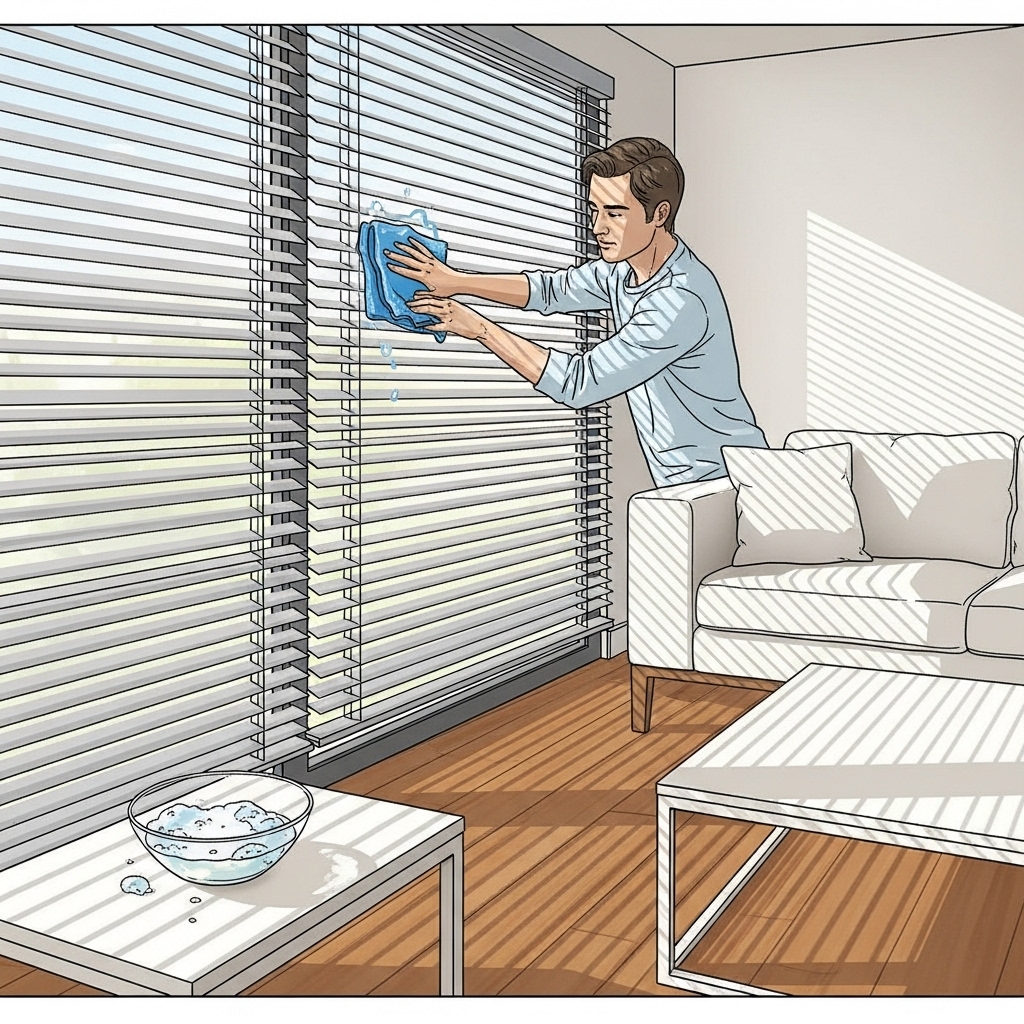
Simi Valley’s light is beautiful, but it comes with dust, shifting temperatures, and the occasional gusty Santa Ana that sneaks grit into every corner of the house. For window coverings, that mix can dull finishes and stiffen moving parts if you leave them alone too long. Fortunately, with a simple routine and a few local-savvy habits, aluminum blinds stay crisp, glide smoothly, and keep performing like new. As someone who has tuned and cleaned blinds from Texas Tract to Big Sky, I have learned that maintenance is less about elbow grease and more about timing, technique, and choosing the right touch for our conditions.
Let’s start with mindset. Rather than waiting for thick dust to settle, think of light, regular care as part of your weekly rhythm. During dry spells or when the winds pick up, dust accumulates faster. A quick pass here and there is the difference between a refreshing swipe and a drawn-out chore. Well-maintained aluminum blinds reward you with smoother tilt action, brighter rooms, and longer-lasting finishes, which in turn support better energy performance because clean slats reflect more light and heat away from your interiors.
The other advantage of a gentle, consistent routine is that you avoid the temptation to use harsh cleaners. Abrasives and strong solvents can etch coatings and leave streaks that attract more dust over time. In our bright climate, etched spots become visible as the sun rakes across the surface, and once a coating is compromised, it tends to hold onto grime. The best approach is a soft cloth, a light touch, and a plan that follows the sun so you are not cleaning hot slats that dry too quickly and spot.
Weekly dusting that actually works
A microfiber duster or clean microfiber cloth is your go-to. Close the slats so they create a flat plane, then dust from the top rail downward in smooth strokes. Reverse the tilt and repeat on the back side. This two-step pass is faster than chasing each slat individually because you are using the slats themselves to create a consistent surface. In Simi Valley, where afternoon sun can be intense, do this early or later in the day so the slats are cool to the touch and the cloth glides rather than drags.
Pay a little extra attention to edges and the leading lip of each slat. That is where particles pile up during windy days. If your blind has decorative tapes, support the tape with your free hand while dusting to avoid tugging. For high windows, a light, extendable duster helps you maintain a gentle angle. Resist the urge to bang the duster against the blind; vibration loosens hardware over time and creates a metallic rattle you do not want to hear.
Monthly refresh for shine and smooth action
Once a month, give your blinds a slightly deeper refresh. Prepare a small bowl of lukewarm water with a drop of mild dish soap. Dampen a microfiber cloth until just barely moist, then wring it well. Wipe the slats in their closed position as you would during dusting, then reverse and repeat. You are not trying to soak anything; too much water invites spotting and can wick into headrails. Immediately follow with a dry cloth to pick up any remaining moisture and to burnish the finish lightly for renewed sheen.
As you move, listen for squeaks or resistance in the tilt mechanism. Squeaks often mean dust has collected where the tilt rod meets the ladder drums or where the wand gear lives inside the headrail. If you hear noise, a burst of compressed air aimed carefully into the headrail can clear debris. Avoid oil-based lubricants; they attract dust and gum things up. A dry silicone spray, applied sparingly to a cloth and then transferred to the moving surfaces, is the safer choice. The mantra is minimal product, targeted placement, and immediate wipe-down of any overspray.
Seasonal deep care for Simi Valley conditions
At least twice a year—usually after the windiest periods and before summer—schedule a deeper session. Start by inspecting mounting brackets and screws. Temperature swings can subtly loosen fasteners, especially on south and west exposures. Tighten any that have backed off, but do not over-torque. Then examine ladder strings and lift cords for fraying or sun bleaching. If you catch wear early, these components can often be replaced without retiring the whole blind, and it is far less disruptive to swap parts than to work around a failure later.
For slats with noticeable grime, remove the blind if it is practical and lay it flat on a clean, soft surface like a towel-covered table. Wipe with a barely soapy, lukewarm cloth, then rinse the cloth and repeat with clean water to pick up any residue. Dry immediately with a fresh cloth. Standing the blind to dry invites streaks because water runs to the edges and dries there. Flat drying keeps the finish even and helps you spot any spots you missed before they set.
Handling bent slats and minor dings
Life happens, and aluminum—while resilient—can pick up a gentle bend from a bumped vacuum or a playful pet. Small bends are often correctable. Remove the slat if the blind’s design allows, place it between two smooth, flat objects like clean cutting boards, and press gently to ease the bend out. If the crease has a sharp line, you can often soften it to near invisibility with patient pressure, but avoid back-and-forth bending, which weakens the metal. For persistent damage, replacement slats are available for many systems, and swapping a few is far more sustainable than replacing the whole blind.
Pay attention to repetitive dings near high-traffic areas like patio doors. If the blind contacts a latch or handle, a thin, clear bumper applied to the interfering surface can prevent future marks. This tiny adjustment reduces vibration, which extends the life of ladder strings and keeps the headrail quiet when doors open and close.
Caring for cords, wands, and cordless lifts
In our family-focused community, many homeowners prefer cordless lifts. These mechanisms are robust, but like any moving system they appreciate clean tracks and even handling. Keep the bottom rail free of grit by sweeping sills and vacuuming tracks so nothing scratches or grinds as you raise and lower the blind. When using a wand, avoid twisting aggressively at the very end of the tilt range; ease up once you feel resistance so you do not strip gears inside the headrail.
If your blind uses cords, keep them neat to avoid uneven stacking, which puts strain on one side. An occasional pinch-and-release along the ladder with a clean cloth redistributes dust and keeps movement smooth. Pets are naturally curious, so secure cords to the wall with cleats or opt for cord consolidators that reduce loops. Safety and smooth operation go hand in hand, and tidy cords lead to fewer snags and cleaner alignment.
Sun, UV, and finish longevity
Simi Valley sunshine is generous, and UV is relentless. Quality aluminum finishes are engineered to resist fading, but dust acts like very fine sandpaper over time if it is not removed. That is another reason light, regular cleaning matters. If a window bakes for hours each day, consider a slightly more frequent microfiber pass to keep that surface clear. Light finishes tend to show less fading and keep rooms cooler by reflecting more light, which also supports the finish’s long-term health.
If you enjoy opening windows for cross-breezes, remember that air carries particles. A screen helps, but fine dust passes through, especially during Santa Ana events. After a windy day, a quick dusting the next morning prevents particles from embedding in the finish. It is a five-minute task that pays dividends in appearance and function.
Kitchens, baths, and utility spaces
Moisture and cooking residues introduce another maintenance angle. Aluminum blinds are great in kitchens and baths because they resist warping, but they will collect micro-splatters near stovetops and sinks. A barely damp cloth with a mild, degreasing dish soap lifts these films easily if you tend to them before they cure. Rinse the cloth and follow with a clean pass to remove any soap. In bathrooms, run the fan during showers and leave the slats slightly open to encourage air movement, which discourages condensation from settling on surfaces.
Laundry rooms and garages converted to hobby spaces often have dust from lint or projects. Position the blind so the slats shed dust rather than catch it. A downward tilt over appliances prevents fluff from nesting in the little pockets between slats, making your weekly swipe simpler and quicker.
Noise, rattles, and vibration
Rattling blinds are telling you something. It might be a loose bracket, a misaligned headrail, or airflow moving through a gap. First, confirm the headrail is square and seated fully in its brackets. Next, check that the bottom rail taps gently against the sill when lowered; if it sits above the sill and vibrates in the air stream from a vent, lower it another half inch or redirect the vent’s louver. Soft, clear bumpers on the sill eliminate chatter when doors close nearby. These tiny tweaks turn an occasional distraction into peaceful quiet.
Where windows meet sliding doors, consider adding a slim spacer to keep the blind’s bottom rail from contacting the door frame when you move through the opening. The goal is to reduce repetitive impacts that stretch ladders and dull finishes along one edge, common in busy households where the patio is a daily destination.
When to call for repairs
There is a right time to DIY and a right time to call for help. If a tilt rod has slipped, a ladder string shows serious wear, or a lift mechanism feels jagged rather than smooth, a professional tune-up prevents a small issue from cascading into multiple failures. Parts can often be replaced quickly, and the blind reinstalled the same day. That is especially helpful on primary windows where privacy and sun control are must-haves. Paying attention to early signs keeps your home comfortable and protects furniture and floors that rely on consistent shade.
In rental units or ADUs, a quick service call between tenants restores like-new operation and appearance. Clean, well-functioning blinds photograph better for listings, and they stand up to daily use because every part is working as designed. A modest, periodic investment in care keeps turnovers smooth and reduces surprise maintenance during a lease.
Storage and off-season considerations
Most of us do not remove blinds seasonally, but there are times during remodels or painting when you might take them down. When you do, store them flat and fully supported, never on an edge. Wrap the headrail to protect the tilt mechanism from dust, and label each blind with its room and orientation so you reinstall correctly. Before rehang, give everything a quick dust and check the brackets; fresh screws and a square headrail make the first tilt feel silky rather than stiff.
If you are repainting, mask hardware while you roll the walls. Paint splatters on slats are tough to remove without marring the finish. A simple strip of tape and a few careful cuts around the brackets save hours of cleanup and keep the product looking showroom fresh.
Keeping blinds beautiful during daily life
With kids, pets, and a full calendar, perfection is not the goal—reliability is. Encourage everyone to use the wand or bottom rail gently, not tug at a single slat. Teach a quick tilt in the afternoon rather than closing the blind entirely, which preserves view and reduces wear. In great rooms that double as homework zones, morning microfibers followed by a midday tilt become habits that keep the space cool and comfortable without fuss.
For those who work from home, clean blinds pay off on camera too. Even, well-managed light reads better on video, and the finish looks clear and professional. A small dose of routine care shows up in ways you notice and in ways you do not—quieter rooms, steadier temperatures, and mechanisms that respond the way they did on day one.
How often should I clean aluminum blinds in Simi Valley?
A light dusting once a week and a gentle, barely damp wipe once a month works well for most homes. Increase frequency after windy days, and schedule a deeper check at least twice a year to tighten hardware, clear the headrail, and inspect cords or ladders.
What cleaners are safe for aluminum finishes?
Mild dish soap diluted in lukewarm water is sufficient for films and splatters. Avoid ammonia, bleach, abrasives, and oil-based polishes. Always wipe dry after a damp pass to prevent spots and to preserve the finish’s reflective quality.
How do I fix a bent slat without replacing the blind?
For small bends, remove the slat if possible and press gently between two flat, smooth boards to ease the curve out. Work slowly to avoid back-and-forth flexing. If a crease remains prominent, replacement slats are often available and are easy to swap for a tidy repair.
Why does my blind rattle and how can I stop it?
Rattling usually points to loose brackets, airflow hitting the blind, or a bottom rail hovering above the sill. Re-seat the headrail, adjust the bottom rail to rest gently on the sill, and use small bumpers where needed. Clearing grit from tracks near sliders also cuts vibration.
Are cordless aluminum blinds durable enough for daily use?
Yes. Cordless lifts are designed for frequent operation and benefit from simple care like clean sills and even lifting with two hands at wider widths. They are a popular choice for family homes because they combine safety with clean lines and smooth action.
Do clean blinds really improve energy performance?
Absolutely. Reflective surfaces work best when they are clean. Dust reduces reflectivity and increases absorption, which warms the room. Regular dusting and gentle wipe-downs keep slats bright so they continue to bounce light and heat away effectively.
If your blinds could use a refresh or you are thinking about upgrading to modern, easy-care aluminum blinds, reach out for a local walkthrough. I will help you set a simple maintenance routine, fine-tune fit and function, and choose finishes that stand up to Simi Valley’s sun while keeping your home bright, calm, and comfortable day after day.