

Aluminum Window Blinds for Sale in Simi Valley California
January 16, 2026
Compact Aluminum Mini Blinds Ideal for Apartment Living in Simi Valley California
January 16, 2026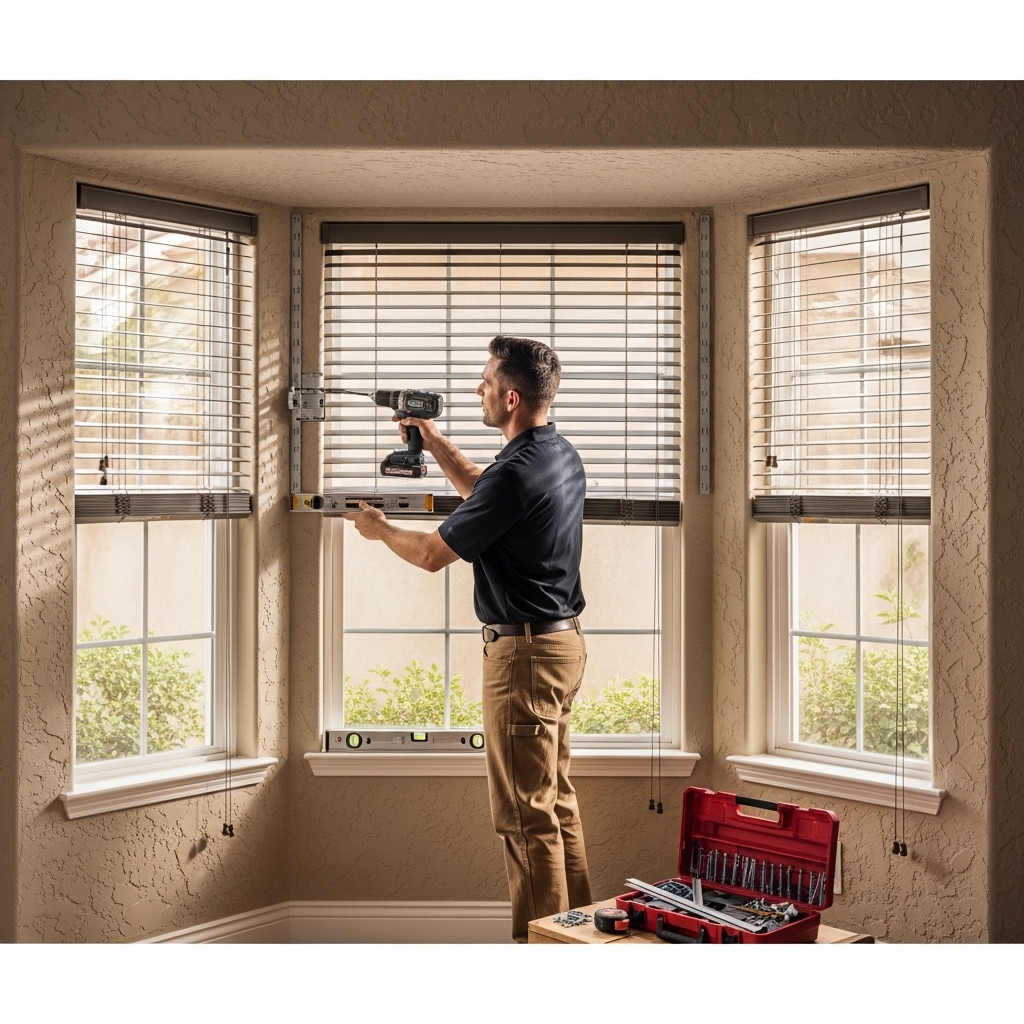
Understanding Aluminum Blinds Installation in Simi Valley—What Really Drives the Final Number
Ask a handful of Simi Valley homeowners about window treatments and you’ll hear a familiar refrain: they want precise light control, a clean look, and something durable enough for our bright, dry climate. Aluminum blinds deliver all three, but when it comes to planning an installation, the question many people ask is what influences the overall investment. Without getting into specific figures, it’s useful to understand the factors that shape the scope of work in our area and how smart choices make the project smoother. If you’re just starting to explore options, it helps to look at the style and performance of aluminum blinds as you consider the path from measurement to a finished, refined fit.
Every house in Simi Valley has its own character, and those details guide the installation approach. Older neighborhoods may feature varied window depths from room to room, while newer tracts often include generous sliding doors or picture windows. The goal is a consistent, tailored look across different openings, which means accurate measurements and thoughtful mount choices. Getting those fundamentals right pays dividends in everyday use, from the smoothness of the lift to the evenness of the slats when the blinds are fully lowered.
The Role of Measurement and Mount Type
Measurement is the foundation of a successful installation. Inside mounts rely on precise widths and heights to ensure the headrail fits cleanly within the window frame and the slats move without rubbing. Outside mounts benefit from careful planning of overlap so light gaps are minimized and the overall look ties in with surrounding trim. In Simi Valley homes with textured walls or uneven drywall reveals, an experienced eye can recommend minor adjustments—such as spacer blocks or specific bracket placements—that keep the finished result aligned and stable.
Mount type also influences the scope of work. Inside mounts require attention to depth; if the window well is shallow, selecting a compatible headrail and tilt mechanism ensures a flush fit. Outside mounts can be advantageous for rooms that need better dimming or where the window opening isn’t perfectly square. For bay windows, corner returns and bracket choices matter to prevent slats from clashing and to maintain clear sightlines. These decisions don’t just affect how the blinds look on day one; they also influence the everyday ease of raising, lowering, and tilting.
Window Count, Size, and Accessibility
The number of windows and their sizes naturally shape the time and coordination required. A home with a mix of small bedrooms and one large great room calls for a coherent plan that keeps finishes consistent while addressing each window’s unique demands. Larger openings—like sliders facing a backyard—often benefit from wider slats or a coordinated approach with vertical treatments. Accessibility matters too. Second-story installations may require additional setup for safe, steady work, and windows located over stairwells or built-in furniture call for careful staging to protect surfaces and achieve clean, accurate mounting.
When windows are arranged in banks or sets, alignment becomes a priority. A row of three windows, for example, should read as one cohesive composition. That means headrails sitting at the same height, slats tracking evenly across each opening, and valances matching in both color and profile. The effect is calm and intentional, which is exactly what homeowners notice and appreciate after an installation is complete.
Hardware, Mechanisms, and Finish Choices
Not all headrails and tilt mechanisms are created equal. Premium components feel different in the hand and move with more confidence. Over the long term, that reduces the likelihood of racking or uneven lift, which can cause frustration and extra adjustments. In our region’s bright conditions, finishes also matter. Matte, satin, and subtle metallic tones each mediate glare in their own way. Choosing a finish that suits the space—softening a sunlit office or adding definition to a shaded den—lets the blinds serve both function and design without compromise.
Corded, cordless, and wand-tilt options each carry practical considerations. In homes with young children or pets, cordless systems provide a tidy look and peace of mind. Traditional corded lifts remain a reliable choice for tall windows where frequent adjustments are expected. The key is to match the mechanism to your daily routine so the blinds support how you actually live, not just how a showroom display suggests you might.
Site Conditions Unique to Simi Valley
Local context matters. Stucco exteriors, textured interior walls, and a mix of older and newer construction techniques all influence planning. In homes near the hills, wind can sneak around corners and through cracked windows, which makes stable bracket placement and a true, square mount even more important. Dust from dry spells may encourage a slightly darker finish in high-traffic areas to keep the look crisp between cleanings. All of these tactical choices are part of tailoring the installation to Simi Valley’s rhythms.
Some homes also feature specialty windows: arches, narrow sidelites beside entry doors, or transoms over sliding doors. These openings can be beautiful but ask for experienced planning. For example, installing blinds above a slider requires precise clearance so the door operates freely while the blinds hang plumb. For arches, pairing a lower rectangular blind with an upper fixed accent sometimes delivers the best balance of function and aesthetics.
Preparation and Coordination
A well-run installation starts before the first bracket goes up. A pre-visit to confirm measurements, double-check finish selections in your actual light, and review mount decisions smooths the day-of experience. Clearing sills and furniture near windows can speed the process and protect your belongings. When installers arrive, they’ll stage tools, lay protective coverings as needed, and proceed methodically—bracketing, leveling, setting headrails, and testing each blind’s lift and tilt as they go.
After initial placement, fine-tuning follows. A professional will assess evenness across a bank of windows, confirm that slats close tightly in both directions, and make small adjustments that eliminate light leaks or uneven gaps. That last ten percent of effort is where the job moves from satisfactory to excellent, and it’s a difference you’ll notice every time you walk into the room.
Daily Performance and Long-Term Satisfaction
When aluminum blinds are measured and installed with care, daily life gets easier. You’ll feel it in the smooth lift, the quiet, precise tilt, and the way light behaves throughout the day. In rooms that used to be too bright at midday, a small adjustment makes them inviting again. In bedrooms, tilting the slats secures privacy without shutting you off from morning light. Over time, those small moments add up to a home that feels tuned to your routines.
Maintenance remains straightforward. Dusting is quick, and deeper cleanings are simple. The finishes available today are designed to maintain their appearance, and mechanisms in quality headrails resist drift and sticking. If a window faces a busy street or catches the brunt of afternoon sun, a slightly different finish or slat width might keep the look refined longer between cleanings—details a local specialist can guide you through during planning.
Comparing Aluminum to Other Materials—Through a Practical Lens
It can be helpful to think about what you want your blinds to do every day. Aluminum is known for structural stability, crisp lines, and precise control. In Simi Valley’s climate, that combination is particularly valuable. Wood or fabric treatments can be beautiful, and they have their place, but aluminum shines in rooms where bright sun and frequent adjustments are the norm. If your priority is a tailored appearance with reliable performance across seasons, aluminum earns its reputation the honest way: by working flawlessly when you need it.
Another practical advantage is how well aluminum integrates with layered treatments. If you prefer drapery panels for softness, aluminum provides the underlying control of light and privacy, while the fabric adds dimension. This layered approach lets you change a room’s tone with small adjustments to the blinds and a gentle draw of the drapery, rather than relying on one element to do all the work.
Where to Begin
If you’re at the research stage, start with how each room performs throughout the day. Which windows flood the space with light? Where do you desire more privacy? What color and sheen would harmonize with your floors, cabinets, and trim? With those answers in mind, look at materials and finishes under your own light instead of relying solely on photos. Holding sample slats up to your windows is revealing; you’ll see how the sun interacts with matte versus satin, and how a soft grey differs from a warm white at midday versus sunset. As you do, consider the performance and aesthetic qualities of premium aluminum blinds and how they align with your goals.
Frequently Asked Questions
Q: What influences the overall installation plan for aluminum blinds? A: Window measurements, mount type, mechanism selection, accessibility, and façade conditions all play major roles. Local factors like stucco texture and exposure to wind or strong sun also guide decisions.
Q: Do I need inside or outside mounts? A: It depends on your window depth, light control goals, and whether your openings are perfectly square. Inside mounts create a built-in look; outside mounts can improve dimming and cover irregularities.
Q: Are cordless systems worth considering? A: Yes, especially for homes with kids or pets. They offer a clean appearance and peace of mind while maintaining precise control over lift and tilt.
Q: How important is hardware quality? A: Very. Smooth, reliable mechanisms elevate daily use and maintain alignment over time. It’s a difference you’ll notice each time you adjust the blinds.
Q: Can aluminum blinds complement drapery? A: Absolutely. Aluminum provides fine-tuned control, while drapery adds softness and depth. Together they create a balanced, adaptable room.
Q: Is maintenance complicated? A: Not at all. Routine dusting and an occasional wipe-down keep aluminum looking new. Quality finishes resist discoloration and wear.
Q: Will aluminum blinds suit traditional interiors? A: Yes. With the right color and slat width, aluminum reads as tailored and classic, especially when paired with wood tones or textured fabrics.
When you’re ready to turn planning into progress, connect with a local professional who understands Simi Valley’s light and architecture. With careful measurement, thoughtful finish selection, and meticulous installation, your windows will feel transformed. Explore a curated range of aluminum blinds to see how a well-executed project brings precision, comfort, and a polished look to every room.