

Aluminum Blinds Maintenance Tips for Simi Valley California Homes
December 15, 2025
Seasonal Advice for Aluminum Blinds in Simi Valley California
December 15, 2025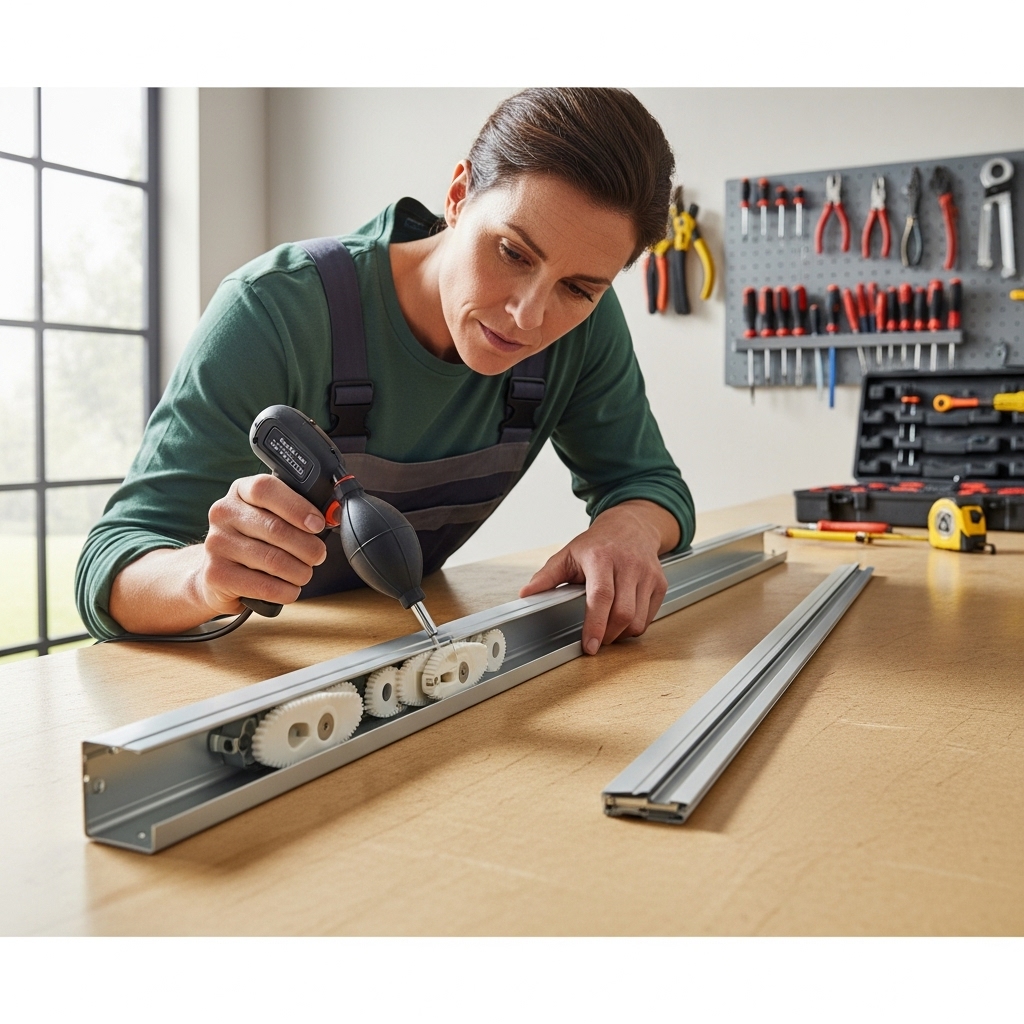
Simi Valley homes demand window treatments that stand up to bright light, occasional gusty winds, and an active, family-forward lifestyle. Aluminum blinds meet those demands well, but like any hard-working product, they can develop small quirks over time. The good news: most nuisances are easy to diagnose and fix with a calm, methodical approach. Whether you’re dealing with a stubborn tilt, a blind that won’t raise evenly, or the inevitable bent slat by a busy doorway, the following local-minded guidance will help you restore smooth, quiet performance—and keep it that way.
A Quick Orientation to How Aluminum Blinds Work
Understanding the mechanics makes troubleshooting straightforward. Inside the headrail sits a tilter, typically connected to a wand or a cord. Lift mechanisms rely on cords or tapes that travel over rollers and through guides. The slats hang from ladders—two or more sets of strings that keep everything aligned. When something feels off, it’s usually one of those components asking for a little attention. A patient inspection will show you what to adjust, clean, or replace.
In Simi Valley, dust is the ever-present wildcard. Fine particles find their way into tilter gears and along cord guides. Before you reach for tools, try cycling the blind: fully lower it, then tilt slowly through the entire range a couple of times. Often, that motion dislodges debris and restores easy movement. If not, a deeper look is in order.
Issue: Tilt Wand Feels Stiff or Skips
A stiff or skipping tilt usually points to dust buildup in the tilter or a slight misalignment in the headrail. Start by lowering the blind completely. With gentle hands, rotate the wand through its full travel a few times. If you feel a hitch at the same point each cycle, pop off the headrail’s front cover to expose the mechanism. Use a hand air blower to give short, controlled puffs at the gear. Avoid high-pressure air that could drive particles deeper. Reassemble and test. Nine times out of ten, the movement becomes smooth again.
Should the stiffness persist, check the ladder alignment. If one ladder is twisted, the slats resist tilting uniformly. Straighten the twist with a careful hand and retest. Avoid oil-based lubricants; they attract more dust. If lubrication becomes necessary, a tiny, tiny touch of dry silicone applied away from the slats can help, but most homes won’t need it.
Issue: Blind Raises Unevenly or Stalls
Uneven lifting typically means the cords are not winding evenly, or one side has more friction. First, close the slats fully—horizontal slats lift easier when properly aligned—then raise the blind slowly. If one side lags, lower it again and check the cord path. Are the lift cords crossing inside the headrail? Are rollers clean and spinning freely? A small brush or a puff of air often sets things right.
For cordless units, a lazy rise or sudden snap usually indicates spring tension out of balance. The remedy is built into the design: raise and lower the blind fully several times to reset the internal spring. Guide the bottom rail with two hands during the process. If you still get inconsistent action, verify the headrail is level—brackets slightly out of plane can make lifts feel harder than they should.
Issue: Slats Have Small Bends or a Sharp Crease
Life happens around windows. Chairs bump, kids explore, pets patrol. Minor bends can be coaxed back with patience. Place two smooth, flat tools—plastic putty knives work well—on either side of the slat and press gently to flatten. Work from the outside edge inward in short strokes. This method often makes small dings nearly disappear. For a sharp crease, however, replacement is the better path. Most aluminum blinds let you slide out a single slat and slide a new one in. Mind ladder orientation and sharp edges; a pair of thin gloves and slow movements make the job tidy.
If you find repeated bends in the same place, look for a habitual culprit like a window crank, a door handle, or a nearby chair. A few inches of rearrangement save you future fixes.
Issue: Rattling in a Breeze
Open windows plus a lively afternoon breeze can make the bottom rail tap the glass or wood. That’s not a defect; it’s the blind doing exactly what air currents tell it to. The solution is simple: use hold-down brackets on door lites and narrow windows, or keep windows slightly cracked rather than flung wide on gusty days. In Simi Valley, those Santa Ana moments don’t last forever, and the brackets buy you peace during the gusts.
You can also experiment with slat angle. A small upward tilt reduces surface area presented to the breeze and quiets the motion. Once the wind eases, return to your preferred angle for daily light.
Issue: Light Gaps at the Edges
Every inside-mount blind has a small gap to allow free movement. On particularly bright days, that sliver can become noticeable, especially in bedrooms or media rooms. Two approaches help. First, consider an outside mount on future installations for rooms that demand tighter coverage; extending the blind wider than the window opening blocks edge spill. Second, combine the blind with a side-drape panel or a simple return on a valance to capture stray light without giving up the crisp look of slats.
For existing inside mounts, careful positioning matters. Verify the headrail is square and centered. A headrail that’s 1/8 inch off can exaggerate a gap on one side. A quick adjustment often makes a visible improvement in symmetry and coverage.
Issue: Frayed Ladders or Lift Cords
Wear on ladders or cords signals friction points. Inspect the route where cords pass through slats and over rollers. If a roller is sticky, clean it with a dry cloth and ensure it spins freely. Replace cords that show significant fray before they fail. Many headrails are designed for service; with the blind removed and set on a clean table, you can thread new cords carefully, following the original path. If the job feels fiddly, a pro can swap cords quickly and ensure proper balance.
Prevention matters, too. Always open slats fully before raising the blind. Lifting when slats are partially closed strains cords and ladders. Teaching that one habit to everyone in the household extends the life of the mechanism significantly.
Issue: Wand or Tilter Disconnects
Occasionally, a wand coupling can loosen or a tilter gear can slip. If the wand won’t engage, check the small hook or clip at the end; reseat it into the tilter eyelet. If the tilter itself turns without moving slats, the internal gear may be worn. Replacement tilter units are commonly available and slide into the headrail with a few simple steps. Take a photo of the original layout before removing anything so reassembly is foolproof.
As with all small mechanical tasks, work slowly, on a table, with good light. Keep screws, end caps, and small parts in a dish. A mindful half hour can bring even a stubborn blind back to smooth, satisfying operation.
Issue: Finish Looks Dull or Film-Build-Up
Simi Valley’s dry air and airborne dust can leave a faint film on slats. The fix is a simple clean with a damp microfiber cloth, followed by a dry buff. In kitchens, add a drop of dish soap to warm water when needed. Avoid polishing compounds or abrasive pads; aluminum finishes are designed to clean up beautifully with mild methods. Regular, light maintenance prevents the need for heavier scrubbing that could stress ladders or edges.
In bathrooms, mineral spots can appear after steamy showers. Distilled water and a dry towel will clear them quickly. If you keep a small cleaning caddy under the sink, it’s easy to make this part of your routine and keep blinds looking fresh without much thought.
Issue: Headrail Out of Level or Brackets Working Loose
Over time, settling or frequent use can loosen a bracket screw. A headrail that’s slightly out of level causes uneven lifts and makes slats sit crooked at rest. With the blind fully lowered, check level across the headrail. If adjustments are needed, remove the blind, snug the brackets gently, and ensure both are at the same depth and height within the window frame. Rehang and test. Most of the time, this solves a host of alignment and lift oddities in one go.
If your window frame is out of square—a common quirk in older Simi Valley homes—an outside mount can disguise the irregularity and give you better edge coverage and cleaner lines.
Middle Perspective: Choosing Fixes That Last
What makes aluminum blinds such a smart fit here is how gracefully they respond to small, thoughtful adjustments. A quick clean, a re-seated bracket, a swapped tilter—these are modest fixes that deliver outsized results. And when you like the look to begin with, it’s easy to double down on quality. Well-built aluminum blinds use robust ladders, smoother tilt gears, and consistent finishes that resist the dust and bright sun we live with most days.
When Replacement Makes More Sense
There’s a tipping point where a tired blind consumes more energy than it’s worth. Multiple frayed cords, repeated tilt failures, or a finish that’s seen better days may be your cue to move on. This is especially true for heavily used windows—kitchen sinks, patio doors with adjacent sidelites, or playrooms where blinds are touched constantly. Fresh hardware resets the slate, and you gain quieter operation, cleaner lines, and often safer, cord-free designs that suit today’s households.
Replacing doesn’t have to be all or nothing. Many Simi Valley homeowners start with the most used rooms, then bring secondary spaces in line as time and energy allow. The result is a home that runs smoother and looks more cohesive, one window at a time.
Preventive Habits for Long-Term Calm
Prevention is simply mindful use. Open fully before lifting. Dust lightly each week. Keep windows mostly closed on gritty days. Check brackets twice a year with a quick level. These tiny habits keep blinds operating like new and make troubleshooting rare. When something feels off, respond quickly; most issues are easier to correct before wear sets in.
Frequently Asked Questions
Why won’t my aluminum blind tilt smoothly?
Dust in the tilter or a twisted ladder is usually the culprit. Try cycling the tilt fully and, if needed, pop the headrail cover to blow debris out gently. Straighten any ladder twist before reassembly.
How do I fix a blind that raises unevenly?
Close the slats fully and raise slowly. If one side lags, lower and check the cord path and rollers. For cordless units, reset spring tension by cycling the blind up and down completely several times.
Can I repair a bent slat myself?
For minor bends, yes. Use two smooth, flat tools to coax the slat back into plane from the outer edge inward. For sharp creases, replace the single slat for a near-invisible repair.
What should I do about rattling when the wind blows?
Install hold-down brackets on doors or narrow windows, and try a slight upward tilt to reduce motion. On gusty Santa Ana days, keep windows only slightly open to minimize tapping.
How do I know when to replace rather than repair?
If you see multiple frayed cords, recurring tilt failures, or a tired finish across the blind, replacement is more efficient. Focus on your most used rooms first for the biggest day-to-day impact.
Are there fixes for light gaps at the sides?
For new installations, consider an outside mount to cover the edges. For existing blinds, ensure the headrail is centered and level; even a small correction can improve symmetry and reduce edge spill.
A Practical Wrap-Up
Small, informed steps restore aluminum blinds to their smooth, satisfying best and keep them working hard in Simi Valley’s bright, lively homes. If you decide it’s time for an upgrade after tackling repairs, explore durable, well-finished options for aluminum blinds and enjoy the quiet confidence that comes from hardware tuned to your daily life.