
Common Aluminum Blinds Problems and Fixes in Simi Valley California
October 6, 2026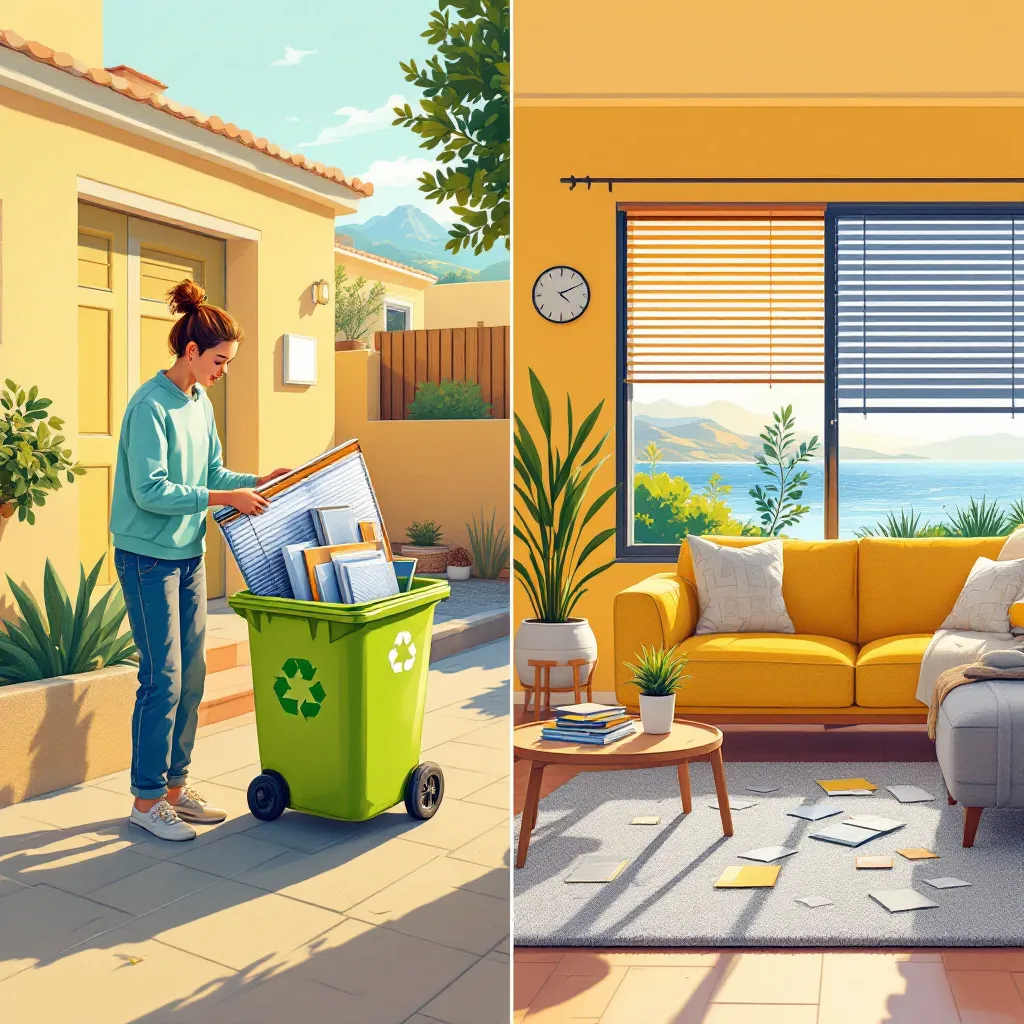
As someone who has been installing window coverings around Simi Valley for years, I often get asked about the environmental footprint of our most popular option: Aluminum Blinds. In a community that values both local charm and sustainability, homeowners want to know whether their choice in blinds helps or harms the environment, and what practical steps they can take to reduce impact without sacrificing style or function.
Aluminum Blinds and Their Environmental Footprint
When we talk about the environmental impact of Aluminum Blinds, it helps to look at the full life cycle: extraction, manufacturing, use, and end-of-life. Aluminum is an energy-intensive material to produce from raw ore, but it also has strengths that complicate that simple narrative. Its durability and recyclability mean that, over time, a responsibly managed aluminum product can be less burdensome than cheaper materials that deteriorate and need frequent replacement.
Manufacturing, Local Considerations, and Emissions
Most of the emissions tied to Aluminum Blinds occur during the initial extraction and processing of aluminum. While Simi Valley doesn’t host aluminum smelters, the embodied energy carried in a finished blind arrives from industrial centers far away. From a local perspective, the key is choosing high-quality blinds that will last decades in this Mediterranean climate rather than a short-lived alternative. Long-lasting products translate into fewer replacements and eventually lower cumulative emissions.
Use, Energy Efficiency, and Indoor Comfort
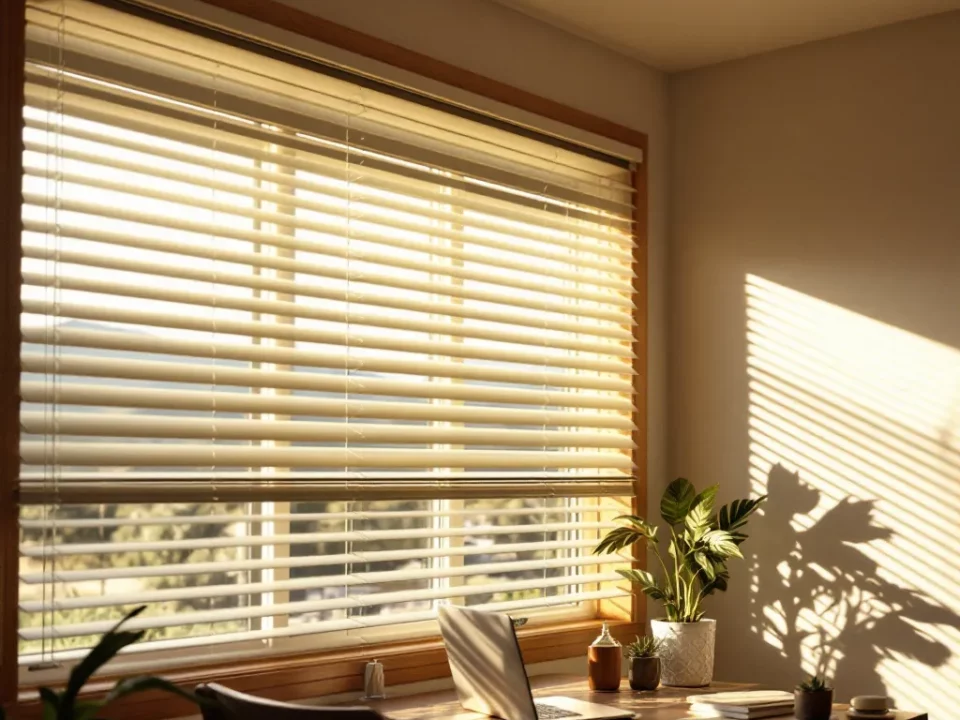
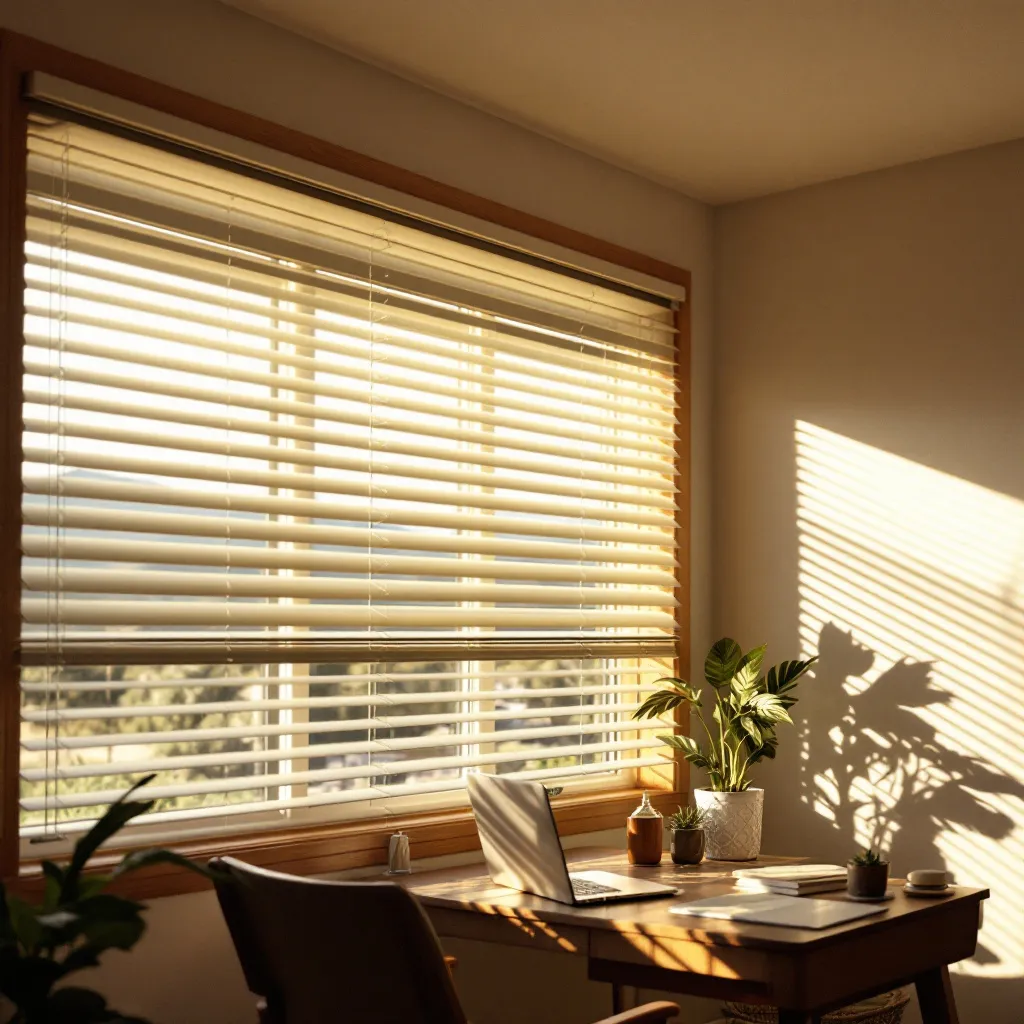
In everyday use, Aluminum Blinds offer benefits that often go overlooked in environmental discussions. Properly fitted and adjusted blinds can reduce heat gain during our hot summer afternoons and moderate heat loss on cooler nights. That energy-saving effect has a real environmental payoff in Simi Valley, where air conditioning demand can spike. By improving indoor comfort and shading, these window coverings help reduce the load on HVAC systems, which is an immediate and local climate benefit.
Recycling, Reuse, and Local Disposal Options
End-of-life choices are where homeowners truly influence environmental outcomes. Aluminum is one of the most recyclable materials, and recycled aluminum requires far less energy than primary production. I encourage clients to consider salvage and recycling first. If you’re replacing older units, I can often identify parts that are reusable or point you toward local scrap yards and municipal recycling programs. For residents who prefer professional handling, there are local services that accept metal window components for proper recycling. Another option that keeps material in use is donating still-functional blinds to community groups or reuse centers.
Maintenance, Longevity, and Reducing Waste
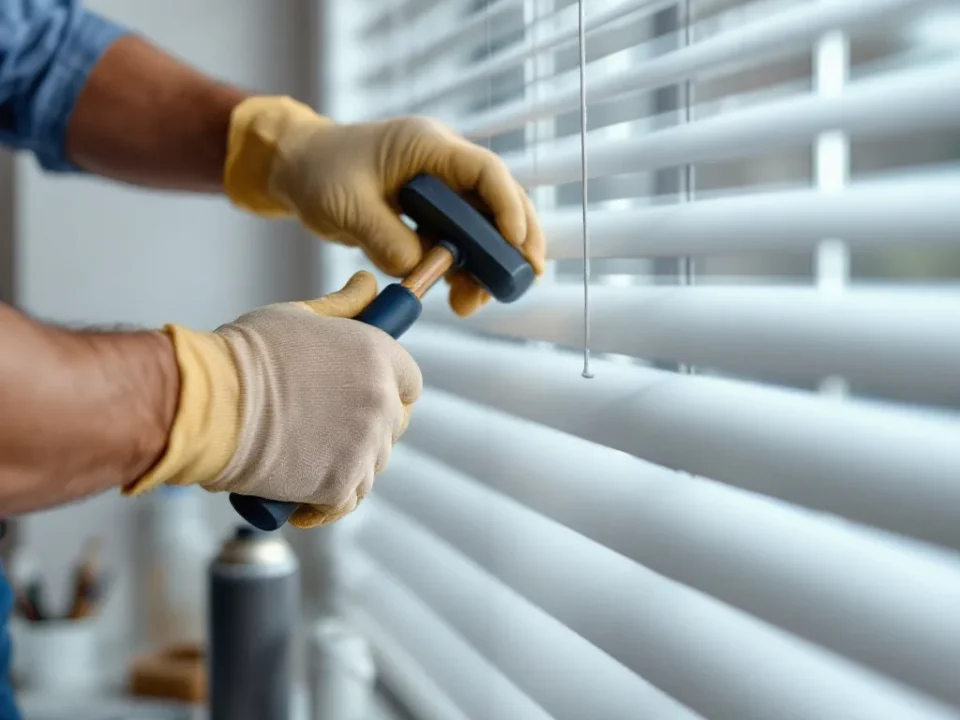
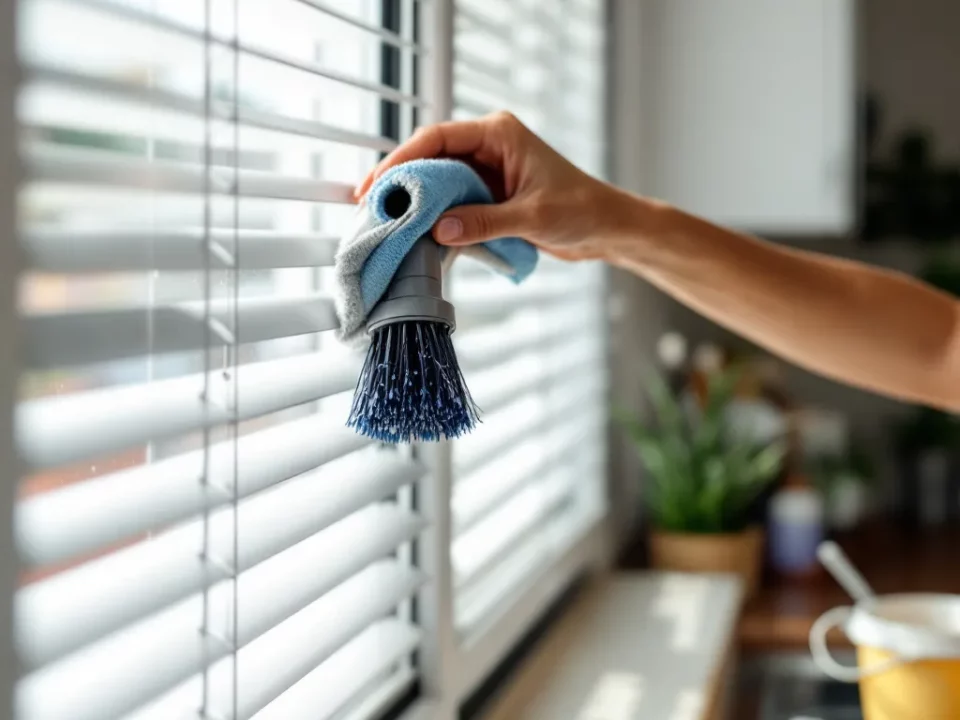
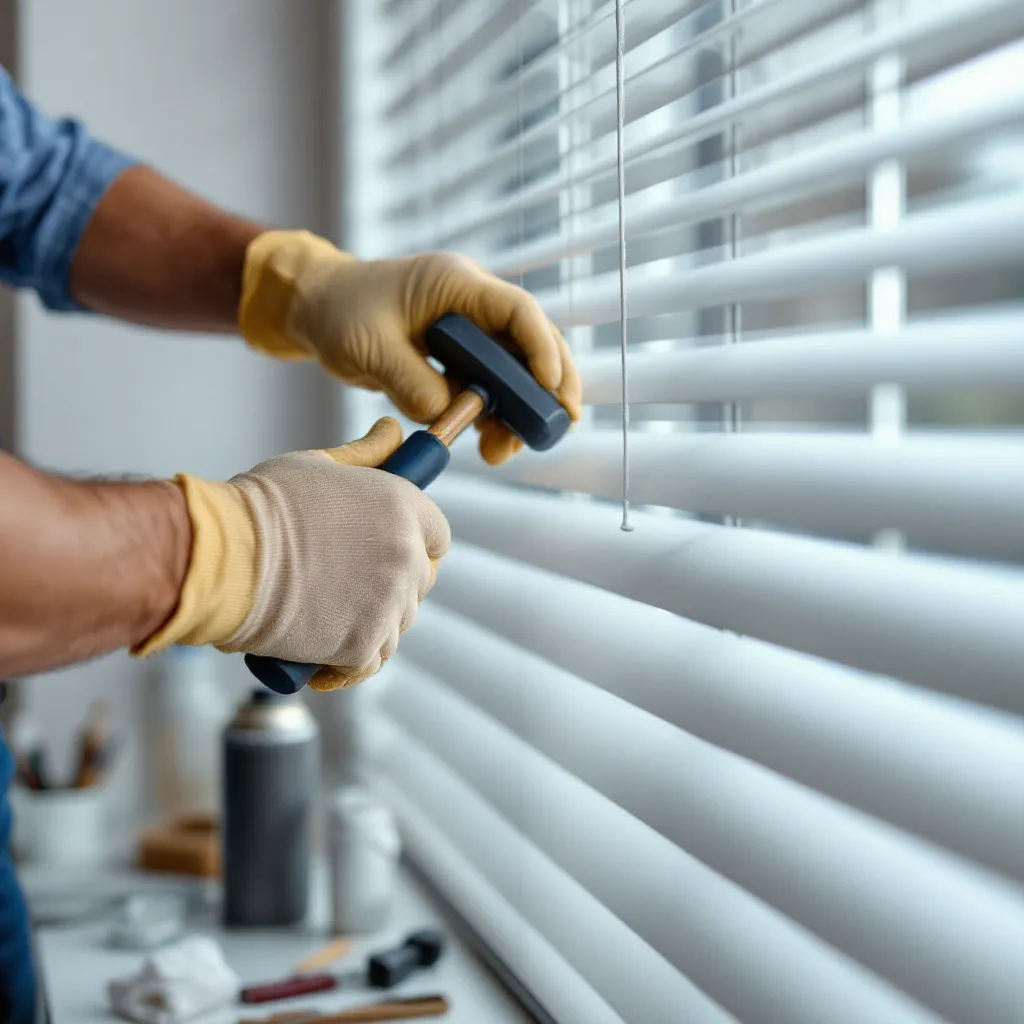
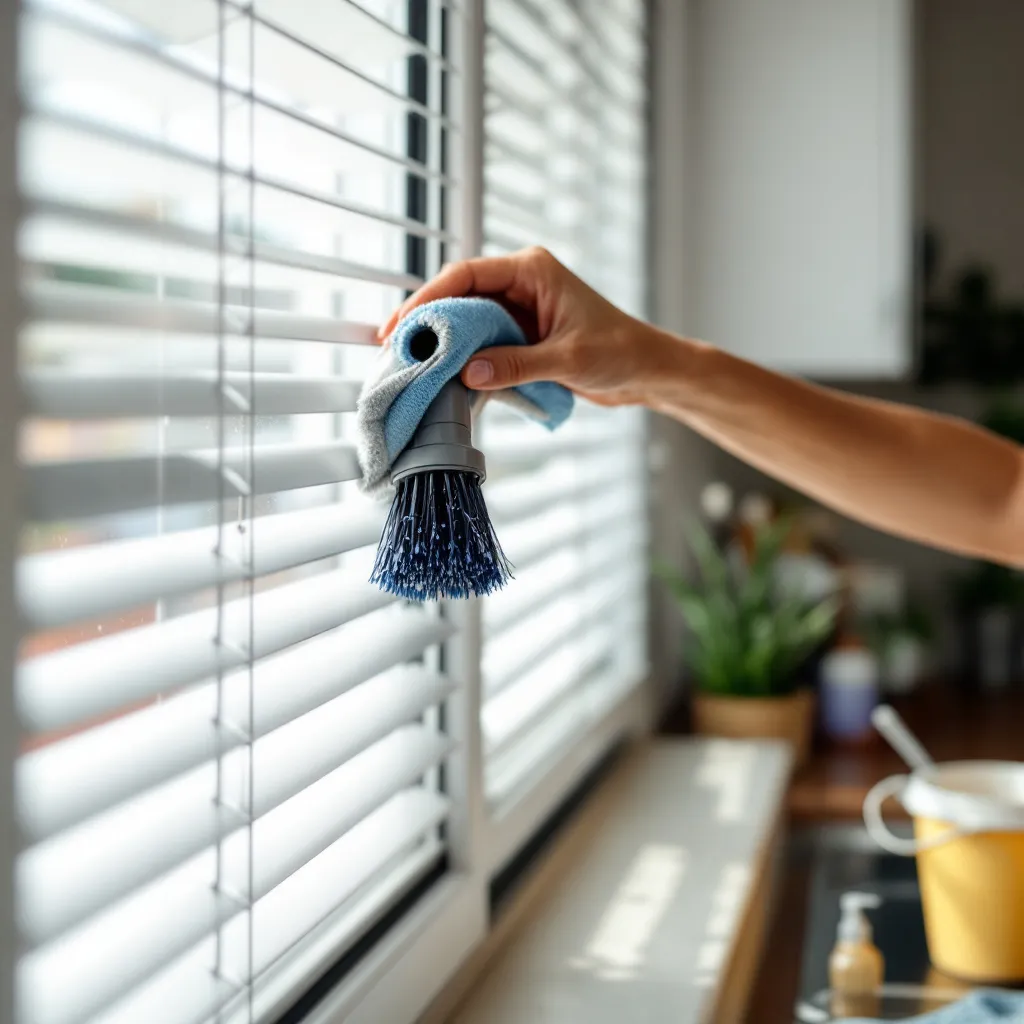
Simple maintenance extends the life of Aluminum Blinds significantly. Regular gentle cleaning, avoiding harsh solvents, and repairing bent slats rather than replacing the entire shade will stretch years into decades. I’ve restored many sets of blinds for long-time Simi Valley homes; a small investment in repair today often prevents landfill-bound replacements tomorrow. Choosing neutral finishes and classic styles also reduces the temptation to replace for fashion alone, which is an understated sustainability choice.
For those exploring alternatives or wanting more eco-focused options, hybrid systems and blinds made with recycled content are increasingly available. When you consider a new installation, ask suppliers about recycled aluminum content or certifications that speak to responsible sourcing.
Midway through a project, my clients often ask about product availability and selection; I point them toward trusted inventory where they can see finish and function in person. For folks interested in seeing reliable examples, I recommend checking our range of Aluminum Blinds to compare styles and understand material choices before making a decision.
Practical Steps for Simi Valley Homeowners
Start with an assessment of your existing windows and the role they play in your home’s energy profile. Consider professional measuring and installation, which reduces gaps and drafts. When upgrades are necessary, prioritize durable products and plan for responsible disposal. In Simi Valley, the combination of local recycling options and community reuse programs makes it easier than ever to keep metal out of the landfill.
FAQs
Q: Are Aluminum Blinds recyclable in Simi Valley? A: Yes. Aluminum is widely recyclable, and many local facilities accept metal components. Salvaging parts for reuse before recycling is the most sustainable path.
Q: Do Aluminum Blinds save energy? A: When properly installed and used, they reduce solar heat gain and can lower cooling needs, which helps reduce overall energy consumption in our warm climate.
Q: How long do Aluminum Blinds last? A: With basic maintenance and occasional repairs, they can last many years — often much longer than fabric options that fade or deteriorate more quickly.
Q: Can damaged slats be repaired or replaced? A: Yes. Individual slats can often be swapped out, and many local technicians provide repair services to extend the life of your window coverings.
Guidance for Next Steps and Local Support
If you’re in Simi Valley and weighing options, I’m happy to provide a consultation and show samples that illustrate durability, light control, and finish choices. Our showroom and installation advice can help you choose Aluminum Blinds with confidence, balancing environmental considerations with the comfort and aesthetic goals for your home. Visit our product selection online to learn more and schedule a visit: Aluminum Blinds
The Window Blind Connection
535 Hawks Bill Place, Simi Valley, CA 93065
Phone: +1 818-416-5534