

Sustainable Wood Blinds Environmental Impact Simi Valley California
October 12, 2026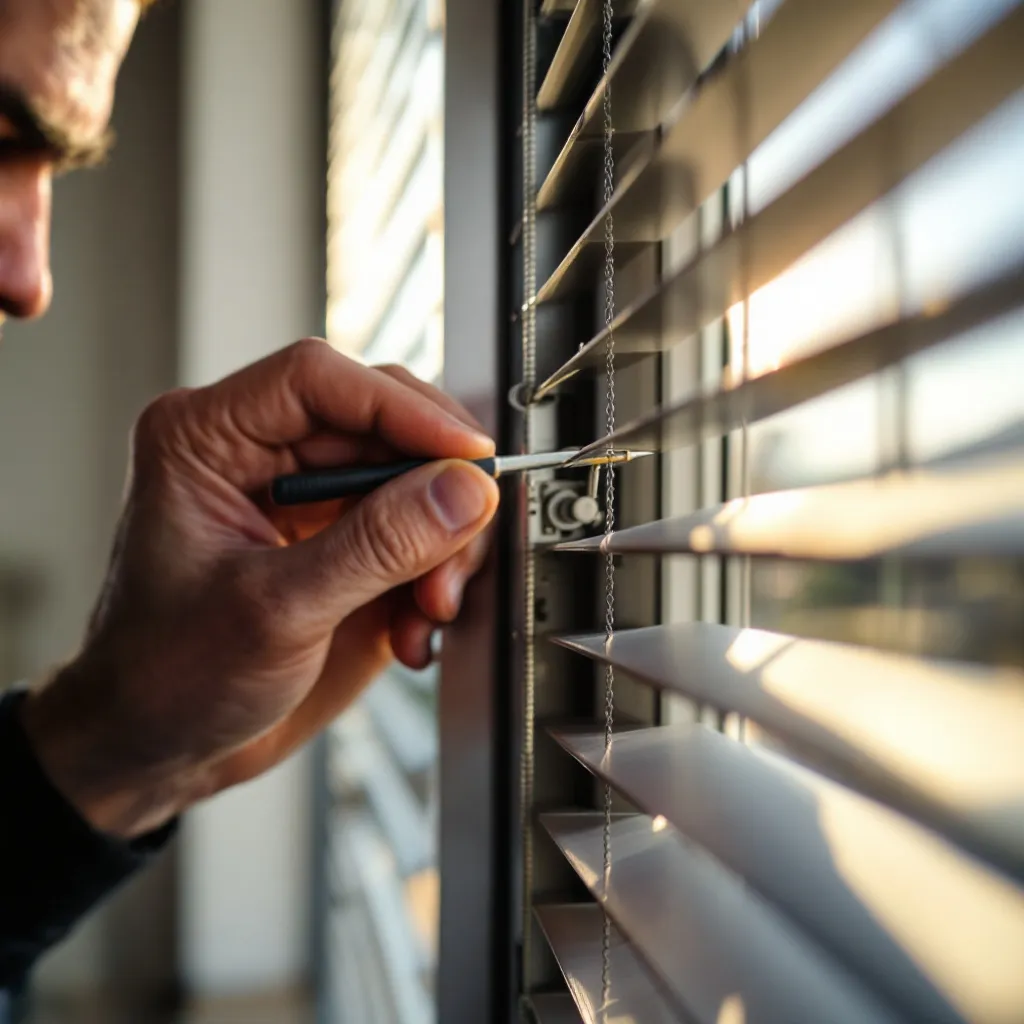
As a window treatment specialist who’s worked in Simi Valley for years, I see the same patterns when homeowners call about their Aluminum Blinds. Whether it’s warped slats after a summer of heat or a tilt mechanism that won’t respond, these problems usually have practical fixes. I want to walk you through how I diagnose the most common issues, what you can do at home safely, and when it’s time to call a pro. For straightforward replacements and upgrades, I often recommend looking at Aluminum Blinds designed for local conditions.
Why Simi Valley’s climate affects Aluminum Blinds
Simi Valley’s dry heat and strong sun can take a toll on window coverings. Aluminum reacts differently than fabric or wood: it won’t rot, but it can expand and contract with temperature swings, and the finish can fade or pit over time. Dust and coarse particles from seasonal winds build up in tracks and slats, causing friction that wears out cords and mechanisms faster than you might expect. I always advise clients to consider both material durability and ease of maintenance when selecting window treatments for our area.
Common Aluminum Blinds Problems and how I diagnose them
When a customer brings a blind to my workshop or asks me to inspect an in-home installation, I follow a simple diagnostic routine. First I check the operation: does the blind raise and lower evenly, and does it tilt properly? If slats hang crooked, I inspect the ladder cords and the end clips that hold each slat. If the blind won’t raise, I look at the headrail and the lift cord for frays or jams. A blind that tilts but won’t stay closed often has a broken tilt mechanism or stripped gears inside the headrail. These internal components are usually repairable, but it’s important to identify whether the issue is mechanical or due to accumulated debris.
Mechanical failures: what to look for
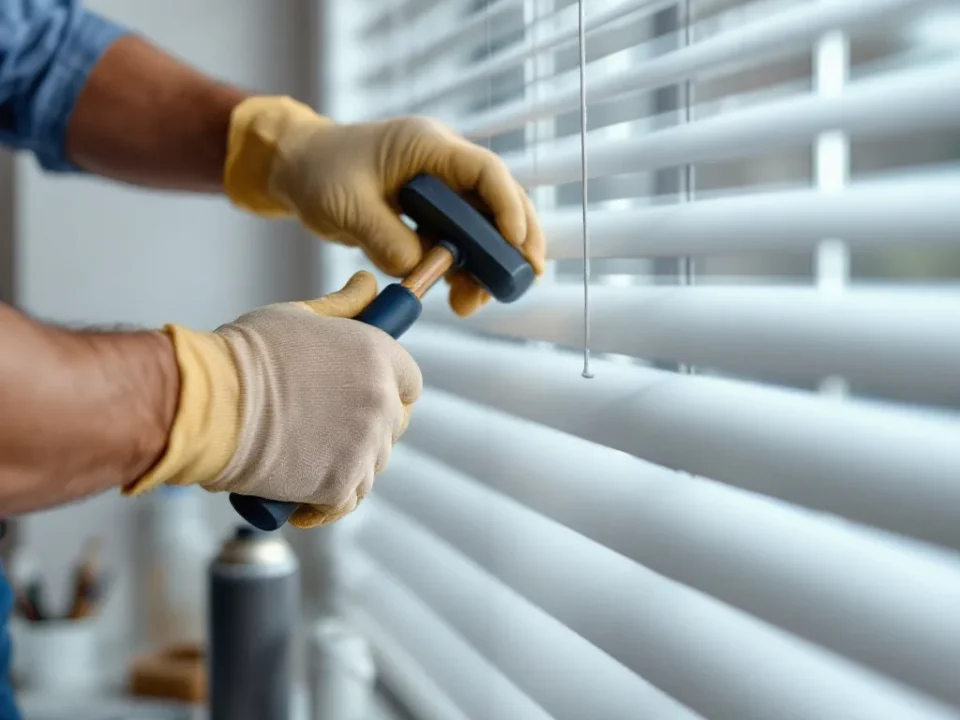
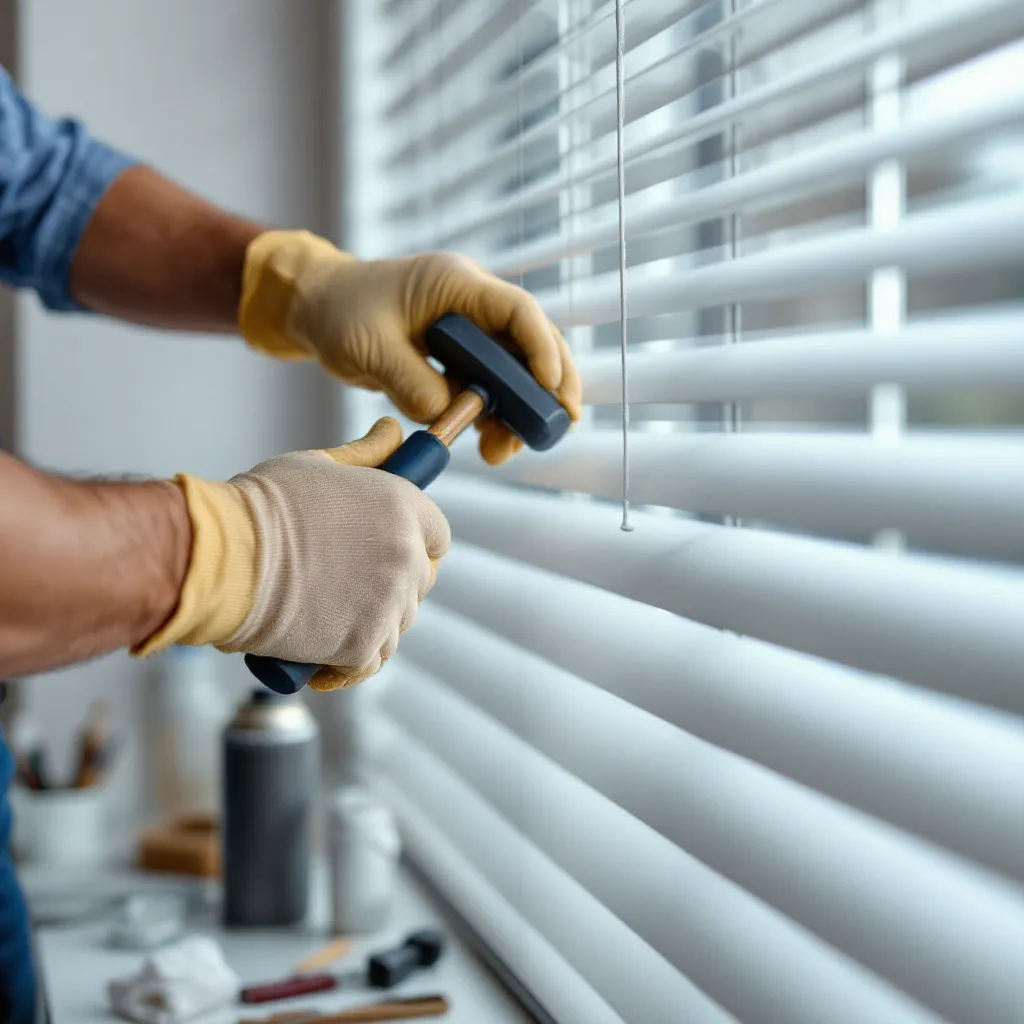
Many mechanical issues start small: a bent slat, a snapped cord, or a misaligned end bracket. Over time, those small problems cause uneven weight distribution and add stress to the remaining parts. I open the headrail to inspect gear teeth and the tilt mechanism when safe to do so. If gears are damaged or plastic parts have become brittle from sun exposure, replacement of the mechanism or the entire headrail may be the best long-term solution. For older installations, sourcing original parts can be challenging, so I sometimes recommend upgrading to contemporary Aluminum Blinds that use more durable components.
Track, cord, and slat issues explained
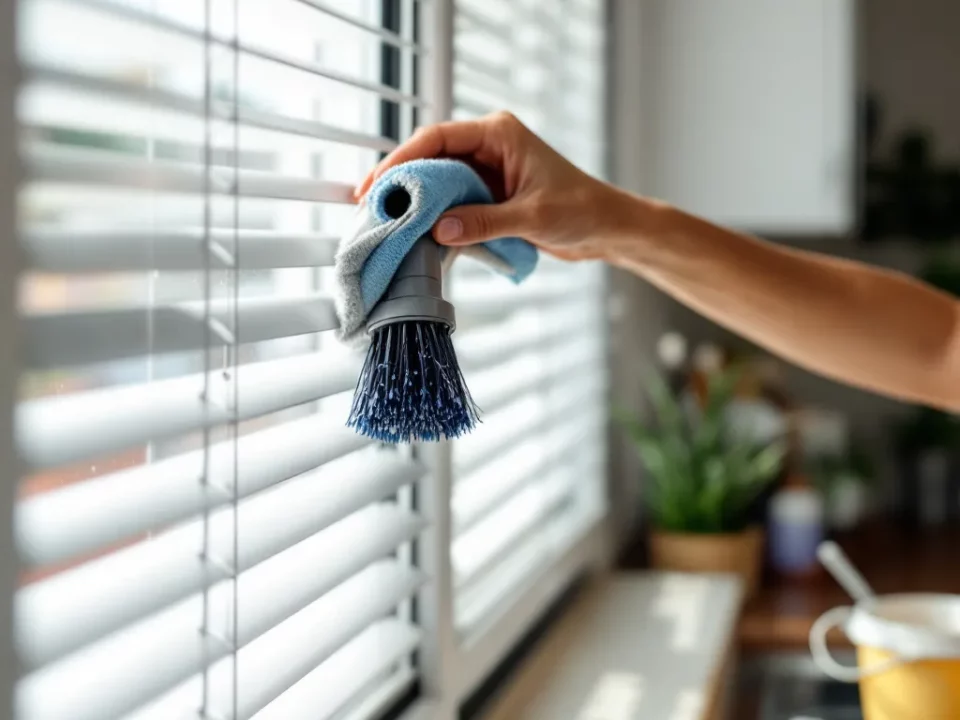
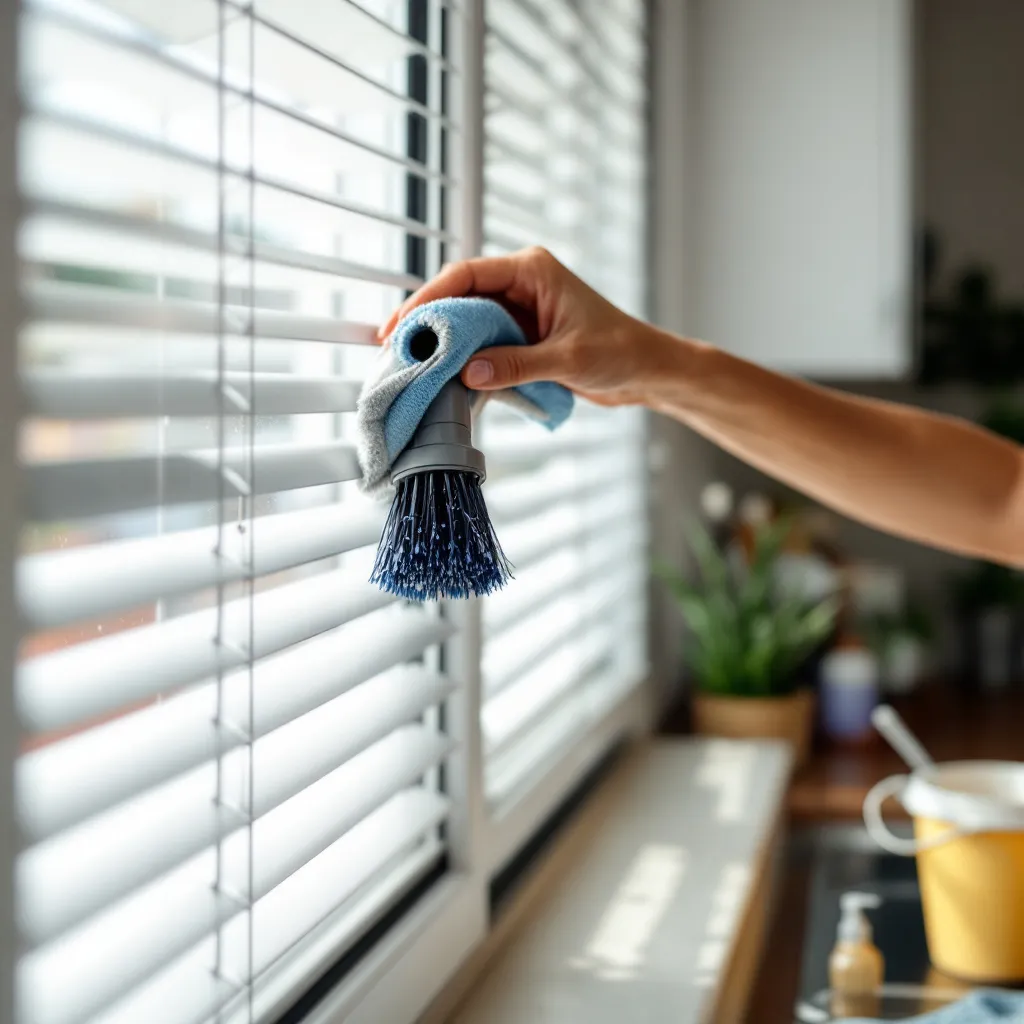
Tracks can collect dust and grit that impede smooth movement of the carriers; cords can fray where they rub against rough edges; slats can dent or bend if they receive direct impact. Cleaning tracks gently with a brush and lubricating with a dry silicone product can restore function in many cases. If lift cords are worn, re-lacing is a common repair, but proper knotting and tensioning are crucial to prevent future slipping. When slats are heavily dented or discolored, partial replacements are possible, but matching old finishes is often difficult—this is where an upgrade makes sense.
Maintenance tips that extend lifespan
Routine maintenance goes a long way. I recommend regular dusting and occasional deeper cleaning with a soft cloth and mild detergent for stubborn grime. Check mounting brackets for screws that have loosened over time and ensure blinds are properly aligned in their tracks to avoid uneven wear. For homes in Simi Valley exposed to direct sun, rotating blinds or installing a UV protective treatment on windows reduces fading and heat stress. When selecting replacements, choose finishes and mechanisms rated for frequent use.
FAQ: Diagnosing Aluminum Blinds — Q&A
Q: Why won’t my blinds tilt all the way closed?
A: If tilt action stops before slats close, the tilt rod or gearbox inside the headrail may be stripped or misaligned. I inspect the tilt mechanism and sometimes replace the plastic worm gear with a new one. Minor misalignments can be corrected without full replacement.
Q: My blind raises unevenly — can I fix that myself?
A: Uneven raising usually means the lift cords are off-center or caught. You can lower the blind completely and inspect the cords for tangles, then raise slowly while watching tension. If cords are frayed or the ladder has shifted, it’s safer to have a technician re-lace the blind to ensure even weight distribution.
Q: Are dents in aluminum slats repairable?
A: Small dents can sometimes be smoothed with careful pressure, but larger deformations typically require slat replacement. Matching color and finish for older blinds is often difficult, making full replacement a more uniform solution.
Next steps if you need help with your windows
If you’ve tried basic cleaning and inspection but still face issues, I encourage you to consider professional diagnosis. I can usually assess the problem during a home visit and advise whether repair or replacement is the most cost-effective path. For many homeowners who want durable, low-maintenance options suited to our local climate, I recommend modern Aluminum Blinds as a reliable choice. Contacting a specialist early can prevent small problems from becoming irreversible.
The Window Blind Connection
535 Hawks Bill Place, Simi Valley, CA 93065
Phone: +1 818-416-5534