

Maintenance Strategies For Aluminum Blinds In Simi Valley California
September 21, 2026
Vertical Blinds Care and Maintenance Guide for Simi Valley California Homes
September 28, 2026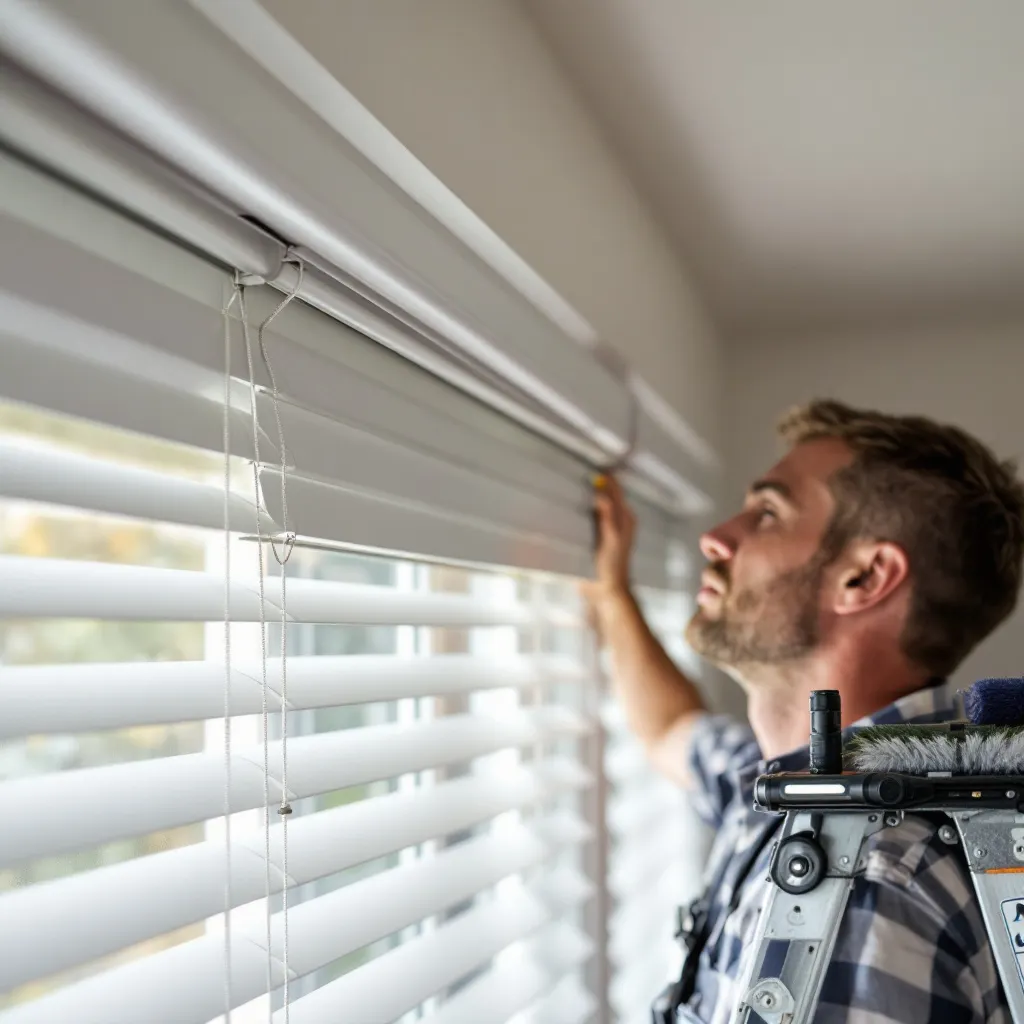
As someone who has worked on window treatments across Simi Valley for years, I know how frustrating it can be when Aluminum Blinds suddenly stick, sag, or won’t tilt properly. Whether your blinds have been exposed to coastal breezes, intense sun, or a little household wear and tear, diagnosing the root cause is the first step to a reliable fix. If you’re looking for a quick guide from a local expert, this article walks through the common causes, practical troubleshooting, and when it’s time to call in a pro. For many homeowners the solution starts with choosing the right replacement or repair parts and, if needed, upgrading to fresh Aluminum Blinds that stand up better to our Southern California climate.
Why Aluminum Blinds behave differently in Simi Valley
Aluminum blinds are prized for their light weight and clean lines, but the local environment in Simi Valley can accelerate certain issues. Heat and direct sunlight can warp headrails or cause fading, while dust from nearby trails and yards builds up in the slats and mechanisms. Humidity swings are less dramatic here than coastal towns, but the daily temperature variation can affect plastic components and adhesives, leading to brittle cords or slipping slat clips over time. Understanding these local influences helps prioritize which parts to inspect first when diagnosing problems.
Common mechanical problems and how to spot them
The most frequent complaints I see are blinds that won’t raise or lower evenly, slats that are permanently tilted, and ladders or tapes that fray. Uneven lifting often comes from tangled lift cords or misaligned carriers in the headrail. If one side rises more slowly, gently lower the blind and watch the lift cords for knots or binding inside the headrail. Slats that stick open or closed commonly result from bent slats, damaged tilt mechanisms, or accumulated grime in the tilt wand or cord loop. Simple inspection with the blind lowered and the slats open will reveal a lot: check that the tilt rod engages, that the ladder strings are intact, and that the slats themselves are free of dents that prevent them from nesting properly.
DIY troubleshooting steps to try before calling a professional
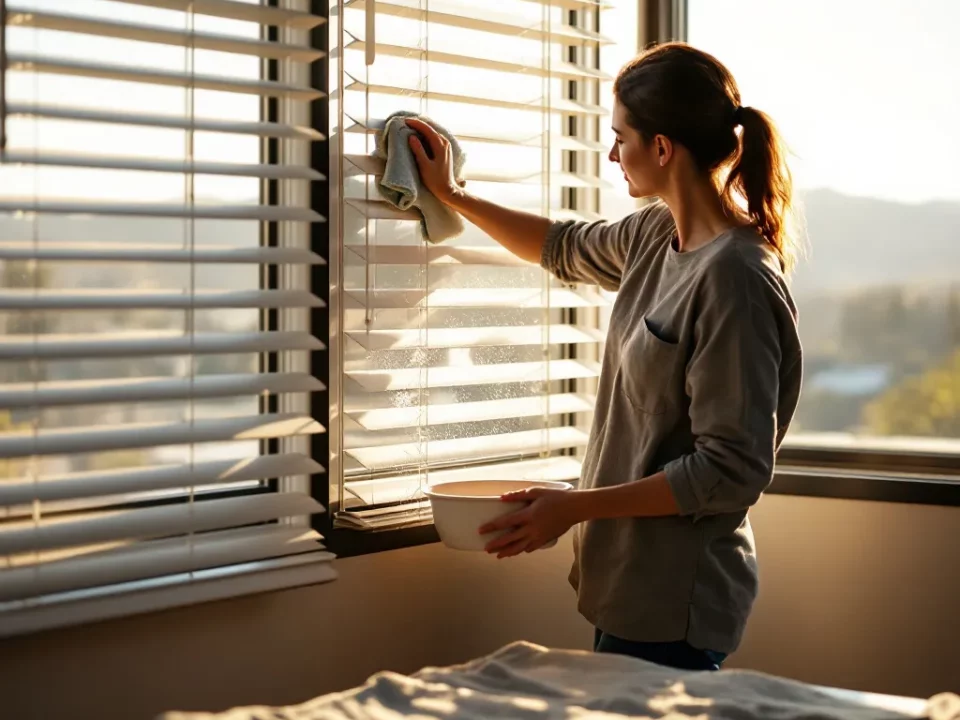
Start with a soft cleaning—dust and grit are often the silent culprits behind stiff operation. Use a microfiber cloth to wipe each slat and a vacuum with a brush attachment to clear the headrail area. If the blind is off-center when raised, lower it fully, spread the slats, and gently tug the lift cords to see if they seat evenly. For tilt problems, examine the tilt mechanism where the wand or cord meets the headrail; sometimes a small realignment of the tilt rod or replacement of a broken gear is all that’s needed. When dealing with frayed ladders or cords, tie a temporary knot to keep function while you arrange a repair—never operate a blind with a severely worn cord for safety reasons.
When replacement is the best solution, I often recommend sturdier options designed for local conditions. If your intent is to replace a whole set, I encourage choosing products built to resist fading and warping. For many clients, the easiest path to longevity is selecting properly sized and constructed Aluminum Blinds that match the sun exposure and upkeep expectations of Simi Valley homes.
When to repair versus replace
Minor issues like a stuck slat, a slipped ladder, or a single broken slat are usually worth repairing. These fixes are quicker and keep the original hardware intact. However, if multiple cords are fraying, the headrail is dented or bent, or the tilt mechanism has failed catastrophically, replacement often provides a more reliable, long-term outcome. I tell homeowners to weigh the age of the blinds and the cumulative cost of repeated repairs—when the blinds are more than a decade old and showing widespread wear, replacement can be the safer investment.
Maintenance tips to extend service life
Routine care keeps blinds functioning smoothly. A monthly dusting, occasional headrail vacuuming, and gentle lubrication of moving parts with a silicone-based spray will prevent many common failures. Rotate the slats periodically and avoid forcing the tilt mechanism if it feels stiff; instead, inspect for obstructions or warping. For families with pets or children, consider hardware upgrades like cordless lift systems for improved safety and reduced wear on cords and ladders.
FAQ
Q: Why do my blinds tilt unevenly?
A: Uneven tilt is usually caused by a misaligned tilt rod, a broken gear in the tilt mechanism, or bent slats that prevent proper nesting. Inspect the headrail and tilt assembly and replace damaged components if needed.
Q: Can I repair a broken slat myself?
A: Yes, a single damaged slat can often be replaced by purchasing a matching slat and sliding out the damaged one. Ensure the replacement matches the size and finish to maintain uniform appearance.
Q: What should I do if the lift cord keeps tangling?
A: Tangling often stems from improper re-reeving in the headrail or knots forming near the bottom rail. Lower the blind fully, untangle any knots, and operate slowly to reseat the cords. If tangling persists, a pro can re-thread the cords correctly.
Q: Are aluminum blinds a good choice for Simi Valley homes?
A: Yes. When chosen for the right exposure and maintained properly, Aluminum Blinds offer a durable, low-maintenance option that handles sun and dust well in our local climate.
If you’re uncertain about diagnosis or want a professional inspection, I’m here to help. Our local team knows the quirks of Simi Valley homes and can recommend the best path forward, whether it’s a targeted repair or a full replacement. For durable options and replacements built for local conditions, consider our product lines of Aluminum Blinds, and reach out to schedule an on-site evaluation today.
The Window Blind Connection
535 Hawks Bill Place, Simi Valley, CA 93065
Phone: +1 818-416-5534