
How to Care for Custom Shutters in Simi Valley Homes
July 8, 2026
Seasonal Maintenance Tips for Custom Shutters in Simi Valley
July 8, 2026
As a Simi Valley window treatment specialist, I often get calls from homeowners puzzled by the quirks of their Custom shutters. Whether a shutter sticks when you try to open it, a louver refuses to stay aligned, or the finish has taken on a chalky appearance, these issues can feel daunting. In this article I’ll walk you through the most common problems I see in our area, explain what causes them, and offer practical steps you can try before calling in a professional.
Common problems with Custom shutters in Simi Valley
The Mediterranean climate here — with strong sun, occasional marine layer humidity, and seasonal dust — contributes to a predictable set of problems. Wood shutters can warp or swell with humidity changes, paint and finishes can fade or chalk under prolonged UV exposure, and moving parts like tilt rods and hinges can loosen or bind. Even faux-wood options, while more stable, can suffer from misalignment after heavy use or improper installation. Understanding these patterns makes it easier to diagnose what’s happening and act quickly.
Diagnosing warping, sticking, and misalignment
When a shutter sticks or a louver won’t sit flush, start by isolating the issue: is it isolated to one panel, or affecting a whole window? Warping often shows as a gap that opens or closes with temperature changes; a stick may be caused by swollen wood where two panels rub, or by paint buildup around hinges. Misalignment commonly stems from loose screws in the frame or from the shutter settling in its jamb. Gently operating the shutter while watching the track will usually reveal where the binding or gap occurs.
Fixes you can try safely at home
Simple adjustments can solve many problems. Tighten loose screws on hinges and tilt rods, but avoid overtightening which can restrict movement. For sticking due to paint buildup, a careful scrape with a fine tool and light sanding followed by touch-up finish can restore smooth operation. If wood swelling is the issue, reducing room humidity with ventilation or a dehumidifier helps, and sometimes removing the shutter for a few days in a drier room will allow it to return to shape. For cosmetic fading, a light cleaning and a matched touch-up paint or stain can refresh the look without full replacement.
When you’re considering replacement or an upgrade, exploring local options and materials helps. Our clients often ask about durability versus appearance, and whether faux-wood or engineered materials are better for their sun-exposed rooms. In many cases, choosing the right substrate and finish prevents repeat problems. For example, UV-stable paints and engineered cores resist warping and discoloration far better than untreated solid wood in direct sun. If you’re curious about product choices, I recommend looking at samples and manufacturer warranties before committing to a full replacement, and you can learn more about available models at Custom shutters.
When mechanical repairs are the answer
Some issues call for a professional touch. If tilt rods are broken, hidden connectors are failing, or the frame itself is out of square, a trained technician can realign, replace components, or retrofit concealed reinforcements without removing the entire installation. We also see cases where prior DIY attempts have stripped hinge holes or used the wrong fasteners; correcting those mistakes typically requires specialized anchors or repairs that prevent recurrence. A pro will also check that the installation meets the manufacturer’s tolerances to avoid warranty problems down the line.
Preventive care to extend shutter life
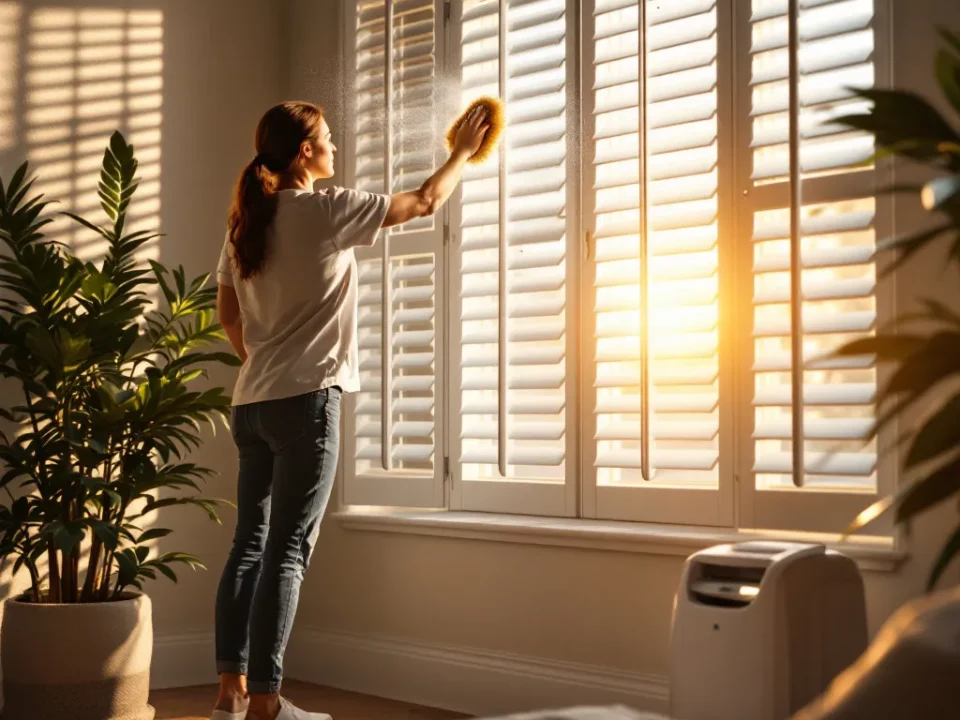
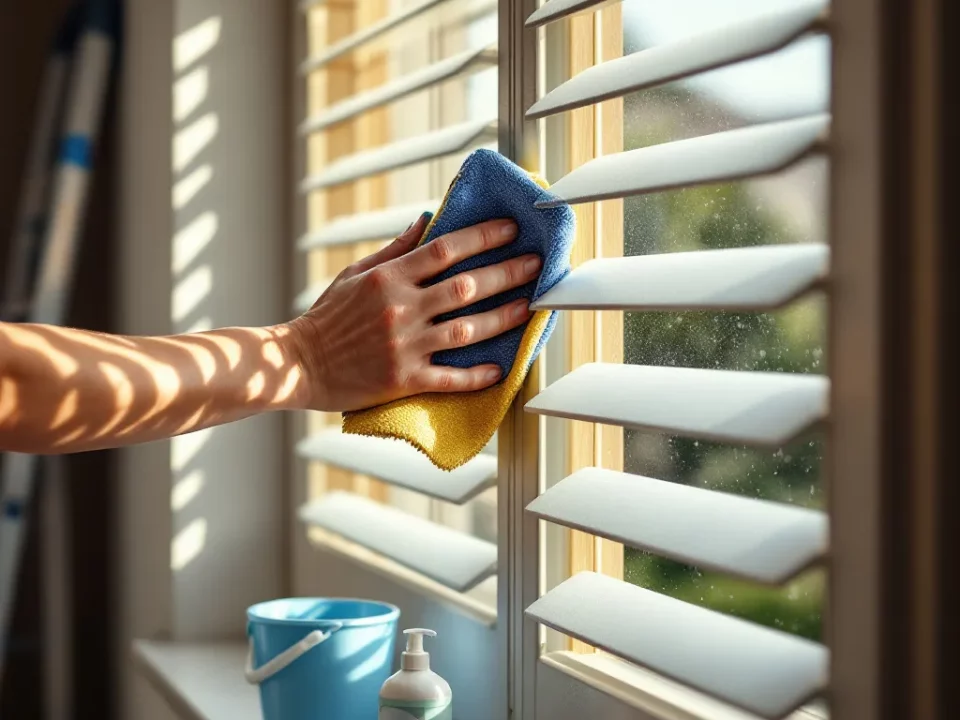
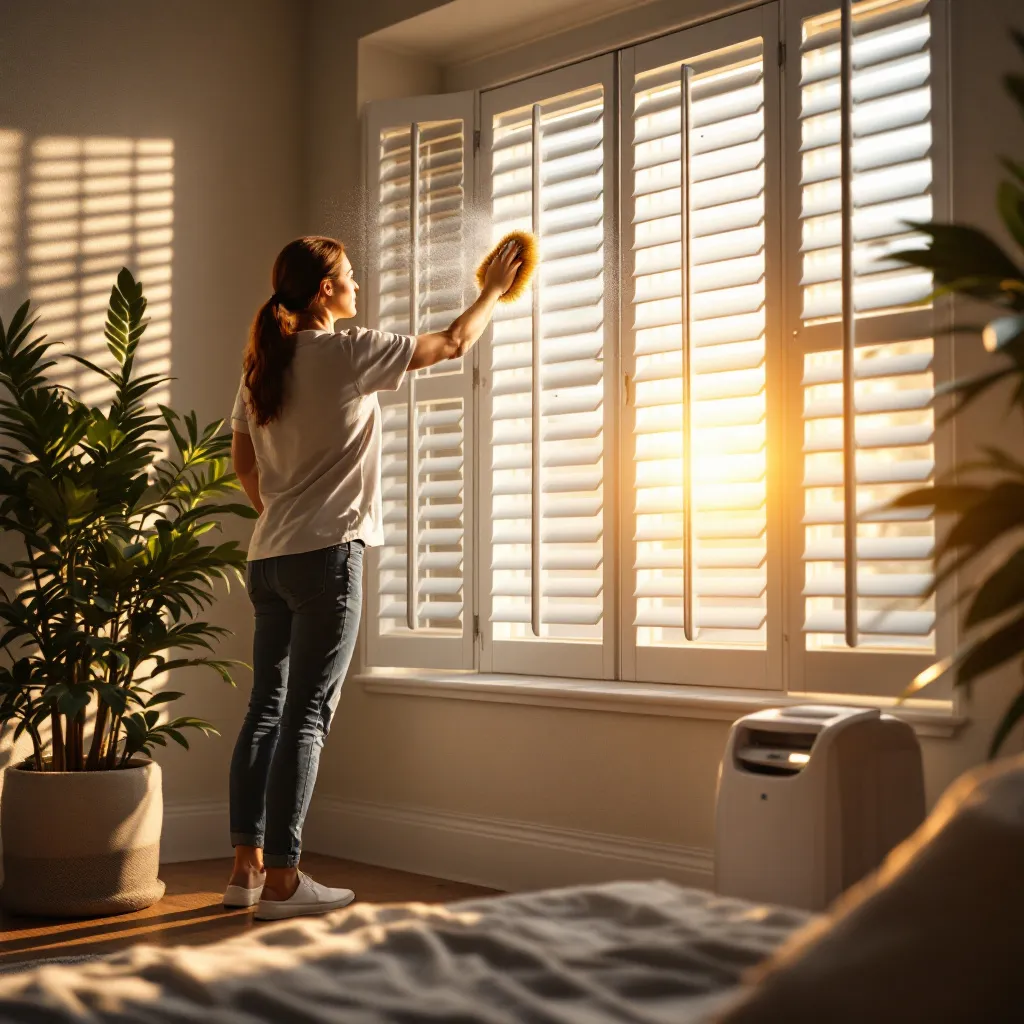
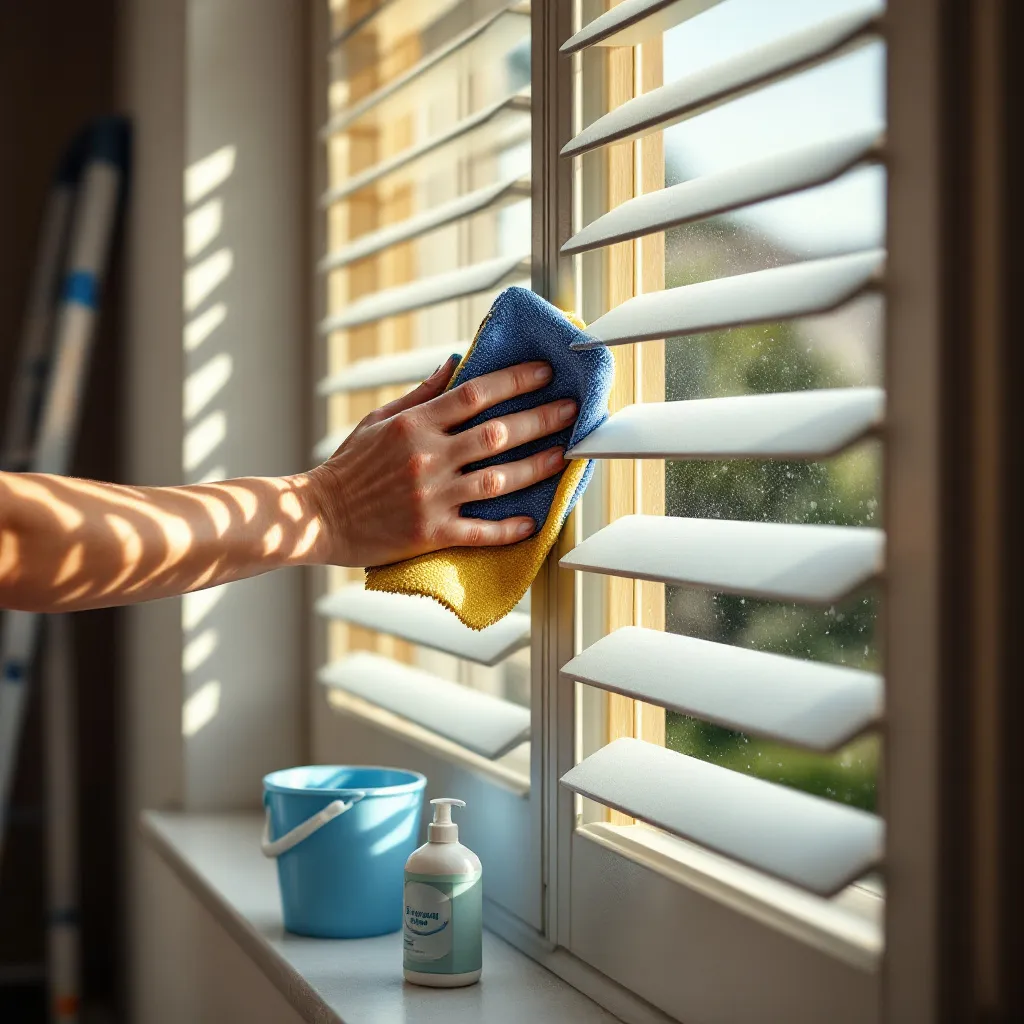
Prevention is the most cost-effective strategy. Regular cleaning with a soft cloth, keeping shutters dry in humid areas, and checking fasteners seasonally will catch small issues before they become large ones. For sun-exposed windows, consider UV-protective films or interior treatments that reduce direct sunlight during peak hours. Small, consistent care stretches the life of your panels, keeps louvers aligned, and maintains smooth operation year after year.
Frequently Asked Questions
Q: How can I tell if my shutter needs repair or replacement? A: If the problem is limited to a louver or hinge and the frame is sound, repair is usually sufficient. Replacement becomes necessary when multiple panels show structural damage, extensive warp, or when the aesthetic finish is beyond touch-up.
Q: Are faux-wood shutters better for Simi Valley homes? A: Faux-wood is highly resistant to moisture and UV and can be an excellent choice for south- or west-facing windows. Real wood offers unmatched beauty but requires more attentive maintenance and proper finishes to withstand our sun.
Q: Can I lubricate shutters to stop sticking? A: Avoid oils or heavy lubricants that attract dust and grime. A dry silicone spray applied sparingly to metal pivot points can help; for wood-on-wood sticking, focus on adjusting fasteners and reducing humidity rather than lubrication.
Q: How often should I have a pro inspect my shutters? A: An annual check is a good rule of thumb, especially if you live in older homes or have high-use rooms. Inspections can reveal loose hardware, fading finishes, and potential warranty issues early.
If you’ve tried the basics and still have trouble, or if you prefer to leave adjustments to a specialist, we’re here to help. As a local team familiar with Simi Valley homes, we provide careful diagnostics, precise repairs, and advice tailored to your style and sunlight exposure. For personalized guidance or to schedule an inspection, reach out and ask about our shutter services — we work with a range of materials and installation methods to match your needs. Custom shutters remain one of the best long-term investments for curb appeal and light control, and we’ll help you keep them functioning and looking great.
The Window Blind Connection
535 Hawks Bill Place, Simi Valley, CA 93065
Phone: +1 818-416-5534