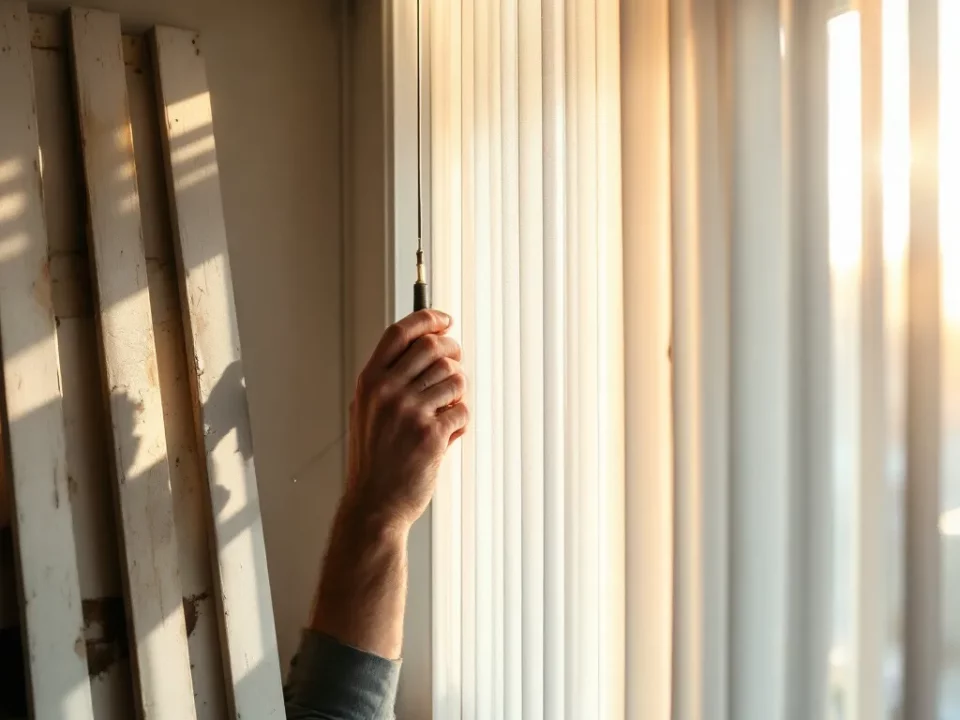


Maintaining Vertical Blinds in Simi Valley California Homes
July 27, 2026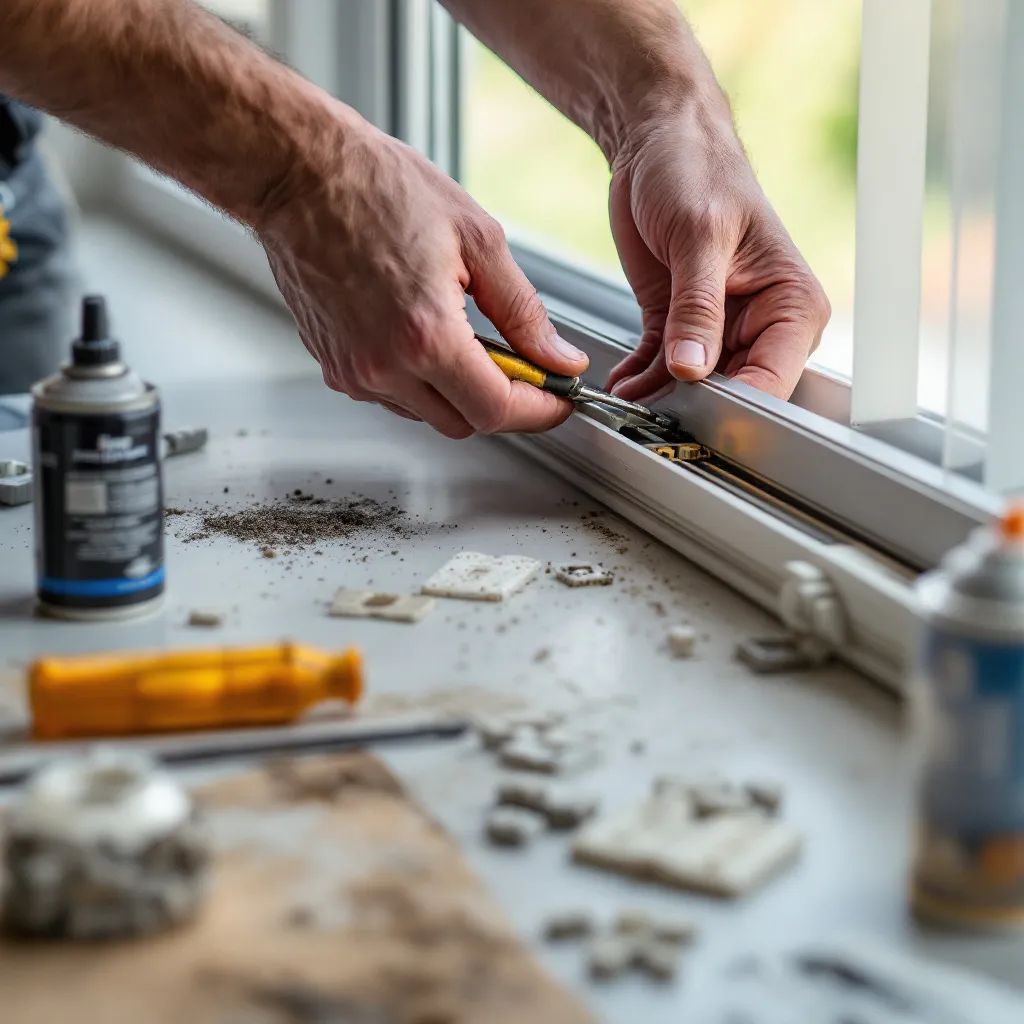
As a Simi Valley window treatment specialist who’s repaired hundreds of coverings, I see the same issues with Vertical Blinds again and again. Whether you live near the hills or on one of our tree-lined streets, sunlight, dust, and daily use take their toll. In this article I’ll walk you through the most common problems I encounter, simple diagnostics you can try at home, and clear guidance on when it’s best to call in an experienced pro here in Simi Valley, CA.
Common Vertical Blinds Problems
One of the most frequent complaints is panels that won’t rotate properly. That can be caused by a worn wand mechanism or a damaged carrier inside the headrail. Staining and sun-fading are also typical in our sunny climate; fabric and PVC slats that face west can develop yellowing or become brittle. Another recurring issue is uneven stacking, where the slats gather awkwardly to one side when opened. This usually indicates bent carriers, a misaligned track, or a broken end stop that allows slats to slip out of sequence.
Diagnosing Track and Carrier Issues
To diagnose whether the problem is mechanical, gently slide the slats along the track while the blind is closed. If you hear grinding or find resistance, stop and inspect the carriers that hold each slat. These small plastic pieces can crack or lose their teeth over time. Also check the headrail for debris; a buildup of dust and grime will block smooth movement and accelerate wear. In many homes in Simi Valley, coastal breezes carry fine particulate that settles into tracks, so a careful cleaning often reveals the root cause.
Fixes You Can Try at Home
Some repairs are straightforward and can restore function quickly. Start by detaching a slat from its carrier to inspect the clip: if the clip is damaged, replacing a handful of carriers is an affordable fix and often restores smooth operation. Cleaning the headrail with a soft brush and a mild, non-oily cleaner can eliminate grit that traps carriers. Lubrication with a dry silicone spray, applied sparingly, helps the carriers glide without attracting dust. If vanes are stained but structurally sound, a careful wipe with a gentle cleaner can lift spots; however, sun-faded fabric or PVC may only be corrected by replacement. For replacement parts and options, homeowners often find it helpful to review the range available for Vertical Blinds to ensure compatibility and color match with your window openings.
When Slats Are Broken or Bent
Broken or bent slats are more visible and can make a room look unkempt. If a slat is cracked or has a deep crease, it’s best to replace that slat rather than attempt a patch. For homes with coordinated treatments—like paired shades or matching hardware—replacing multiple slats at once can keep the look uniform. For heavy-duty commercial-style slats, swapping keepsakes can be a little trickier, and you may need to source exact-size replacements or consider a partial refit of the track.
Controls, Wands, and Cords: Simple Solutions
Wand controls can snap or develop stripped threads at the spool where they engage the gear. Often a replacement wand or a new connector piece will restore rotation. Cords and chains can tangle or separate from the carrier; if you notice a chain that slips when you try to draw the blind, inspecting the tension mechanism and the end stops will usually reveal the issue. Because of safety standards and our community’s emphasis on child-safe homes, I recommend replacing any frayed cords rather than repairing them with knots or tape.
When to Call a Professional in Simi Valley
If the headrail is bent, the carriers are extensively damaged, or the blind is a large patio unit that affects sliding doors, professional service is the safest route. We’ve seen installations where incorrect brackets or sagging tracks caused repeated failures; a trained technician can realign the track, replace multiple carriers correctly, and ensure the entire system meets local safety and operational standards. When your blind is custom-measured or part of a coordinated window treatment package, professional repair preserves the finish and fit better than piecemeal DIY fixes.
Frequently Asked Questions
Q: How long do vertical blinds typically last in Simi Valley’s climate?
A: Lifespan varies by material and exposure. PVC and vinyl slats exposed to direct sun may show wear sooner than high-quality fabric vanes. With regular cleaning and minor repairs, many systems last a decade or more.
Q: Can I replace a single vane myself?
A: Yes, if you can access the carrier and find a matching vane. Remove the end cap, slide out the faulty carrier, and clip in a new one. If the style is discontinued, a professional can help source a close match or advise on replacement options.
Q: What causes uneven stacking when I open my blinds?
A: Uneven stacking usually means some carriers are damaged or out of alignment. It can also be caused by a broken end stop or an obstruction in the track. A methodical inspection will identify which carriers need replacement.
Q: Are there low-maintenance alternatives to vertical blinds?
A: Yes. Panel tracks, cellular shades, and roller systems can offer reduced moving parts and a cleaner aesthetic. If low maintenance is a priority, ask a local installer about materials rated for high-sun exposure.
As a local Simi Valley expert, I’ll say this plainly: many vertical blind issues are preventable with routine care, but when parts fail, timely repair prevents more costly replacement. If you want a hands-on assessment or help sourcing parts, we’re happy to assist—call or visit our shop to discuss tailored solutions for your windows. For professional repairs or replacements of Vertical Blinds in Simi Valley, CA, reach out today and we’ll set up a convenient appointment that fits your schedule.
The Window Blind Connection
535 Hawks Bill Place, Simi Valley, CA 93065
Phone: +1 818-416-5534