
Custom Plantation Shutters Tailored to Simi Valley California
May 15, 2026
Vertical Blinds Maintenance Advice for Simi Valley California
May 18, 2026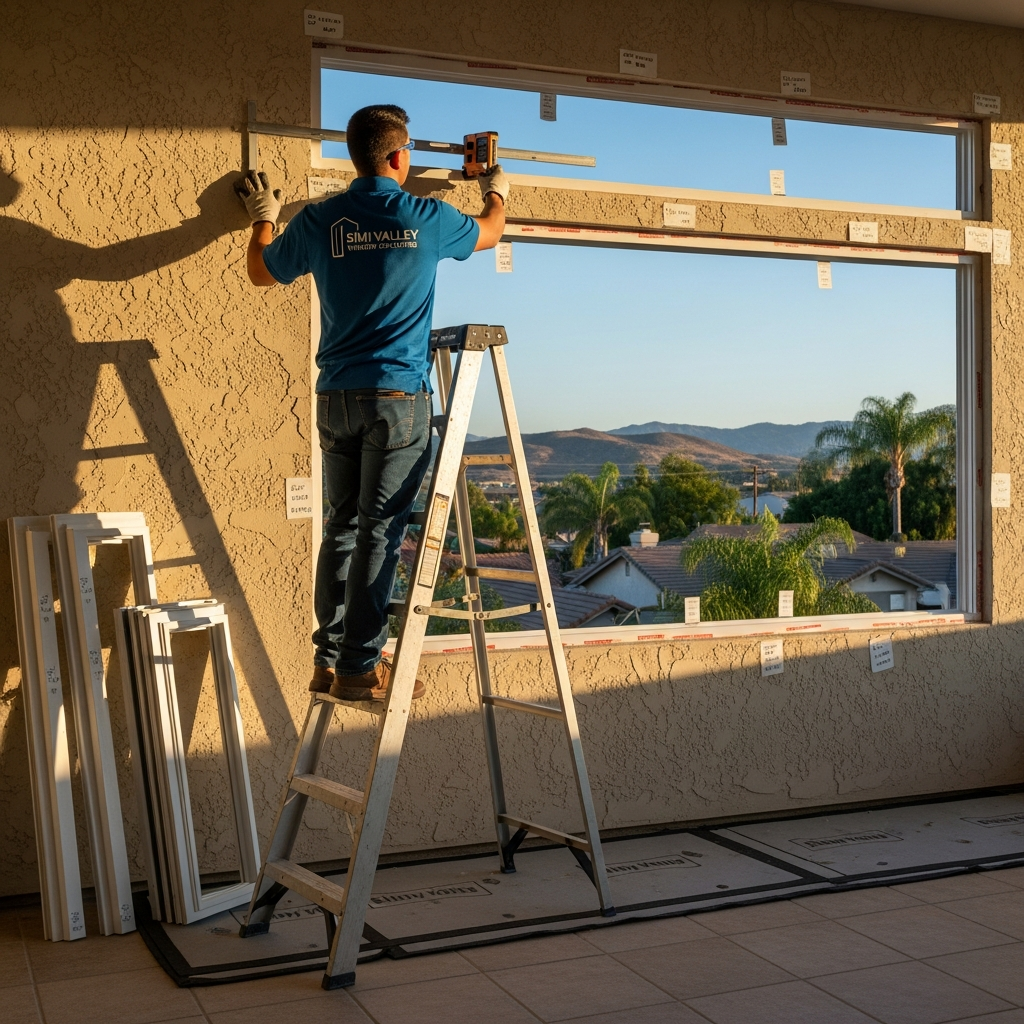
Talking about installation cost for custom shutters in Simi Valley is really a conversation about what your home asks for and how carefully those needs are met. No two windows are quite alike, and the steps required to measure, build, and install to a high standard vary just as much as the homes across our valley. Rather than quoting numbers, the most helpful approach is to explain the factors that shape cost, how they show up in local architecture, and what you can do to plan a project that delivers lasting value. Along the way, you will see why many homeowners start their planning with a closer look at custom shutters and the specific options that serve their rooms best.
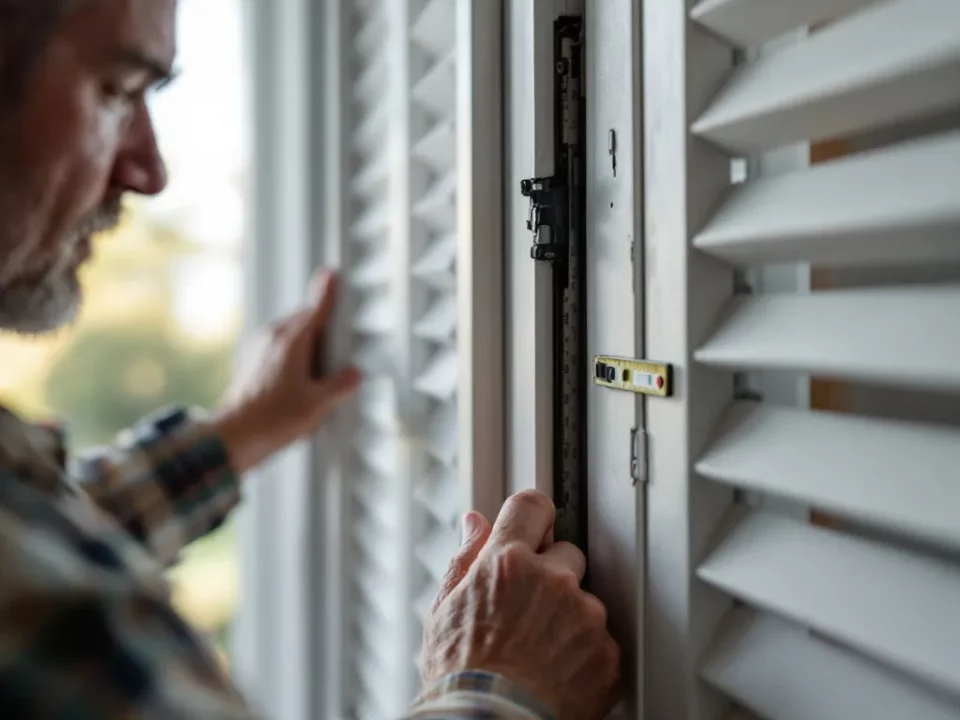
As someone who has measured windows from central Simi ranch homes to hillside retreats near the Santa Susana foothills, I can tell you that installation cost is the sum of fit, finish, and complexity. The more precisely we need to tailor the frame to an irregular opening, the more elements we integrate—like split tilt, divider rails, or track systems for sliders—the more attention and time the job requires. That meticulous work pays you back every time the louvers close evenly, panels swing without rubbing, and light lines up exactly how you want it.
Window Size, Shape, and Accessibility
Size is a straightforward cost driver. Large picture windows, tall stairwell openings, or expansive sliders demand more material and a different installation strategy than modest casements. Specialty shapes—arches, eyebrows, trapezoids—add templating and fabrication steps that require skill and careful handling. Accessibility matters too. A second-story arched window above a landing may call for tall ladders or staging and a few extra hands to keep everything safe and precise.
In many Simi Valley homes, older remodels left slight irregularities in drywall returns or casings. That is normal, but it means more time spent shimming, squaring frames, and confirming reveals so panels close with tidy lines. If a window sits behind a deep sill or a built-in bench, planning and positioning also become part of the day’s choreography.
Material, Finish, and Hardware Choices
Material selection shapes both fabrication and installation effort. Real wood brings warmth and depth; composites offer stability in bright or humid spaces. Each has unique considerations during installation, from how fasteners bite to how finishes should be protected during handling. Finishes—painted or stained—also matter. Crisp whites must be kept pristine through every step, while richly stained woods call for extra care to avoid marring a surface that showcases grain and tone.
Hardware choices influence labor as well. Hidden tilt systems require precise alignment; traditional tilt rods need straight sightlines and even tension across louvers. Hinges, magnets or catches, and optional panel locks must all be tuned so operation feels intuitive and balanced. The more features we integrate, the more time we invest to make sure everything works together seamlessly.
Frames, Mounting Method, and Wall Conditions
Inside mount versus outside mount is a pivotal decision. Inside mounts give that built-in, architectural look but depend on adequate depth and reasonably square openings. Outside mounts can cover minor irregularities and provide clearance for handles, locks, or tilt-in sashes. In either case, the wall conditions—plaster hardness, drywall integrity, stud placement—shape how we anchor frames. Stucco-heavy exteriors with thick returns require different fasteners and a bit more patience than clean, modern casings with predictable reveals.
During measurement, we note these variables and plan accordingly. On installation day, we may dry-fit frames, adjust shims to true everything up, and double-check that panels clear handles and cranks. That careful staging minimizes surprises and ensures the finished shutters look like they belong.
Doors, Sliders, and Specialty Systems
Shutters for sliding doors often ride on by-pass or bi-fold tracks, and those systems add parts, alignment, and tuning steps. Panel widths must be calculated so traffic flows naturally while maintaining the look you want. French doors commonly need handle cutouts, low-profile frames, and careful hinge placement to avoid conflict with door swings. Arched and angled windows demand templating—either by hand or with digital tools—and slow, steady installation so the fit is tight without stress on the frame.
Each of these scenarios increases complexity in a different way. The common thread is precision. We invest time where it matters so panels glide, close, and hold position reliably. The result is a daily experience that feels simple, even though many small decisions got you there.
Home Layout, Safety, and Logistics
Practical logistics influence installation time. Staircases, tight hallways, or rooms full of beloved furniture require protection and careful movement of tools and panels. Tall great rooms may call for ladders or portable scaffolding; second-story exteriors can involve working around landscaping or grade changes. In hillside homes, wind exposure might factor into scheduling, especially for large panels that behave like sails outdoors.
We account for pets, family routines, and parking access too. A smooth installation day is one where your home’s flow is respected and the crew can work efficiently without cutting corners on protection or cleanliness.
Design Features That Add Craft
Customization is the point of custom shutters, and certain features require extra attention. Split tilt allows independent control of upper and lower louvers but adds alignment tasks. Divider rails need to land at specific heights for visual balance. Cafe-style installations, double-hung configurations, and specialty frame profiles each involve additional measurements and steps. None of these are obstacles; they are simply the craft that turns a good install into a great one.
Color coordination is another subtle factor. Matching a nuanced trim color or a warm white with a distinct undertone takes careful sample review and finish selection. These choices influence how the shutters are handled, touched up, and finalized on site to ensure the tone reads true in Simi Valley’s bright daylight.
Existing Treatments and Site Preparation
If we are removing old blinds, shades, or drapery hardware, there is time involved in safe removal and patching minor holes at your request. Windows with security sensors or integrated screens require coordination to protect those components and preserve their function. We plan cable routing and sensor placement with you ahead of time so the finished result is tidy and everything works as intended.
Clean, prepared spaces make for efficient installs. Moving small items away from windows and noting any special concerns—antique furniture, new flooring, fresh paint—helps us protect what matters and keep the day focused on meticulous fit and finish.
Seasonal and Environmental Considerations
Simi Valley’s climate can affect both scheduling and handling. On very hot days, we take care with freshly painted or finished panels to prevent surface scuffs. During dry Santa Ana conditions, we monitor louver tension closely; low humidity can change how slats feel, and a quick adjustment keeps operation smooth. If a project includes outdoor access work, we consider wind and sun exposure so panels are not stressed during handling.
None of this is a burden—it is the local knowledge that helps installations go right the first time. By anticipating these factors, we preserve the look you chose and the performance you expect.
Project Scope and Coordination
Whole-home projects involve sequencing rooms to fit your schedule, labeling panels for easy identification, and coordinating any specialty glass or trim work with other trades. A single-room install is simpler, but even then, we confirm that adjacent treatments and sightlines harmonize. Communication keeps everyone aligned so the finished shutters look consistent and feel effortless to use.
Mid-project check-ins are encouraged. Seeing a sample panel in your window light can confirm louver size, tilt style, and finish. Adjustments made at this stage streamline installation day and make the final reveal all the more satisfying. If you are comparing styles, browsing a curated selection of custom shutters can help you refine direction before we template specialty shapes or order hardware.
Care After Installation
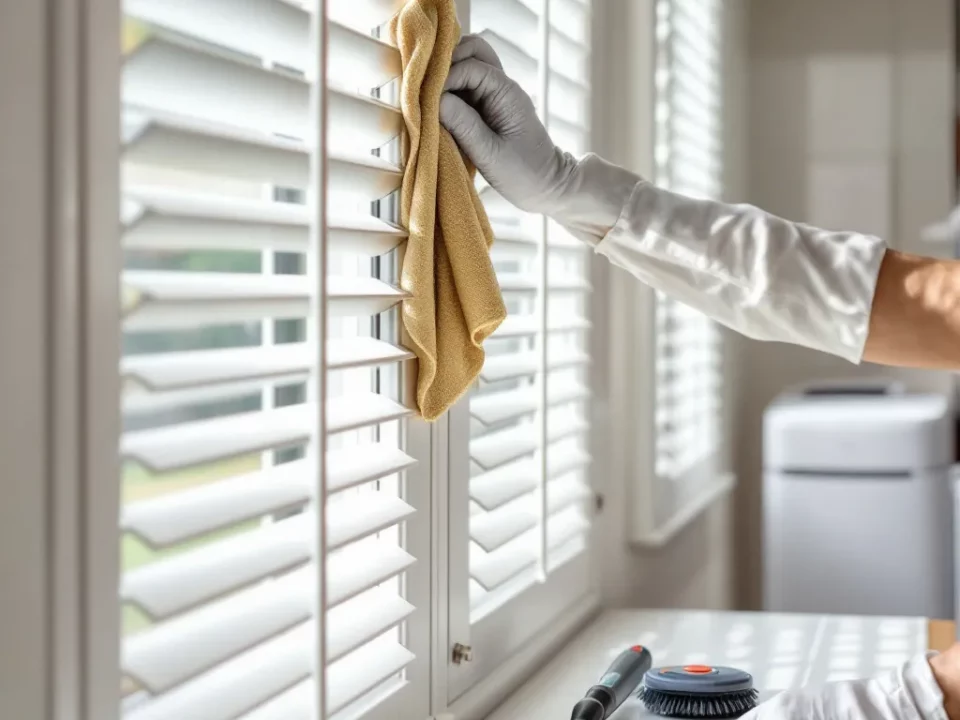
Once installed, shutters ask very little. Dusting with a microfiber cloth handles the day-to-day. For fingerprints or the occasional kitchen smudge, a lightly dampened cloth is enough. We show you how to check and adjust louver tension so slats hold their position with ease. If a season change leaves one panel a touch looser or stiffer, that small tweak restores the perfect feel you enjoyed on day one.
Long-term performance is a partnership between quality fabrication and the way the shutters are used. Gentle operation, reasonable cleaning, and a quick call for any adjustment you are unsure about keep everything looking and working like new.
Value Beyond the Installation Day
The true value of custom shutters shows up over time. Every evening you adjust louvers to soften the setting sun, every morning you enjoy privacy without feeling closed in, and every weekend you wipe them clean in seconds, you experience the return on a carefully planned project. Precise measurement and patient installation are not line items to race through—they are what make the shutters a joy rather than a frustration.
In Simi Valley, where bright days and varied architecture are the norm, the best installations read as quiet confidence. The shutters look like they were meant for the home because, quite literally, they were. When that alignment happens, the conversation about cost becomes a conversation about quality of life.
FAQ: Understanding Cost Without the Guesswork
Which windows tend to be the most complex to install shutters on?
Arched and angled windows, sliders that need track systems, and tall stairwell openings typically require more planning and careful handling. The complexity comes from templating curves, aligning moving parts, and ensuring safe access for elevated work. With the right preparation, each of these can be installed beautifully, but they do require additional time and attention.
How does material choice affect installation cost?
Different materials install differently. Composites are stable and forgiving in bright or humid rooms; wood requires extra surface care during handling, especially with stained finishes that showcase grain. Hardware choices—hidden tilt versus traditional rods, specialty hinges, or panel locks—also add tuning time. None of these are problems; they are simply variables we plan for so the finished product feels seamless.
Why does inside mount sometimes take longer than outside mount?
Inside mounts rely on the opening being fairly square and deep enough to accept the frame and louvers. Achieving that built-in look can involve precision shimming and careful leveling to keep reveals even. Outside mounts are more forgiving of minor irregularities and can speed installation while still delivering a clean, architectural finish when selected thoughtfully.
What role does home access play in installation time?
Access affects efficiency and safety. Tight staircases, high ceilings, and limited parking can add steps to move panels and equipment safely. We plan routes, protect surfaces, and stage components so the work proceeds smoothly. Clear access and a bit of site preparation on your end help us focus on getting the fit exactly right.
How can I prepare to keep installation day efficient?
Clear a few feet around each window, note any sensitive furnishings or fresh finishes, and let us know about pets or schedule constraints. If older treatments need removal, tell us whether you would like us to handle that step. Reviewing finish samples in your own daylight before installation also prevents last-minute changes and keeps the timeline on track.
If you are weighing the variables and want a clear, personalized plan for your home, start with a no-pressure conversation and a precise measure. We will walk your rooms, confirm the details that matter, and outline a path that respects your schedule and your space. When you are ready to explore styles, finishes, and configurations, browse a selection of locally tailored custom shutters and imagine how a careful installation transforms not just your windows, but the way you experience the light every day.