

Average Aluminum Blinds Installation Cost in Simi Valley California
May 15, 2026
Why Wood Blinds Are A Smart Choice For Simi Valley California Homes
May 15, 2026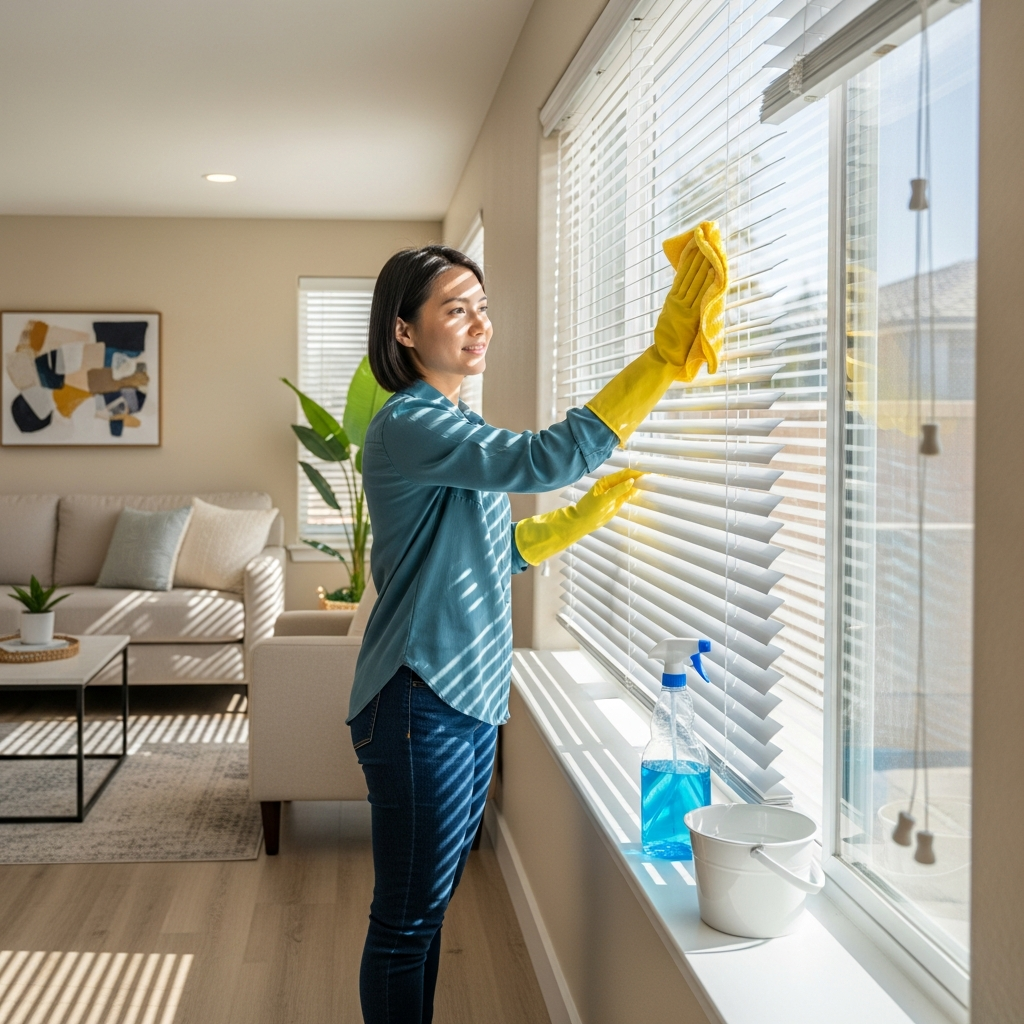
In Simi Valley, sunlight and fresh air are part of daily life. We open windows to cool evening breezes, we slide doors wide on weekend afternoons, and we rely on our window treatments to keep the light calm rather than overpowering. Aluminum blinds make that balance easier because they handle our conditions with quiet resilience. Still, every material shines brightest when it’s looked after thoughtfully. Over the years, I’ve coached many neighbors—from townhomes near the Town Center to ranch houses off Los Angeles Avenue—through simple, repeatable routines that keep aluminum blinds looking crisp and operating smoothly. Early in any conversation, I like to show how a few minutes a week can preserve the exact lines and soft sheen that drew you to aluminum blinds in the first place.
Understanding Our Local Conditions
To care for blinds well, it helps to understand what they face. Our microclimate can swing from warm, dry afternoons to cool nights, and seasonal winds carry dust that settles invisibly until the morning sun reveals it. Aluminum doesn’t swell from humidity and doesn’t absorb grime, which already puts you ahead of the game. But dust, cooking residue, and the occasional fingerprint will land on slats over time. The good news is that aluminum welcomes simple tools and gentle agents, which means maintenance blends seamlessly into your weekly rhythm rather than demanding a special production.
Weekly Dusting: The Twenty-Second Habit
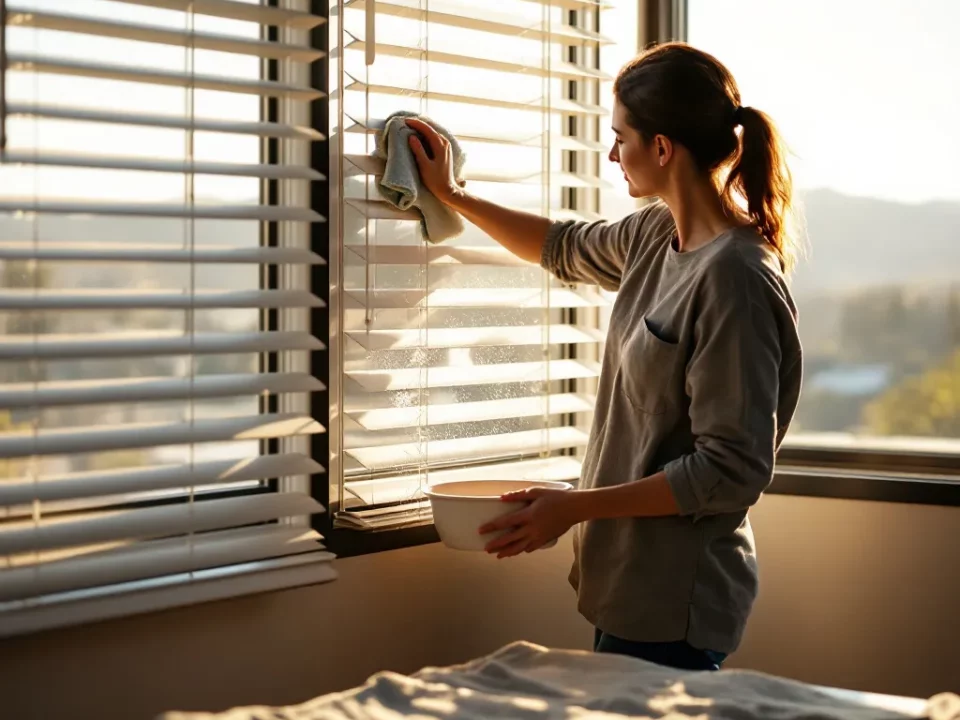
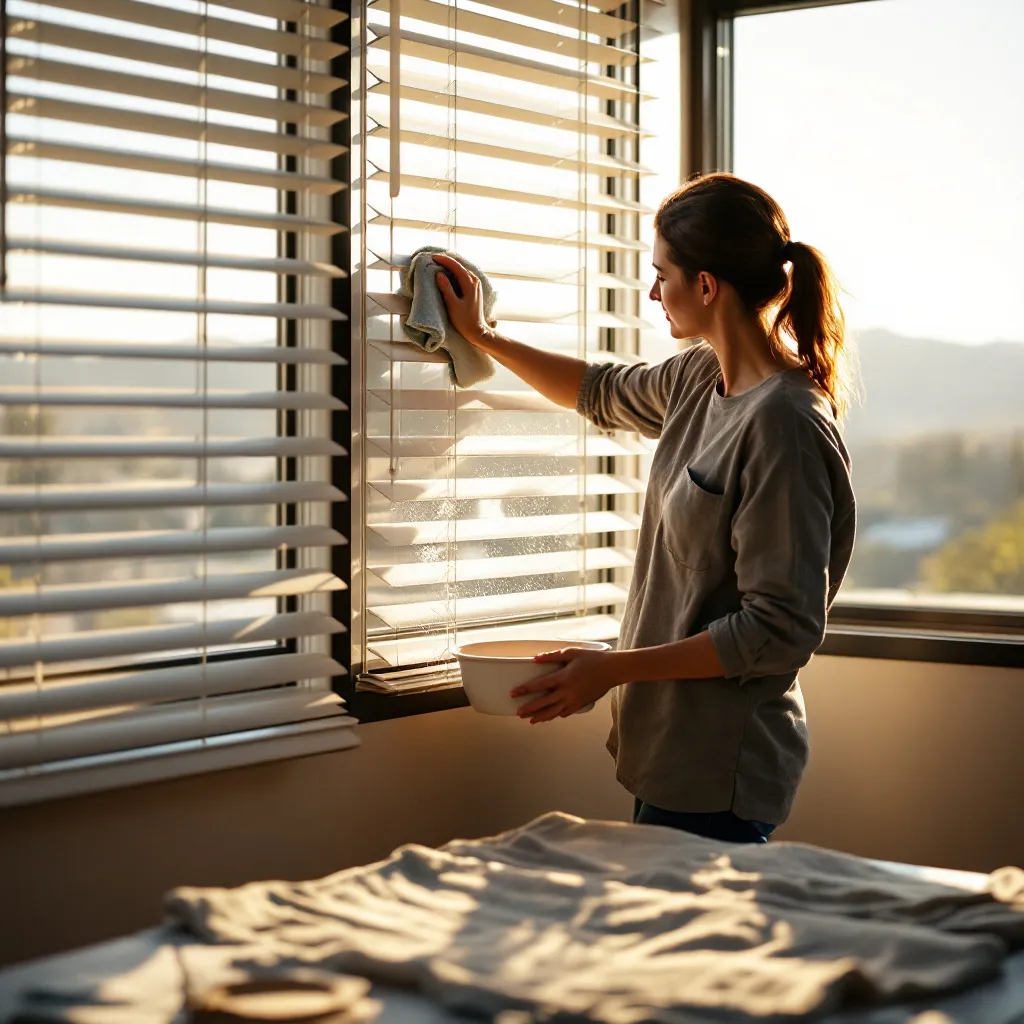
For most rooms, a quick pass with a microfiber cloth or soft duster once a week is enough to keep the slats immaculate. The trick is to set the slats nearly flat so both the top surface and the edge catch your cloth. This small habit prevents dust from accumulating in the first place, which is easier than scrubbing later. Households with pets or street-facing windows may want to dust twice a week during breezy seasons. The difference you feel is not only visual; blinds operate more smoothly when dust doesn’t add friction to the tilt or lift.
Monthly Refresh: Soap, Water, and a Light Touch
Every few weeks, or whenever you notice smudges, turn to a mild dish soap diluted in warm water. Dampen a microfiber cloth—never dripping—and draw it gently along the slats from one side to the other. Follow with a second pass using a cloth moistened with clean water to lift any soap film. Finally, give the slats a quick dry wipe to restore their soft luster. This process also clears the headrail’s front lip and the bottom rail, areas that quietly collect dust and fingerprints yet can be forgotten when you focus only on the slats.
Kitchen and Bathroom Tactics
Kitchens introduce a special set of challenges: tiny particles of oil from cooking and the bustle of daily use. Here, the mild soap solution is your best friend. Work in small sections to prevent residue from drying before you wipe it away. In bathrooms, steam can leave mineral traces if water condenses on cool slats. A quick wipe after a steamy shower prevents spotting and keeps the finish uniform. Because aluminum is non-porous, these residues sit on the surface waiting to be lifted; they don’t penetrate or stain when you address them promptly.
Addressing Wind-Driven Dust
When the valley winds pick up, dust finds every ledge in a home. If you like to keep windows open, expect a little more frequent dusting during those weeks. Setting the slats in a gentle downward tilt helps limit dust settling on the broad upper surfaces, and a follow-up pass with a lightly dampened cloth collects fine particles that a dry duster may scatter. The key is consistency. A five-minute routine after a particularly windy day prevents that powdery film from dulling the finish over time.
Handling Minor Bends and Everyday Bumps
Life happens, especially with kids and pets moving through rooms. One of aluminum’s hidden strengths is how forgiving it can be. A slight bend from a curious paw or an enthusiastic toy can often be eased back into line with careful, even pressure. Support the slat near the bend and press gently along the curve rather than focusing on a single point. If a slat is significantly creased, a professional can assess whether a replacement slat is appropriate to keep the overall appearance crisp.
Keeping Mechanisms Happy
Clean slats are the headline, but mechanisms need attention, too. Dust gathers along the headrail and within the ladder cords, which can introduce grit and light friction over time. A narrow vacuum attachment with a brush, used lightly, keeps these areas clean without stressing the components. For cordless systems, check that the bottom rail rises and lowers evenly; if you notice drag on one side, it may indicate a slight imbalance from debris or a need for a minor tension adjustment. Addressing these tiny cues early maintains that satisfying, smooth motion you felt on installation day.
Choosing the Right Cleaning Products
Mild is the rule. Gentle dish soap and warm water handle nearly everything. Avoid harsh abrasives, bleach, and strong solvents that can dull or discolor finishes. Microfiber wins over paper towels because it traps dust rather than pushing it around, and it won’t shed fibers that cling to slats. If you want a bit of extra shine, a final pass with a clean, dry microfiber cloth gives the finish a crisp, even look that reads as freshly installed rather than polished.
Seasonal Deep Cleaning
Twice a year, a deeper clean rewards your regular maintenance. Lower the blinds fully, set the slats level, and make a deliberate pass along each row with a dampened cloth and mild soap solution. Follow with a rinse pass and a dry pass, as you would in a monthly refresh, but add a moment to clear the headrail lip, the cord channels, and the window sill. This is also a good time to check brackets for tightness and to glance at lift cords or the internal mechanisms of cordless systems. Early detection of minor wear ensures many more years of easy function.
Color and Finish Considerations
Different finishes interact with light and dust in slightly different ways. Matte and micro-textured slats hide smudges and diffuse glare, while satin and semi-gloss surfaces can brighten a room with subtle reflectivity. The care routine remains the same, but your eye may notice dust sooner on a darker matte finish near a bright window. That simply means a quick, regular wipe pays bigger dividends. With either finish, gentle methods preserve the coatings that keep color true under our valley sun.
Pairing Blinds with Open Windows
Many of us love to let the evening breeze through the house. If you tilt the slats slightly rather than leaving them perfectly flat, you’ll reduce the surface area on which dust can settle while still allowing plenty of airflow. In rooms that see frequent open-window time, it helps to make a brief weekly pass with a barely damp cloth to lift the extra dust. This small adjustment preserves the finish and protects the tilt mechanism from fine grit that can accumulate over months.
Protecting Against Sun and Heat
Aluminum is inherently resistant to warping from heat, which is one reason it’s such a smart material here. Still, the finish on the slats appreciates a thoughtful approach. If a certain window bakes under late-afternoon sun, occasional tilting can prevent concentrated hot spots from landing at the same angle day after day on the same surfaces. Spreading that exposure helps the finish age evenly and gracefully. It’s a gentle habit that pays off in long-lasting good looks.
What to Do After Renovation Dust
Remodeling brings fine dust that seems to float into every crevice. After such a project, skip dry dusting at first; go straight to a lightly dampened microfiber cloth so particles adhere to the cloth rather than scratching along the slats. Work slowly, rinsing your cloth frequently. Your blinds will bounce back to their pre-renovation clarity without any special products, just patience and gentle passes.
Small Children, Pets, and Everyday Realities
In homes with curious hands and paws, cordless systems provide peace of mind and reduce the temptation to tug. Teach children to raise and lower using the bottom rail rather than the slats, which keeps everything aligned. For pets who frequent windows to scout the yard, setting the slats slightly more open at their eye level discourages poking and reduces the chance of bends. These subtle behavioral cues combine with aluminum’s forgiving nature to keep blinds looking composed even in the busiest households.
Common Myths, Debunked
One common myth is that aluminum blinds look sterile or industrial. In practice, thoughtful color and finish choices make them read as tailored and quietly modern. Another myth suggests that aluminum is high-maintenance. The opposite is true; few materials return to like-new with so little effort. Finally, some worry that metal slats will rattle with every breeze. Proper fitting, quality headrails, and a slight tilt adjustment keep things peaceful even when windows are open.
Frequently Asked Questions from Simi Valley Homeowners
What’s the simplest routine to keep aluminum blinds looking new? A weekly dust with a microfiber cloth, plus a monthly wipe with mild soap and water, covers most needs. This rhythm prevents build-up and keeps operation smooth, so the blinds feel as crisp as the day they were installed.
Can I remove the blinds for a deep clean? It’s rarely necessary, but you can. Most headrails allow for easy release. Lay the blinds flat on a soft surface and follow the same gentle cleaning routine. Reinstall carefully, ensuring brackets click fully to maintain alignment and smooth operation.
Are there cleaners I should absolutely avoid? Yes. Skip bleach, abrasive powders, and strong solvents that can dull or discolor finishes. Stick to mild dish soap, warm water, and microfiber cloths. These simple tools safeguard the protective coatings that keep color true under strong sunlight.
How do I handle greasy buildup in a kitchen? Work methodically with a diluted dish soap solution, refreshing the cloth frequently. Follow with a clean-water pass and then a dry pass. If you keep up with a light monthly routine, heavy build-up is unlikely to reappear.
Will aluminum blinds corrode in bathrooms or near humid areas? Aluminum resists moisture very well in residential settings. Regular wiping after steamy showers prevents mineral spotting, and avoiding harsh chemicals maintains the protective finish that guards against corrosion.
Do aluminum blinds get noisy when windows are open? Correct fit and quality hardware keep them quiet. If wind kicks up, a small tilt reduces motion and stabilizes the slats. For doors or windows that see frequent breezes, hold-down brackets or guides can add extra stability without changing the look.
How do I fix a slat that’s slightly bent? Support the slat on both sides of the bend and apply gentle, even pressure along the curve. Many small bends can be eased back. For more pronounced creases, consult a professional about replacing that slat to restore a perfectly even line.
Is there a best finish for hiding fingerprints? Matte and micro-textured finishes are most forgiving, especially in high-touch areas. Regardless of finish, a quick pass with a dry microfiber cloth erases prints in seconds and helps the surface look calm and even.
Give Your Blinds the Care They Deserve
With a light, steady routine, your aluminum blinds will keep their clean edges and easy motion for years, no matter how bright the afternoon sun or how lively the household. If you’d like personalized tips for the specific rooms in your Simi Valley home, or you’re considering an upgrade to new aluminum blinds, reach out for a friendly, local consultation. Together we’ll keep your spaces feeling composed, comfortable, and ready for every season the valley brings.