

Aluminum Blinds For Small Windows In Simi Valley California
April 22, 2026
Wood Blinds Maintenance Tips for Simi Valley California Homes
April 23, 2026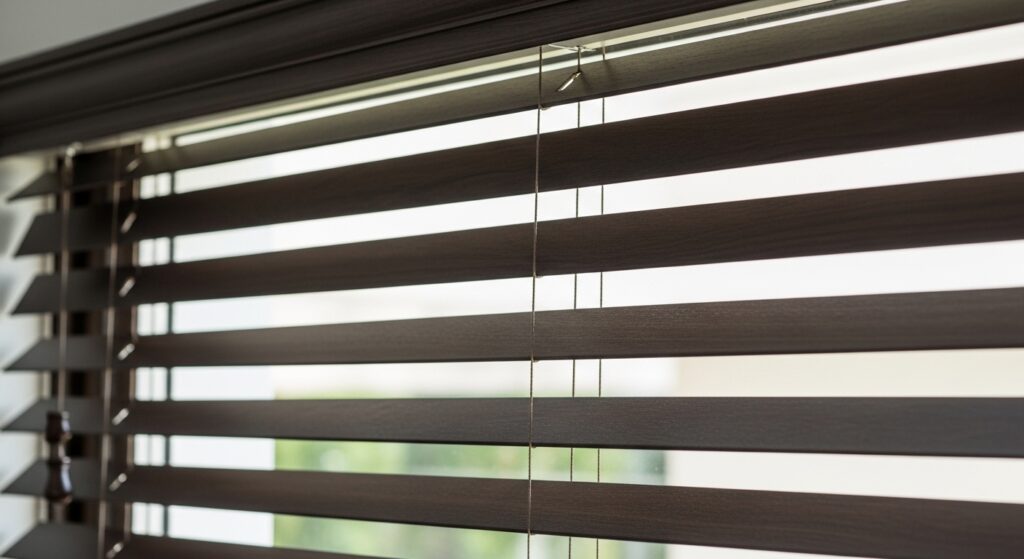
Choosing Between Wood and Faux Wood Blinds in Simi Valley
If you live in Simi Valley, you know our sunlight has a particular character. Mornings arrive soft and golden across the rolling hills, but by afternoon the sun can turn sharp and insistent, especially on west- and south-facing windows. That rhythm shapes how window coverings perform here, which is why the decision between real wood and faux wood blinds deserves a thoughtful, local perspective. As someone who has measured, installed, and lived with both options in neighborhoods from Wood Ranch to Bridle Path and the foothills near Santa Susana, I can tell you that the right choice often comes down to how your home sits to the sun, the size of your windows, and the rooms where you’ll use them. Early on, many homeowners are drawn to the warmth and craftsmanship of wood blinds, while others appreciate the resilient practicality of faux wood. Both can be excellent in Simi Valley; the key is understanding the strengths and tradeoffs through the lens of our climate, architecture, and lifestyle.
The first thing to acknowledge is that Simi Valley acts like two towns when it comes to weather. We have bright, dry heat most of the late spring through early fall, punctuated by Santa Ana winds that can carry dust and a rapid drop in humidity. Winters are gentler, with cooler mornings and occasional rain. That combination is friendly to both wood and faux wood materials, provided they’re selected and finished correctly. What matters most is fit, finish, and thoughtful placement by room. If you picture your daily routine—opening slats early to welcome the light, angling them down in the afternoon to cut glare, then closing fully in the evening for privacy—you’ll already begin to see how material choice plays into comfort, maintenance, and long-term appearance.
What Makes Simi Valley Windows Unique
Our homes tend to feature a mix of generous sliders, narrow sidelight windows, and tall rectangles that invite views to the hills. Many houses sit on lots that face strong afternoon light. Stucco exteriors and deep-set windows can create heat pockets where glass retains warmth even after sunset. In newer developments, windows are often larger, with low-e glass that still allows noticeable heat gain during the hottest hours. Inside, open-concept living rooms pour sunlight across shared spaces, so the window treatment you choose needs to shift from glare control mid-day to softly filtered privacy by evening. That’s a lot to ask of any blind, which is why material performance under heat, UV exposure, and daily handling becomes decisive.
Real Wood Anatomy vs. Faux Wood Construction
Real wood blinds are crafted from natural hardwoods. Quality stock is kiln-dried to stabilize the slats and finished with UV-resistant stains or paints. The beauty here is unmistakable: each slat has authentic grain, subtle tone shifts, and a warmth that reads as handcrafted. Faux wood blinds, by contrast, are usually made from PVC or a composite with a wood-like skin. Their big advantages are consistency, moisture resistance, and durability in high-traffic or high-humidity areas. In your hand, you’ll notice that faux wood slats are often slightly heavier than real wood of the same size, which can matter on very wide windows. Both materials can be ordered in popular slat widths, typically around two to two-and-a-half inches, which is the sweet spot for most Simi Valley homes because it offers a balanced view and strong light control.
Heat Resistance, UV, and Color Stability
Under our summer sun, finishes matter. High-quality real wood blinds hold up beautifully when they’re sealed properly; a modern UV-cured topcoat resists fading and the very slight drying that can happen during a Santa Ana event. Faux wood blinds, as a class, are impressively stable in that same heat. The best composites resist warping, and they shrug off the kind of heat that builds behind west-facing glass in late August. If your window is unusually exposed—think tall panes above a stairwell that bakes from two in the afternoon until dusk—either option can succeed, but faux wood takes the edge for sheer indifference to prolonged heat. In everyday conditions across Simi Valley, both do well, and the real differentiator becomes style, weight, and how you’ll clean and operate the blinds every day.
Moisture, Kitchens, and Bathrooms
Most Simi Valley mornings are dry, but kitchens and bathrooms tell their own story. Steam, splashes, and quick temperature swings are common. In these rooms, faux wood often wins for peace of mind, especially near a sink or tub where an accidental spray could reach the slats. That said, properly sealed wood still performs admirably when it’s not in the splash zone. In powder rooms and well-ventilated primary baths, many homeowners prefer the elegance of painted or stained wood to complement stone and tile. For kitchens, I like to evaluate the window’s exact position: a window located behind a deep farmhouse sink with frequent water use may be better served by faux wood near the basin, while a breakfast nook window with morning sun is a perfect place to enjoy the character of real wood.
Design, Texture, and Architectural Fit
Simi Valley architecture ranges from Spanish-inspired and ranch-style to contemporary rebuilds with clean, linear details. Real wood blinds feel at home across that spectrum because they echo cabinetry, flooring, and furniture in a way no synthetic can fully imitate. They catch light differently as the day changes, and their micro-variations read as true, tactile design. Faux wood brings its own strengths. Modern faux options have a refined surface that looks crisp and tailored. If your interiors skew minimalist, transitional, or coastal, a bright white faux wood with a soft matte finish can read as impeccably fresh, particularly against cool walls and airy spaces. For many families, mixing is the winning formula—wood in the living and dining rooms for richness, faux wood for the mudroom, laundry, and high-activity zones—allowing you to honor aesthetics where you spend the most time while dialing in practicality elsewhere.
Insulation and Everyday Comfort
When angled correctly, blinds act like a tiny forest of baffles, changing how sunlight and heat move through space. Real wood has a naturally insulating cell structure, which can subtly reduce heat transfer at the glass. Faux wood’s density and thickness also contribute to mild insulation. In Simi Valley, where late-day heat is the comfort challenge, the real advantage comes from the precision with which you tilt the slats. Closing them tightly in the afternoon not only reduces glare on television screens and tablets but also helps slow the radiant warmth that turns a room stuffy. Both materials provide outstanding glare control and privacy without shutting you off from the outdoors, and both pair well with drapery panels if you want an extra evening layer in bedrooms.
Weight, Hardware, and Large Openings
Big sliders and picture windows ask a lot of the lifting and tilting mechanisms inside a blind. Because faux wood slats tend to be heavier, extra-wide blinds can feel weightier to raise. That’s easily managed with thoughtful sectioning—dividing a very wide opening into two blinds, for example—and by choosing high-quality headrails and tilt mechanisms. Real wood’s lighter weight can be an advantage on expansive windows where you expect to lift the blinds frequently. In everyday Simi Valley homes with standard window widths, both materials operate smoothly when properly specified. If you’re considering motorized tilt or cordless lifting for child and pet safety, both wood and faux wood integrate easily, and lighter assemblies can be especially pleasant to use day after day.
Maintenance, Cleaning, and Longevity
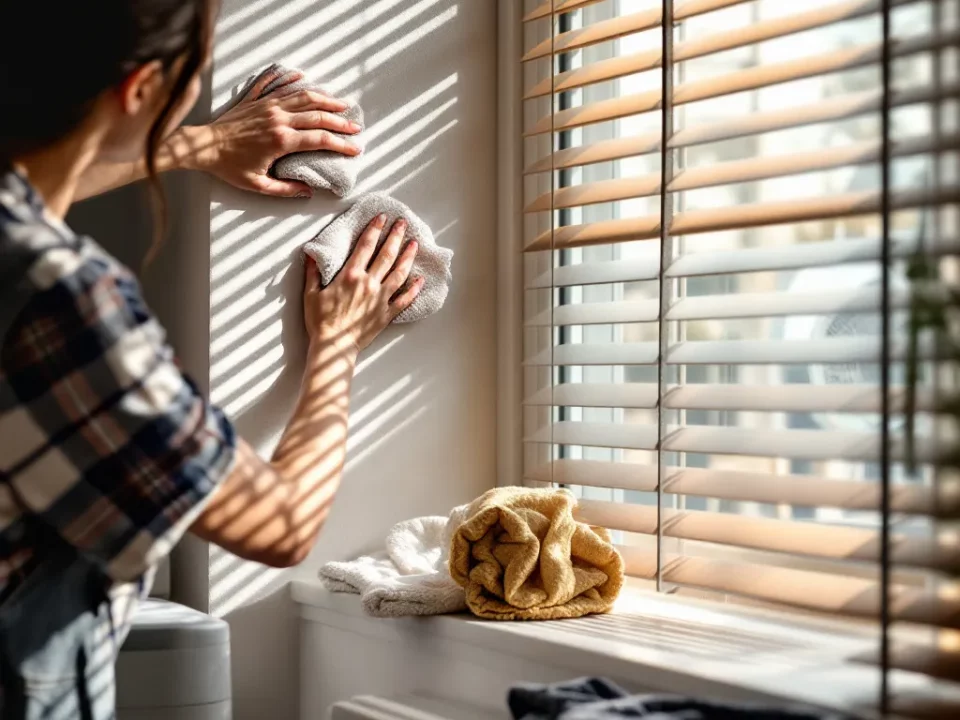
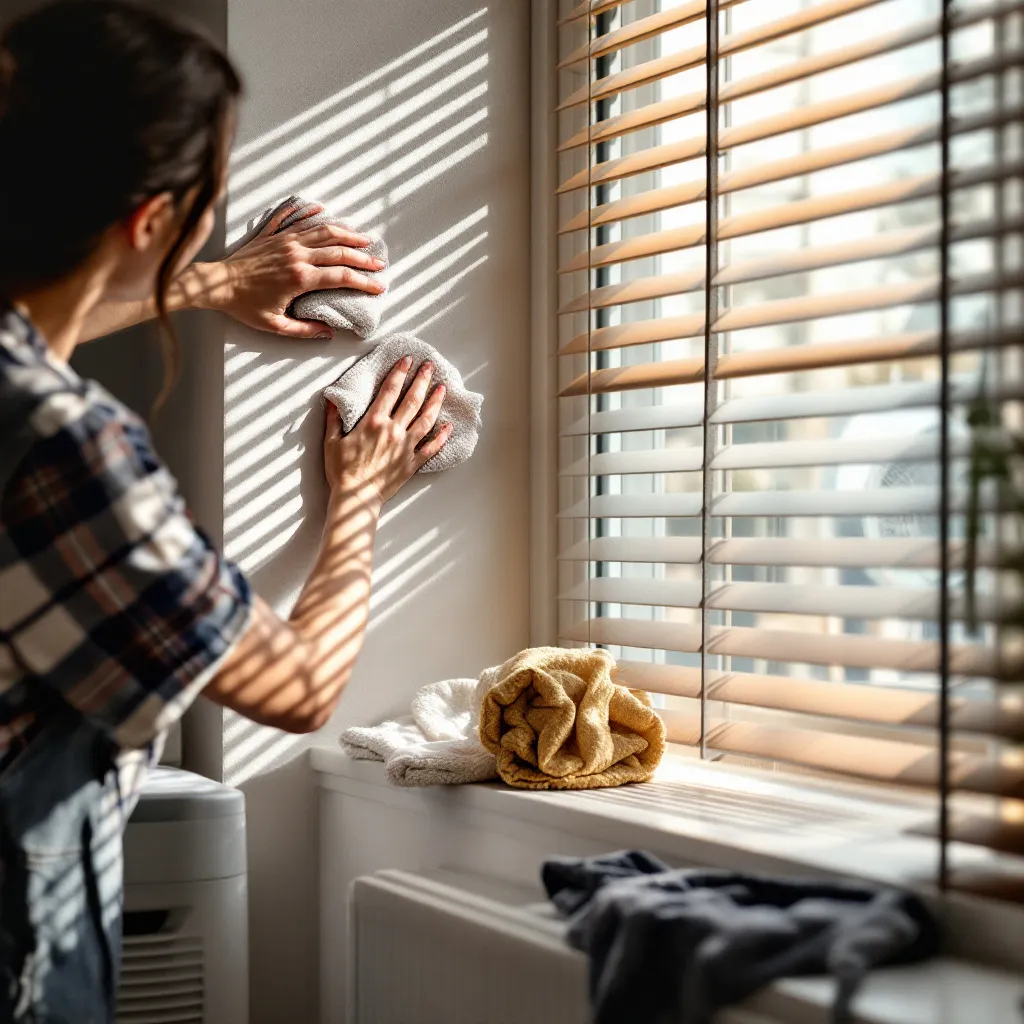
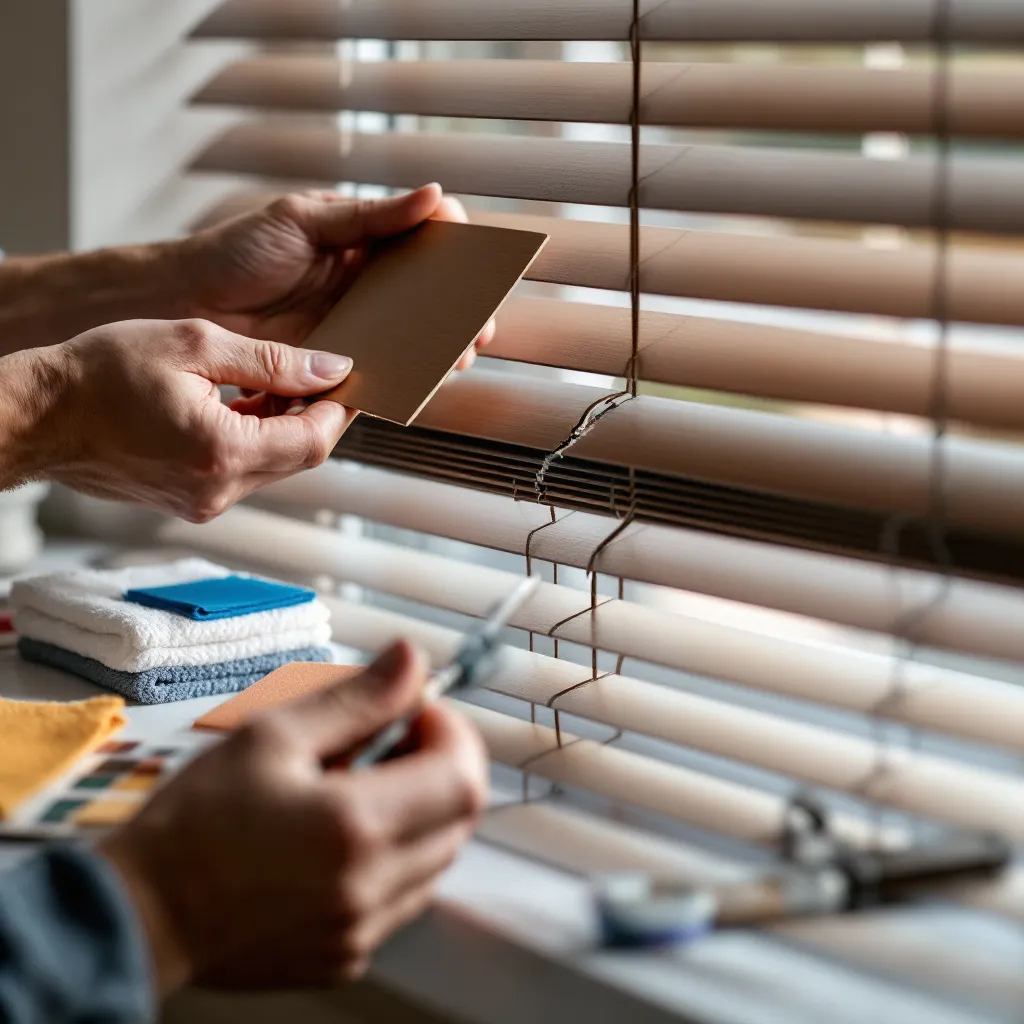
Dust will always find us, especially after a windy stretch. Fortunately, both wood and faux wood are simple to maintain. A quick pass with a microfiber duster or a soft vacuum brush does most of the work. For faux wood, a barely damp cloth handles the occasional kitchen smudge. For real wood, stick to dry or very lightly dampened cloths to respect the finish. What truly prolongs the life of any blind is gentle operation and routine dusting, particularly in summer when open windows invite air movement. In my experience across Simi Valley homes, well-made wood blinds hold their beauty for many years with ordinary care. Faux wood’s finish is remarkably forgiving in high-traffic areas, resisting small nicks that can happen near busy doorways or kids’ hangout spaces.
Environmental Considerations and Indoor Air
For homeowners who value natural materials, responsibly sourced wood blinds bring a sense of authenticity and environmental stewardship. Reputable manufacturers certify their supply chains and use finishes that meet strict indoor air quality standards. Faux wood blinds have their own eco story, often emphasizing durability that reduces replacement frequency. Both categories today are more conscientious than they were a decade ago, with better coatings, lower emissions, and improved recyclability pathways. If sustainability is important to you, ask about certifications, low-VOC finishes, and repairability options. In Simi Valley’s sunny climate, a long-lived blind that withstands UV and daily use is both a practical and sustainable choice.
Room-by-Room Guidance for Simi Valley Homes
Consider a typical floor plan. The living room might face south with generous glass; here, real wood can elevate the space, adding texture and depth that respond beautifully to changing daylight. A north-facing home office benefits from either material, but wood can soften a cool exposure and create a calming work environment. For bedrooms, especially those catching the late-day sun, both materials excel at light control; pairing blinds with drapery gives you a cozier nighttime envelope without sacrificing the daytime brightness we all love. Meanwhile, the laundry, powder room, and any window tucked behind a sink are ideal candidates for faux wood’s moisture tolerance. And in a cheerful breakfast nook, the handcrafted look of custom wood blinds can turn morning light into a design feature rather than just a utility.
Common Misconceptions in Our Market
One misconception I hear is that real wood will warp in Simi Valley heat. With modern kiln-drying and UV-cured finishes, quality wood blinds resist warping remarkably well. Another is that faux wood always looks “plastic.” While entry-level products can feel that way, premium faux wood options have a gratifying, subdued texture that reads as polished and upscale, particularly in white or soft neutrals. A third myth is that you must choose one material for the entire house. In reality, most homes benefit from a thoughtful mix, allowing you to tune each room for moisture, use, and desired atmosphere.
Professional Measuring and Fit
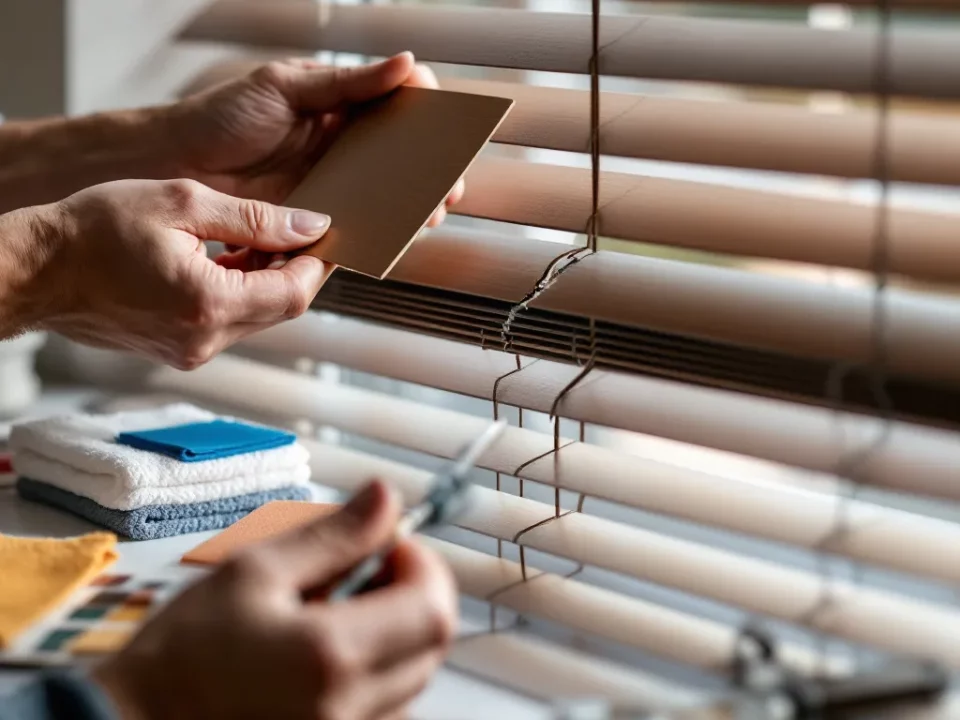
Because many Simi Valley homes feature slightly out-of-square openings—especially in older neighborhoods—precise measurement and mounting decisions are vital. An inside mount shows off your window’s architecture and creates a clean profile, but it requires careful allowances so the slats clear cranks and handles. An outside mount can visually enlarge a small window and help block more light around the edges. Above all, the quality of the headrail, ladders, and cords or cordless mechanisms will determine the blind’s day-to-day feel. An expert installer will also read your light patterns, suggesting slat size and finish that complement your home’s orientation and the specific views you love—or prefer to disguise.
Living With Your Choice
Once installed, blinds become part of your daily ritual. I encourage homeowners to test-drive the feel of slat tilt and lift during selection. Wood tends to glide with a supple, tactile quality. Faux wood feels solid and secure. Either way, commit to a simple routine: tilt open in the morning to let the day in, angle down in mid-afternoon to soften glare, then close fully for privacy as the hills go blue at dusk. In that cadence, both materials demonstrate why they remain such enduring favorites here. They are adjustable, handsome, and versatile—made for a place where sunshine is a daily gift that occasionally needs a gentle filter.
FAQ: Wood vs. Faux Wood in Simi Valley
Q: Which holds up better in Simi Valley’s summer heat? A: Both perform very well when properly made. Faux wood has a slight edge in extreme, prolonged heat at west-facing windows, while high-quality wood with UV-cured finishes remains stable and beautiful for years.
Q: Are wood blinds okay in bathrooms? A: Yes, in well-ventilated baths away from direct splashes. For windows right beside showers or tubs, faux wood is usually the safest bet.
Q: What slat size works best here? A: Two to two-and-a-half inches tends to balance view, privacy, and light control for most of our homes, especially on standard window widths.
Q: Can I mix wood and faux wood in the same house? A: Absolutely. Many Simi Valley homeowners choose real wood for living areas and bedrooms, then use faux wood for kitchens, laundry rooms, and baths.
Q: Will real wood fade faster than faux? A: With modern finishes, fading is minimal for both. Choosing lighter stains or paints, along with periodic tilting adjustments, keeps finishes looking fresh.
Q: Is motorization worth it? A: If you have tall windows, hard-to-reach openings, or simply enjoy convenience, motorized tilt can be a daily joy and works with both wood and faux wood.
Ready to Choose the Right Blinds for Your Simi Valley Home?
If you’re weighing the character of real wood against the resilience of faux wood, let’s walk your home together, read the light, and tailor a plan that fits every room. From sun-splashed living areas to moisture-prone nooks, we’ll match material, finish, and slat size to your architecture and routine. When you’re ready to see and feel options up close, explore our selection of premium wood blinds and schedule a friendly, local consultation that makes the decision simple—and the result beautiful for years to come.
Read More:
Wood Blinds Maintenance Tips for Simi Valley California Homes