

Redefine Your Space with Aluminum Blinds
November 27, 2025
Why Aluminum Blinds Are a Smart Choice in Simi Valley California
December 15, 2025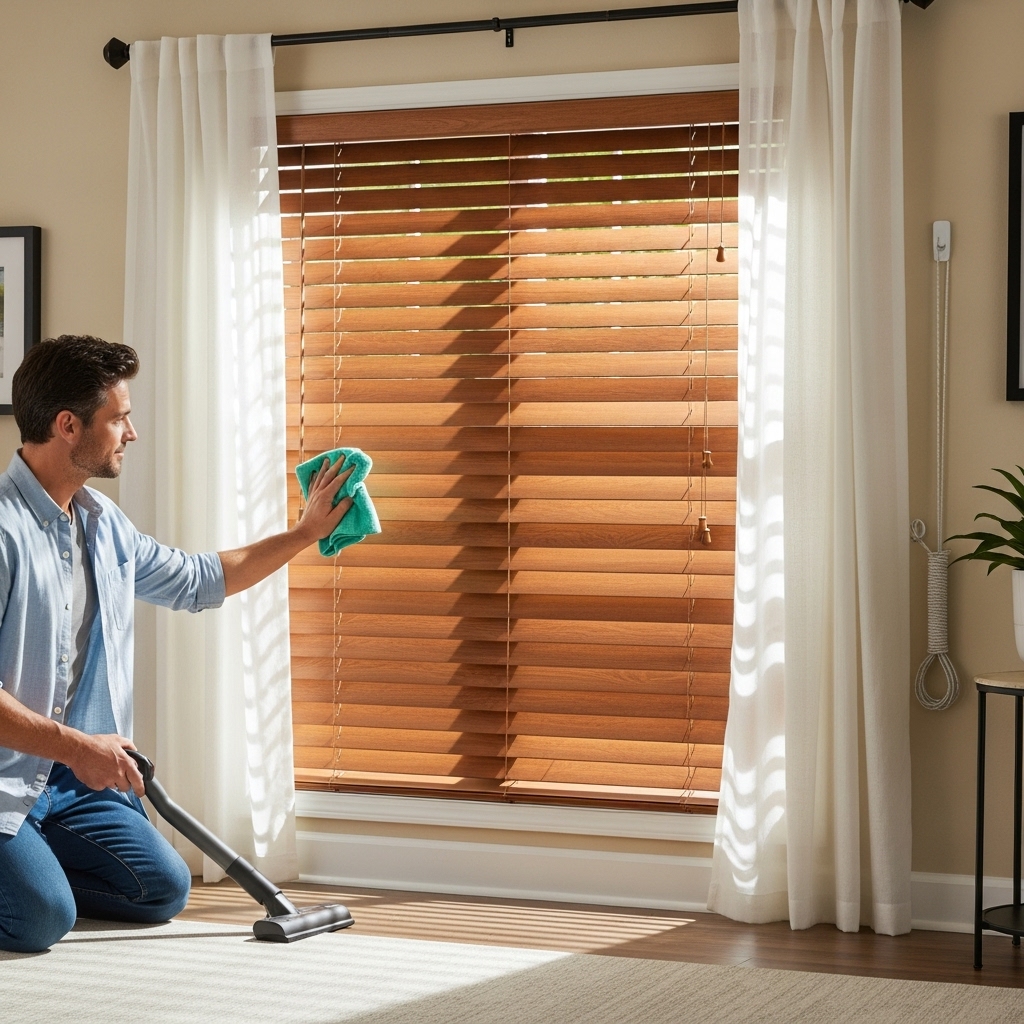
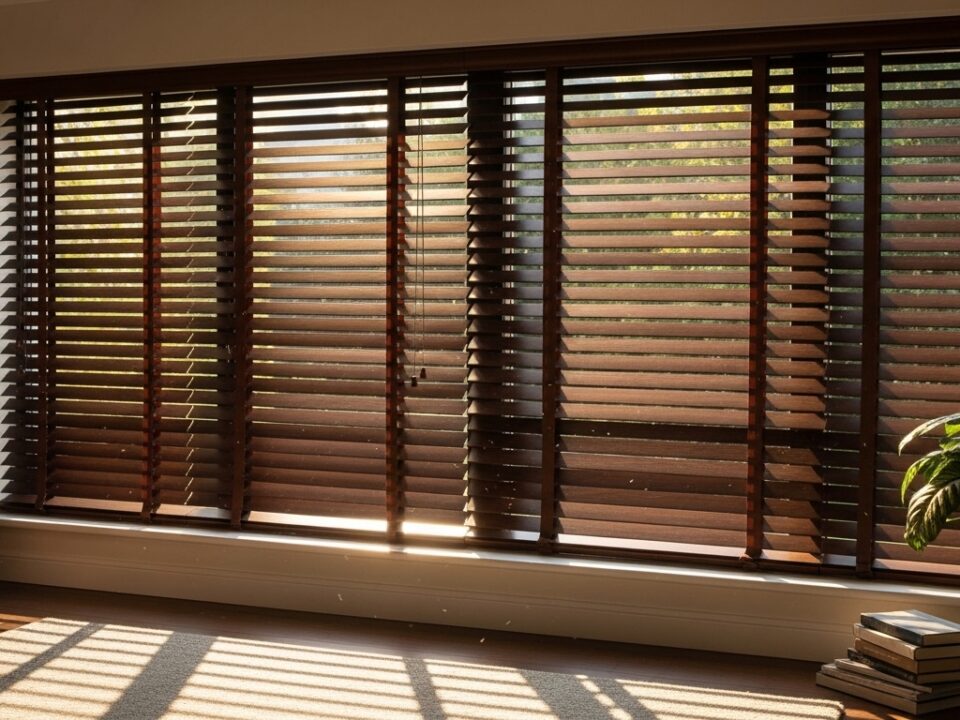
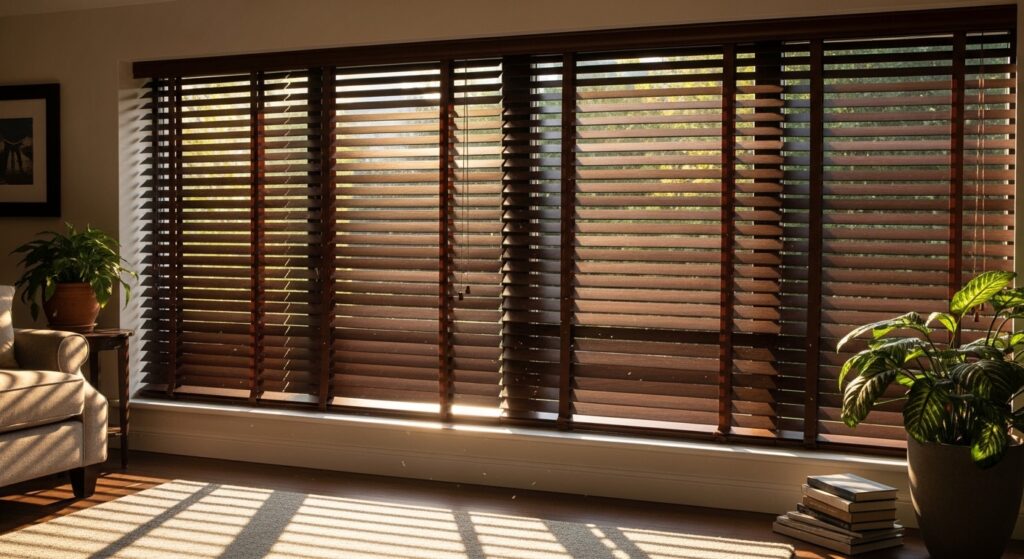
If you live in Simi Valley, you know how quickly our sunshine, dry heat, and occasional Santa Ana winds can turn a spotless home dusty and sunbaked in a matter of hours. That environment is beautiful for weekend hikes and backyard barbecues, but it asks a lot of your window treatments. Caring for wood blinds here is equal parts routine and nuance, and after years of maintaining them in local homes—from Central Simi ranch houses to newer construction near Wood Ranch—I’ve learned that a few essential habits make all the difference. The right approach protects the finish, keeps the slats operating smoothly, and preserves that warm, tailored look that wood brings to a room. Think of this guide as a road map built for our local climate and daily rhythms, a way to keep your blinds looking great through every season.
How Simi Valley’s Climate Shapes Maintenance
Our valley is known for hot, bright summers and pleasantly mild winters, punctuated by breezy, dry conditions that blow dust from the hillsides into every open crevice. That mix of UV exposure, heat, and airborne grit is what sets Simi Valley apart. On the hottest afternoons, the sun can angle directly into east- or west-facing windows, warming slats and slowly fading finishes unless you’re intentional about shading. Meanwhile, fine dust settles invisibly, and if it’s not gently lifted away, it becomes a thin abrasive, wearing down protective coatings over time. Add in the occasional moisture spikes from kitchen cooking or bathroom showers, and you have a demanding environment where maintenance is not just cosmetic—it’s preventive care that extends the life of your blinds.
Because of these conditions, I encourage homeowners to approach care on two levels. First, develop a light-touch weekly routine that manages dust and catches small issues before they grow. Second, build a monthly or seasonal practice that looks deeper at mechanisms, cords, and finish health. That rhythm mirrors the pulse of Simi Valley life: quick tidy-ups for busy weekdays, and deeper care when you’ve got time on a Saturday morning. By splitting maintenance this way, you avoid emergencies, preserve that beautiful woodgrain, and keep your rooms cooler and more comfortable.
Daily and Weekly Essentials
On a day-to-day basis, the simplest tool is the most effective: a very soft microfiber cloth. With the slats closed, wipe gently in one direction, then tilt the slats the opposite way and repeat. This method lifts dust without pushing it into seams or grinding it into the finish. If you prefer to vacuum, use the brush attachment and keep suction modest; you’re aiming to float debris off, not scrub the surface. A light pass twice a week is usually enough in high-traffic rooms, especially those that face the afternoon sun or a breezy side yard.
Another quick habit is to mind the cords and tassels as you tidy. If they’ve twisted, straighten them and give a light pull to equalize tension. When cords hang evenly, the lift system operates more smoothly and wears more evenly. While you’re there, glance at the headrail. If you see dust gathering inside the channel, a brief pass with the vacuum brush will go a long way. These tiny moments of attention take less than a minute but collectively add years to your blinds’ life.
Finally, avoid spraying cleaners directly onto the slats. Liquids can wick into seams or soft spots in the finish, especially if the blinds are warming in the afternoon sun. If you need a little help beyond dry dusting, lightly dampen your microfiber cloth with clean water and wring it until it’s practically dry. Work in small sections, then immediately follow with a dry section of the cloth. This keeps moisture where you want it—on the cloth, not in the wood.
Monthly Deep Care for Long-Term Health
Once a month, set aside time for a more intentional session. Start by fully lowering the blinds and opening the slats flat. Use your microfiber cloth to trace each slat from ladder to ladder, paying attention to the edges where dust tends to collect and harden. After that first pass, tilt the slats the other way and repeat. You’ll notice a smoother feel and a visible lift in color and luster.
Next, evaluate the finish. Under natural light, check for dull patches, hairline scratches, or areas that look slightly gray or chalky. These are early signs that UV exposure and dust abrasion are thinning the protective coating. If the manufacturer allows, a very small amount of wood-safe conditioner applied with a clean, soft cloth can revive the luster. Always test in an inconspicuous spot first. Avoid heavy oils or products that leave a residue; build-up attracts dust and can gum up tilt mechanisms over time.
While you’re working, gently flex a few slats between your fingers. You’re not trying to bend the wood, just testing for rigidity and any sign of warping. If a slat feels spongy or shows a subtle twist, flag it for closer monitoring. A single slightly warped slat isn’t an emergency, but it’s a cue to increase shade on that window during peak sun or to improve ventilation if moisture is a factor. Attentive homeowners catch these little changes long before they become problems.
Managing Sun and Heat
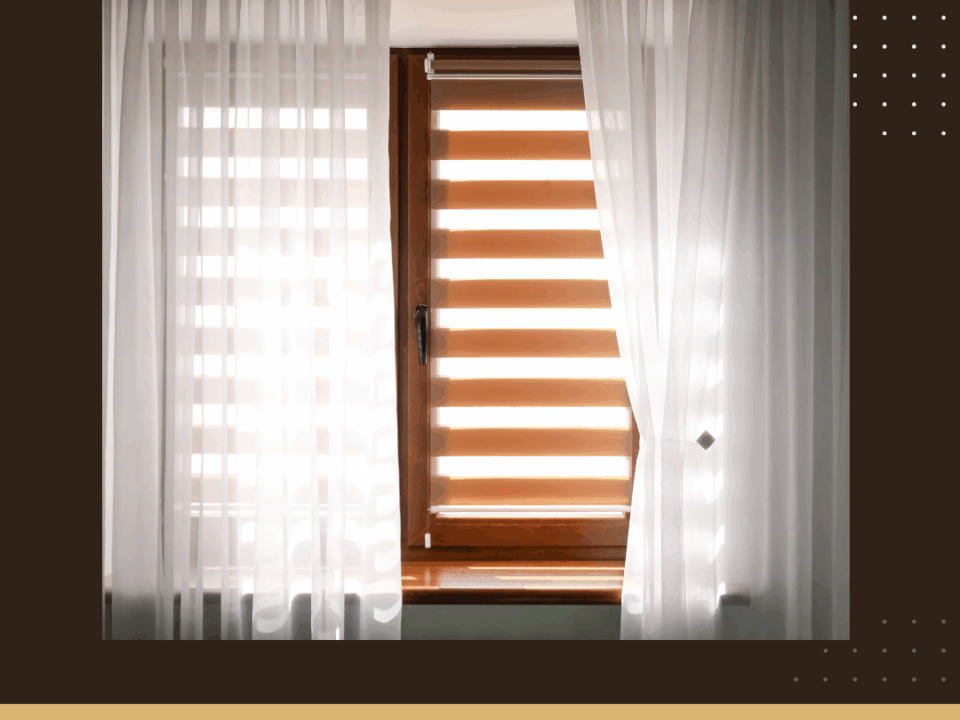
Simi Valley’s sunshine is part of its charm, and it’s also the toughest test for finishes. To shield your blinds, time your slat angles throughout the day. In the late morning, adjust so light bounces upward onto your ceiling instead of directly into the room; in the late afternoon, reverse the angle to soften glare. This practice reduces direct UV on the slats and helps keep room temperatures more comfortable. In rooms with relentless exposure, consider pairing wood blinds with sheer drapery you can draw during peak hours. The added layer slows UV and heat before they reach the slats, which helps maintain color and finish integrity.
If you’re away from home during the day, a preset routine helps. Tilt the slats so they’re mostly closed during peak sun and slightly open otherwise. Even small adjustments can reduce the temperature swing on the slats, lessening stress on the finish and the joints where ladders meet wood. When you get home, a quick visual check confirms everything stayed aligned and that the headrail hardware is operating without strain.
Moisture Awareness in Kitchens and Baths
Although Simi Valley is dry most of the year, kitchens and bathrooms create their own microclimates. Steam from a shower or a simmering pot introduces moisture that wood doesn’t love. The fix is ventilation and timing. Run exhaust fans during and after showers, crack a window if possible, and wait until steam has cleared before lowering or closing blinds. If a slat gets damp, blot it dry rather than wiping aggressively. The goal is to avoid forcing moisture into seams or softening the finish with heat and humidity at the same time.
In kitchens, consider grease as you would dust—something to lift away gently before it sets. A barely damp microfiber cloth with warm water is often enough. For stubborn spots, a wood-safe cleaner used sparingly will do the job, followed immediately by a dry cloth. The secret is restraint and repetition; small, regular attention is better than a harsh deep clean that risks the finish.
Cords, Tilt Mechanisms, and Safety
The unsung heroes of well-behaved blinds are the cords and tilt mechanisms. In our climate, where dust can settle into everything, keeping these parts clean is as important as polishing the slats. With the blinds fully lowered, gently pull each cord to feel for smooth travel. If you notice uneven resistance, inspect the cord pathway at the headrail. A soft brush or a burst from a hand blower can clear grit that’s causing drag. For tilt wands, rotate slowly and listen. A smooth, consistent sound is normal; grinding or catching means dust has found its way into the gear.
Safety is non-negotiable, especially in family homes. Keep cords secured with cleats mounted high enough to be out of reach for children and pets. When you’re tidying, wrap excess cord and anchor it. If you have an older system with long loops, consider retrofitting with safety breakaway components. These small changes keep the everyday use of your blinds safe, while also preserving the mechanism by reducing accidental yanks and tangles.
There’s a moment in the life of every blind where attention to detail pays off. If you feel a sudden snag in the tilt or a minor misalignment that wasn’t there yesterday, address it right then. A tiny knot in a ladder, a grain of grit in the gear, or a tassel tightening against a stop—these are easy wins when caught early and much harder to fix after weeks of wear.
Mid-Life Tune-Ups and Hardware Checks
About twice a year, I like to pull the valance off and take a good look at the headrail. This is especially helpful in rooms exposed to the afternoon winds that sweep through neighborhoods near the pass. Check that mounting brackets are snug and level, that the headrail hasn’t shifted, and that the ladders are evenly tensioned. If the blinds are motorized, inspect the battery compartment or power connections and dust them gently. Mechanical sympathy—treating the system like a well-loved bike or grill—goes a long way toward smooth performance.
In the same mid-year window, step outside and think about what’s happening on the exterior. Are your sprinklers misting that window at a certain hour? Is there reflected glare from a nearby patio that hits the slats for a short, intense period? Small environmental quirks often explain persistent trouble spots. Adjusting irrigation heads or adding a sheer panel during a particular month can stabilize a room and keep your blinds out of harm’s way.
When you’re considering upgrades or matching new treatments to an existing room, keep material compatibility in mind. Balancing real wood in a living room with composite in a bath, for example, is a smart way to maintain a cohesive look while matching performance to conditions. If you’re browsing options, take a moment in the middle of your project planning to look closely at modern selections of wood blinds and think about how their finishes and slat widths will perform in your specific windows. A thoughtful choice now can simplify maintenance for years.
Common Mistakes to Avoid
The most frequent misstep I see is overcleaning. It’s tempting to attack dust with enthusiasm and strong products, but harsh cleaners and vigorous scrubbing do more harm than good. Another common issue is ignoring the sun. If you consistently see a hot beam hitting the same area each afternoon, your blinds are telling you something. Adjust slats, add a light drape, or swap out to a finish designed for higher UV. Finally, beware of prolonged contact with window condensation or cooking steam. Moisture and heat amplify each other when wood is involved, and careful timing is your best defense.
For households with pets, tails and paws test the durability of lower slats. Train curious companions by adjusting blinds to a height that allows them a view without interfering with the slats, or raise the blinds an inch above the sill so they can perch without pressure. These small accommodations preserve both the blinds and the peace in your home.
When to Repair and When to Replace
Every blind has a lifespan, and part of smart maintenance is knowing when to call for help. A single warped slat, a frayed cord, or a misbehaving tilt gear can often be repaired quickly. If you notice widespread fading, multiple broken ladders, or slats that have taken a set from long-term warping, it may be time to consider replacement. In Simi Valley, I often see blinds that have worked hard for a decade or more and still have life left—especially when regularly cleaned and shaded. An honest assessment focuses on function first, with aesthetics a close second. The goal is a comfortable, reliable room that looks like you care for it, because you do.
Allergy and Indoor Air Quality Considerations
Dust is more than a visual nuisance; it affects how we feel. During high pollen months, your blinds act as a passive filter, catching particles before they circulate. A regular, gentle dusting routine reduces allergens in the room and helps anyone with seasonal sensitivities breathe easier. If you or a family member is sensitive, schedule an extra pass during those weeks when the yellow haze is visible on cars and patio furniture. It’s a small effort that pays dividends in comfort.
Creating a Household Maintenance Rhythm
The best plans are the ones you’ll actually follow. Tie blind care to existing habits: dust while the coffee brews on Sunday, or check cords when you open windows for the evening breeze. If you prefer structure, jot a quick note on your home’s monthly checklist, right alongside HVAC filter changes and smoke detector tests. A little accountability makes it easy to keep your blinds on the same high standard as the rest of your home.
Troubleshooting Noises and Sticky Spots
Every now and then, a blind will start to chatter or stick, especially after a particularly windy week. Before you reach for lubricant, try a thorough dusting of the headrail and the tilt mechanism, and work the motion several times. Most noises are dust on dust, not parts crying for oil. If a squeak persists, a tiny application of a dry, non-staining lubricant to the moving metal parts—not the wood—can help. Use a sparing hand, and protect the slats with a cloth so you don’t mist the finish by accident. If in doubt, pause and call a professional for guidance.
FAQs
How often should I dust wood blinds in Simi Valley?
Plan for a light dusting once or twice a week in rooms that see daily use and sun, and at least every other week elsewhere. Our dry air and frequent breezes move fine particles quickly, so gentle, regular attention is more effective than occasional deep cleans.
What cleaning products are safe for my blinds?
Start with a dry microfiber cloth. If you need more, use a cloth barely dampened with clean water, followed by a dry pass. Only use wood-safe cleaners that the manufacturer approves, and always test in a hidden spot first. Avoid spraying directly onto the slats.
How do I protect against fading?
Angle slats to bounce light rather than take it head-on, add a sheer layer during peak sun, and consider finishes designed for higher UV. Consistent shading in the hottest hours is the most effective protection.
Can I fix a slightly warped slat?
A minor warp can sometimes be minimized by improving shade and reducing moisture. If the warp is pronounced or spreading, replacing the individual slat is the cleanest fix. Address the root cause—sun or humidity—so it doesn’t recur.
My cords feel uneven. What should I do?
Lower the blinds fully, straighten any twists, and gently pull each cord to balance tension. Check the headrail for dust or obstructions. If resistance persists, a technician can inspect ladders and pulleys for wear.
Are wood blinds a good choice for bathrooms?
They can be, if the bathroom is well ventilated and the blinds have a moisture-resistant finish. In spaces with constant steam, composites may be a better match for longevity, with wood used elsewhere to keep a cohesive style.
How long do quality wood blinds last?
With consistent care in Simi Valley’s climate, well-made blinds often perform beautifully for a decade or longer. Lifespan depends on exposure, usage, and how diligently you maintain shading and cleaning routines.
If you’re ready to refresh a room or want hands-on help dialing in a maintenance plan that suits your windows, reach out and let’s talk about your goals, your light, and your daily routine. For inspiration and durable options that pair style with easy care, explore today’s selection of wood blinds, and then connect with a local specialist who understands how to make them shine in Simi Valley homes.