

Seasonal Care for Custom Shutters in Simi Valley California Homes
January 15, 2026
Plantation Wood Blinds for Wide Windows in Simi Valley California
January 16, 2026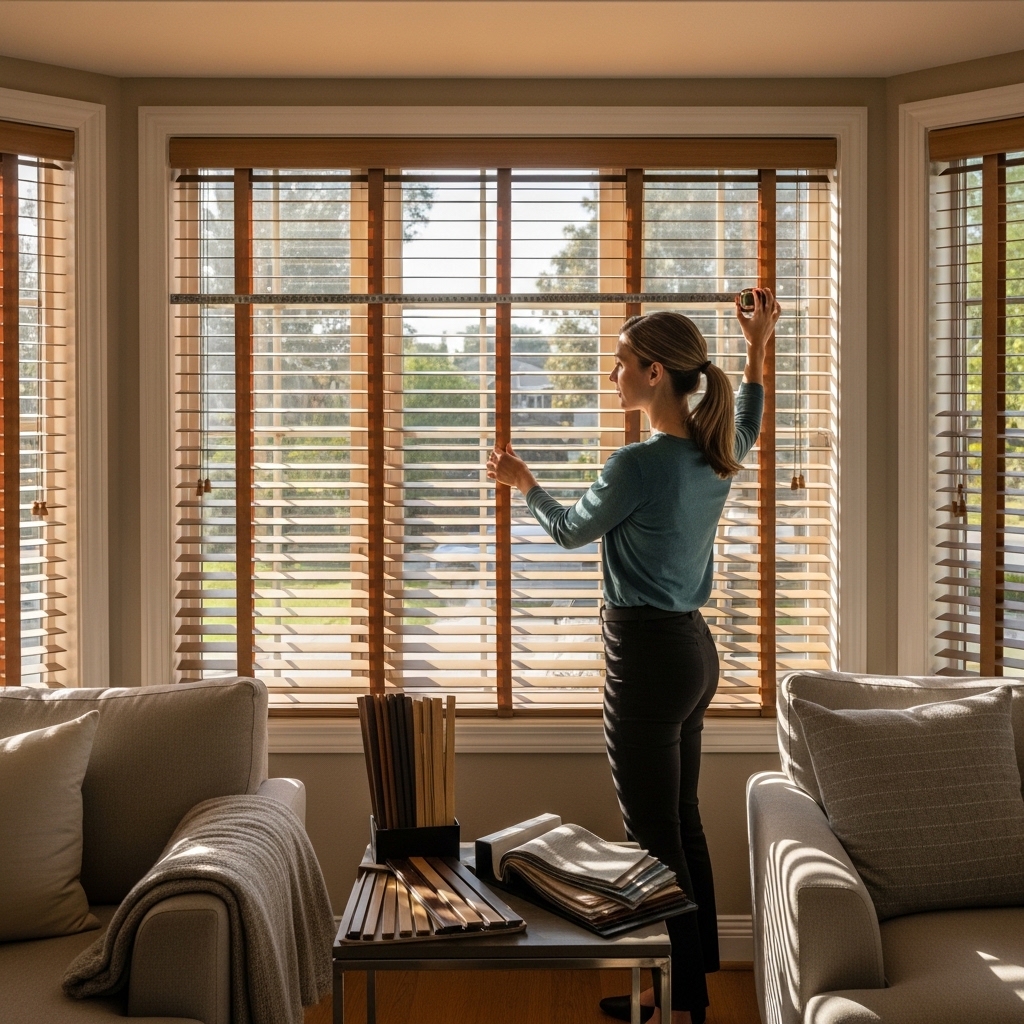
If you are trying to understand what goes into the average investment for wood blinds in Simi Valley, you are not alone. Homeowners from Wood Ranch to Big Sky ask the same questions every season, especially when the light shifts and the afternoon sun pours across our south- and west-facing windows. The short answer is that there are several factors that shape the overall outlay, and they are more nuanced than a single number on a sheet. As a local consultant, I like to walk clients through the elements that matter most—materials, window conditions, design choices, and installation details—so the decision feels confident and tailored to the realities of life along the 118 corridor. If you are just starting your research, browsing a trusted source for wood blinds can help you visualize options and vocabulary before you meet with a professional.
Why Simi Valley’s setting matters when planning your blinds
Living in Simi Valley means balancing bright, clear days, bursts of Santa Ana winds, and cool evenings that settle into the canyons. That microclimate affects how you think about window coverings. Strong, direct sunshine demands reliable light control, while the occasional dusty gust calls for materials and finishes that clean easily and resist minor surface wear. Homes near the hills in Santa Susana or the open stretches toward Tierra Rejada can experience different glare and heat patterns than homes tucked into established neighborhoods closer to Erringer or Tapo Canyon. Understanding these quirks upfront ensures that your selections do more than look good on day one; they continue performing after many summers and a handful of windy weekends.
When we talk about the average range of what you will invest, the context is this local environment. It is not just aesthetics. The right slat size, operating mechanism, and finish can measurably affect how your rooms feel at midday, how your floors age under UV exposure, and how often you have to dust. Good guidance starts with a simple walkthrough at different times of day, deliberately noting how light strikes your glass and where you want control versus view.
The role of material quality and wood species
The biggest driver of your overall spend is the quality of the wood and the way it is engineered. Premium woods are selected for dimensional stability, consistent grain, and the ability to hold finishes that resist fading and micro-scratches. In our climate, stability is important because indoor humidity can swing with seasonal heating and cooling. Well-made slats remain true, minimizing the chance of subtle warping that can create light leaks or rub points over time. Some collections emphasize lighter weight for larger spans, while others prioritize dense grain for a refined, furniture-grade presence. In practice, that means you can match the character of your trim and flooring while choosing a build that suits your window sizes.
Finishes also vary widely, from matte stains that show off texture to smooth paints that complement crisp, contemporary rooms. If you prefer a soft, coastal palette that plays nicely with Simi’s sunwashed afternoons, a painted finish with UV resistance can be a smart direction. If you lean rustic and want to echo the warm tones of nearby hillsides, a hand-rubbed stain might feel right. The finish process itself—how many coats, whether there is a protective sealant—matters for long-term appearance and easy maintenance.
Slat width, privacy features, and the feel of the room
Slat width is another design decision that gently influences what you will invest. Wider slats create a cleaner, plantation-style look with fewer horizontal lines. They also offer stronger view-through when tilted open, which is a favorite in living rooms that face the mountains or yards with mature trees. Narrower slats give more granular light control and can feel classic in smaller spaces. Privacy features, such as routeless designs that eliminate center punch holes, prevent pinpoint light leaks and enhance nighttime privacy. Decorative tapes can add a tailored accent that echoes your upholstery or area rugs. Each choice has a modest effect on the project total, but it’s the cumulative set of decisions—slat width, privacy, tapes, and valance style—that define both the look and the day-to-day performance.
Operating systems contribute as well. Cordless is now the go-to for many families, both for safety and for the clean, uncluttered look. Tilt mechanisms vary, with wand and hidden tilt options for different aesthetics. While motorization is a separate category, even standard manual systems come in tiers of durability and smoothness. When I demonstrate samples, clients are often surprised at how the feel of a lift can change their perception of quality.
Window size, shape, and installation conditions
No two homes have the exact same set of window conditions. A straightforward, square opening with consistent depth is one kind of project. Another might include eyebrow arches near a foyer, a couple of wide living room spans, and a shallow kitchen window over the sink. Inside mount versus outside mount will be determined by depth, trim profile, and whether the frame is perfectly true. Older homes, and even newer ones after a few seasonal shifts, sometimes have slight out-of-plumb conditions. A good installer will measure diagonals, check for bows, and recommend the mounting style that hides imperfections and delivers a tight, polished look.
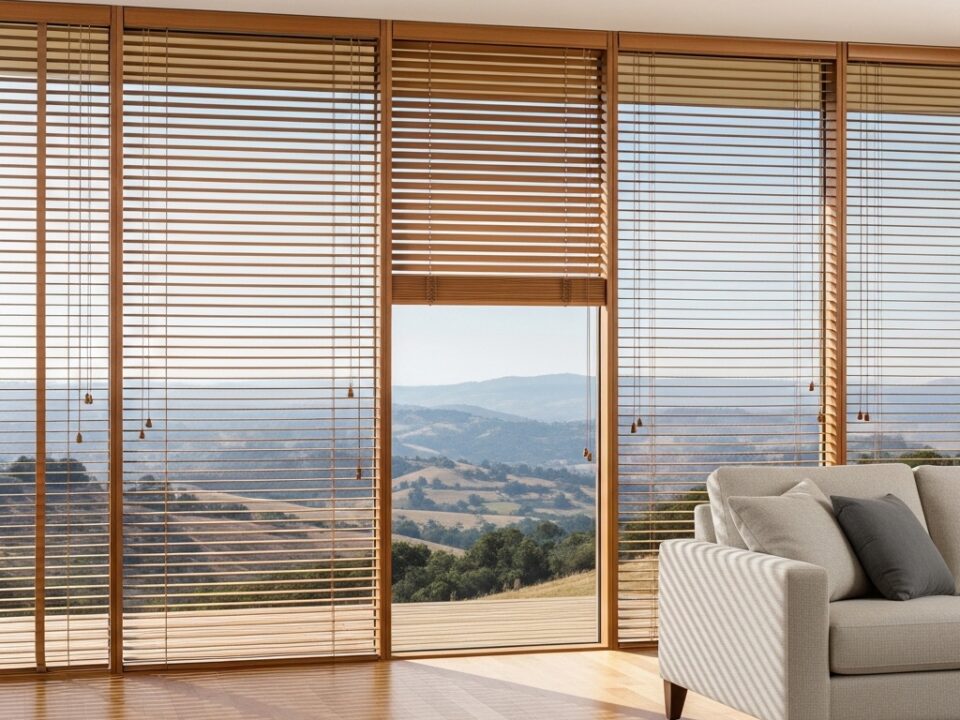
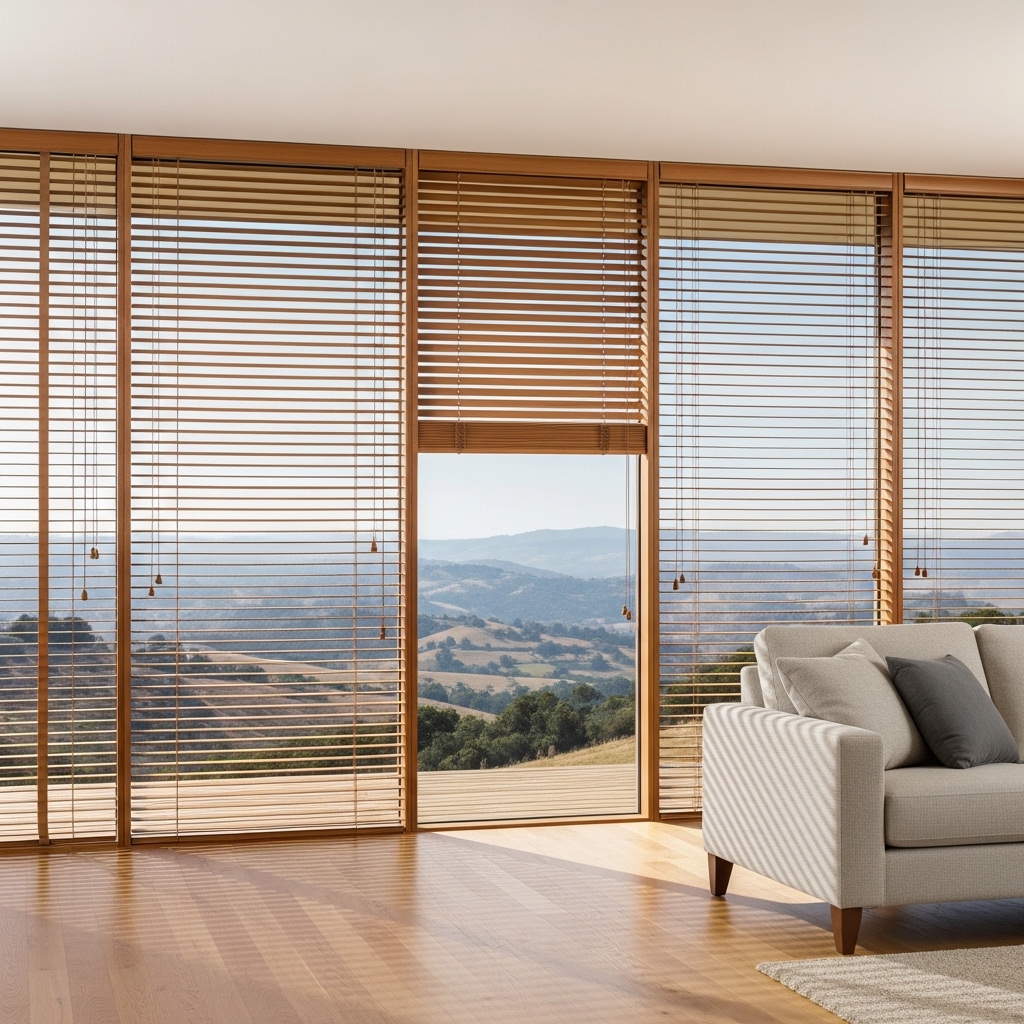
Wide windows deserve special mention. Many Simi Valley great rooms feature large panes to capture views toward the Santa Susanas. Spanning that width with a single headrail is not always the best choice. A three-on-one configuration, where multiple blinds share a continuous valance, distributes weight and reduces bowing while keeping sight lines clean. It also allows independent operation, so you can lower the center section for glare control while keeping the sides open for a view. These small, technical decisions keep the system operating smoothly for years and contribute to where your final investment lands around the local average. Midway through planning, take a moment to revisit visual inspirations for wood blinds so you can compare the look of these configurations before you sign off.
Light, heat, and the way you live
Budget conversations benefit from honest talk about lifestyle. If your living room doubles as a media space, you might prefer a darker finish and a routeless slat to minimize daytime glare on the TV. If mornings are for coffee and sunrise in the breakfast nook, a lighter finish with a wider slat can brighten the space even when tilted. South-facing bedrooms sometimes call for tighter closure for better sleep. These usage patterns prompt nuanced choices that fine-tune your comfort and, as a result, the components you select. In homes with pets or young children, cordless control and durable finishes make daily life easier and cleaner.
The sun in Simi Valley is strong, and hardwood floors, artwork, and cherished furniture can fade if exposed. Thoughtfully angled slats can protect those surfaces without leaving you feeling closed off from the outdoors. Good blinds act like a dimmer switch for daylight, allowing you to sculpt the room’s mood in half turns and small adjustments. That everyday ability to tune light is why many homeowners consider higher-quality blinds a sensible, long-term home improvement rather than a temporary stopgap.
Maintenance and longevity
Quality wood blinds are straightforward to maintain. A soft microfiber duster every week or two along the slats keeps things tidy, and an occasional slightly damp cloth can address fingerprints on the bottom rail. Avoid harsh cleaners that might strip protective coatings. Over time, the advantage of better woods and finishes shows up in how consistently the slats tilt and how well the color stands up to Simi’s sunshine. When weighed against other window treatments, blinds occupy a sweet spot: strong light control, flexible privacy, and a look that can read casual or upscale depending on finish and tape choices.
It is also wise to consider serviceability. Systems that use reliable headrails and well-tested components are easier to maintain if a cord guide or tilt mechanism ever needs attention. Local firms familiar with the brands they sell can source parts and make small adjustments without replacing entire units. That peace of mind has value when you are planning a home update that you expect to enjoy for many years.
Coordination with other rooms and treatments
Another subtle factor is how your blinds will relate to the rest of your home. If you are layering drapery over blinds in a formal dining room, you might choose a slimmer valance or a particular color that tucks neatly behind fabric panels. In kitchens and bathrooms, some homeowners consider a complementary treatment in moisture-prone areas, while keeping wood front and center in living spaces and bedrooms. Maintaining a consistent slat width throughout the home, even if colors vary, can give a cohesive rhythm to your lines of sight as you move from room to room.
On stair landings and hall windows, a lighter finish can keep transitions bright. In a home office, a matte stain may reduce reflectivity on screens. Each space has its own logic, and once a designer understands your daily patterns—kids doing homework at the kitchen island, late afternoon yoga in a back bedroom—recommendations become much more precise. That precision helps align your selections with the overall investment you are comfortable making.
Scheduling, lead times, and what to expect
Most projects follow a simple path: consultation, measure, selection, order, and installation. Lead times ebb and flow with seasonal demand, but planning ahead before summer heat or the busy holiday season is rarely a bad idea. Accurate measurements are the bedrock of a smooth installation day. A professional will check sill level, frame depth, and any obstructions like window cranks, alarm sensors, or handles. On the day itself, the installer will stage tools, protect floors, and move thoughtfully from room to room, testing each blind for smooth lift and precise tilt before packing up. Good communication means you know what to expect, including how to operate each blind and how to register any warranties.
Post-installation, there is a settling-in period where you learn your new daylight routines. You might discover that the living room feels best with slats tilted up in the late afternoon or that the breakfast nook shines with slats tilted down to bounce light toward the ceiling. Adjusting to these patterns is part of the fun, and it reinforces why your earlier choices — from slat width to privacy features — made sense for your home.
When motorization enters the conversation
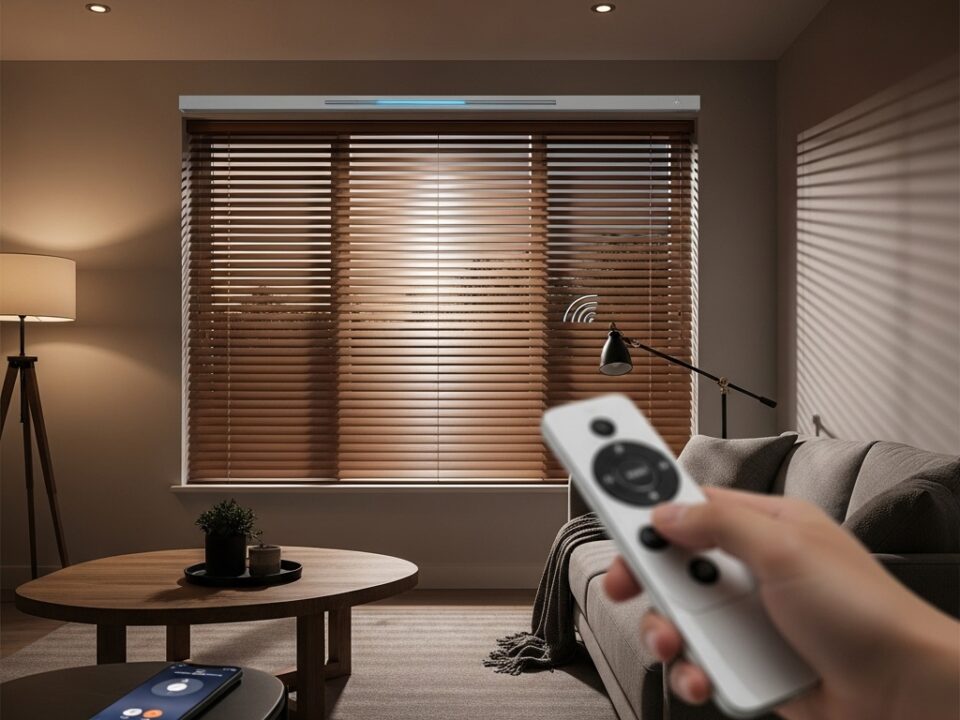
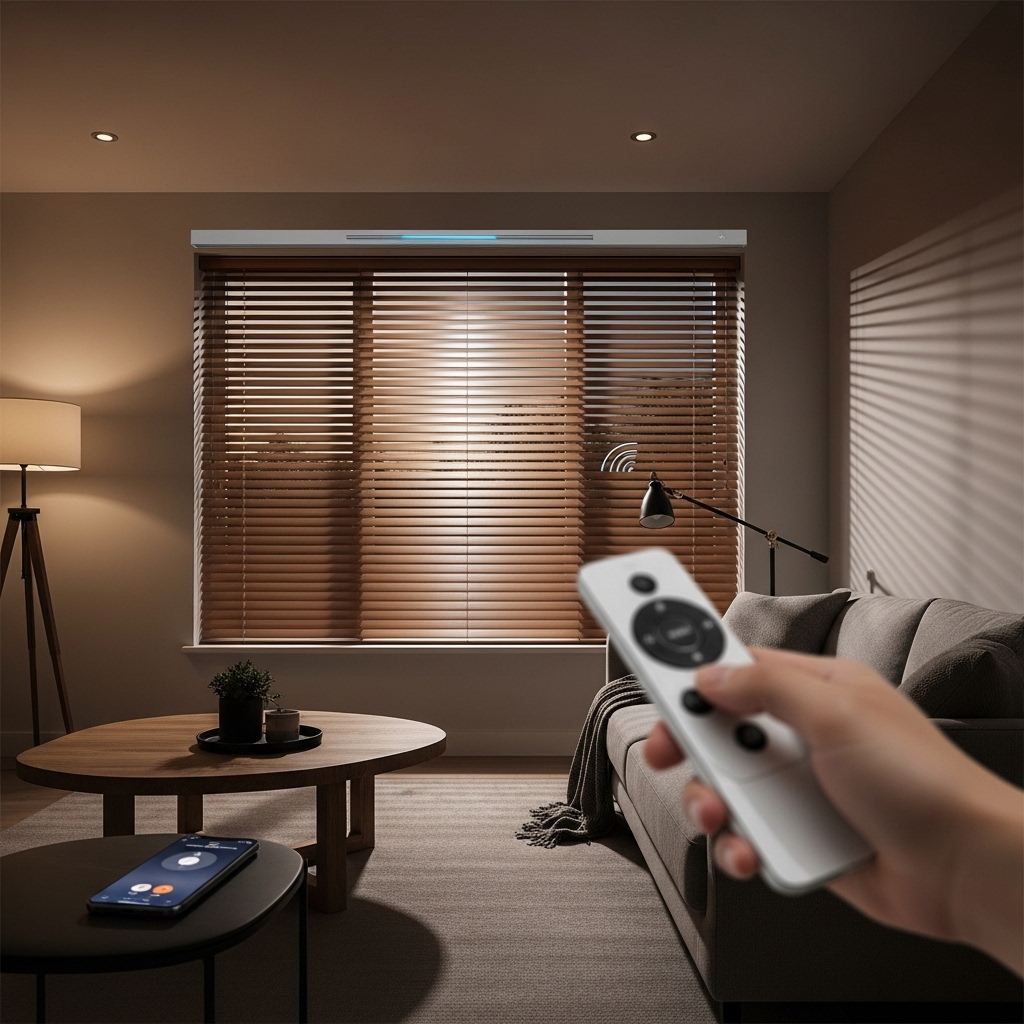
While traditional lift and tilt systems are perfectly at home in Simi Valley, some spaces benefit from motorized tilt, especially for tall or hard-to-reach windows. Bedrooms and home offices can also take advantage of automated schedules that adjust slats for energy and comfort throughout the day. If you are curious, consider a hybrid approach, motorizing just the windows where you will appreciate automation most. That allows you to experience the convenience while keeping the broader project grounded in the tactile simplicity that many people love about wood blinds.
Working with a local professional
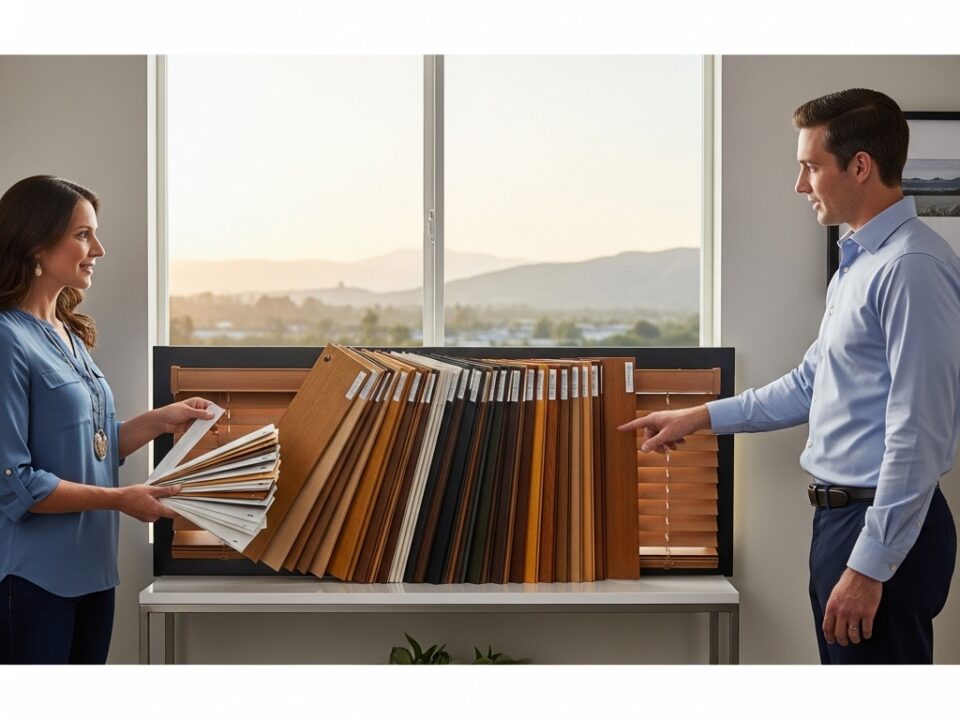
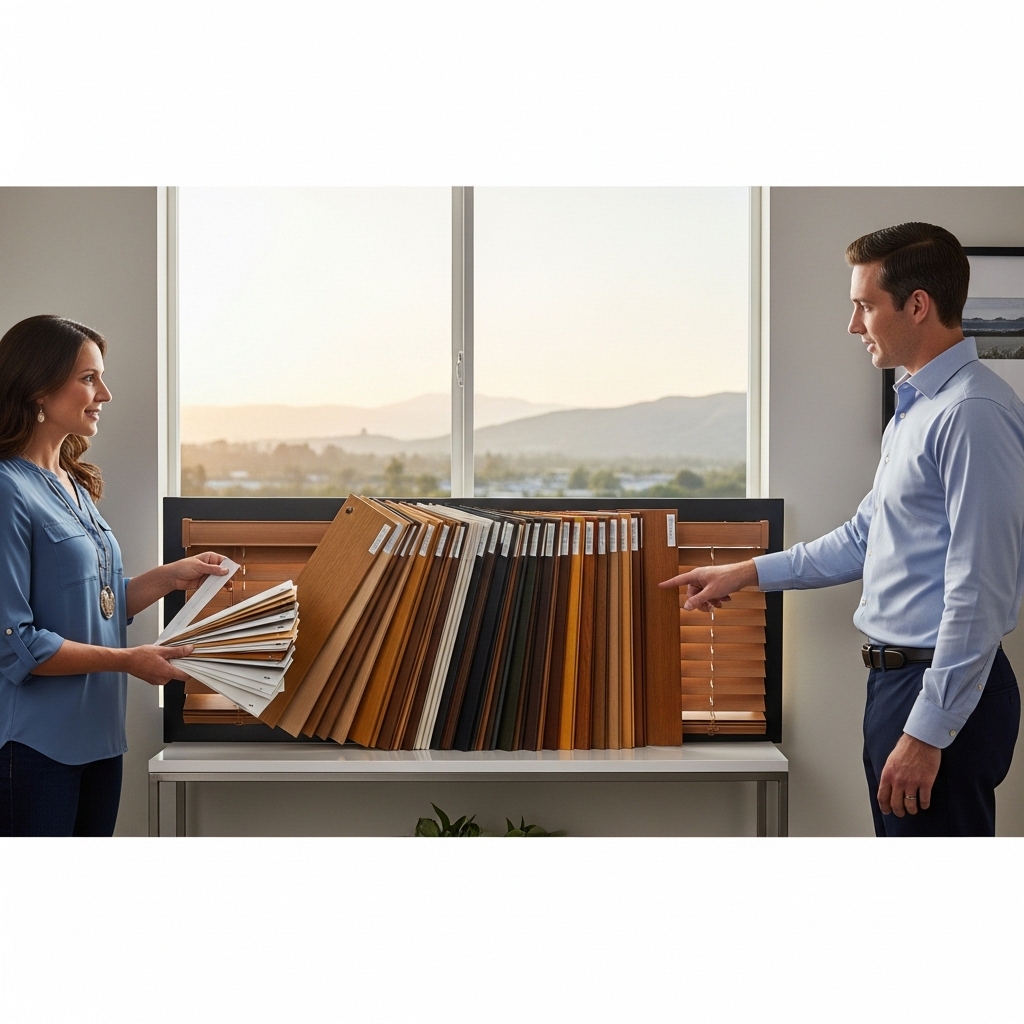
Consultants who live and work in the area understand the way afternoon glare ricochets across our valley and how a coastal breeze can carry dust after a dry spell. They know which headrails hold up best across wider spans and which finishes hide micro-dust until the weekend. A good pro listens before recommending, then shows samples in your light so you can judge color and texture honestly. They also help you weigh the small decisions—valance returns, wand versus hidden tilt, tape color—that create a finished result you are proud to show guests.
Before you finalize, revisit inspiration images and note which details you respond to consistently. Do you love the generous view-through of wider slats, or do you keep bookmarking narrow-slat rooms with a refined, traditional vibe? Do you gravitate toward clean, cordless lines, or do you prefer a visible wand that feels classic? These answers guide the last steps and make the final appointment efficient and enjoyable. If you want a quick refresher on styles and features, it can help to browse a curated page of wood blinds while you evaluate your shortlist.
How to think about value over time
It is natural to focus on the upfront outlay, but the everyday experience of living with your choice is just as important. A blind that tilts smoothly, closes evenly, and feels solid in the hand becomes part of your home’s rhythm. It protects furnishings, tempers heat, and frames views with a quiet, consistent elegance. When you distribute your resources toward quality where you will feel it most—large, sunny rooms you use daily—you get a high return in comfort and satisfaction. And because wood blinds have a timeless presence, they continue to complement your style even as your furniture and paint colors evolve.
What questions to bring to your consultation
Bring a few photos of each room at the times of day when light is most challenging. Note any special use cases, like a toddler’s nap schedule, a weekend media routine, or a piano that you want to shield from UV. Ask to compare slat widths in your actual window, not just against a showroom wall. Confirm how the valance will meet your casing and whether outside mount might harmonize better with your trim. Clarify the maintenance routine for your chosen finish. Finally, make sure you understand how the blinds will be supported over wider openings and what options exist if your frames are slightly out of square. These specifics separate a merely adequate project from an exceptional one.
Frequently asked questions
Are wood blinds a good choice for Simi Valley’s sunny climate?
Yes. Quality, well-finished wood blinds handle our bright days with ease, especially when paired with UV-resistant finishes. They offer flexible control, allowing you to angle slats to protect floors and furnishings while still enjoying daylight and views. The key is selecting stable woods and finishes that are meant for strong light exposure.
How do I keep wood blinds clean with the dust we sometimes get?
A weekly pass with a soft duster is typically enough, with the occasional slightly damp cloth for rails or stubborn spots. Choosing a finish with a subtle texture or low sheen can make minor dust less noticeable between cleanings, which is appreciated during Santa Ana periods.
Can wide living room windows support wood blinds without sagging?
They can, provided the configuration is planned well. Options like multiple blinds on a shared headrail and properly placed center supports keep everything aligned and easy to operate. A seasoned installer will match the support plan to your exact window width and depth.
Should I consider cordless operation?
For many families, cordless is the preferred choice for both safety and aesthetics. It creates a clean silhouette with no dangling cords and works smoothly when matched to the correct blind size and weight.
What if my window frames are out of square?
Slight irregularities are common. Your consultant will check diagonals and reveal lines, then recommend inside or outside mount and any small adjustments to deliver a balanced look. Professional measurement is especially important when frames are imperfect.
Can wood blinds be layered with drapery?
Absolutely. Many homeowners use drapery to soften a room or introduce pattern while relying on blinds for everyday light control. Coordinating valance size and color ensures the two treatments look integrated rather than competing.
If you are ready to see how these ideas translate to your own rooms—from a bright kitchen near the west side to a tranquil main bedroom overlooking the hills—reach out to a local specialist who can measure, mock up, and guide you through samples in your actual light. A short visit is often all it takes to map a plan that feels right and installs smoothly. When you are set to take the next step, explore your options and set up a friendly conversation about wood blinds so your project starts confidently and finishes beautifully.