

Energy Efficient Aluminum Blinds Benefits in Simi Valley California
January 5, 2026
Aluminum Blinds Maintenance for Simi Valley California Homes
January 12, 2026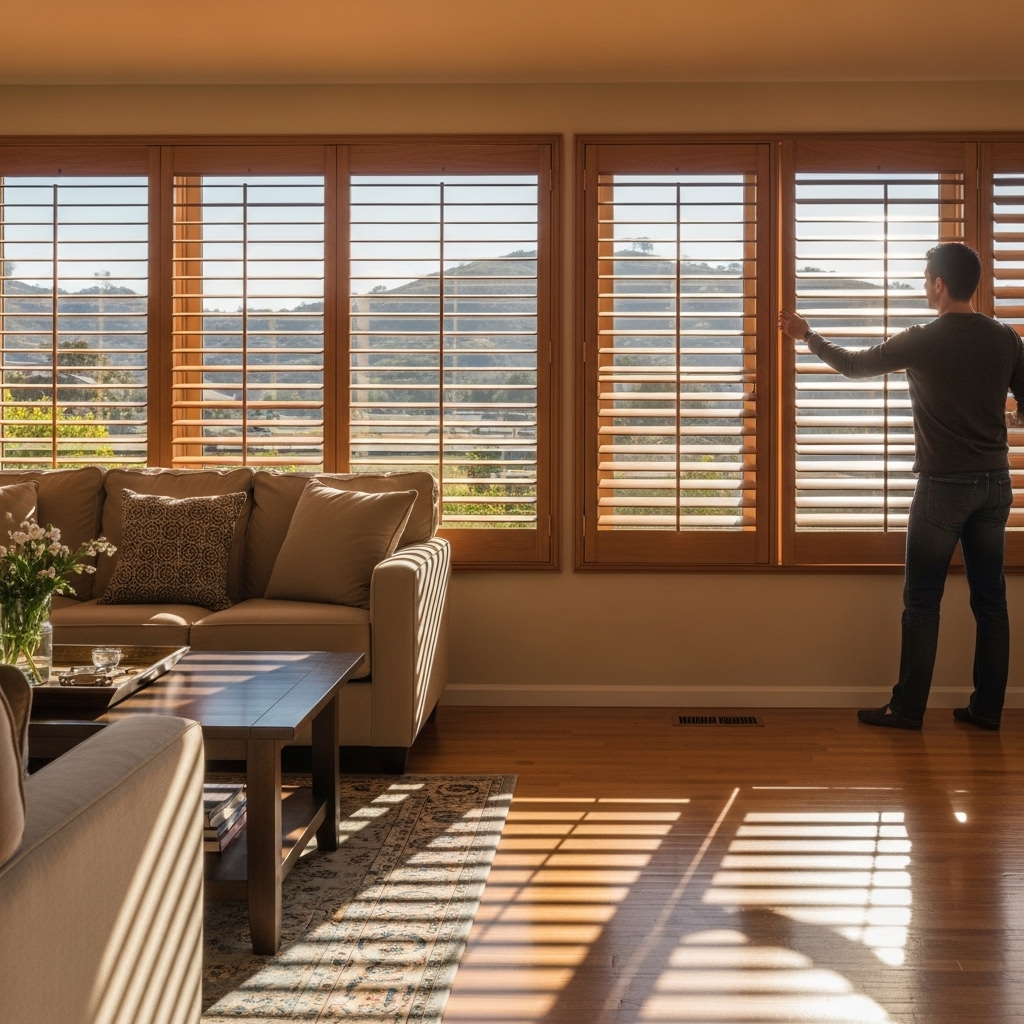
Ask anyone who has lived through a Simi Valley summer and they will tell you: when the afternoon sun settles over the hills and radiates through west-facing windows, indoor temperatures can climb quickly. The right window treatment becomes less about décor and more about daily comfort. That is why homeowners across our neighborhoods—from Big Sky and Wood Ranch to the quiet cul-de-sacs off Cochran—are turning to real wood shutters designed specifically for their homes. When crafted and fitted properly, they create a tangible buffer between your living spaces and the extremes outside. It is one of those upgrades you both feel and see, day after day. From a local perspective, investing in thoughtfully designed custom shutters is about harnessing the strengths of our climate while minimizing its challenges, all without sacrificing the character of your home.
What makes our region unique is the combination of bright, generous sunshine, cool evenings, and occasional Santa Ana winds that turn a pleasant day into a hot gusty one. That swing from afternoon heat to overnight chill means window treatments must perform in two directions—resisting heat gain during the day and preserving indoor warmth once the sun sets. Wood shutters, when built with quality materials and installed with precision, do both naturally. They form a still air pocket near the glass, reduce glare, and give you real-time control over light and airflow, so you can tune each room to the hour and the season.
A Simi Valley approach to energy-smart windows
Energy talk often becomes abstract—R-values, conduction, convective loops—but in practice it is about how your family experiences space. Walk into a room with sun-struck windows and you feel it instantly at your skin. Interior wood shutters address that sensation by creating a barrier to radiant heat and by interrupting warm air that would otherwise stream across the glass and into the room. Close the louvers mid-afternoon on a blazing day and you immediately cut the harshness; tip them slightly upward and you still enjoy daylight, but you prevent the beam of heat from striking floors and furniture.
By evening, when temperatures dip, those same panels become an insulating layer. The air gap between the wood and the glass slows heat loss, and the frame reduces the drafts that sneak through older window assemblies. In a region where some homes have original aluminum sliders while others have newer vinyl or fiberglass frames, shutters can even out the performance difference room by room, bringing an older bedroom closer to the comfort of a newly renovated living area.
How wood shutters block heat and preserve comfort
Wood is a natural insulator. Its cellular structure contains millions of tiny air pockets that resist heat transfer. When fashioned into shutters with well-fitted stiles, rails, and louvers, that innate property becomes a functional shield. The thickness of the louvers, the snugness of the tilt mechanism, and the exactness of the frame all contribute to how well the system manages energy. With an inside-mount frame that sits tight to the jamb, light bleed is minimized and the still air pocket remains undisturbed. Add the ability to feather the louver angle, and you fine-tune the radiant load, something a fixed film or exterior screen cannot do from inside the room.
There is also the matter of glare and surface heating. The sun that makes Simi Valley so pleasant outdoors can make interiors work harder. Floors, counters, and fabrics absorb energy and re-radiate it back into the room. Wood shutters stop this chain reaction at the source by preventing direct sun from striking those surfaces in the first place. Over time, that means not simply a cooler room, but also less fading of hardwood floors, fewer UV-stressed textiles, and finishes that maintain their color.
Materials and craft: why real wood matters
When you hold a well-made wood shutter panel, you notice the balance between stiffness and lightness. Species like basswood, poplar, or other stable hardwoods are chosen not only for beauty, but for dimensional stability in shifting humidity. In our valley, where mornings can be dry and breezy and fall months bring bursts of wind, that stability keeps panels straight and louvers true. High-quality joinery with engineered stiles resists warping, while seamless louvers rotate smoothly without racking. Finishes matter, too. UV-tough paints and stains, applied in controlled coats and baked or cured to the substrate, protect the wood and maintain a clean surface that wipes down without effort.
Grain and color choices are part of the pleasure. A rich stain over tight-grained wood can echo a craftsman door or built-in cabinet, while a crisp white paint amplifies daylight and pairs well with the stucco-and-tile character of many Simi Valley homes. Because shutters become architectural, the finish must feel permanent—less like a temporary window covering and more like millwork that belongs to the house. That permanence is why they contribute to home value and pride of ownership over decades.
Fit, sealing, and professional installation
You can buy many things off the shelf; shutters should not be one of them. Windows are rarely perfect rectangles, and even new construction has slight variations. Older ranch homes often reveal sills that lean or jambs that twist out by a degree, and those small shifts show up dramatically when a panel tries to close against a crooked opening. Precise measurement corrects for these conditions with a frame that squares the visual lines and brings the panels into perfect alignment.
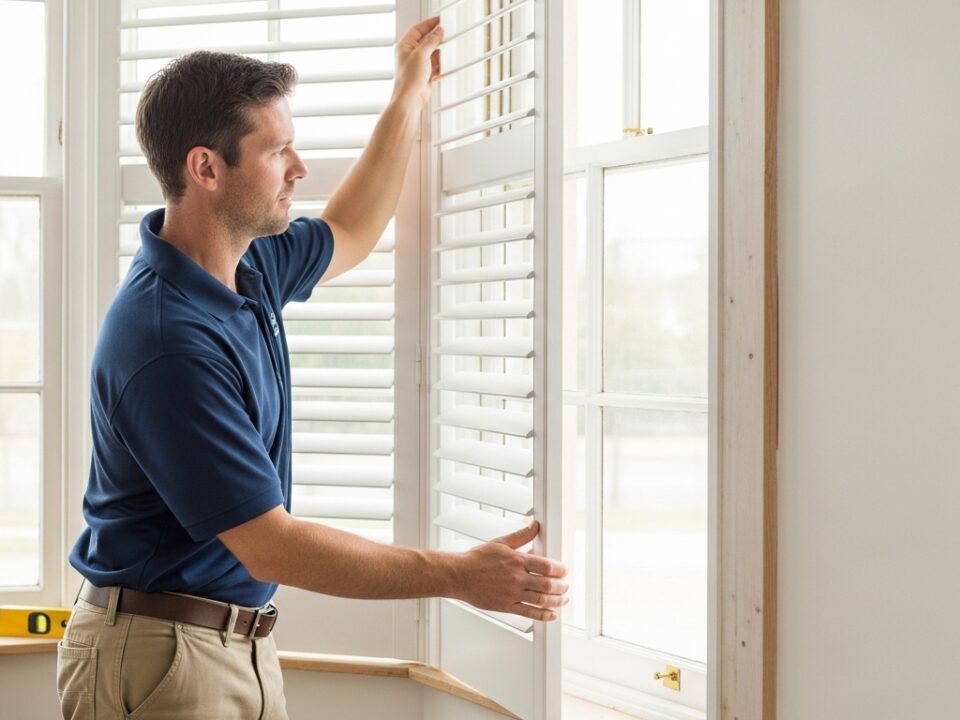
During installation, the frame is shimmed carefully so it lies true in the opening, and fasteners seat into solid structure. A thin, neat line of caulk where frame meets wall prevents micro-drafts and eliminates the light halo that would otherwise outline the shutter at night. Magnetic catches or high-quality closure hardware draw panels gently but firmly into position without the rattle that can come on windy days. The result feels like a built-in component of the window, not an accessory sitting in front of it.
Sun angles, louver strategy, and seasonal tuning
Orientation matters as much as material. East-facing windows need a different approach than west-facing sliders that stare down the hot part of the day. In kitchens and family rooms along the south and west elevations, larger louvers give you the ability to block harsh angles while maintaining a view. Tilt them upward during summer afternoons to bounce light off the ceiling while shielding surfaces. In bedrooms, smaller louvers deliver a denser, more restful look and can dim the space for sleep while permitting the faintest draft when the evening breeze picks up.
Seasonal tuning is where shutters shine. In winter, open louvers wide mid-morning to harvest passive solar warmth, then close them before dusk to trap that comfort inside. In summer, narrow the opening when sunlight is direct, then open in the evening to flush the room with fresher air. Over time, these habits become second nature, and the rhythm aligns with local weather patterns you already know by heart.
Design harmony with Simi Valley architecture
Because our neighborhoods mix Spanish Revival influences with mid-century lines and newer Mediterranean hybrids, shutters act as a bridge across styles. A simple, square-edged frame with a hidden tilt rod matches contemporary interiors and keeps sightlines clear across open-plan spaces. Traditional tilt rods and beveled frames complement arched doorways and classic molding. French doors and sidelights benefit from narrow-panel solutions that swing cleanly without interfering with handles or furniture. For bay windows, a faceted frame highlights the geometry and emphasizes the view while giving you full control over each facet’s light.
When clients ask whether shutters will feel heavy or block their beloved views toward the ridgelines, the answer comes down to louver size and proportion. An appropriately scaled louver, set within panels that align with your mullions, preserves the architecture. When opened fully, the panels fold neatly back, clearing the glass. When closed, they read as part of the trim, reinforcing the window’s stature rather than competing with it.
Selecting options that elevate performance
The beauty of a custom approach is how it blends form and function. Mid-summer, you might appreciate a split tilt or divider rail that allows lower louvers to close for privacy and glare control while upper louvers wash the room with daylight. Hidden tilt options reduce visual noise and are simple to clean. For windows that meet winter condensation now and then, a slightly higher-mounted frame keeps wood out of the occasional moisture zone while maintaining coverage. On high windows or stairwells, an unobtrusive control wand or motor-assist can position louvers precisely without reaching.
Midway through a project, many homeowners realize that well-fitted shutter frames also tidy up window conditions—masking slight drywall inconsistencies and reinforcing a crisp reveal. The effect is subtle but room-defining. When that frame partners with elegant louvers, the visual quietness returns, even as afternoon sun intensifies, because the light is filtered and softened rather than blasting across the room. In this balance of aesthetics and utility, well-chosen custom shutters become a daily tool for comfort management rather than just a decorative flourish.
Durability, care, and local conditions
Daily life brings dust, pollen, and the occasional smudge from curious hands or a pet’s nose. Wood shutters meet this reality with finishes that clean easily using a soft cloth, a lightly dampened microfiber towel, or a gentle wood-safe cleaner. Because the surfaces are rigid and smooth, there are no folds to trap particles, and a quick pass restores a just-installed look. In our drier months, a stable interior humidity level benefits all woodwork in the home, from floors to cabinets, and shutters are no exception. Keeping the indoor environment steady helps louvers move with consistent smoothness and preserves crisp alignments.
Hardware is the quiet hero. Quality hinges sit flush, operate silently, and resist tarnishing. Magnets hold panels true without slamming. If you have young children, consider tilt options that remove cords entirely from the equation and keep operation intuitive and safe. Over years of opening and closing, the tactile pleasure of solid hardware becomes part of your routine—much like a well-made door handle you enjoy every time you pass through.
Sustainability and indoor air quality
There is a satisfying sustainability angle to real wood shutters. Wood stores carbon for the life of the product, and when sourced responsibly and finished with modern, low-VOC coatings, it supports better indoor air quality. Because shutters last for decades when cared for, they avoid the replacement cycle that sends lesser products to the landfill every few years. Combine that longevity with day-to-day energy moderation, and you have a simple, elegant way to reduce your home’s footprint while improving your comfort.
Room-by-room comfort gains
In living rooms, where seating often faces windows, shutters let you modulate glare on screens without plunging the space into darkness. You can watch a late-afternoon game or enjoy a movie while maintaining a connection to outside light. In kitchens, heat management is key; louvers can be angled to keep prep counters cool while allowing steam and cooking odors to move toward an open window. Bedrooms benefit from the quiet darkness shutters provide at night, and in the morning, you can open them just enough to let in gentle light without disturbing sleep.
Home offices, common in Simi Valley given flexible schedules and commutes, demand even more control. A quick tilt prevents sun stripes across your monitor, while a small opening keeps fresh air circulating. For sliding doors, bi-fold or bypass shutter configurations maintain passage while still taming heat and brightness. The net effect across the home is a smoother comfort curve—fewer spikes of heat or cold, fewer moments of glare-induced squinting, and greater enjoyment of the spaces you worked so hard to create.
What about other window treatments?
Roller shades, draperies, and cellular treatments all have roles to play, and many homes combine them. The difference with wood shutters is the blend of energy moderation, daylight control, and lasting architecture. Shades may insulate well but cannot shape light in the same way. Draperies add softness but require space and can harbor dust. Shutters offer a permanent, wipe-clean surface that is always ready for the next weather swing. In rooms where a layered approach makes sense, a discreet shade can live behind a shutter to provide occasional blackout capability, while the shutter does the daily heavy lifting for light and temperature.
Addressing common concerns
Some homeowners worry that shutters will darken their interiors. In practice, the right louver size and a light finish reflect daylight deeper into the room, often making it feel brighter. Others wonder about views; folding panels back clears glass, and careful layout aligns stiles with existing mullions to preserve sightlines. Where space is limited, a fixed-frame with operable louvers provides the benefits without the swing clearance of full panels. Each home’s quirks can be addressed with custom solutions that respect how you live.
Why local expertise matters
Knowing our winds, our sun paths, and our architectural details matters. Local specialists bring an eye for Simi Valley’s nuances—where heat gathers on a hillside lot, how an afternoon glare moves across a great room, or why a particular frame profile better suits a stucco return. That insight turns a nice product into a smart home improvement, tailored to the neighborhood and the people who live there. It also ensures that warranties, service, and support come from nearby professionals who know your home, not a call center an ocean away.
Why choose wood over synthetic?
Synthetics have their place, especially in high-moisture zones, but real wood provides a warmth and stiffness that reads as authentic architecture. It holds paint beautifully, can be repaired and refinished if life happens, and ages gracefully. In living areas and bedrooms where comfort and aesthetics meet, wood simply feels right. It resonates with the doors, trim, and built-ins that define a home’s interior. And in our climate, with its relatively low humidity, properly finished wood performs exceptionally well year-round.
How to prepare for your project
Start by walking your home at different times of day. Note where glare makes you shift seats, which rooms feel hottest, and where you wish for privacy without losing the sky. Those observations become the blueprint for a shutter plan. A professional will measure each opening, evaluate reveals and obstructions, and guide you through frame profiles, louver sizes, tilt options, and finishes that respect your style. Once the details are set, fabrication proceeds panel by panel, and installation day becomes a satisfying transformation as light, privacy, and comfort come under your control.
Why are wood shutters effective for energy savings in Simi Valley?
They combine wood’s natural insulating properties with a sealed frame and adjustable louvers, creating a still air pocket near the glass that slows heat transfer. In our sunny, often breezy climate, this reduces heat gain during the day and helps retain warmth at night, smoothing temperature swings that would otherwise tax your comfort.
Do shutters work with double-pane or older single-pane windows?
Yes. With newer windows, shutters add a controllable layer that fine-tunes comfort and glare. With older windows, they offer a significant upgrade by moderating drafts and surface temperatures. In both cases, the result is a more comfortable room and a more usable window day to day.
Will shutters make my rooms too dark?
Not when designed thoughtfully. Louvers can be sized and angled to reflect daylight deeper into the room while blocking direct beams. A lighter finish increases reflectivity, and split operation allows you to close lower louvers for privacy while keeping the top open for daylight.
How do wood shutters handle the Santa Ana winds?
Because they are installed inside and anchored to a sturdy frame, the panels remain stable even when gusts rattle exterior windows and doors. Quality hardware and precise fit prevent vibration, and the shutters reduce drafts that sometimes accompany those windy days.
What maintenance do they require?
Routine care is simple: occasional dusting and a light wipe with a microfiber cloth. High-quality finishes resist UV and fingerprints, and hinges and magnets operate quietly for years. If a panel ever needs adjustment, local professionals can tune hardware quickly.
Can I combine shutters with other window treatments?
Absolutely. Many homes pair shutters with a discreet roller shade for occasional blackout or with drapery panels for softness. Day to day, the shutter carries the load for energy moderation and light control, while the secondary treatment is there for special circumstances.
Are wood shutters suitable for bathrooms or kitchens?
They perform well in most kitchens, especially near seating and prep areas away from direct splash. For high-humidity baths or shower-adjacent windows, your consultant may suggest moisture-tolerant alternatives in the same style. The goal is a cohesive look with materials chosen for each room’s conditions.
Ready to make your home more comfortable?
If you are picturing quieter light, steadier temperatures, and a more relaxed daily rhythm, now is a good time to explore a custom plan tailored to your windows and the way you live. Talk with a local specialist who understands Simi Valley’s sun angles, breezes, and architectural character, and you will feel the difference with the very first afternoon.
When you are ready to take the next step, schedule a conversation about design, finishes, and installation timing that fit your home. You will see how thoughtfully designed custom shutters can transform each room into a calm, efficient, and beautiful space—season after season.