
Custom Window Shutters Near Me In Simi Valley CA
April 24, 2026
Blinds Installed In Simi Valley California The Window Blind Connection
May 8, 2026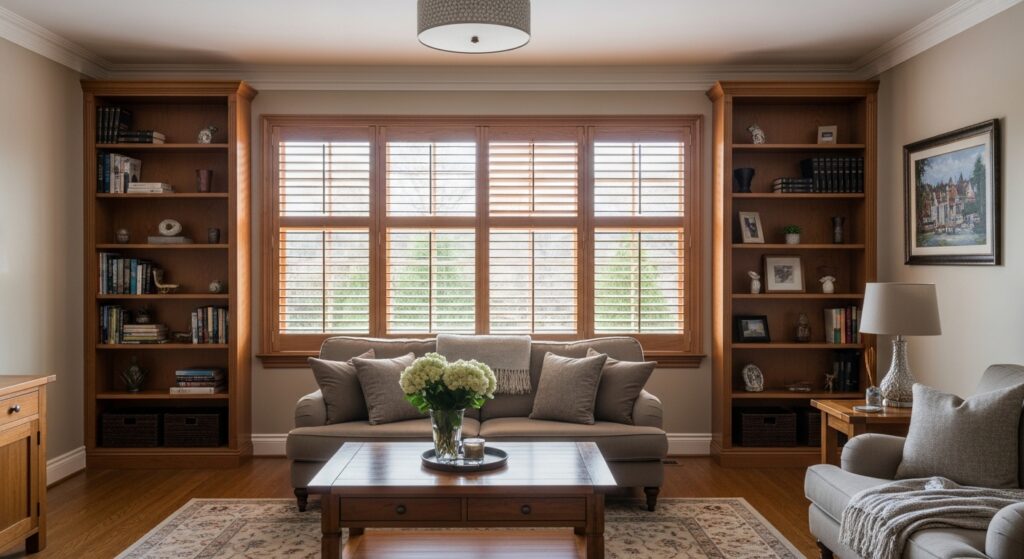
When homeowners in Simi Valley start planning for custom shutters, the first questions often revolve around what shapes the overall investment and how to make smart, long-term choices. It is natural to be curious about what influences the bottom line, but the most helpful approach is to step back and understand the elements that define the product and the installation. Quality shutters are crafted pieces of interior architecture—precisely measured, carefully milled, finished to endure daily light and touch, and fitted so they move smoothly for years. The factors that influence your outlay are ultimately the same ones that define performance, appearance, and longevity. As a local specialist, I like to explain each consideration in plain terms so you can prioritize what matters most for your home and lifestyle.
Before you compare quotes, it can be empowering to see how design decisions ripple through the process. Choosing materials, louver sizes, frame profiles, panel configurations, finishes, and specialty shapes all play a role. So does installation complexity, existing window conditions, and the way your family uses each room. Bringing these threads together clarifies why one solution might be a better fit—even when two options look similar at first glance. As you explore, consider reputable, purpose-made custom shutters designed to balance durability with design; matching product quality with your priorities is the surest path to lasting satisfaction.
Material selection and performance
Material is one of the biggest drivers of value and experience. Premium hardwoods are light in the hand, beautifully detailed, and can be stained to showcase natural grain. They bring a furniture-grade presence that many homeowners love in living rooms and primary bedrooms. Advanced composite materials are engineered for resilience in high-sun or moisture-prone spaces, such as bathrooms or south-facing windows that catch strong afternoon light. In Simi Valley’s bright, dry climate, many homeowners mix materials strategically: wood where warmth and detail matter most, composites where the environment is more demanding. The material you select influences finish options, panel weight, and how the shutters will feel in daily use.
Window size, shape, and complexity
Every opening tells a story. Standard rectangles are straightforward, while arches, angled windows, French doors, and expansive sliders require additional design and fabrication. Arched tops may call for specialized louvers that follow a curve, and sliders often favor bypass panel systems that glide on tracks. Each specialty shape involves precise measurement and fitting, and that intricacy is reflected in the overall project scope. Larger spans may also require more panels to maintain comfortable swing widths and smooth operation, which influences the amount of material and hardware involved.
Louver size and sightlines
Louver size changes both the look and the function of your shutters. Wider louvers preserve more of the view between slats and feel airy and contemporary, a great match for taller ceilings and broad windows. More compact louvers add a traditional rhythm and can be right for cozier rooms. Choosing the appropriate size for each room ensures your shutters feel proportional and supportive of how you use the space. Consistency across connected rooms often heightens the sense of calm and continuity in your floor plan.
Panel configuration and divider rails
Panel count and the placement of divider rails influence the user experience. On wide windows, dividing panels evenly keeps each leaf easy to move and offers visual balance. Divider rails can add structure and allow the upper and lower louvers to tilt independently, which helps you balance daylight with privacy on street-facing elevations. These design choices affect both materials and labor. A thoughtful configuration ensures your shutters are not just attractive but also naturally easy to live with.
Frames and mounting methods
Frame style and mounting choice—inside mount versus outside mount—shape both the look and the installation requirements. Inside mounts deliver a clean, integrated appearance, sitting within the recess. Outside mounts can correct irregular openings and add presence when trim is minimal. The profile you choose should complement your casing and the overall style of your home. Because Simi Valley homes span multiple eras of construction, walls and windows may vary slightly from square; careful framing and shimming ensure panels hang true and close snugly.
Finish selection
Paints and stains are more than surface color; they are protective layers built to withstand light and touch. Painted whites and soft neutrals keep rooms bright and coordinate easily with trim. Stains reveal grain and add warmth, grounding the space. The right finish should be reviewed in your actual light at different times of day, as our local sun shifts the character of colors throughout the afternoon. Multi-step finishing processes and color matching add craftsmanship and endurance, and they influence the overall scope of work.
Hardware and tilt mechanisms
Quality hinges, magnets, and tilt systems contribute to long-term reliability. Traditional center tilt rods read classic and familiar; hidden tilt mechanisms streamline sightlines and suit modern interiors. The choice is subjective, but the components should feel solid and move smoothly every day. Hardware selection must also address special conditions—such as French door handle clearances or slider track systems—so operation remains elegant and effortless.
Installation conditions and access
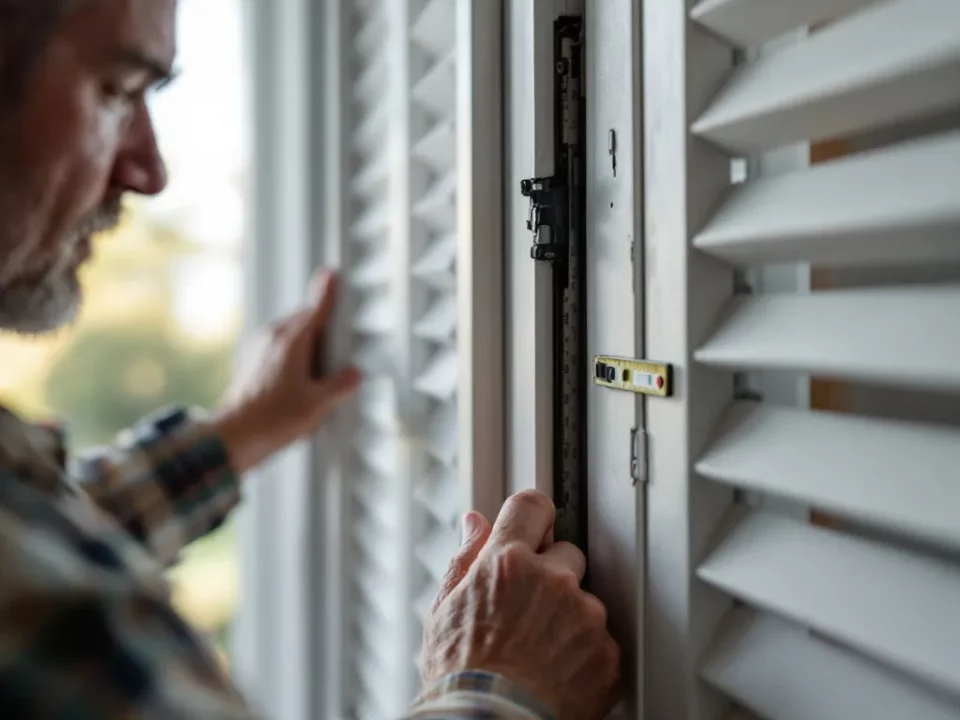
The condition of your existing windows affects installation. Out-of-square openings, deep sills, or protruding hardware can be accommodated with the right frame choice and a skilled installer’s touch. Access matters too—tall windows may require ladders or staging, and tight corners can demand creative approaches to panel swing and frame assembly. An experienced local installer anticipates these realities and designs solutions that both respect your architecture and ensure lasting function.
Mixing rooms and materials strategically
A common approach in Simi Valley homes is to prioritize main living areas and bedrooms with premium finishes and materials, then specify robust, climate-ready options for bathrooms, laundry rooms, and high-sun exposures. This kind of tailoring keeps the overall project aligned with how your family uses each space. By maintaining consistent louver sizes and frame profiles, you preserve a unified look while adapting materials to the needs of each room.
Light, privacy, and energy moderation
Another way to think about overall value is by considering the daily advantages shutters provide. In strong afternoon light, a gentle tilt reduces glare without closing you off from the outside. In the morning, angling louvers upward bounces brightness across the ceiling, filling a room with even, indirect light. Closed panels add a helpful barrier between glass and interior, which supports a more temperate home through the warm season and cozier evenings when temperatures dip. These are benefits you feel every day, long after installation.
Specialty scenarios: arches, bays, and sliders
Arches require shaped components that follow curves gracefully, with louvers arranged to complement the geometry. Bay and bow windows invite thoughtful panel divisions that respect angles while keeping movement natural. Sliding doors often favor a bypass shutter system, which layers panels neatly and maintains good traffic flow to patios and pools. Each of these situations involves additional design consideration and meticulous fabrication that a seasoned team handles with care.
Maintenance and longevity considerations
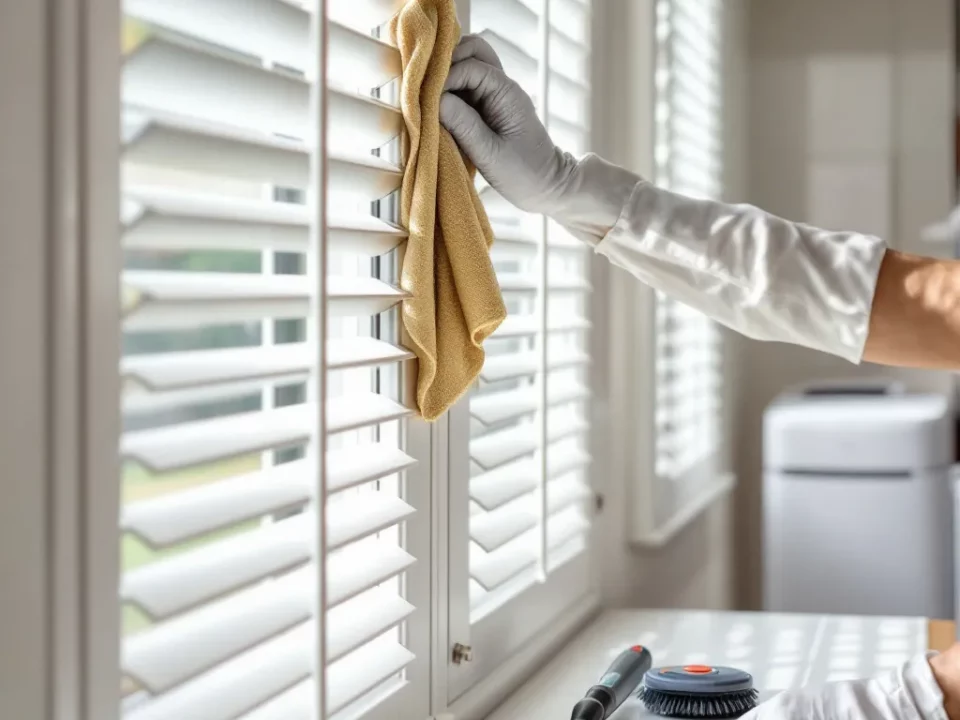
Shutters are designed for daily use with minimal upkeep. Regular dusting and an occasional wipe keep finishes fresh. Well-made products include coatings that resist UV fade and everyday wear, and solid joinery that preserves alignment over time. Because there are no cords, the look remains tidy and safe. Thinking about longevity means looking beyond the initial install, focusing on how your shutters will feel and function through seasons of sunlit afternoons and breezy evenings.
Local insight: Simi Valley’s light and lifestyle
Our community’s homes sit among rolling hills that give us both spectacular light and unique exposures. A street that basks in afternoon sun may be a short turn from one that sits in softer light throughout the day. Understanding these micro-conditions lets you fine-tune louver sizes, finishes, and panel configurations so your shutters work with the light rather than against it. For example, west-facing living rooms benefit from wider louvers that temper glare while preserving views to sunsets behind the ridgeline.
Design cohesion across the home
When planning multiple rooms, consistency is your ally. Carrying the same louver size across connected spaces gently unifies your interior. You can introduce variety through finish—painted whites in open-plan living areas, perhaps a stained set in an office for warmth—while keeping the visual rhythm steady. Panel divisions that echo window mullions or architectural lines add to that sense of thoughtful design.
Working with a local specialist
Clarity and communication define a good experience. A thorough consultation covers precise measurements, window operation, finish sampling in your actual light, and a review of panel counts, frame profiles, and tilt mechanisms. You should understand why each recommendation is made and how it supports your goals. On installation day, careful protection of floors, clean work habits, and meticulous adjustments ensure shutters fit like they were always meant to be there.
Making confident decisions
When you evaluate options, focus on what you will live with daily: how the louvers feel to the touch, how easily panels open and close, how the finish pairs with your trim and flooring, and how the shutters shape light at different times of day. Those experiences outlast trend cycles and prove their worth again and again. Review well-engineered custom shutters that balance quality materials with sound design, and you will find it easier to map your priorities to a solution that serves you well for years.
What factors most influence the overall investment?
Material selection, window size and shape, louver width, panel count, frame type, finish complexity, specialty configurations for doors or arches, and the conditions present at your windows all play a role. Together, they define the scope of fabrication and installation required to achieve the look and performance you want.
Is real wood worth it compared to composite materials?
Both have strengths. Premium wood is lighter and offers beautiful stain options and fine detailing, ideal for main living areas. Composites excel in high-sun or moisture-prone spaces and hold finishes well in those conditions. Many homeowners combine them to maximize both character and durability.
How should I choose louver size?
Base the decision on window scale, ceiling height, and how much of the outside view you want to preserve. Larger louvers open sightlines and feel modern; smaller louvers echo traditional design and can suit compact or highly detailed rooms. Maintaining consistency across connected rooms supports visual harmony.
Can shutters work on sliding doors and arches?
Yes. Sliders often use bypass shutter systems that glide on tracks, while arches can be shaped precisely with louvers that complement the curve. These configurations require careful measurement and fabrication but produce elegant, practical results.
How do shutters contribute to comfort in Simi Valley’s climate?
Adjustable louvers let you balance brightness and privacy throughout the day, reducing glare without darkening rooms. Closed panels add a helpful barrier between glass and interior, supporting a more temperate home on hot afternoons and cozier evenings when temperatures fall.
What should I expect during a professional consultation?
Expect precise measurements, discussion of window operation, review of panel counts and frame options, tilt mechanism recommendations, and finish sampling in your home’s light. A clear plan that maps options to your goals lays the foundation for a smooth installation.
How do I maintain shutters over time?
Routine dusting and an occasional wipe with a soft, slightly damp cloth usually suffice. Avoid abrasive cleaners. Quality finishes resist everyday wear, and sturdy hardware keeps panels aligned and moving smoothly year after year.
How can I keep my project cohesive across multiple rooms?
Choose a consistent louver size for connected spaces, align panel divisions with window mullions where possible, and coordinate finishes with existing trim and flooring. This creates a visual thread that ties rooms together while allowing each space to express its purpose and mood.
If you are ready to map out a plan that fits your home, your light, and your daily routines, start by looking at finely crafted custom shutters and then schedule a friendly, local visit. Together we will walk window by window, refine the details, and turn a thoughtful design into a beautiful, lasting addition to your Simi Valley home.
Read More: