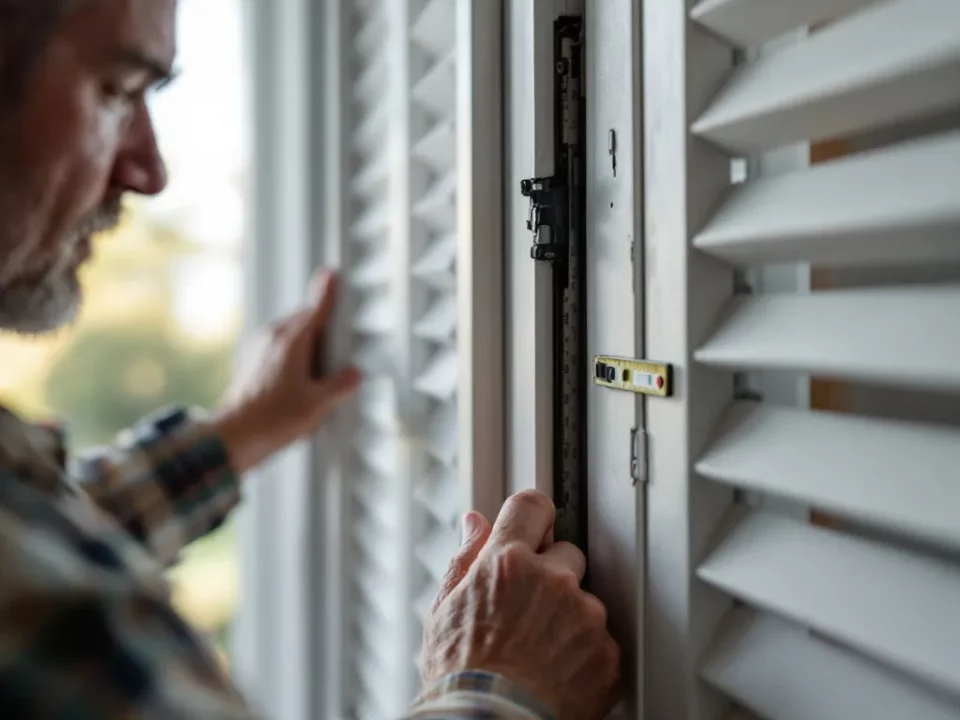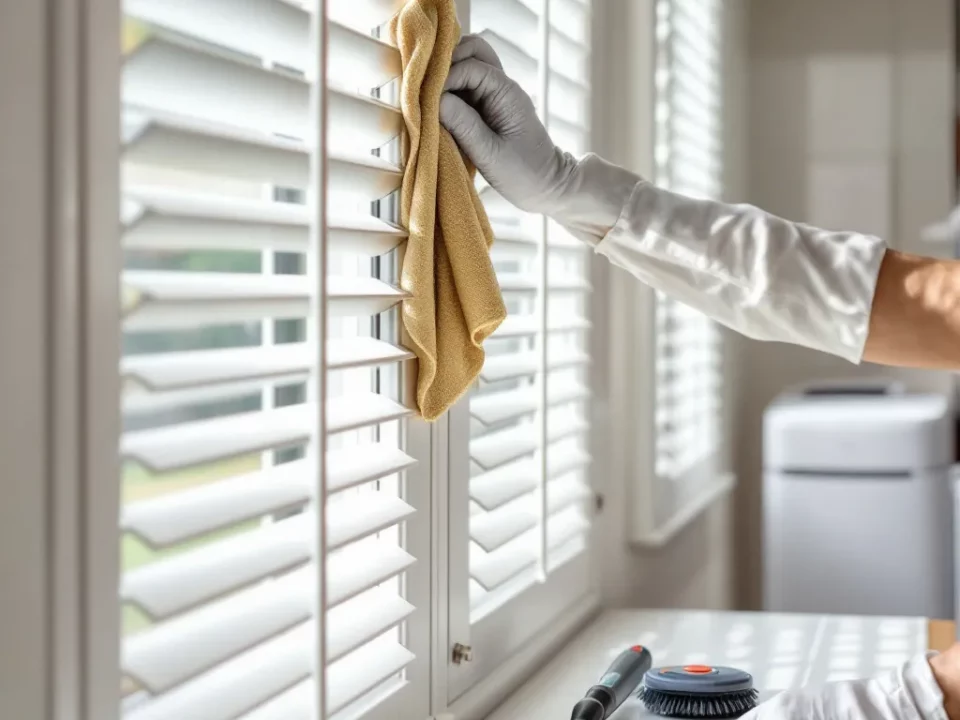

Seasonal Wood Blinds Care in Simi Valley California Homes
December 23, 2025
Wood Blinds Environmental Impact in Simi Valley California Homes
December 30, 2025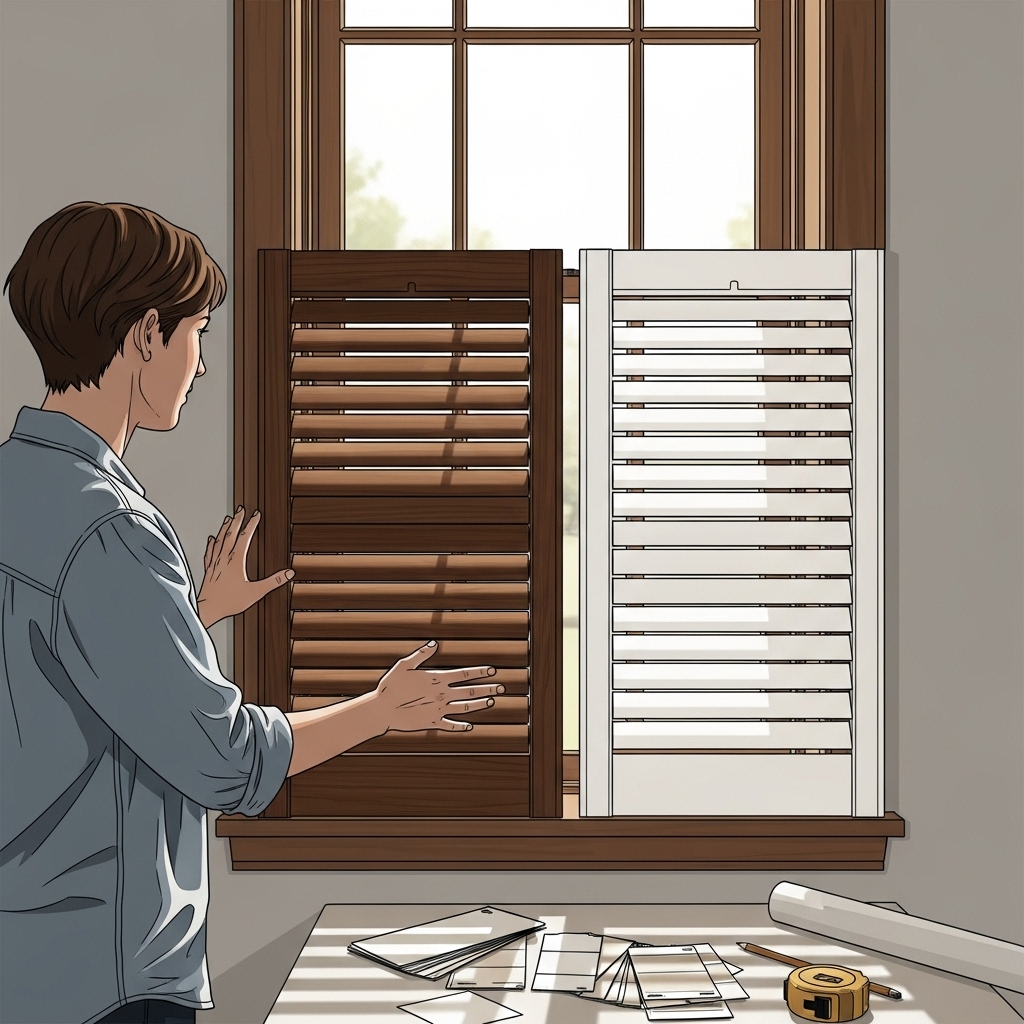
Ask anyone who has lived through a bright Simi Valley summer: the right window treatment changes how a home feels from sunrise to sundown. Around here, two terms come up often—“custom shutters” and “wooden plantation shutters.” They’re related, but they aren’t identical, and understanding the difference helps you choose a solution that fits your style, your daily routine, and our valley’s particular light. As you start your search, take a moment to look at locally made and installed custom shutters, because the context of your rooms—window shapes, exposures, and finishes—matters as much as the shutter material itself.
In everyday conversation, people sometimes use “custom shutters” as a catch-all for any made-to-measure shutter. That’s fair, because custom simply means the product is tailored to your exact windows. But it also implies a spectrum of materials, finishes, and design options beyond just wood, opening the door to advanced composites and hybrid builds that handle Simi’s sun, occasional humidity, and daily wear with ease. “Wooden plantation shutters,” on the other hand, typically refer to real wood shutters with wider louvers, a classic profile rooted in historic Southern and Californian architecture. Both can be tailored; one is defined by material and look, the other by the level of precision and choice.
The Case for Custom: Fit, Function, and Finish
Custom shutters start with measurement and end with a product that feels architecturally integrated. Simi Valley homes, whether older ranch styles or newer hillside builds, often have small variations in window openings. Custom fitting accounts for those quirks so your panels hang square and the louvers align perfectly across a bank of windows. That crisp visual line is what makes a home feel put-together, even on a casual day with doors open and a breeze coming through.
Functionally, custom means your options expand. You can choose louver widths that match your window scale and your taste for light—wider louvers for expansive views and a clean, modern look, or narrower louvers for more granular control and a slightly traditional feel. Tilt options run from centered tilt rods that nod to classic design to hidden-tilt systems that keep sightlines open. Divider rails and split-tilt features let you keep the bottom private and the top bright in street-facing rooms. Those decisions are not superficial; they shape how your home feels during Simi’s bright mornings and golden afternoons.
Wooden Plantation Shutters: Warmth, Character, and Heritage
There’s a reason real wood remains beloved. Wooden plantation shutters bring a tactile warmth and a depth of tone that many homeowners crave. When stained, the grain adds variation that plays beautifully with natural light, especially in rooms with hardwood floors and warm cabinetry. Even when painted, wood has a substantial feel. The wider louver profile associated with plantation styling reads as quintessentially Californian—airy, sun-washed, and timeless.
With that said, wood’s natural character also means it appreciates a bit of care. Finishes matter in Simi’s UV-heavy environment, and placement matters in rooms with regular moisture. Modern wooden shutters are built with stability in mind, but awareness of sun exposure and ventilation around sinks and baths helps preserve that just-installed look. In living rooms and bedrooms, however, wood can be unmatched, lending a sense of crafted permanence that makes the room feel settled and welcoming.
Composite and Hybrid Options: Modern Solutions for Modern Conditions
Custom doesn’t stop at wood. Composites and hybrid shutters have advanced significantly, offering exceptional consistency in finish, excellent UV performance, and durability where humidity or daily splashes are a fact of life. In Simi Valley kitchens where sunlight can be intense and cooking is lively, or in primary baths where steam is routine, a well-made composite shutter brings peace of mind and easy maintenance. The surface cleans quickly, color stays true longer, and louvers retain their tension and alignment over years of everyday use.
Visually, composites are versatile. Most read as painted shutters with clean, crisp lines. The choice between composite and wood often comes down to tactile preference, room placement, and how you want your finishes to harmonize throughout the house. A hybrid approach is common—wood in formal or low-moisture rooms, composite in utility spaces—so you enjoy the best of both without sacrificing a consistent look.
Style in the Simi Context: Architecture, Neighborhoods, and Views
Simi Valley’s housing is diverse. In Spanish-influenced homes with arches and textured stucco, plantation profiles and soft white finishes create a fresh, luminous feel that highlights the curve of the windows. In mid-century and newer contemporary builds, a hidden-tilt system with wider louvers feels sleek and understated, letting exterior views and interior furnishings take the lead. In ranch-style homes with deep sills, an inside mount showcases the structure of the window, while in drywall-return windows, a clean frame adds definition where you need it.
Think about your lines of sight. On streets with busy sidewalks, you may want a divider rail in living rooms to keep eye-level privacy while capturing sky and tree tops above. In hillside properties where views stretch toward the ridgeline, wider louvers offset glare while keeping the outdoors at center stage. Customization ensures those choices are specific to your exposures, not generalized guesses.
How They Feel to Use: Everyday Life With Each Option
Day-to-day operation matters as much as looks. Custom shutters, whether wood or composite, allow for smooth, firm louver action that holds the angle you set—useful in the afternoon when you’re chasing glare around the room. The right hinge set and tension system prevents the micro-movements you sometimes notice in windy conditions. With wooden plantation shutters you’ll feel a certain solidity and warmth as you tilt the louvers; with composites you’ll appreciate the seamless finish and easy wipe-down when life gets busy.
Noise, too, is part of the experience. Shutters quiet a room subtly by breaking up sound reflections across the glass—handy for homes near thoroughfares or for bedrooms that face active sidewalks. At night, the panels close with a reassuring, clean line that makes the room feel settled and private.
Design Details That Separate Good From Great
The language of shutters is spoken in details: louver width and profile, the scale of the frame, the proportion of the rails, and the placement of the tilt. In wood, a satin paint or a carefully chosen stain complements furnishings and trim. In composites, a durable, low-sheen finish avoids glare and reads quietly in bright light. Hardware is the handshake you notice every day—hinges that align, magnets that close confidently, and finishes that tie into door levers and cabinet pulls.
For many Simi homeowners, the magic is in a unified look from room to room, even when material choices vary. A consistent louver size or a repeated frame profile can make a house feel coherent, which in turn lets your art and furniture stand out rather than competing with the windows. Working with a local specialist who can bring samples into your space—under your exact daylight—clarifies these decisions quickly.
Performance in Sun and Moisture
Our valley’s sunlight is bright and direct, and it’s not uncommon to see significant temperature swings throughout the day. Both wooden plantation shutters and modern composites can handle that environment when they’re properly finished and installed. The difference comes down to where they’re used and the look you want. For window walls that bake in afternoon light, composites offer rock-solid color stability. For a living room where you want that unmistakable wood presence, modern wooden shutters with UV-conscious finishes perform admirably while delivering a depth of character that synthetic materials emulate but don’t fully replicate.
In baths and laundries, composites often win on practicality, though wood can still be used with the right specifications and placement. What matters most is the conversation up front about your routines—long showers, open windows for ventilation, cooking styles—so the shutters are matched to real life.
Cost Considerations Without the Numbers
While we’re not discussing specific pricing, it’s helpful to think of value in terms of fit, finish, and longevity. Custom shutters are a long-term decision; they become part of the architecture. Materials, finishes, and complexity—like specialty shapes or large panels—affect the investment. The right choice is the one that delivers lasting comfort and a look you’ll love for years, without surprises in upkeep or performance.
It’s also worth remembering that a cohesive plan often serves you better than piecemeal decisions. By mapping out rooms together—deciding where wood makes aesthetic sense and where composites make practical sense—you end up with a home that feels consistently considered, front to back.
Seeing Before Deciding
Photos help, but nothing replaces seeing samples in your actual windows, in your home’s shifting light. Morning brightness can cast a cool tone, while late afternoon warms everything up. Holding a painted composite against your trim or a wood stain against your floors lets you visualize the final effect. It also gives you a chance to compare louver widths at eye level so you can gauge privacy, view, and the quality of light each option creates.
When you stand back across the room and look at a sample panel in the window, you’ll sense how the shutter will shape the space. That gut-level impression is worth trusting. The right choice often “disappears” into the room by looking exactly how you imagined it would.
Making the Call in the Middle Ground
In many cases, the decision isn’t either-or. A hybrid plan leverages both the craftsmanship of wood and the durability of composites, using each where it fits best. For instance, wooden plantation shutters can anchor living and dining rooms with warmth and presence, while composite shutters bring easy care to kitchens, baths, and kids’ rooms. If you’re curious about how those combinations look in real Simi Valley homes, browsing through examples of custom shutters can spark ideas and clarify your preferences.
Frequently Asked Questions
What’s the main difference between custom shutters and wooden plantation shutters?
“Custom shutters” describes the process and level of tailoring—precise measurement, options, and finishes across multiple materials. “Wooden plantation shutters” refers specifically to shutters made of real wood with wider louvers that create a classic, airy look. You can have custom wooden plantation shutters, but custom also includes composite and hybrid choices.
Are wooden plantation shutters too formal for a casual Simi Valley home?
Not at all. Finish and configuration determine the vibe. Painted wood with a hidden-tilt system and a simple frame can look clean and relaxed. A stained wood with a visible tilt rod can feel warm and traditional. The same wooden shutter can swing from casual to formal with these decisions.
Do composites look plastic up close?
Quality composites today present a refined, painted finish that reads crisp and solid, not shiny or artificial. Seeing a full-size sample in your window light is the best test; most homeowners are pleasantly surprised at how quietly composite shutters sit in a room.
Which option handles Simi’s bright sun better?
Both perform well when specified correctly. Composites offer excellent color stability and easy maintenance in high-exposure windows. Properly finished wood also performs admirably, especially in rooms without direct, prolonged moisture. Placement and finish choice are the key variables.
How do I choose louver size?
Let your window scale, view, and style guide you. Wider louvers maximize views and suit modern or open spaces. Narrower louvers provide fine light control and a more traditional rhythm. Holding samples in the actual window makes the decision straightforward.
Can I mix materials in one home without it looking mismatched?
Absolutely. Keep a through-line—such as a consistent louver size, matching paints, or a repeated frame profile—and mix materials based on room needs. Many Simi Valley homes use wood in living areas and composite in utility spaces for a cohesive yet practical plan.
Are shutters difficult to keep clean?
They’re simple to maintain. A quick dusting or a gentle vacuum pass keeps louvers pristine. Composites wipe down easily in kitchens and baths; wood stays fresh with routine dusting and occasional wipe-downs as needed.
Do shutters work with arched or angled windows?
Yes. Custom fabrication can mirror the shape of arches and angles, preserving the home’s architectural character while giving you the same control over light and privacy.
When you’re ready to compare options in your own windows and make a choice that fits how you live, reach out for a friendly, local visit. We’ll bring samples, talk through rooms, and map a plan that makes sense for Simi Valley light, architecture, and daily life. For inspiration and to see possibilities up close, explore custom shutters and imagine how the right configuration will transform your home from morning to golden hour.